
Myofascial Release: What It Does and When to Try It
Fascia is the thin web of connective tissue that wraps your muscles and organs. When it gets tight or stuck, you feel pain, stiffness, or limited movement. Myofascial release targets those tight spots with slow, steady pressure to restore glide and ease tension. That simple idea helps explain why people with nagging neck pain, low back tightness, or frozen shoulder often try it.
How myofascial release works
Therapists use hands, elbows, or tools to apply sustained pressure and gentle stretches to the fascia. Sessions feel different from a deep tissue massage: pressure is held longer and there's more focus on restoring movement rather than kneading. The aim is to break up adhesions and let tissues slide normally again. You may notice immediate relief in range of motion or a reduction in pain after a few minutes; for chronic problems, results often come over several visits.
Myofascial release fits into a bigger plan. Therapists often combine it with exercise, posture work, or other bodywork like Rolfing, cross-fibre release, or fascia stretching. Those approaches all target connective tissue but in slightly different ways—some are more structural, others use tools or movement. If you want lasting change, expect to pair hands-on work with daily movement habits.
Try it safely at home
You can use simple tools for self-care: a foam roller, a lacrosse ball, or gentle sustained stretches. Start with 30–90 seconds holding pressure on a tender spot, breathing steadily. If a ball under your shoulder or hip causes sharp pain or numbness, stop. After a release, walk or move the area gently and drink water—your body responds better when tissues are hydrated.
Be careful if you have blood clots, recent surgery, an open wound, advanced osteoporosis, or active infection. Pregnant people should check with a clinician before trying intense releases. When in doubt, ask your doctor or a licensed therapist first.
Picking a therapist: ask about training in myofascial release techniques, how long a session will be, and what to expect afterward. Good practitioners explain what they’re doing, check your comfort, and give a short plan for home work. Therapists who combine hands-on work with movement coaching usually get better long-term results.
Quick checklist: look for steady pressure rather than fast strokes, expect longer holds, pair sessions with simple daily stretches, and stop if you get pins and needles or severe pain. Myofascial release can be a powerful tool for stiffness and chronic ache when used correctly. Try one guided session, follow sensible home advice, and judge results after a few weeks—change usually shows up when hands-on care meets regular movement.

How Knife Massage Improves Sleep Quality: A Complete Guide
Discover how knife massage (Gua Sha) breaks up fascial tension to calm the nervous system and improve sleep quality. Learn techniques, safety tips, and key areas to target.

Trager Therapy Guide: How Gentle Movement Relieves Pain and Stress
Discover how Trager Therapy uses gentle movement to retrain your nervous system, relieving chronic pain and stress. Learn the science behind neuroplasticity, key techniques like Hanami, and how Mindup empowers you to maintain wellness at home.

Cupping Therapy Guide: Benefits, Risks, and What to Expect
Explore the real benefits and risks of cupping therapy. Learn what to expect during a session, who should try it, and how to find a qualified practitioner for safe, effective treatment.

Medical Massage vs. Relaxation: How Targeted Therapy Heals Pain
Discover how medical massage differs from relaxation therapy. Learn about techniques like myofascial release and trigger point therapy for pain relief, injury recovery, and chronic condition management.

The Healing Journey with Neuromuscular Massage: Pain Relief and Recovery
Discover how neuromuscular massage targets the root cause of chronic pain. Learn about trigger point therapy, benefits, and what to expect during your healing journey.
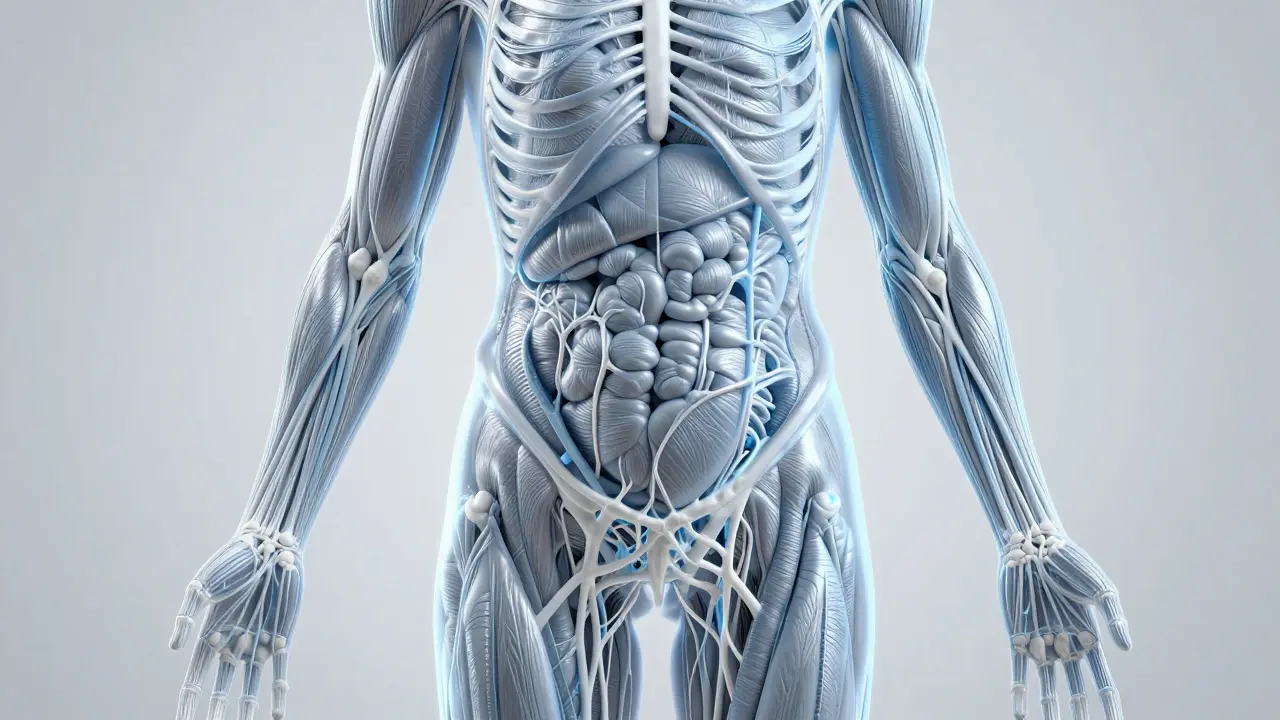
How to Boost Flexibility with Fascia Stretching: A Complete Guide
Discover how fascia stretching improves flexibility and reduces pain by targeting connective tissue. Learn the differences between muscle and fascia stretching, effective techniques like foam rolling, and how to build a sustainable routine.
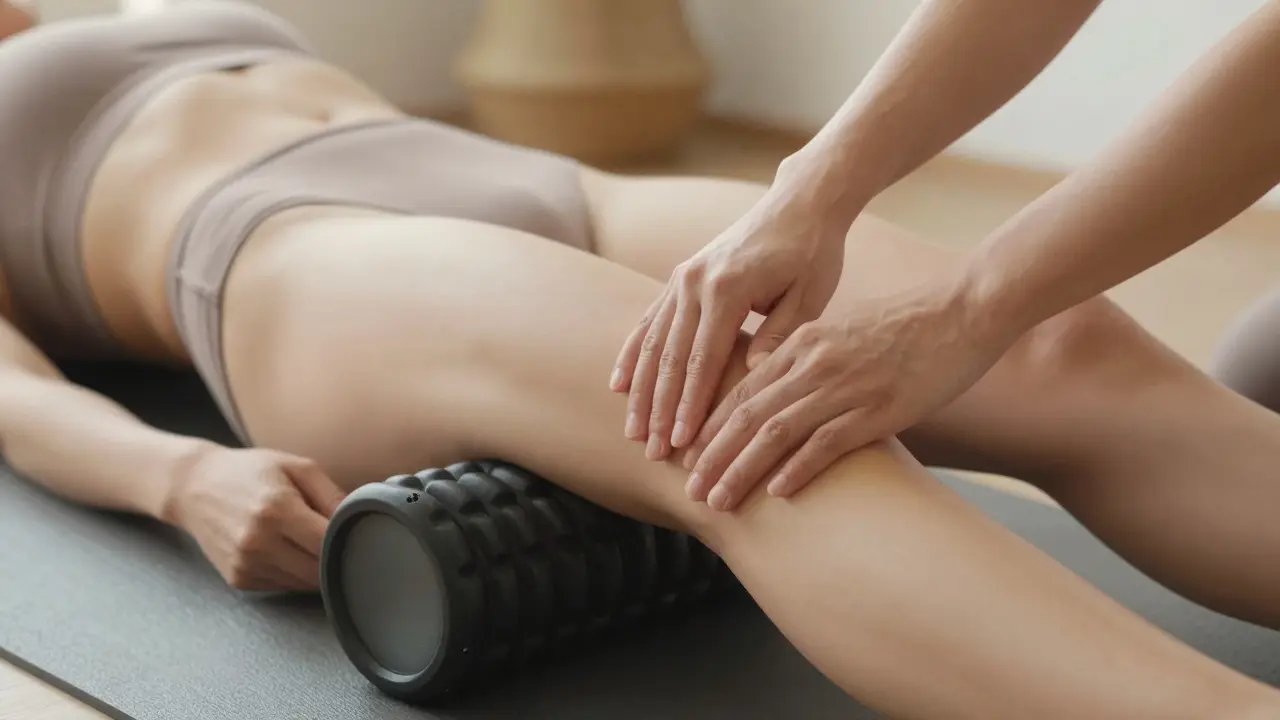
Fascia Stretching Guide: How to Boost Flexibility and Reduce Pain
Discover how fascia stretching differs from traditional muscle stretching. Learn practical techniques like foam rolling and dynamic loading to boost flexibility, reduce pain, and improve overall mobility.

Your First Rolfing Session: What to Expect and How it Works
Curious about Rolfing? Learn exactly what happens during your first structural integration session, from the initial assessment to the deep fascia work.

Trigger Point Massage: How to Get Rid of Persistent Muscle Knots
Discover how trigger point massage targets muscle knots to relieve chronic pain. Learn the difference between this therapy and Swedish massage, plus tips for home relief.

Hellerwork: A Revolutionary Approach to Body Therapy
Hellerwork is a holistic body therapy that combines deep tissue work, movement education, and conscious dialogue to realign the body and release chronic tension. Unlike massage, it addresses the root cause of posture issues and pain by restructuring the fascial system.