
Pain management: Hands-on therapies that actually help
If you've tried pills and stretching and still wake up sore, targeted bodywork can change that. This page groups proven massage and manual therapies that reduce pain, loosen tight tissue, and help you move better. Read short practical notes, safety tips, and when to see a pro.
Fast relief options
Chair massage, cross fibre release, and cupping can give quick relief after long days. Chair massage focuses on upper back, neck and shoulders—ideal for office tightness. Cross fibre release breaks short, tight muscle bands; a skilled therapist will apply pressure perpendicular to the fibres to ease movement. Cupping increases circulation and can reduce muscle discomfort; expect circular marks that fade in days.
Gua sha and myofascial release target fascia and stuck tissue. Gua sha uses a smooth tool to scrape along skin and free tight spots; it's low cost and useful for neck and shoulder stiffness. Myofascial release is gentler and hands-on for deep fascial restrictions that cause chronic pain. Fascia stretching and Rolfing aim for longer-term change in posture and flexibility by reorganizing connective tissue over several sessions.
How to pick the right therapy
Start by matching your main problem to the therapy. Recent injury with swelling: avoid aggressive work and check with a clinician. Old stiffness or posture issues: try myofascial release, Rolfing, or fascia stretching. Muscle knots and trigger points: cross fibre release or deep tissue can help. For general stress-related pain, Swedish, Lomi Lomi or Ayurvedic massage ease tension and improve sleep.
Ask these practical questions before booking: How many sessions do you recommend? Do you treat my condition often? What pressure level will you use? Tell the therapist about surgeries, blood thinners, skin conditions or pregnancy. For unusual treatments—knife massage, snake massage, fire therapy—confirm safety steps and practitioner training. Some therapies carry risks; always choose a licensed, experienced provider.
Combine in-office work with at-home steps. Short daily mobility drills, gentle fascia stretching, and heat after activity speed recovery. Use self-massage tools—balls or simple gua sha—to keep gains between sessions. Track pain with a short log: note where it hurts, what activity affects it, and how long relief lasts after a session. That data helps your therapist fine tune care.
Palliative massage and healing touch focus on comfort when pain is severe or life-limiting. These are gentle, slow techniques that reduce anxiety and improve sleep. If pain limits daily life, ask about specialist referrals—physiotherapy, pain clinics, or a multidisciplinary team.
Pick a therapy that fits your goals: quick relief, deeper structural change, or comfort care. Book one informed session, bring questions, and pay attention to how your body responds over the following days. Small, consistent steps often beat one-off fixes when managing pain.
Want to try something new? Start slow: book a 30–45 minute session, rate pain before and after, and give any therapy two to four sessions to judge effects. If you get worse, stop and see your doctor. Good notes speed better results. Trust your body's signals.
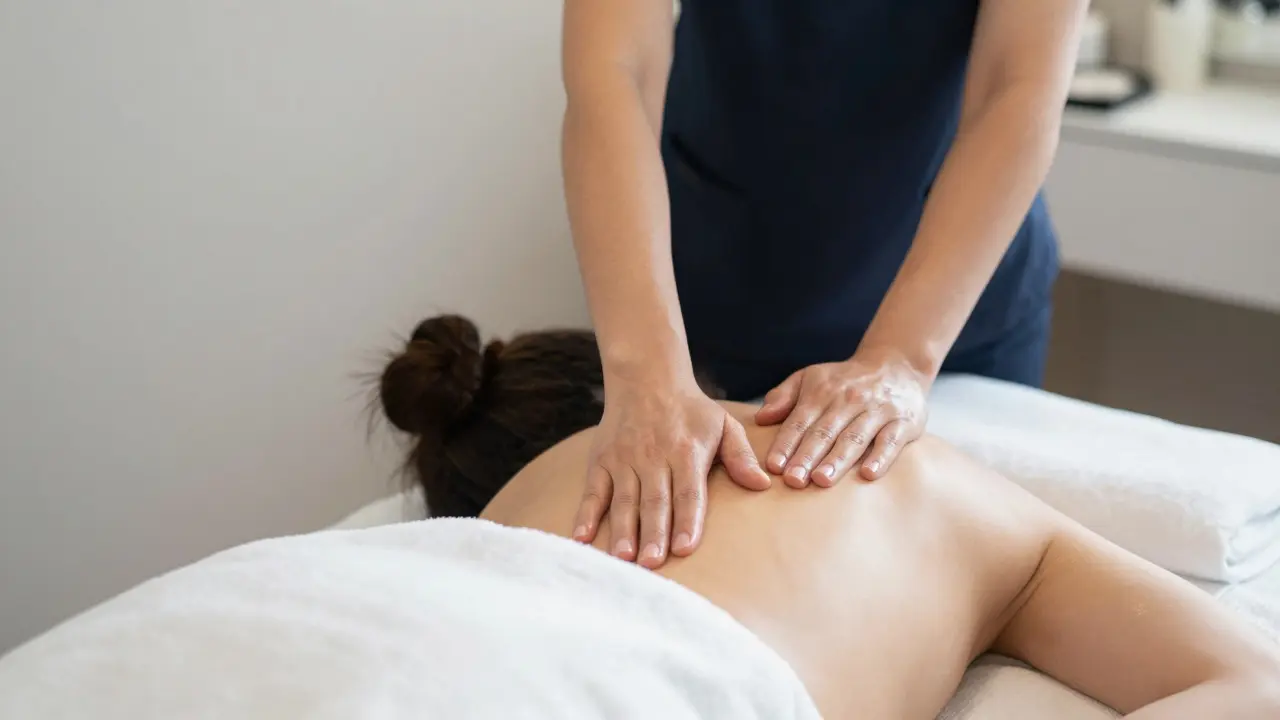
Swedish Massage for Pain Relief: How It Works and What to Expect
Discover how Swedish massage effectively manages pain by reducing stress hormones and improving circulation. Learn when to choose it over deep tissue and how to maximize results.
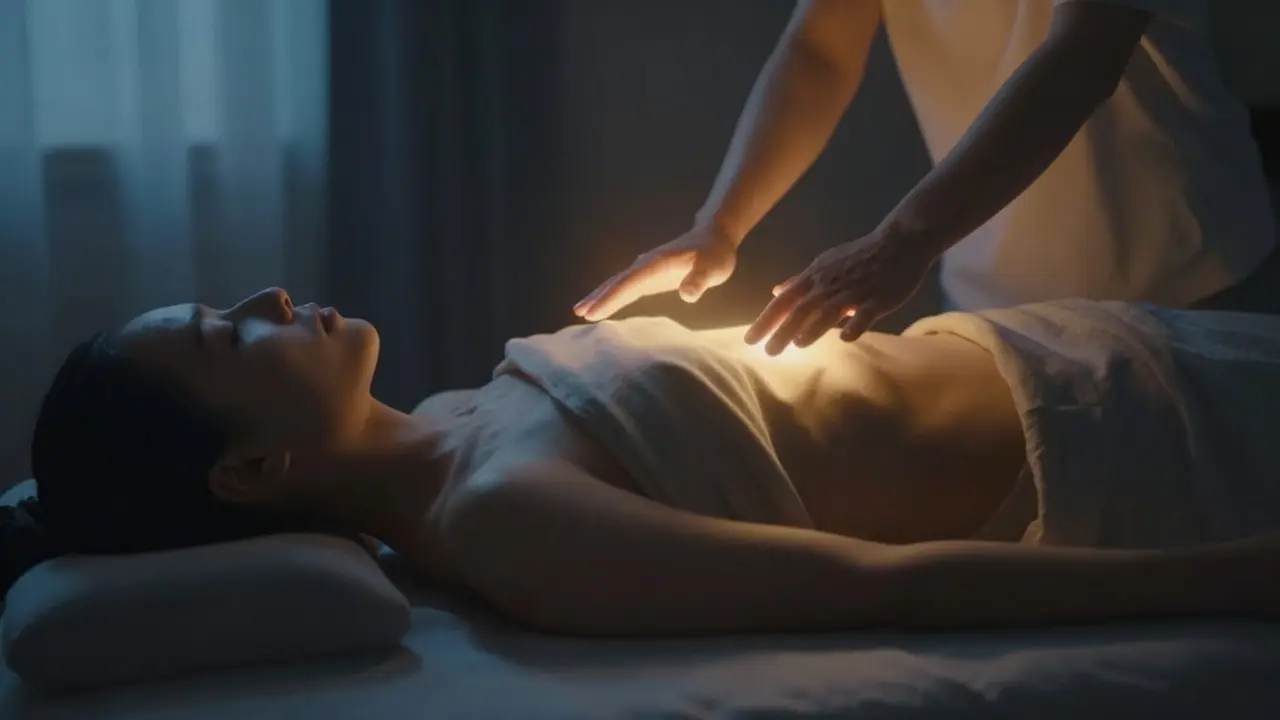
Healing Touch Therapy: Benefits, Process, and What to Expect
Discover how Healing Touch therapy reduces stress, eases pain, and balances energy. Learn what to expect, benefits, and how to find a certified practitioner.
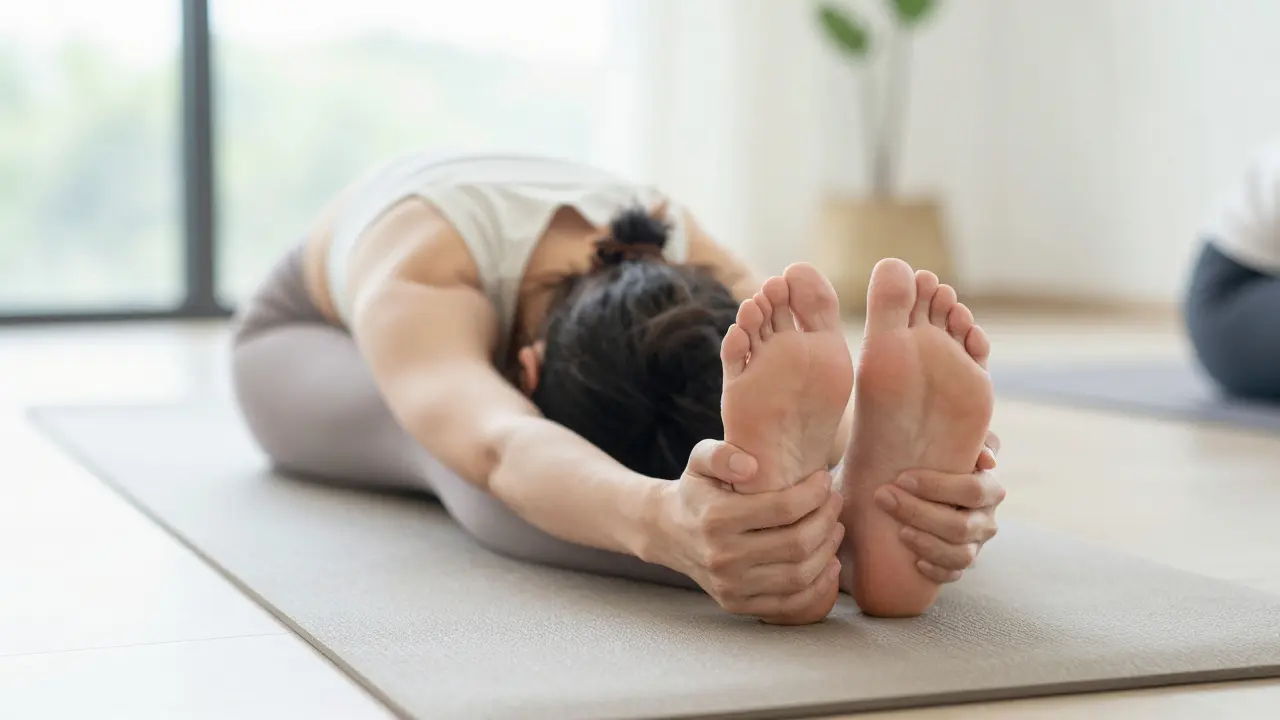
Acu-Yoga Explained: Benefits, Techniques, and What to Expect
Discover Acu-Yoga, a fusion of yoga and acupressure. Learn how this holistic practice reduces pain, stress, and improves flexibility with simple techniques.
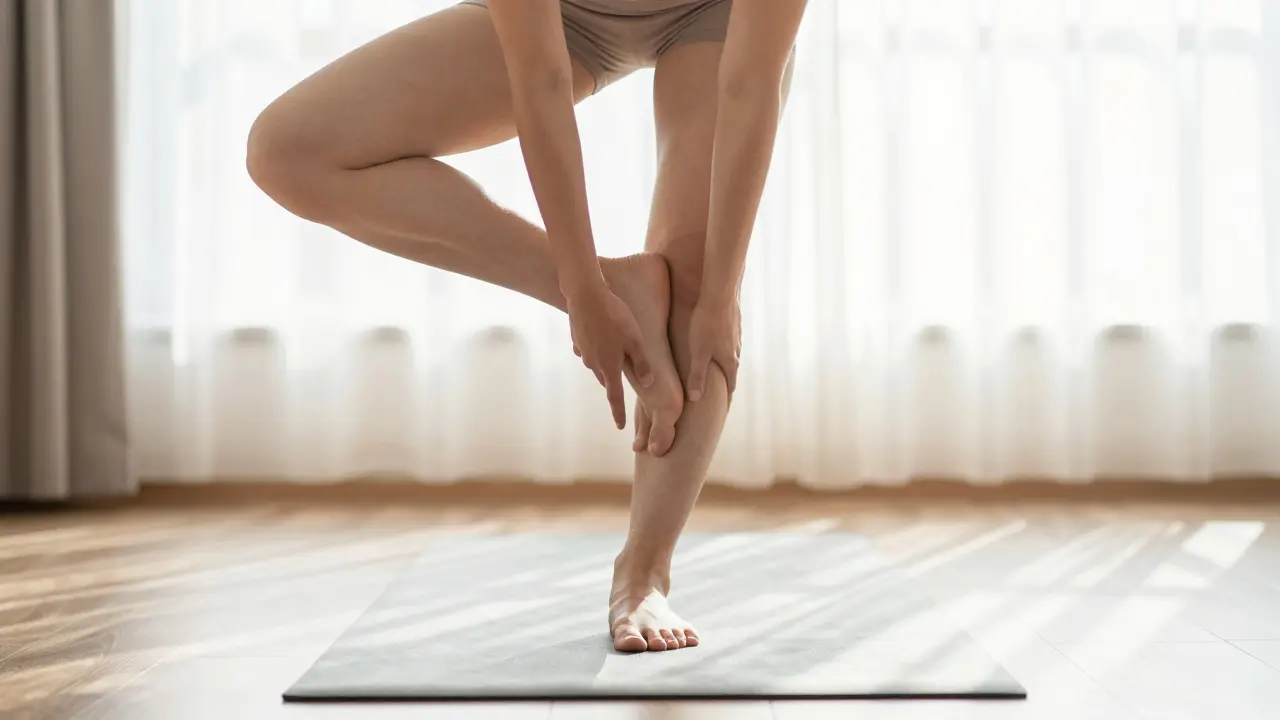
How Acu-Yoga Can Enhance Your Well-Being: A Complete Guide
Discover how Acu-Yoga blends yoga and acupressure to boost well-being. Learn key benefits, simple poses, and tips for integrating this holistic practice into your daily routine for stress relief and pain management.
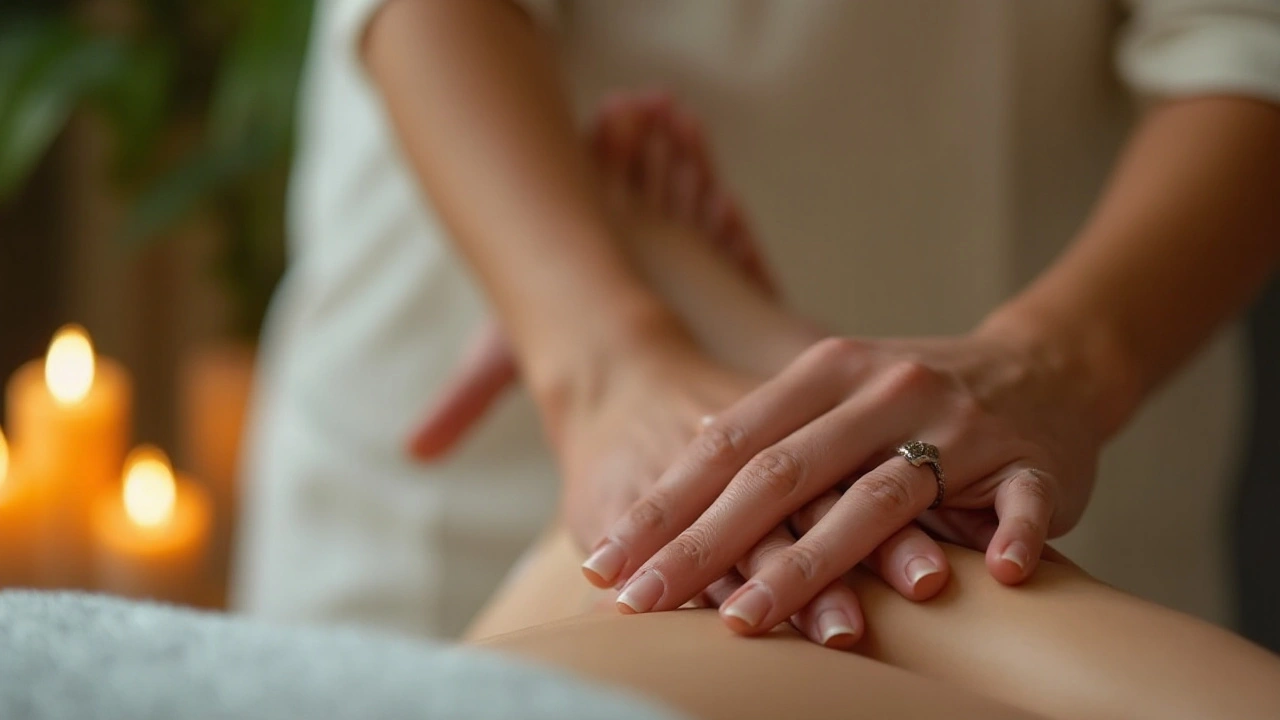
Discovering Reflexology: Effective Techniques for Pain Relief
Reflexology serves as an alternative therapy focusing on specific pressure points in the feet and hands to alleviate pain and enhance overall well-being. This age-old practice has roots in ancient Egyptian and Chinese cultures. By stimulating designated areas, reflexology can help reduce tension and encourage relaxation, making it a valuable tool in modern pain management. Many find it a beneficial complement to more conventional treatment methods.

Harnessing the Healing Touch: The Power of Palliative Massage
Palliative massage is a specialized technique designed to provide comfort and relieve pain for individuals with serious illness. This guide delves into its benefits, techniques, and the invaluable role it plays in holistic care. Readers will discover insightful tips, heartwarming stories, and scientific backing for this compassionate practice.

Exploring Ortho-Bionomy: A Revolutionary Approach for Chronic Pain Management
Chronic pain affects millions worldwide, limiting daily activities and deteriorating quality of life. Ortho-Bionomy, an innovative and gentle approach, offers new hope for sufferers. This article dives into the principles of Ortho-Bionomy, highlighting its unique philosophy, techniques, and benefits. Practical advice and real-world examples illustrate how Ortho-Bionomy can become a cornerstone in holistic pain management strategies. Read on to discover how this therapy might transform lives by addressing pain at its roots, promoting natural healing, and restoring balance.
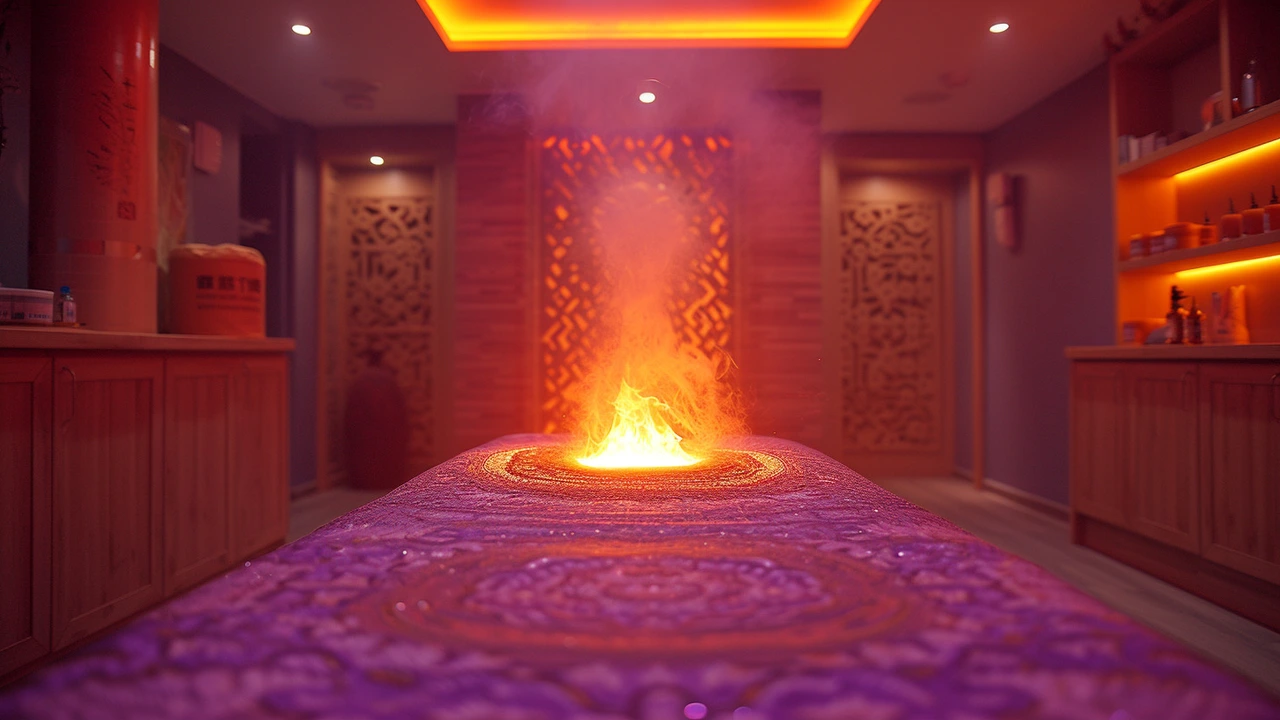
Experience the Heat: Fire Massage Therapy for Ultimate Relaxation and Pain Relief
Hey there, I'm just thrilled to share my latest discovery with you—it's a fire massage! Imagine combining the soothing touch of a massage with the invigorating sensation of a gentle, warming fire. Sounds pretty wild, right? But let me tell you, it's an incredible way to melt away the tension and zap those aches and pains. I was honestly a bit skeptical at first, but after experiencing the warmth and the skilled hands of the therapist, I am totally on board. It's a game-changer for stress and pain, and I can't wait for you to feel the difference it makes.