
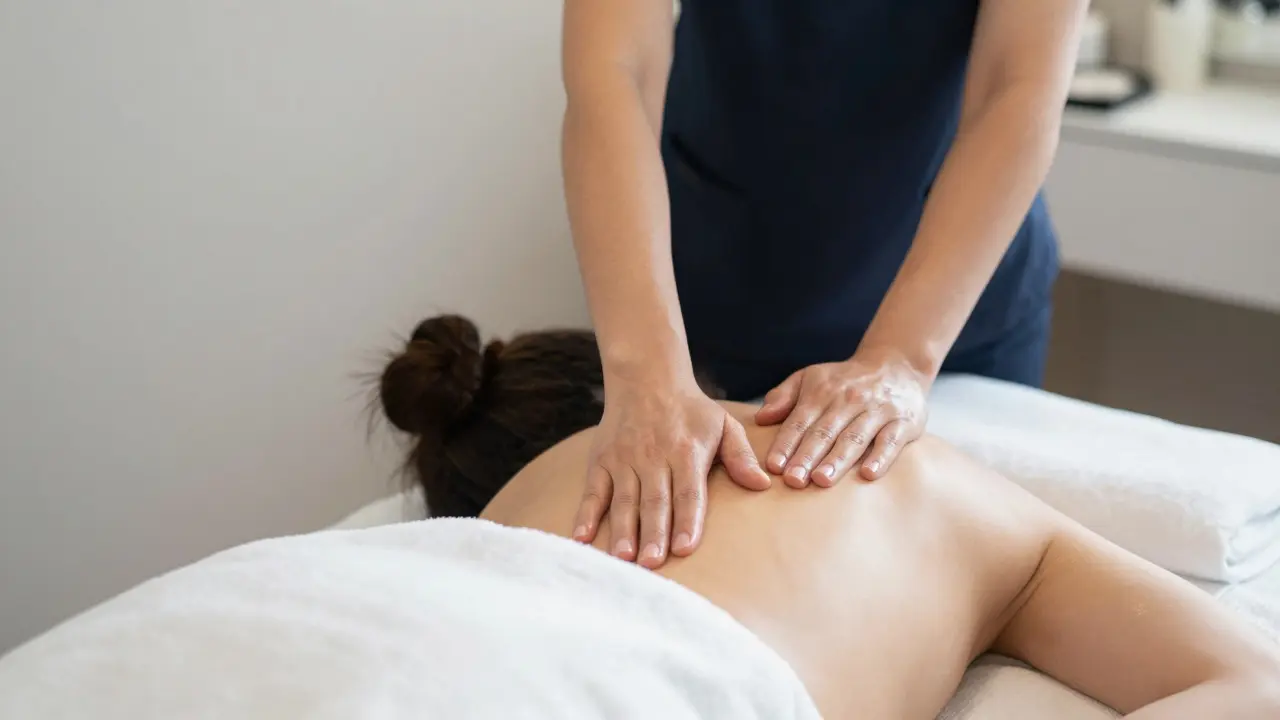
Chronic back pain or stiff shoulders don’t just hurt-they drain your energy and limit what you can do every day. You might assume that only aggressive, painful treatments like deep tissue work will fix long-term aches. But Swedish massage is a gentle yet highly effective therapeutic technique designed to relax muscles, improve circulation, and reduce systemic inflammation. Also known as classic massage, it has been the standard of care in physical therapy clinics since the early 20th century. Rather than forcing knots out through pressure, it uses rhythmic strokes to signal your nervous system to switch from 'fight or flight' to 'rest and digest.' This shift alone can lower perceived pain levels significantly.
If you’ve never tried it, you might picture a spa treatment with soft music and essential oils. While those elements help, the real power lies in the mechanics. Swedish massage isn’t just about feeling good; it’s a clinical tool used by physiotherapists and chiropractors to manage pain without medication. Let’s look at exactly how it works, who benefits most, and how it compares to other bodywork styles.
How Swedish Massage Reduces Pain Biologically
To understand why this method works, we need to look under the skin-literally. The primary goal of Swedish massage is to stimulate the parasympathetic nervous system while mechanically moving fluid through tissues. When you’re in pain, your body stays tense. This tension restricts blood flow, leading to a buildup of metabolic waste products like lactic acid. These wastes irritate nerve endings, creating more pain-a vicious cycle.
The five core techniques used in this therapy break that cycle:
- Effleurage (Gliding): Long, sweeping strokes that warm up the tissue and increase surface blood flow.
- Petrissage (Kneading): Lifting and squeezing muscles to release adhesions and stretch fibers.
- Friction: Deep, circular movements targeting specific tight spots or scar tissue.
- Tapping (Tapotement): Rhythmic percussion to stimulate nerves and invigorate muscles.
- Vibration: Shaking motions to release deep tension in larger muscle groups.
Research published in the *Journal of Bodywork and Movement Therapies* indicates that regular sessions can lower cortisol levels by up to 53%. High cortisol keeps inflammation high. By dropping these stress hormones, your body becomes better at healing itself. You aren’t just masking the pain; you’re changing the environment in which your muscles live.
Who Should Get Swedish Massage for Pain?
Not every pain requires the same approach. If you have acute injuries, severe arthritis, or chronic fibromyalgia, Swedish massage is often the safest starting point. Here is a breakdown of common conditions where it shines:
| Condition | Primary Benefit | Recommended Frequency |
|---|---|---|
| Lower Back Pain | Relieves lumbar muscle spasms and improves mobility | Weekly for 4-6 weeks, then monthly |
| Tension Headaches | r>Reduces neck and shoulder trigger points | Bi-weekly during flare-ups |
| Fibromyalgia | Lowers widespread sensitivity and fatigue | Once a week with light pressure |
| Post-Surgical Recovery | Prevents scar tissue adhesion and reduces swelling | As approved by surgeon (usually 2+ weeks post-op) |
| Sports Overuse Injuries | Flushes metabolic waste from overworked muscles | 2-3 times per week during training blocks |
For example, if you sit at a desk all day, your upper trapezius muscles are likely chronically shortened. Swedish massage stretches these fibers gently, restoring length without causing micro-tears that deeper methods might induce. It’s particularly useful for people who find deep tissue massage too intense or painful.
Swedish vs. Deep Tissue: Which Is Better for Your Pain?
This is the most common question I hear. Both are valid, but they serve different purposes. Think of Swedish massage as a reset button for your entire system, while deep tissue is a targeted repair job.
| Feature | Swedish Massage | Deep Tissue Massage |
|---|---|---|
| Pressure Level | Light to Moderate | Moderate to Heavy |
| Primary Goal | Relaxation, Circulation, Stress Reduction | Breaking Adhesions, Chronic Knot Release |
| Pain During Session | Minimal to None | Mild to Moderate Discomfort |
| Aftercare Soreness | Rare | Common (24-48 hours) |
| Best For | General wellness, mild tension, anxiety-related pain | Chronic structural issues, old injuries, athletes |
If your pain comes from stress and general stiffness, start with Swedish. If you have a specific, stubborn knot that hasn’t moved in months, you might need deep tissue. Many therapists combine both, using Swedish techniques to warm up the area before applying deeper pressure.
What to Expect During Your First Session
Walking into a clinic can feel intimidating if you’re worried about being judged or hurt. A professional session follows a clear structure to ensure safety and effectiveness.
- Consultation: Before you get on the table, the therapist will ask about your medical history, current pain levels, and goals. Be honest about any injuries or sensitivities.
- Positioning: You’ll lie face down or on your back, covered by a sheet. Only the area being worked on is exposed. This maintains warmth and modesty.
- The Work: The therapist starts with broad effleurage strokes to assess muscle tone. They’ll adjust pressure based on your feedback. Communicate clearly-if it hurts, say so. "Good pain" feels like relief; "bad pain" feels sharp or electric.
- Closing: The session ends with lighter strokes to calm the nervous system. You’ll be given time to rest before getting dressed.
Most sessions last 60 minutes. For significant pain management, 90 minutes allows enough time to address multiple areas without rushing.
Maximizing Results: Tips for Between Sessions
One massage won’t cure chronic pain. To see lasting changes, you need to support the work done in the clinic. Here’s how:
- Hydrate Aggressively: Massage moves toxins and fluids into your bloodstream. Drinking water helps your kidneys flush them out. Aim for two extra glasses after each session.
- Stretch Gently: Use the increased flexibility from the massage. Hold static stretches for 30 seconds to maintain the new range of motion.
- Apply Heat: If you feel residual soreness, use a heating pad for 15 minutes. Avoid ice unless there’s acute inflammation.
- Move Daily: Sedentary behavior undoes the benefits. Even a 10-minute walk keeps blood flowing and prevents muscles from tightening again.
Consistency matters more than intensity. Two 30-minute sessions a month are better than one intense hour every three months.
When to Avoid Swedish Massage
While generally safe, Swedish massage isn’t right for everyone. Skip it or consult your doctor first if you have:
- Recent blood clots (DVT) or risk factors
- Open wounds, sunburns, or rashes in the treatment area
- Contagious illnesses (fever, flu)
- Severe osteoporosis (fragile bones may not tolerate even light pressure)
- Uncontrolled high blood pressure
A certified therapist will screen for these contraindications during your intake form. Never hide medical conditions to avoid cancellation-your safety comes first.
Does Swedish massage really help with chronic pain?
Yes. Studies show it reduces pain perception by lowering cortisol and increasing serotonin and dopamine. It doesn’t eliminate the source of injury but significantly manages the discomfort and associated muscle tension.
How many sessions do I need to see results?
Most people notice immediate relaxation. For chronic pain management, a series of 4-6 weekly sessions is typically recommended to retrain muscle memory and reduce baseline inflammation.
Is Swedish massage the same as a sports massage?
No. Sports massage is tailored to athletic performance and injury prevention, often using faster, more intense techniques. Swedish massage focuses on overall relaxation and general circulation.
Can I get Swedish massage if I’m pregnant?
Yes, but it should be performed by a therapist trained in prenatal massage. Positions must be adjusted (side-lying) to avoid pressure on the abdomen and major veins.
Why do I feel tired after a Swedish massage?
This is called "massage hangover" or simply deep relaxation. Your body has shifted into parasympathetic mode, lowering heart rate and blood pressure. It’s a sign the treatment worked. Rest and hydrate to recover quickly.