
Bodywork Therapies: What Works and When
What if one session could ease weeks of tightness or finally help you sleep better? Bodywork therapies are hands-on approaches that target muscles, fascia, energy flow, or nervous system balance. They can reduce pain, loosen stiff areas, and help you move easier. This page helps you spot the right therapy fast — no jargon, just clear tips.
Quick tour: common therapies and why people choose them
Swedish massage is the go-to for relaxation and improving circulation. It’s gentle, great for stress, and often recommended if you’re new to bodywork. If you want deeper work aimed at chronic tension or posture, Rolfing and myofascial release dig into fascia to change how your body holds itself.
Cupping therapy uses suction to increase blood flow and ease muscle knots — athletes use it for recovery. Gua sha is similar but uses scraping tools for tension and skin benefits. Lomi Lomi and Ayurvedic massage bring a cultural, whole-body rhythm that can feel deeply calming and emotionally freeing.
Need a fast fix at work? Chair massage targets neck, shoulders and upper back in 10–20 minutes and can wake you up and reduce office tension. For digestive or pelvic issues, Maya Abdominal Massage focuses on the abdomen to support organ alignment and function.
How to pick a therapy and a practitioner
Start with the problem, not the name. Tight shoulders? Try myofascial release or a deep Swedish session. Chronic posture issues often respond better to structural work like Rolfing. Headaches from neck tension: Champissage (Indian head massage) or targeted cross-fibre release can help.
Check credentials and ask about experience with your issue. A good therapist will explain what they’ll do, how it will feel, and offer aftercare tips. Don’t be shy about pain levels — you should feel pressure but not panic. If something feels wrong, say so right away.
Safety: tell your therapist about recent injuries, medication, or medical conditions. Cupping and gua sha can leave temporary marks; that’s normal but make sure you’re comfortable with it beforehand. Palliative massage and therapies for animals (like elephant massage) require special training — confirm the practitioner knows what they’re doing.
Quick self-help you can try at home: slow, long strokes for relaxation (Swedish style); gentle scraping with a smooth tool for sore traps (gua sha basics); mobility moves inspired by Feldenkrais to reset how you use your body. Use heat before deep work and hydrate after sessions.
Bodywork can be simple relief or a longer path to change. If a therapy sparks real improvement in two to four sessions, it’s likely worth continuing. If not, switch methods or practitioner. Your body will tell you what works — pay attention and choose what helps you move, rest, and feel better.

Healing Touch: A Natural Approach to Pain Management
Discover how Healing Touch offers a natural path to pain relief. Learn about its science, benefits for chronic conditions, and what to expect in a session.

Blind Massage: The Untold Benefits of This Unique Therapy
Discover the unique advantages of blind massage, where visually impaired therapists use heightened tactile sensitivity to provide precise, distraction-free bodywork.
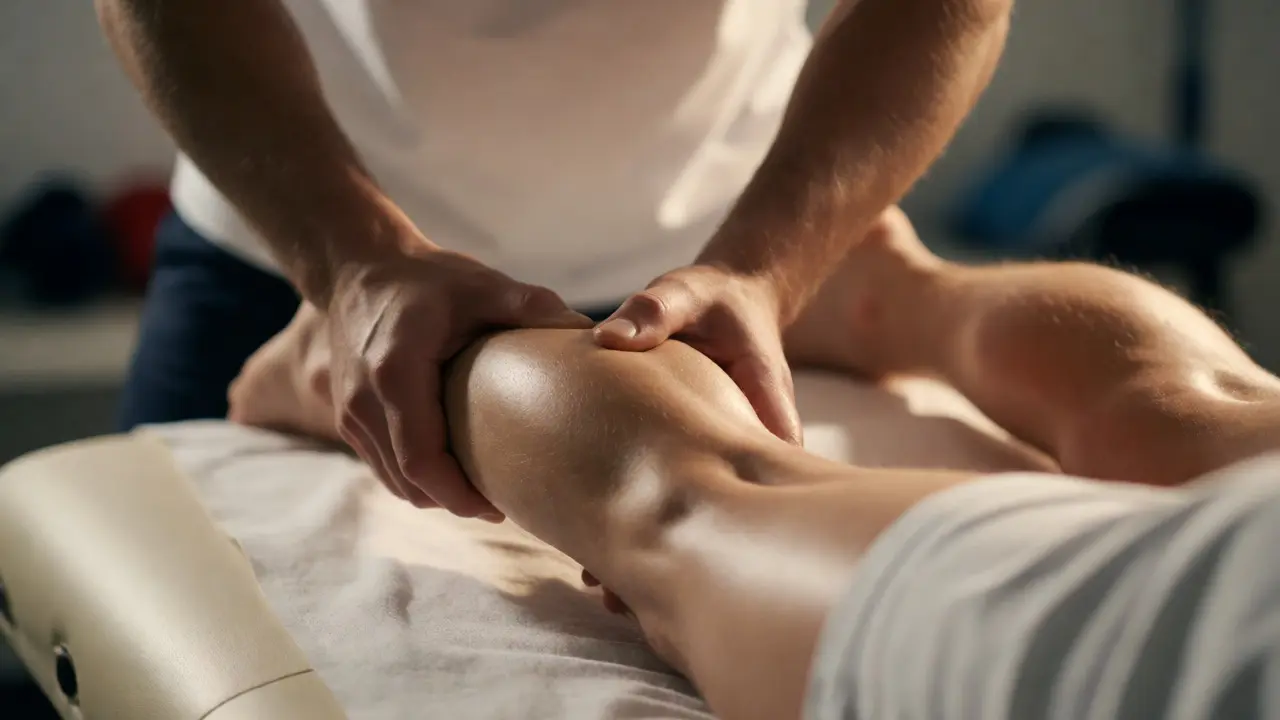
Why Sports Massage is a Key Element in Sports Rehabilitation
Discover why sports massage is crucial for injury recovery. Learn how manual therapy accelerates healing, prevents scar tissue, and restores range of motion.
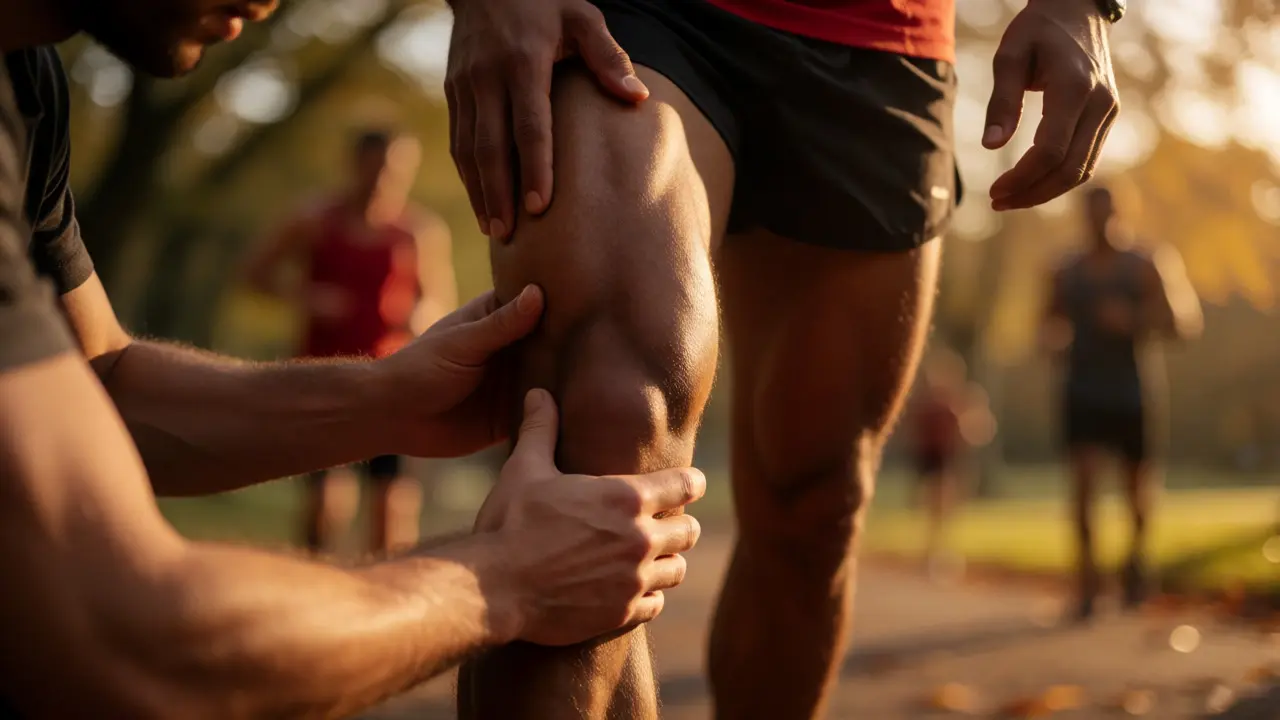
Sports Massage Benefits: How It Helps Recovery and Performance
Discover how sports massage enhances athletic performance and speeds up recovery. Learn about pre-event vs. post-event techniques, physiological benefits, and how to choose the right therapist for your needs.
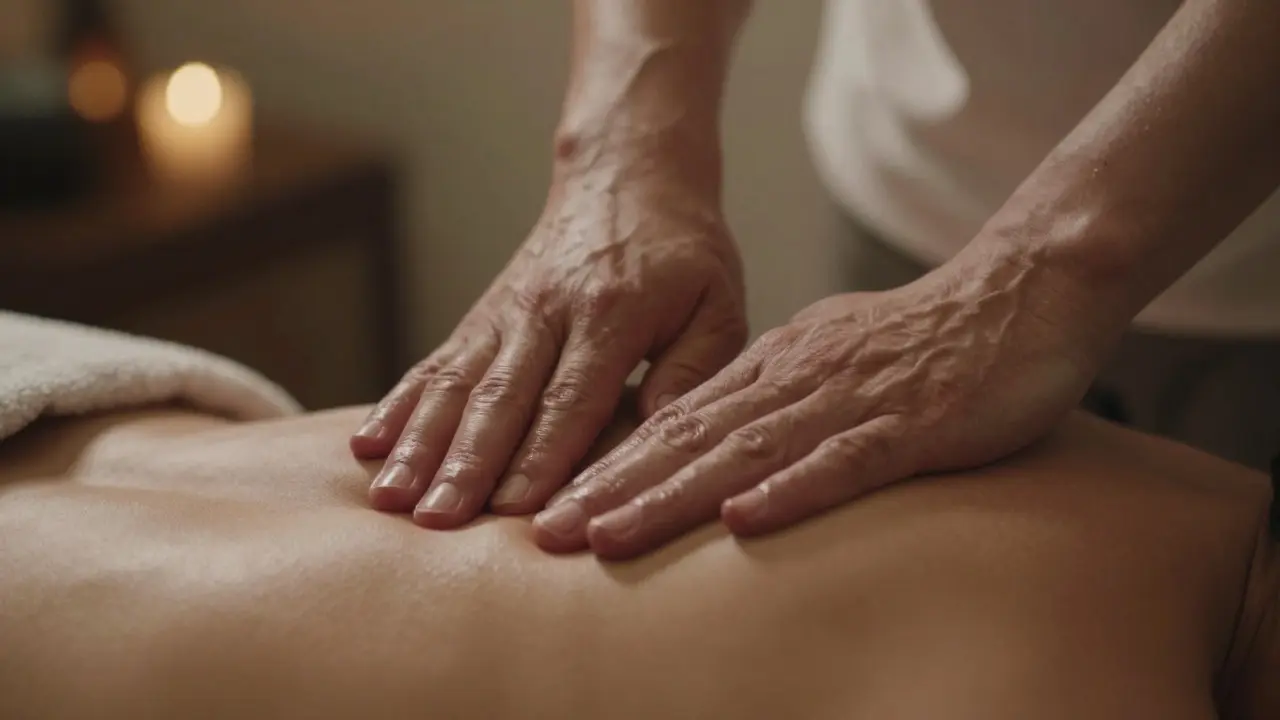
What Makes Blind Massage a Unique Healing Technique?
Discover why blind massage offers a unique healing experience. Learn how heightened tactile sensitivity and removed visual bias create deeper relaxation and precise pain relief.
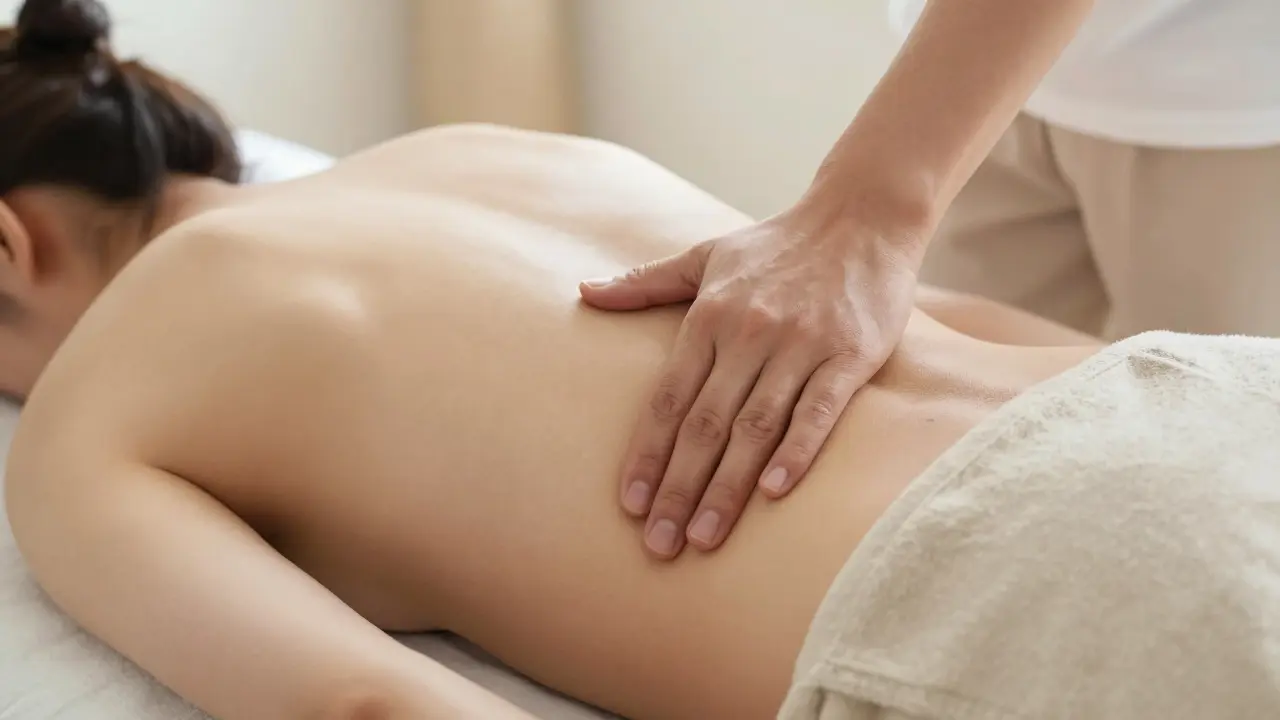
Myofascial Release Therapy: How to Relieve Chronic Pain and Restore Mobility
Discover how myofascial release therapy targets deep connective tissue to relieve chronic pain. Learn the differences from massage, what to expect in a session, and how to maintain results at home.
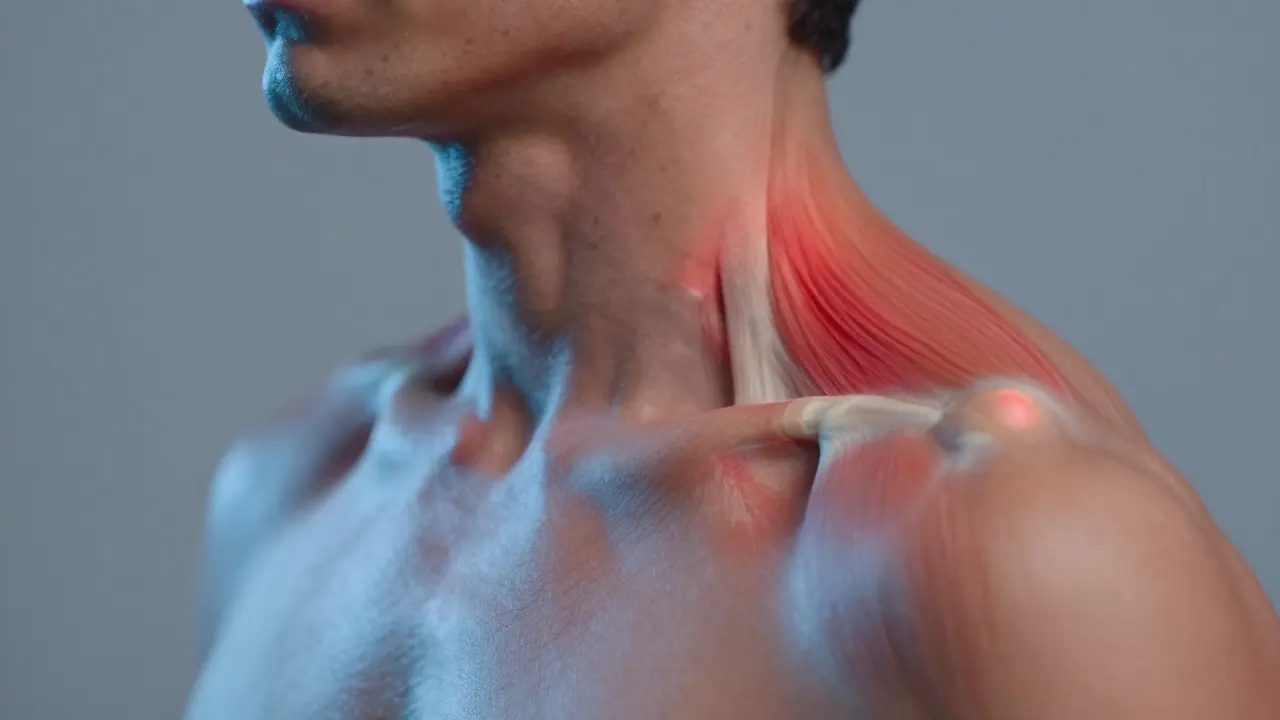
Neuromuscular Massage: How to Restore Body Balance and Release Tension
Learn how neuromuscular massage targets trigger points to relieve chronic pain and restore body balance. Discover what to expect during a session, who benefits most, and how to maintain results at home.
Ortho-Bionomy Benefits: How Gentle Touch Resets Your Body
Discover the gentle power of Ortho-Bionomy. Learn how this low-pressure bodywork technique reduces pain, improves mobility, and calms the nervous system without force.
Contracture Tendon Release: What Athletes Need to Know About Recovery
Explore contracture tendon release surgery for athletes struggling with permanent muscle tightness. Learn about procedures, recovery timelines, risks, and whether surgery is the right choice for restoring mobility.
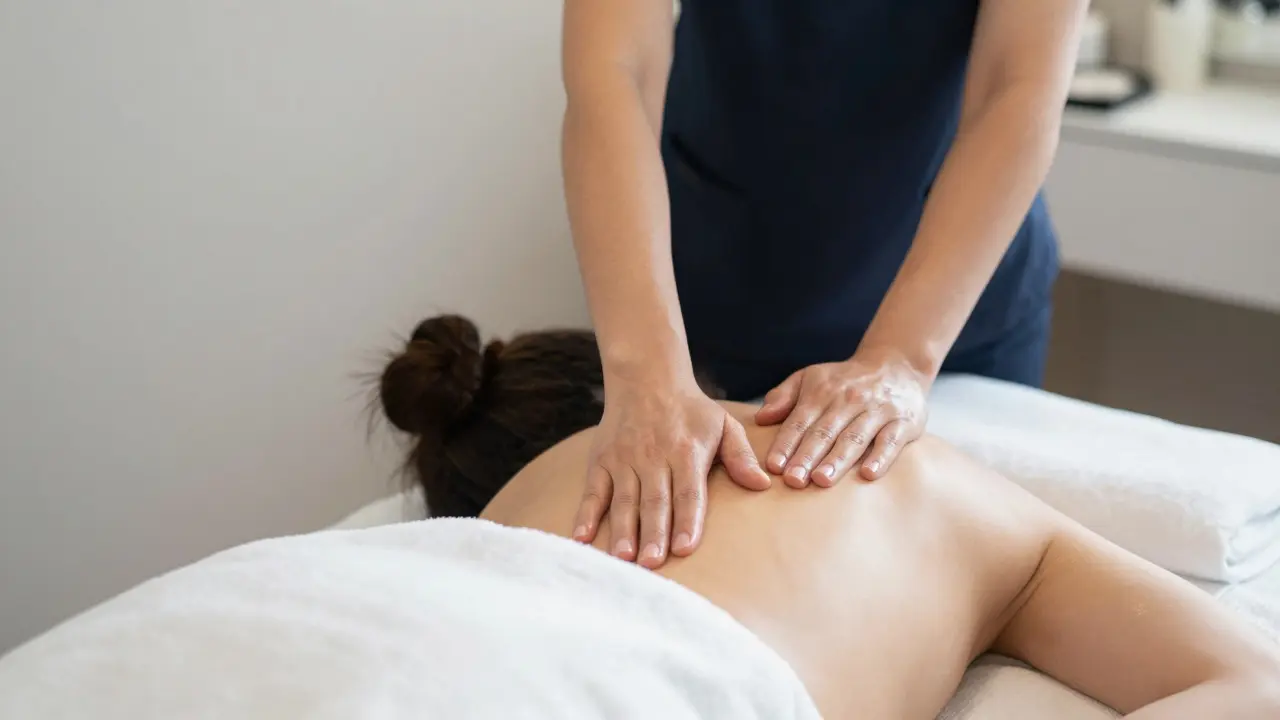
Swedish Massage for Pain Relief: How It Works and What to Expect
Discover how Swedish massage effectively manages pain by reducing stress hormones and improving circulation. Learn when to choose it over deep tissue and how to maximize results.