
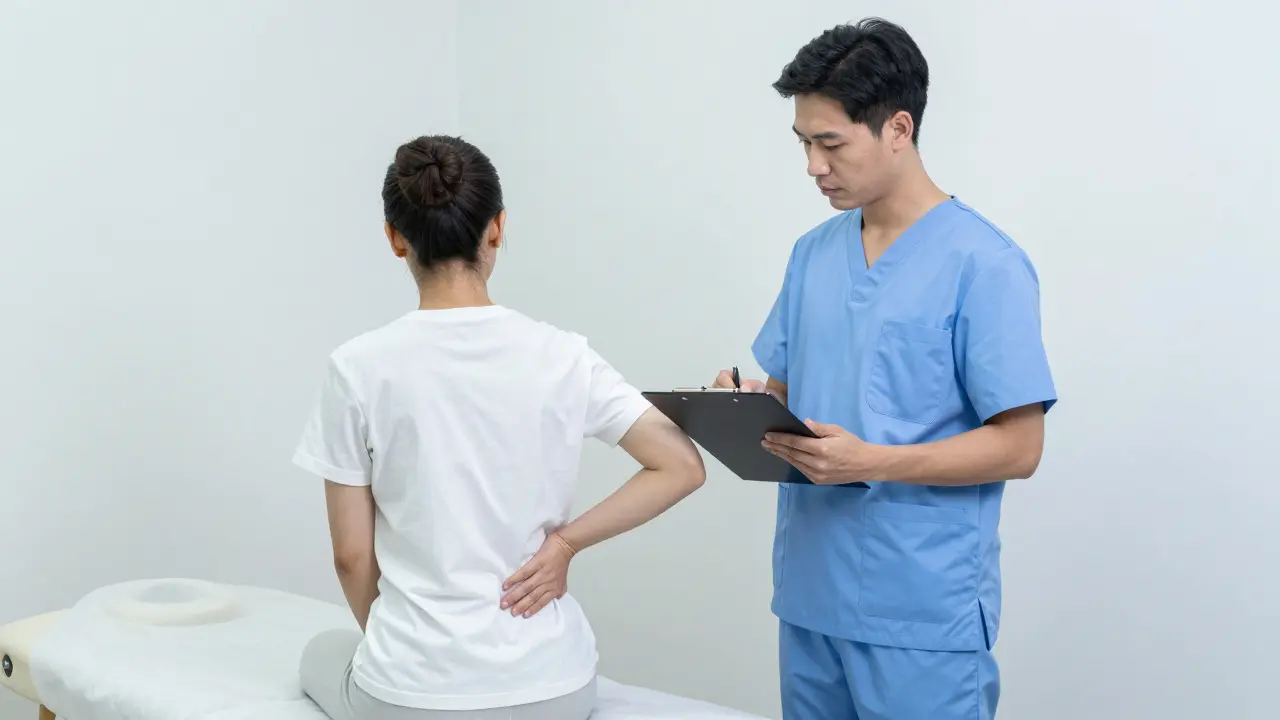
You walk into a spa expecting to drift off to sleep under soft lighting and the sound of rain. Instead, the therapist asks you to sit up, roll up your sleeve, and point exactly where it hurts. They don’t play music. They might even ask you to rate your pain on a scale of one to ten before they touch you. This isn’t a mistake. You have just stepped into the world of medical massage, a therapeutic intervention that prioritizes physiological healing over relaxation.
We often confuse all massage with relaxation. But while Swedish massage is designed to soothe the nervous system and improve circulation generally, medical massage is targeted, clinical, and often intense. It treats specific injuries or conditions, working in tandem with doctors and physical therapists to restore function. If you are dealing with chronic back pain, a sports injury, or post-surgical stiffness, understanding the difference between a luxury treatment and a medical necessity can change how you recover.
The Core Difference: Symptom Relief vs. Root Cause Resolution
Think of standard relaxation massage like taking a warm bath. It feels good, reduces stress, and helps you sleep. Medical massage, however, is more like physiotherapy. It digs deeper into the tissue layers to address the root cause of dysfunction. A certified medical massage therapist works from a diagnosis provided by a physician or uses their own clinical assessment to identify restricted fascia, trigger points, or scar tissue.
The goal here is not comfort during the session; it is function after the session. You might feel soreness afterward, similar to what you feel after an intense workout. This is known as post-treatment soreness, and it usually resolves within 24 hours. The trade-off is significant: reduced inflammation, improved range of motion, and accelerated healing of injured tissues.
| Feature | Medical Massage | Relaxation Massage |
|---|---|---|
| Primary Goal | Treat specific injury/pain | Stress reduction & relaxation |
| Pressure Level | Deep, variable, targeted | Light to medium, consistent |
| Duration | Often shorter (30-60 mins) | Longer (60-90+ mins) |
| Therapist Focus | Anatomy, pathology, biomechanics | Whole-body flow, ambiance |
| Insurance Coverage | Possible with prescription | Rarely covered |
Common Conditions Treated with Clinical Massage
Medical massage is not a cure-all, but it is highly effective for musculoskeletal issues. Here are the most common scenarios where this therapy shines:
- Chronic Back and Neck Pain: By releasing tight muscles in the trapezius, rhomboids, and erector spinae, therapists can alleviate tension headaches and lower back strain caused by poor posture or prolonged sitting.
- Sports Injuries: Athletes use medical massage to break down adhesions in muscle fibers, reduce recovery time between competitions, and prevent future strains. Techniques like deep tissue work and cross-friction massage are staples here.
- Post-Surgical Rehabilitation: After surgeries like ACL reconstruction or joint replacements, scar tissue forms and restricts movement. Manual lymphatic drainage and myofascial release help soften this tissue and improve mobility.
- Carpal Tunnel Syndrome: Compression of the median nerve can be relieved by massaging the forearm flexors and wrist structures, reducing pressure on the carpal tunnel.
- Fibromyalgia: While gentle techniques are preferred, targeted myofascial release can help desensitize painful trigger points associated with this chronic condition.
Key Techniques Used in Medical Settings
A medical massage therapist’s toolkit is diverse. They do not rely on one style but adapt their approach based on your anatomy and injury. Understanding these techniques helps you communicate better with your provider.
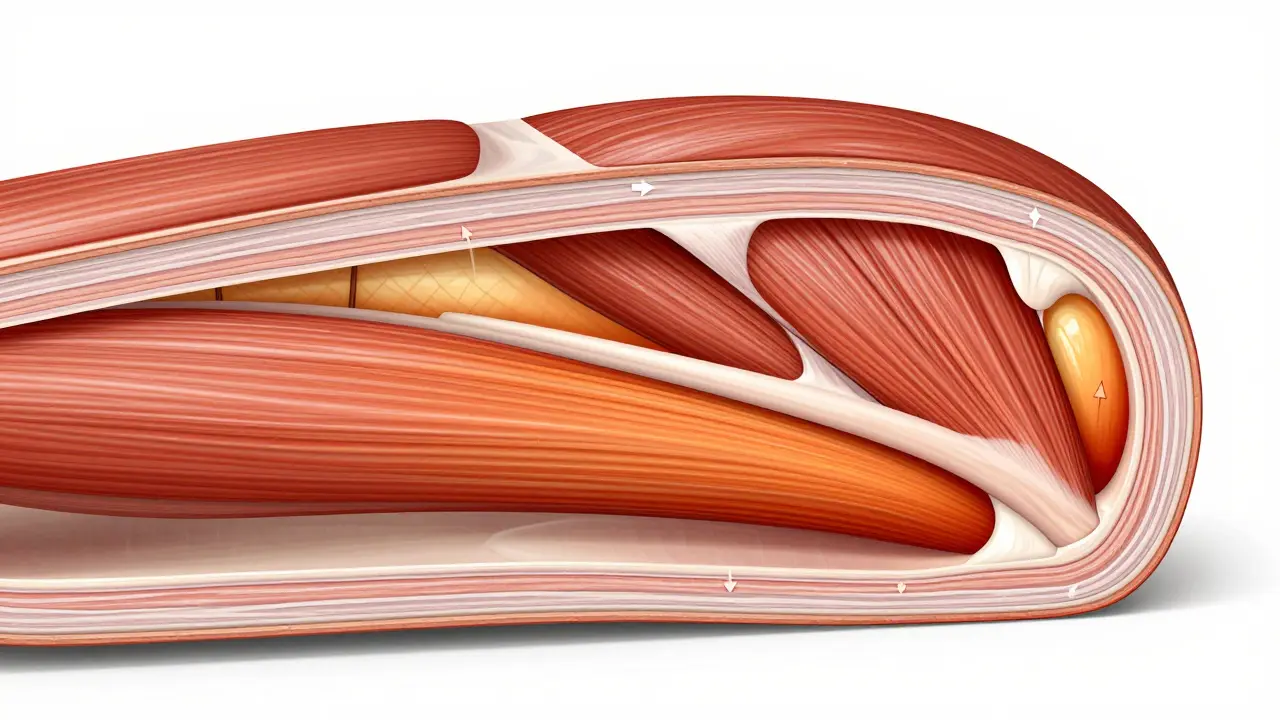
- Myofascial Release: This technique targets the fascia, the connective tissue surrounding muscles. When fascia becomes tight or adhered, it pulls on muscles, causing pain. The therapist applies sustained, gentle pressure to stretch and release this tissue. It is particularly effective for chronic pain patterns that seem to migrate.
- Trigger Point Therapy: Trigger points are hyperirritable spots in skeletal muscle that are painful on compression and can refer pain to other areas. For example, a knot in your shoulder might cause pain in your jaw. The therapist applies direct, ischemic pressure to these points to force them to relax and release referred pain.
- Deep Tissue Massage: Unlike superficial stroking, deep tissue massage uses slow strokes and deep finger pressure to reach the inner layers of muscle tissue. It breaks up scar tissue and promotes healthy alignment of collagen fibers. Expect this to feel intense.
- Neuromuscular Technique: This combines elements of chiropractic care, acupuncture, and massage. The therapist assesses muscle imbalances and uses precise pressure to reset muscle tone and nerve signaling. It is highly analytical and data-driven.
- Manual Lymphatic Drainage (MLD): A very gentle technique used to stimulate the lymphatic system. It is crucial for reducing swelling (edema) after surgery or injury by encouraging the flow of lymph fluid away from congested areas.
How to Find a Qualified Medical Massage Therapist
Not every licensed massage therapist (LMT) specializes in medical work. To get the best results, you need someone with additional training in anatomy, physiology, and orthopedic pathology. Look for certifications such as NCTMB (National Certification Therapy Board for Medical Massage) or credentials like CBP (Certified Biomechanical Practitioner).
In Australia, where I live, the regulatory landscape differs slightly from the US, but the principles remain the same. Look for practitioners registered with professional bodies like the Australian Natural Therapists Association (ANTA) or those who hold advanced diplomas in remedial massage. Remedial massage is the Australian term often used interchangeably with medical massage, focusing on treating specific ailments rather than general wellness.
Ask potential therapists these questions:
- Do you work with physical therapists or doctors?
- What is your experience with [your specific condition]?
- Do you provide documentation for insurance claims?
- Will you adjust the pressure if I am in pain?
Navigating Insurance and Costs
One of the biggest hurdles for patients is cost. Standard massage is rarely covered by health insurance because it is considered elective. However, medical massage can sometimes be covered if it is deemed "medically necessary."
To increase your chances of coverage:
- Get a Referral: Your primary care physician or specialist must write a prescription for massage therapy, specifying the diagnosis (ICD-10 code) and the recommended frequency.
- Check Your Plan: Some high-end PPO plans or workers' compensation policies cover manual therapy. Call your insurer and ask specifically about "manual therapy" or "remedial massage" codes.
- Use Flexible Spending Accounts (FSAs): In many countries, including the US and parts of Europe, you can use pre-tax dollars from an FSA or HSA to pay for medical massage if you have a Letter of Medical Necessity from your doctor.
If insurance doesn't cover it, view it as an investment in avoiding more expensive treatments like surgery or long-term medication. Many patients find that a few sessions of medical massage resolve issues that would otherwise require months of passive care.
Integrating Massage into a Holistic Recovery Plan
Medical massage works best when it is part of a broader strategy. It is not a standalone cure. Think of it as one tool in your toolbox. For optimal results, combine it with:
- Active Exercise: Stretching and strengthening exercises prescribed by a physical therapist reinforce the gains made during massage. Passive release without active engagement often leads to relapse.
- Ergonomic Adjustments: If your pain comes from sitting at a desk, fixing your chair height and monitor position is just as important as the massage itself.
- Hydration: Drinking water before and after sessions helps flush out metabolic waste products released from the tissues into the bloodstream.
- Heat and Ice: Using ice immediately after acute injury and heat before massage can enhance tissue pliability and reduce inflammation.
Consistency is key. One session might provide temporary relief, but a series of three to six sessions spaced two weeks apart typically creates lasting structural changes. As your body heals, the frequency can decrease to monthly maintenance.
Does medical massage hurt?
It can be uncomfortable, especially during the first few sessions. Deep tissue work and trigger point therapy involve applying pressure to sensitive areas. However, "good pain" should feel like a relieving ache, not sharp or shooting pain. Always communicate with your therapist so they can adjust the pressure. Post-session soreness is normal but should subside within 24 hours.
How many sessions of medical massage do I need?
This depends on the severity and chronicity of your condition. Acute injuries may improve in 1-3 sessions. Chronic issues like long-term back pain or fibromyalgia often require 6-10 sessions initially, followed by maintenance visits every 4-6 weeks. Your therapist will assess your progress and adjust the plan accordingly.
Can medical massage replace physical therapy?
No, they are complementary. Physical therapy focuses on active rehabilitation through exercise and movement retraining. Medical massage focuses on passive soft tissue manipulation. Together, they offer a comprehensive approach: massage prepares the tissue for movement, and physical therapy strengthens it to prevent recurrence.
Is medical massage safe for everyone?
Generally, yes, but there are contraindications. Avoid deep tissue work if you have blood clots, severe osteoporosis, open wounds, or infections. Pregnant women should seek therapists specialized in prenatal massage. Always disclose your full medical history, including medications like blood thinners, to your therapist.
What should I wear to a medical massage appointment?
Wear comfortable, loose-fitting clothing that allows easy access to the affected area. You may need to undress partially, but draping (using sheets to cover non-treated areas) is standard practice to ensure modesty and warmth. Bring a towel if you prefer, though most clinics provide them.