
Physical Therapy: Practical Massage Techniques for Pain Relief & Recovery
Got a stiff neck, sore back, or constant tightness? This tag pulls together clear, hands-on guides and honest takes on physical therapy techniques you can try or ask a therapist about. You’ll find fast tips for relief, what to expect in a session, and when to see a pro.
Many posts focus on how the body actually responds — not just the feel-good stuff. Read about myofascial release to free stuck tissue, Swedish massage to calm the nervous system, and cross-fibre release for stubborn muscle knots. Each article explains who benefits most and what realistic results look like.
Some therapies aim at deeper structural change. Rolfing and fascia-focused work target posture and long-term movement patterns. Expect multiple sessions, slow progress, and exercises to reinforce the hands-on work. If you want better movement, these pieces tell you when to commit and when a single treatment is enough.
Choose the right method for your goal
If you need relaxation and better sleep, Swedish massage and chair massage are fast wins. For performance, flexibility, or old injuries, look at fascia stretching, cross-fibre release, or myofascial release. Trying alternative or traditional approaches? Read our practical guides on cupping, hilot, Ayurvedic techniques, and Lomi Lomi so you know the benefits and safety tips before you book.
We also cover unusual but popular trends so you’re not surprised. Curious about gua sha for skin and tension, or even the safety side of fire massage and knife massage? Read the step-by-step breakdowns. Each article highlights risks, realistic benefits, and sensible aftercare — like hydration, rest, and light movement.
How to prepare, and what to expect
Book a short consult first. Tell the therapist about pain history, meds, and surgeries. Wear loose clothes, avoid heavy meals before hands-on sessions, and ask about pressure and techniques up front. Good therapists explain what they’ll do and give clear home routines to keep gains between visits.
Aftercare matters. Most treatments recommend gentle stretching, warmth or cold as directed, and a few days of lower intensity workouts. If pain spikes or weakness appears, stop and check with a clinician. Several posts here explain red flags and when to get medical advice.
Use this tag as a toolkit. Read the how-tos, compare methods, and pick the posts that match your issue. Bookmark guides for quick prep tips before a session, or share them with your therapist to get personalized, practical care.
Want a shortcut? Start with articles on myofascial release, cupping, and Swedish massage — they give clear wins for most people. If you need help choosing a specific post, tell us your main complaint and we’ll point you to the best reads.
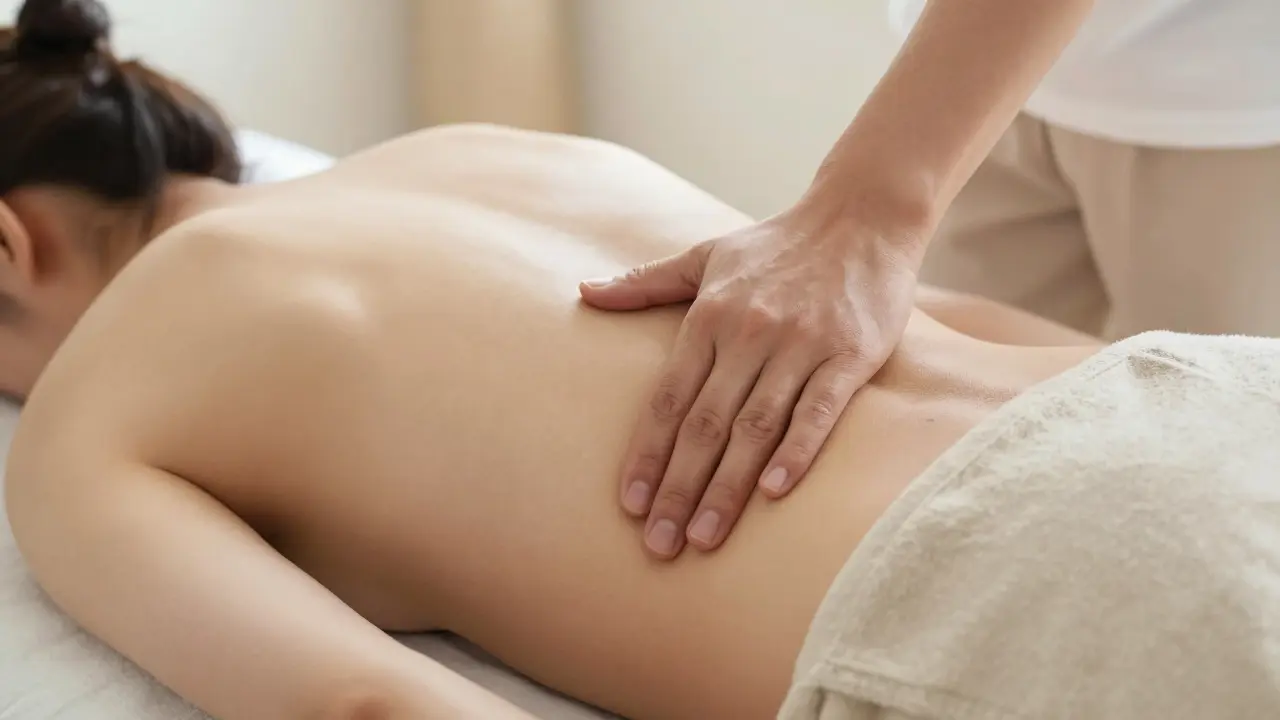
Myofascial Release Therapy: How to Relieve Chronic Pain and Restore Mobility
Discover how myofascial release therapy targets deep connective tissue to relieve chronic pain. Learn the differences from massage, what to expect in a session, and how to maintain results at home.

Medical Massage vs. Relaxation: How Targeted Therapy Heals Pain
Discover how medical massage differs from relaxation therapy. Learn about techniques like myofascial release and trigger point therapy for pain relief, injury recovery, and chronic condition management.

Harnessing the Power of Trager Therapy: A Deep Dive into Its Health Benefits
Trager Therapy, a lesser-known gem in the realm of therapeutic practices, emphasizes gentle movements to enhance physical mobility and mental wellbeing. By exploring its principles, key techniques, and the science behind its effectiveness, individuals can gain insights into how this therapy could potentially alleviate chronic pain, reduce stress, and improve overall quality of life. The therapy's non-invasive approach makes it suitable for a wide range of individuals, offering a beacon of hope for those seeking relief without harsh treatments.