
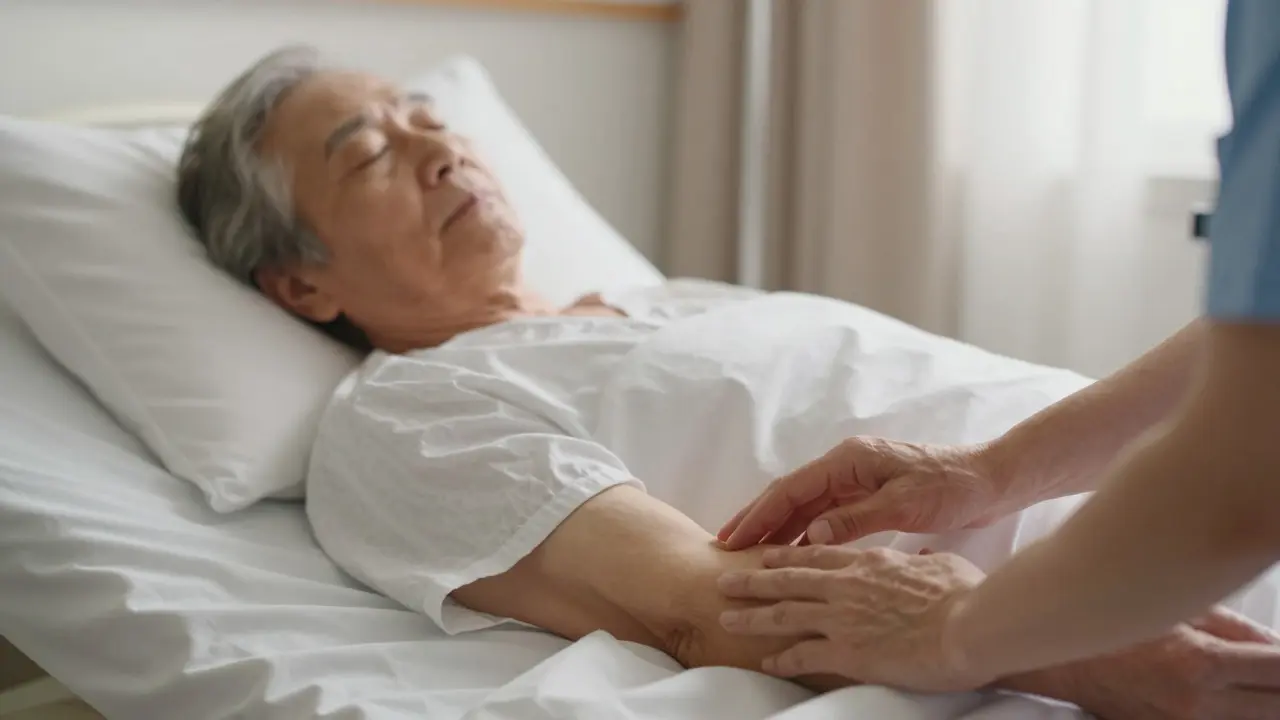
When a loved one is nearing the end of life, the noise of modern medicine often fades into the background. What remains is the raw need for comfort, dignity, and human connection. This is where palliative massage steps in-not as a cure, but as a profound act of care. Unlike standard therapeutic massages aimed at fixing muscle knots or boosting athletic performance, palliative massage is designed specifically for individuals with serious illnesses or those in their final stages of life. It’s quiet, gentle, and deeply intentional.
Many people assume that massage requires strength, deep pressure, and vigorous movement. But for someone who is frail, in pain, or suffering from conditions like advanced cancer, heart failure, or dementia, traditional techniques can be overwhelming or even harmful. The hidden benefits of this specialized practice go far beyond relaxation. They touch the nervous system, ease emotional distress, and restore a sense of agency to patients who often feel they have lost control over their own bodies.
What Exactly Is Palliative Massage?
To understand its value, we first need to define what it actually is. Palliative massage is a modified form of bodywork tailored to the specific physical and emotional needs of patients with chronic or terminal illnesses. It is not a one-size-fits-all treatment. Instead, it adapts to the patient’s condition on any given day. One session might involve ten minutes of hand holding; another might include light stroking along the legs to reduce edema (swelling).
The key difference lies in the intent. In a spa setting, the goal is often aesthetic or recreational. In a clinical or home-care setting, the goal is symptom management and quality of life. Practitioners work closely with medical teams to ensure safety. For example, if a patient has fragile skin due to chemotherapy, the therapist will use minimal friction and high-quality oils to prevent irritation. If a patient has limited mobility, the massage may happen entirely in bed, using pillows for support rather than forcing the body onto a table.
This approach respects the fragility of the patient while acknowledging their humanity. It treats the person, not just the diagnosis.
Physical Relief Without the Side Effects
One of the most immediate benefits of palliative massage is physical comfort. Patients facing end-of-life care often deal with a cluster of symptoms that medications alone cannot fully resolve. Pain is obvious, but so are nausea, constipation, insomnia, and severe muscle tension caused by immobility.
Gentle touch stimulates the parasympathetic nervous system-the "rest and digest" mode. This shift lowers cortisol levels, reduces heart rate, and decreases blood pressure. For a patient whose body is under constant stress from illness, this physiological calm is invaluable. Studies in hospice settings have shown that regular sessions of gentle massage can significantly reduce the need for pain medication in some cases, allowing patients to experience clearer moments without sedation.
Consider the issue of lymphedema, common in cancer survivors. Light effleurage (long, gliding strokes) can help move stagnant fluid, reducing swelling and discomfort without putting strain on the heart or kidneys. Similarly, for patients struggling with sleep, the rhythmic nature of massage promotes melatonin production, helping them drift into restorative rest more easily.
The Emotional Anchor: Combating Isolation
Beyond the physical, there is a profound emotional benefit. Illness, especially terminal illness, can be isolating. Patients often feel like burdens or objects of pity rather than whole people. Medical interactions are frequently brief, clinical, and focused on tasks-checking vitals, administering drugs, adjusting tubes.
Palliative massage offers a different kind of interaction. It is non-verbal communication. It says, "You are seen. You are valued. You are not alone." This simple act of presence can alleviate anxiety and depression. For patients with dementia or Alzheimer’s, who may struggle with verbal communication, touch becomes a primary language. A gentle hand massage can bring a moment of recognition and peace that words cannot achieve.
Families often report that after a session, their loved ones seem more present, more willing to engage in conversation, or simply more at ease. This isn’t magic; it’s neurobiology. Oxytocin, the bonding hormone, is released during positive touch, fostering feelings of trust and security.

Adapting to Complex Conditions
A major misconception is that massage is unsafe for sick patients. In reality, when performed by trained professionals, it is highly adaptable. Let’s look at how it works for specific conditions:
- Cancer: Focuses on reducing fatigue and anxiety. Avoids direct pressure on tumors or radiation sites. Uses lightweight oils to soothe dry, sensitive skin.
- Dementia: Emphasizes consistency and familiarity. Shorter sessions (10-15 minutes) are better. Hand and foot massage are common entry points because they are less intrusive.
- Heart Failure: Requires careful monitoring of fluid status. Gentle movements promote circulation without increasing cardiac load. Positions are adjusted to ensure breathing is unrestricted.
- Parkinson’s Disease: Helps with rigidity and tremors. Rhythmic tapping or vibration can help reset muscle tone and improve coordination temporarily.
The practitioner must be observant. If a patient grimaces, breathes heavily, or pulls away, the technique changes instantly. Consent is ongoing. The patient-or their caregiver-can stop the session at any time. This autonomy is crucial for restoring dignity.
Benefits for Caregivers and Families
We often forget that caring for a terminally ill loved one is exhausting. Caregiver burnout is real. Palliative massage extends its benefits to the family unit. When a patient is calmer and in less pain, the entire household atmosphere shifts. Tension decreases. Arguments fade. There is more room for connection.
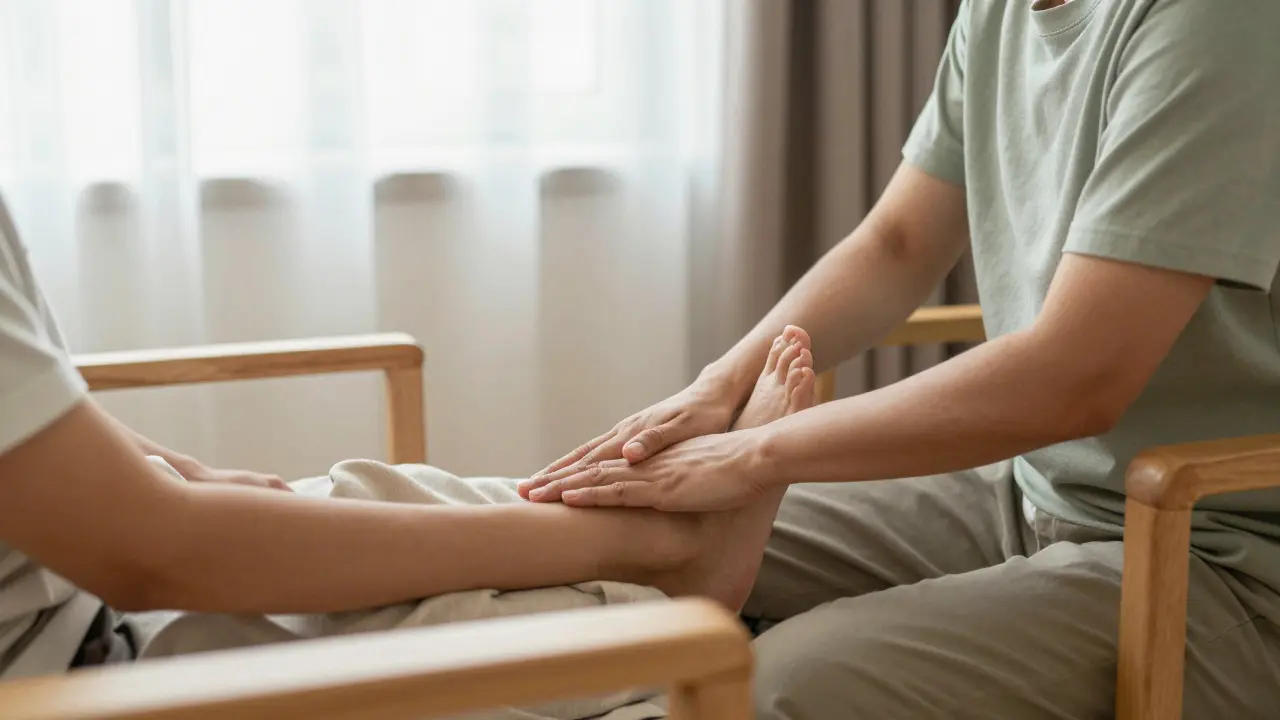
Furthermore, many palliative massage therapists teach simple techniques to family members. Learning how to gently hold a loved one’s hand, stroke their arm, or massage their feet empowers caregivers. It gives them a tangible way to show love when words fail. This shared activity strengthens bonds and provides a sense of purpose during a difficult time.
| Feature | Traditional Spa Massage | Palliative Massage |
|---|---|---|
| Primary Goal | Relaxation, fitness, aesthetics | Symptom relief, comfort, dignity |
| Pressure Level | Moderate to deep | Very light to moderate, highly variable |
| Duration | 60-90 minutes | 10-30 minutes, as tolerated |
| Environment | Spa, dim lighting, music | Hospital bed, home, hospital room, familiar surroundings |
| Practitioner Training | General massage therapy certification | Specialized training in oncology, geriatrics, or hospice care |
| Focus Area | Full body or problem areas | Hands, feet, face, arms (accessible areas) |
How to Access Palliative Massage
If you are considering this for yourself or a loved one, here are practical steps to get started:
- Talk to the Care Team: Discuss palliative massage with the primary physician or hospice coordinator. Ensure there are no contraindications (e.g., recent blood clots, open wounds, unstable fractures).
- Find a Certified Specialist: Look for therapists with certifications in oncology massage (like the Oncology Massage Certification Program) or geriatric massage. General massage therapists may lack the nuanced understanding required.
- Start Small: Begin with a short consultation. Allow the patient to meet the therapist, ask questions, and set boundaries. Trust is built slowly.
- Observe Reactions: After the first session, note changes in mood, sleep, and pain levels. Adjust frequency and technique based on feedback.
- Incorporate Home Care: Ask the therapist to demonstrate simple touches you can perform daily. Consistency matters more than intensity.
Insurance coverage varies. Some hospice programs include complementary therapies. Others may require out-of-pocket payment. However, many community organizations and charities offer grants or volunteer services for end-of-life care.
Common Misconceptions Debunked
Despite its growing acceptance, myths persist. Let’s address them directly.
"Massage spreads cancer." False. There is no scientific evidence that gentle massage causes cancer cells to metastasize. Cancer spreads through the bloodstream and lymphatic system due to biological factors, not mechanical pressure. In fact, improved circulation can help remove metabolic waste products.
"It’s too late for massage." False. Even in the active dying phase, touch remains powerful. A cool cloth on the forehead, gentle lip balm application, or holding hands can provide immense comfort. The focus shifts from tissue manipulation to pure presence.
"Only women need it." False. Men often suffer from similar isolation and pain issues. Touch transcends gender. Many male patients appreciate the non-sexual, respectful nature of clinical touch.
Is palliative massage safe for patients with low platelet counts?
Yes, but with extreme caution. Low platelets increase bleeding risk. Therapists should avoid deep pressure, friction, or tapping. Use only very light effleurage (gliding strokes) with hypoallergenic oil. Always consult the hematologist before starting. If bruising occurs easily, limit sessions to hands and feet.
Can I do palliative massage at home?
Absolutely. In fact, home-based massage is often preferred because it avoids travel stress. You don’t need expensive equipment. Just clean hands, warm lotion, and a quiet environment. Learn basic techniques from a certified therapist first to ensure safety. Focus on comfort, not correction.
How long does a typical session last?
Sessions are flexible. They can range from 10 minutes to 45 minutes, depending on the patient’s energy level. Often, shorter, more frequent sessions are better than one long appointment. The goal is to enhance comfort, not exhaust the patient.
Does insurance cover palliative massage?
Coverage varies widely. Some Medicare Advantage plans and private insurers cover complementary therapies if prescribed by a doctor. Hospice care sometimes includes it as part of holistic support. Check with your provider. Non-profit organizations may also offer financial assistance.
What if the patient is unconscious or unresponsive?
Touch can still be beneficial. Hearing is often the last sense to fade. Gentle hand-holding, facial misting, or soft stroking can convey care and reduce agitation. Speak softly during the process. The intention behind the touch matters, even if the patient doesn’t react visibly.
The hidden benefits of palliative massage lie in its simplicity. It doesn’t promise miracles. It promises presence. In a world that often rushes toward the next treatment or test, it pauses. It honors the body’s limits while celebrating its capacity for comfort. For patients, families, and caregivers alike, it is a reminder that even at the end, care continues-in every gentle touch.