
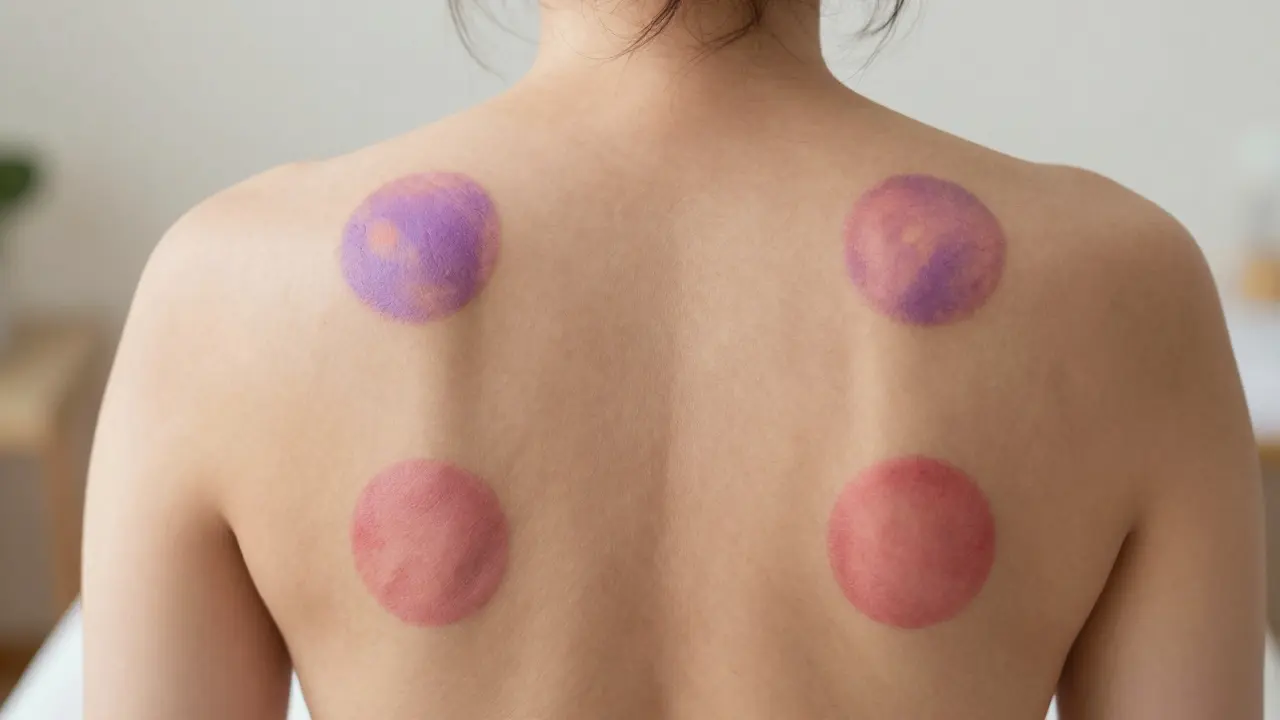
You’ve probably seen those circular bruises on athletes’ backs during major sporting events. It looks a bit like someone tried to suction-cup their way through your skin, but cupping therapy is actually an ancient healing practice with roots stretching back thousands of years. Today, it’s popping up in sports clinics, yoga studios, and wellness centers across the United States. But does it really work? And more importantly, is it safe?
If you’re considering trying this treatment for pain relief or general wellness, you need to know what happens under those glass or silicone cups. This guide breaks down the science, the sensations, and the reality behind the hype.
What Is Cupping Therapy Exactly?
Cupping therapy is a form of alternative medicine where a therapist puts special cups on your skin for a few minutes to create suction. Think of it as the opposite of a massage. Instead of pressing into your muscles, the therapist pulls the tissue upward. This negative pressure draws blood flow to the area, which proponents believe helps relieve muscle tension, promote blood flow, and encourage relaxation.
The practice dates back to at least 1550 BCE in Egypt. You’ll find references in traditional Chinese medicine (TCM) and Unani medicine systems. While the tools have evolved from animal horns and bamboo to modern medical-grade glass and silicone, the core mechanism remains the same: suction creates a localized inflammatory response that may trigger the body’s natural healing processes.
There are two main types you’ll encounter:
- Dry Cupping: The most common type. Cups are placed on the skin, air is removed to create a vacuum, and they stay there for 5-15 minutes.
- Wet Cupping (Hijama): Involves small incisions made in the skin before applying the cups to draw out a small amount of blood. This is less common in Western wellness centers due to infection risks and regulatory hurdles.
How Does It Actually Feel?
Let’s get the elephant in the room out of the way first: it doesn’t hurt. At least, not in the way you might think. When the therapist applies the cup, you’ll feel a strong pulling sensation on your skin and underlying fascia. Some people describe it as a deep stretch; others say it feels like being hugged by a very tight, warm hand.
During the session, the area under the cup becomes red and then darkens as capillaries expand and tiny amounts of blood pool in the tissue. This isn’t bruising in the traumatic sense-it’s subcutaneous hemorrhage caused by the suction breaking small capillaries. For most people, the sensation is soothing rather than painful. However, if you have sensitive skin or low pain tolerance, let your practitioner know. They can adjust the suction level.
After the cups are removed, you’ll be left with round marks. These aren’t scars. They’re temporary hematomas-similar to what you’d get from a firm hug or a seatbelt strap after a sudden stop. Depending on your circulation and skin sensitivity, these marks can range from light pink to deep purple. They usually fade within 3 to 7 days.
What Conditions Can Cupping Help With?
People turn to cupping for a variety of reasons. Here’s what the evidence-and anecdotal experience-suggests about its effectiveness:
| Condition | Evidence Level | Typical Outcome |
|---|---|---|
| Chronic Neck Pain | Moderate | Reduced stiffness and improved range of motion |
| Lower Back Pain | Moderate | Pain reduction comparable to standard care when combined with other therapies |
| Muscle Soreness (DOMS) | Mixed | Subjective feeling of relief; limited objective performance improvement |
| Fibromyalgia | Low-Moderate | Temporary symptom relief and improved quality of life |
| Asthma & Respiratory Issues | Low | Anecdotal reports of easier breathing; insufficient clinical data |
A 2018 systematic review published in *PLOS ONE* analyzed multiple randomized controlled trials and found that cupping provided significant short-term pain relief for chronic neck and lower back pain compared to no treatment or sham treatments. However, the long-term benefits remain unclear. Many patients report feeling “lighter” or more mobile immediately after a session, which may be partly due to the placebo effect or the relaxing nature of the treatment environment.
It’s worth noting that cupping is rarely used alone. Most practitioners combine it with acupuncture, massage, or physical therapy. This makes it hard to isolate cupping’s specific contribution, but it also suggests that it works best as part of a broader integrative approach.
Is Cupping Safe? Understanding the Risks
Like any bodywork therapy, cupping carries some risks. For healthy adults receiving dry cupping from a licensed professional, serious complications are rare. That said, you should be aware of potential side effects:
- Skin Irritation: The suction can cause mild burning, itching, or even blisters if left on too long or if the suction is too strong.
- Infection Risk: If hygiene standards aren’t followed-especially with wet cupping-there’s a risk of bacterial or viral transmission. Always ensure your practitioner uses sterile equipment and single-use needles if applicable.
- Bruising and Discomfort: The marks can be tender to the touch for a day or two. Avoid strenuous exercise directly over the treated areas until they heal.
- Contraindications: Cupping is not recommended for people with bleeding disorders, those taking blood thinners, pregnant women (on the abdomen/lower back), or individuals with open wounds, rashes, or varicose veins in the treatment area.
If you have diabetes or poor circulation, talk to your doctor first. Reduced sensation in extremities could mean you won’t feel if the suction becomes too intense, leading to skin damage.
What to Expect During Your First Session
Walking into a clinic for cupping can feel intimidating if you’ve never experienced it. Here’s a step-by-step breakdown of what typically happens:
- Consultation: A good practitioner will ask about your medical history, current symptoms, and goals. Be honest about medications, especially blood thinners.
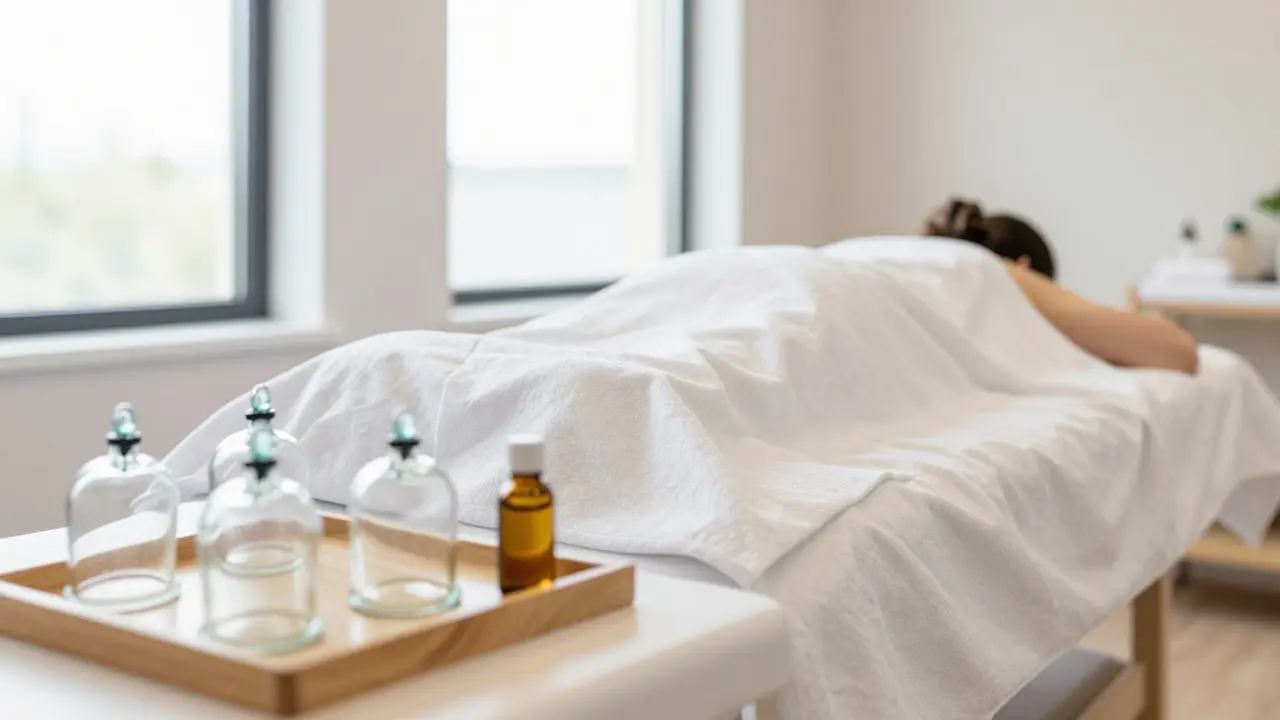
- Positioning: You’ll lie face down, on your side, or sit depending on the area being treated. Most sessions focus on the back, shoulders, or legs.
- Application: The therapist cleanses the skin, then applies oil or lotion to help the cups glide smoothly. They place the cups using either a flame method (for glass cups) or a pump (for silicone/plastic cups).
- Treatment Time: Cups stay in place for 5-15 minutes. You might hear a slight hissing sound as the seal holds. Relax and breathe deeply.
- Removal and Aftercare: The therapist releases the suction by tilting the cup slightly. You’ll see the circular marks immediately. They’ll give you aftercare instructions, such as drinking water and avoiding cold exposure to the area.
A typical session lasts 30-45 minutes, including consultation and cleanup. Costs vary widely depending on location and provider credentials. In urban areas like Portland or New York, expect to pay $75-$150 per session. Insurance rarely covers cupping unless it’s bundled with chiropractic or physical therapy services.

Who Should Try Cupping?
Cupping isn’t a cure-all, but it can be a valuable tool for certain groups:
- Athletes and Active Individuals: Those dealing with recurring muscle tightness or post-workout soreness often report faster recovery times.
- Office Workers: People who sit all day and develop upper back and neck tension may find relief from the myofascial release.
- Chronic Pain Sufferers: Individuals with fibromyalgia, arthritis, or persistent back pain who haven’t found relief through conventional methods alone.
- Wellness Enthusiasts: Those interested in holistic approaches to stress reduction and bodily awareness.
However, if you’re looking for quick fixes or dramatic transformations, cupping might disappoint. It’s subtle, gradual, and works best when paired with movement, hydration, and consistent self-care.
Finding a Qualified Practitioner
This is crucial. Not everyone who offers cupping is properly trained. Look for providers who hold certifications from recognized bodies such as the National Certification Commission for Acupuncture and Oriental Medicine (NCCAOM) in the U.S. or equivalent organizations in your country.
Ask questions:
- Are you licensed in your state?
- Do you use sterile, single-use equipment for wet cupping?
- Can you explain how cupping addresses my specific condition?
A reputable practitioner will welcome these questions and provide clear answers. If they seem dismissive or vague, keep looking. Your safety and comfort matter more than convenience.
Final Thoughts: Is Cupping Worth It?
Cupping therapy sits in that interesting space between ancient tradition and modern curiosity. While the scientific evidence supporting its efficacy is still growing, many people swear by its benefits for pain management and relaxation. The key is managing expectations. Don’t expect miracles overnight. Instead, view it as one piece of a larger puzzle involving lifestyle, movement, and mental well-being.
If you’re curious, go ahead and try it. Just make sure you choose a qualified professional, communicate openly about your needs, and listen to your body afterward. Whether you walk away with glowing skin and zero pain or just a nice story to tell friends, the experience itself can be surprisingly grounding.
Does cupping therapy leave permanent marks?
No, the circular marks left by cupping are temporary. They are essentially bruises caused by broken capillaries under the skin. Most marks fade within 3 to 7 days, though darker marks may take up to two weeks to disappear completely. Factors like skin tone, circulation speed, and suction intensity affect how quickly they heal.
How often should I get cupping therapy?
Frequency depends on your goals and condition. For acute pain or injury, weekly sessions for 2-4 weeks may be recommended. For maintenance or general wellness, once every 2-4 weeks is typical. Allow enough time between sessions for your skin to fully recover-usually at least 5-7 days-so the next round of suction doesn’t irritate already healing tissue.
Can I do cupping at home?
Yes, portable silicone cupping kits are available online and designed for home use. These are generally safer than glass cups because they don’t require fire and allow you to control suction manually. However, proper technique matters. Incorrect placement or excessive suction can cause burns or severe bruising. Start with gentle pressure and consult instructional videos from certified practitioners before attempting complex areas like the spine or joints.
Is wet cupping dangerous?
Wet cupping carries higher risks than dry cupping because it involves breaking the skin. Potential dangers include infection, anemia from excessive blood loss, and scarring if performed incorrectly. It should only be done by highly trained professionals in sterile environments using disposable needles. In many Western countries, regulations restrict who can perform wet cupping due to these safety concerns.
Does insurance cover cupping therapy?
Coverage varies significantly by insurer and plan. In the United States, most private insurance plans do not cover standalone cupping sessions. However, if cupping is administered by a licensed acupuncturist or physical therapist as part of a prescribed treatment plan for musculoskeletal conditions, some insurers may reimburse part of the cost. Always check with your provider beforehand and ask for CPT codes related to manual therapy or acupuncture.