
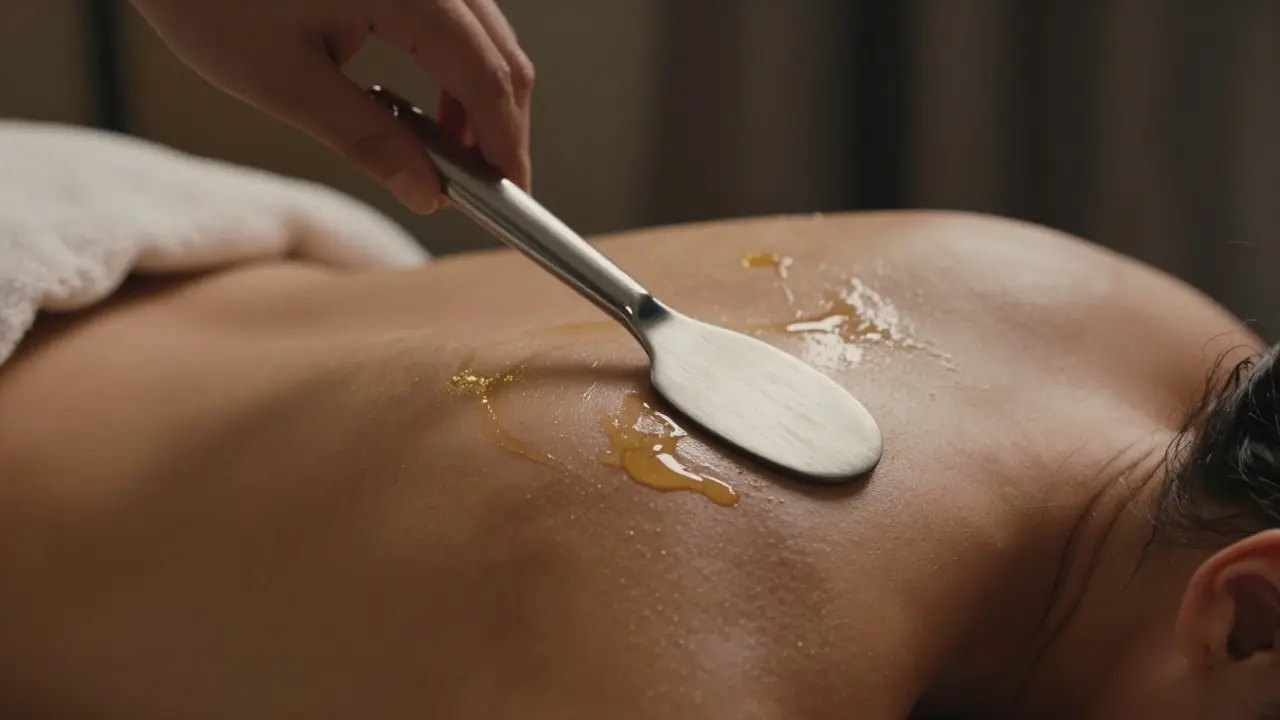
It is 3 AM. You are staring at the ceiling, your mind racing, and your body feels like it is made of lead. No matter how you position yourself, you cannot find a comfortable spot. This is not just stress; often, it is trapped tension in your fascia-the connective tissue that wraps around your muscles. If you have tried meditation or herbal tea without success, you might be missing a physical intervention. Knife massage, also known as Gua Sha or instrument-assisted soft tissue mobilization (IASTM), offers a mechanical solution to this biological problem.
This ancient technique, modernized with stainless steel tools, works by breaking up scar tissue and adhesions that restrict blood flow and nerve signals. When these restrictions are cleared, your nervous system can finally switch from "fight or flight" to "rest and digest." Here is how knife massage directly impacts your sleep architecture and what you need to know before trying it.
The Connection Between Fascia and Insomnia
To understand why knife massage helps you sleep, you first need to understand what keeps you awake. It is rarely just "stress" in the abstract sense. Often, it is chronic pain or subtle discomfort that prevents deep REM cycles. Your fascia is loaded with nociceptors-pain receptors. When fascia becomes stiff due to poor posture, injury, or repetitive strain, these receptors fire continuously.
This constant firing sends low-level alarm signals to your brainstem. Even if you do not consciously feel sharp pain, your central nervous system remains in a state of hyperarousal. This makes it difficult to fall asleep and easy to wake up during the night. Myofascial release via knife massage targets these specific trigger points. By physically scraping the skin and underlying tissue, the tool creates controlled micro-trauma. This triggers an inflammatory response that, paradoxically, leads to healing and relaxation. The result is a significant reduction in neural noise, allowing your parasympathetic nervous system to take over.
How Knife Massage Works Mechanically
You might wonder why a metal tool is better than hands. Hands are excellent for broad pressure, but they lack the precision needed to lift and separate layers of stuck fascia. A Stainless steel Gua Sha tool has edges designed to glide under the skin while lifting the tissue away from the muscle beneath. This action is called cavitation.
Here is the step-by-step process of what happens during a session:
- Application of Medium: Oil or lotion is applied to reduce friction. Without this, the skin tears rather than the fascia releasing.
- Angled Scraping: The practitioner holds the tool at a 15-45 degree angle. They apply firm, steady pressure and scrape toward the heart (lymphatic direction) or along the muscle fiber grain.
- Breaking Adhesions: As the tool moves, you will feel a gritty sensation. This is the feeling of fibrous adhesions breaking apart. It may sting, but it should not cause sharp, unbearable pain.
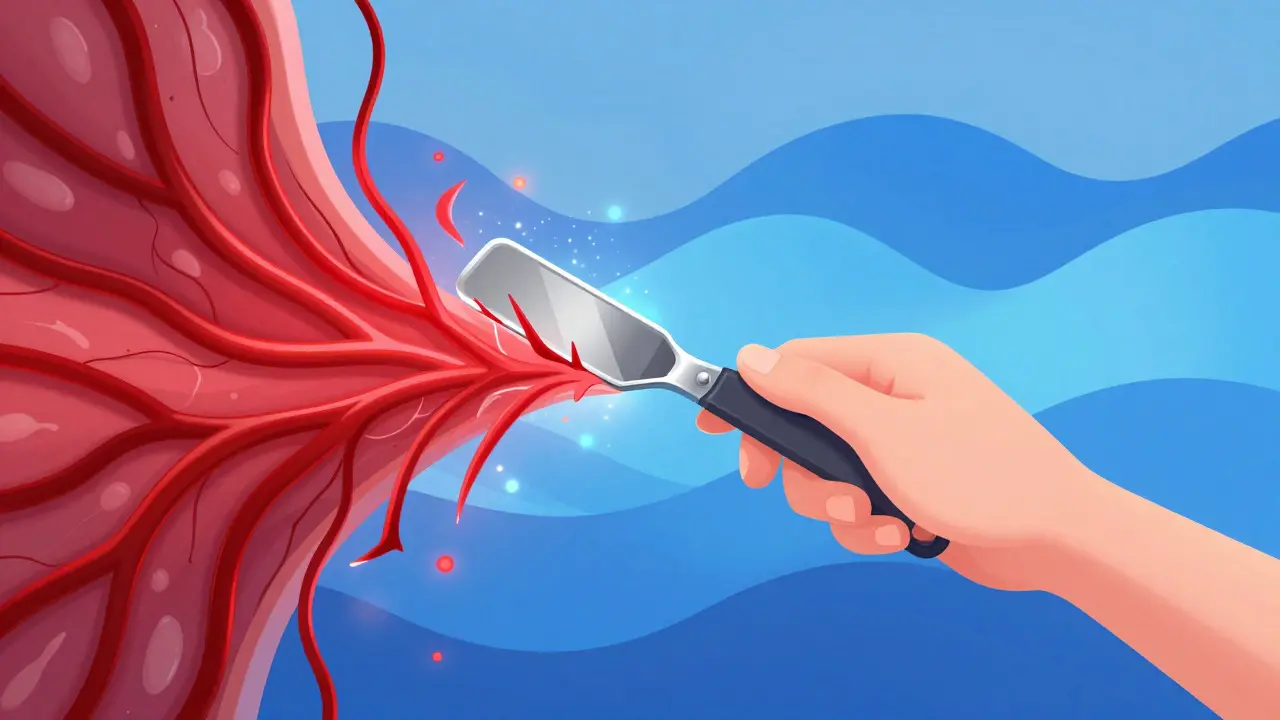
- Increased Circulation: The scraping causes capillaries to burst slightly, resulting in petechiae (red marks). This brings fresh oxygenated blood to the area, flushing out metabolic waste products like lactic acid.
- Nervous System Reset: The intense sensory input overrides pain signals and stimulates the vagus nerve, promoting immediate relaxation.
This mechanical breakdown of tension removes the physical barriers to rest. When your muscles are no longer guarding against perceived threats, your body can enter deeper stages of sleep more quickly.
Key Areas to Target for Better Sleep
Not all areas of the body contribute equally to sleep disturbances. If you want to use knife massage for insomnia relief, focus on these three high-impact zones:
| Body Area | Why It Matters for Sleep | Technique Tip |
|---|---|---|
| Upper Trapezius & Neck | Holds daily stress tension; tightness here restricts blood flow to the brain. | Use gentle pressure. Scrape downwards toward the shoulders. |
| Lower Back (Erector Spinae) | Chronic lower back pain is a leading cause of sleep fragmentation. | Scrape vertically along the spine (avoiding the bone itself). |
| Calves (Gastrocnemius) | Tight calves cause restless leg syndrome and cramping at night. | Scrape upwards toward the knee to improve venous return. |
Focusing on the neck and upper back is particularly effective because this region houses the sympathetic chain ganglia. Releasing tension here can directly lower your heart rate and cortisol levels. For many people, a ten-minute session on the trapezius muscles is enough to induce drowsiness within thirty minutes.
DIY vs. Professional Treatment
You do not need to visit a clinic every time you struggle with sleep. Many people now perform self-administered knife massage at home. However, there are distinct differences between DIY and professional treatment.
Professional Treatment: A licensed therapist understands anatomy deeply. They can identify deep-seated knots that you cannot reach or see. They use varying angles and pressures that might be unsafe for a layperson. This is ideal for acute injuries or severe chronic pain.
Self-Treatment: Buying a simple Gua Sha stone or stainless steel tool costs less than £20. You can incorporate this into your nightly routine. Use it on accessible areas like your arms, legs, and the surface of your neck. Avoid bony prominences and areas with thin skin, such as the collarbone or temples, unless you are experienced.
If you choose to do it yourself, consistency is key. Five minutes daily is more effective than one hour once a week. Make it part of your wind-down ritual, replacing screen time with tactile care.
Safety Precautions and Contraindications
While knife massage is generally safe, it is not suitable for everyone. Because it involves breaking small blood vessels and stimulating circulation, certain conditions require caution.
- Blood Thinners: If you take anticoagulants like Warfarin or Eliquis, consult your doctor first. The bruising effect (petechiae) can be excessive.
- Open Wounds or Infections: Do not scrape over cuts, rashes, sunburns, or active shingles.
- Bone Issues: Avoid direct pressure on broken bones, osteoporosis-prone areas, or recent surgical sites.
- Pregnancy: While gentle facial Gua Sha is often considered safe, deep tissue work on the abdomen and lower back should be avoided during pregnancy without medical clearance.
Always use a lubricant. Dry scraping damages the epidermis and can lead to infection or scarring. The goal is to move the fascia, not abrade the skin.
Integrating Knife Massage into Your Sleep Hygiene
Knight massage is not a magic pill. It works best when combined with other sleep hygiene practices. Think of it as removing the physical obstacles so that your mental habits can work effectively.
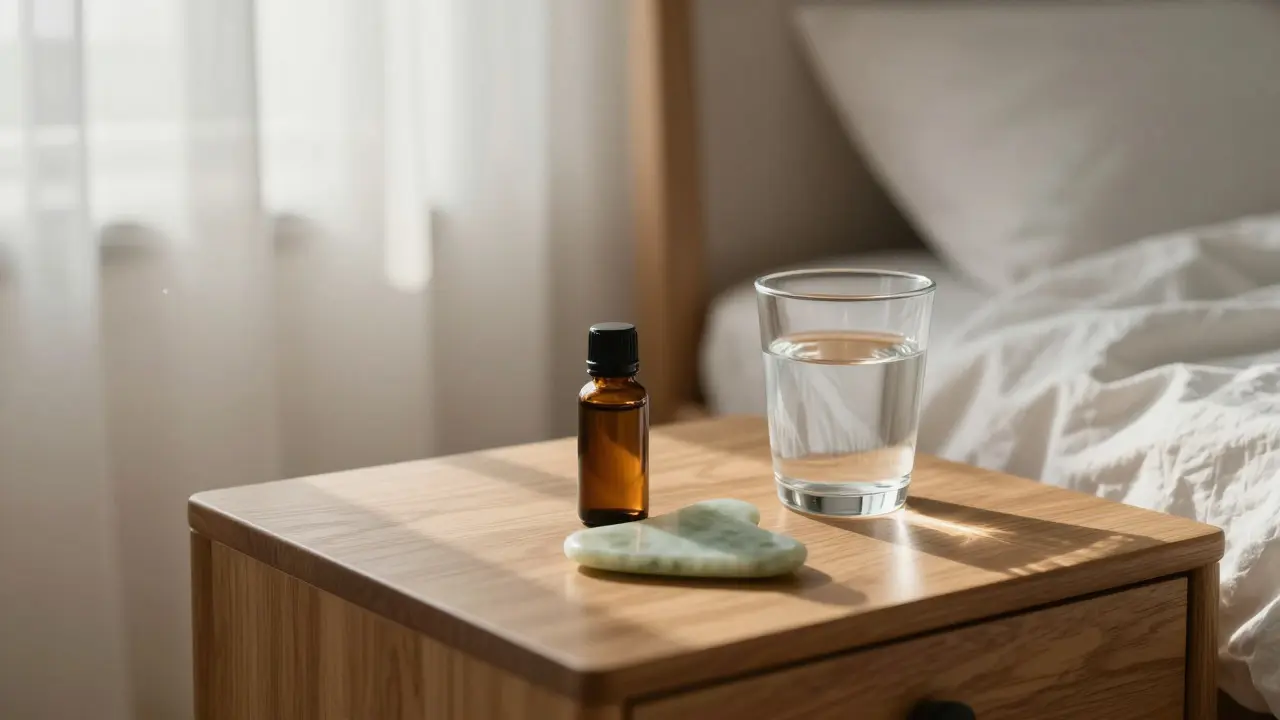
Create a pre-sleep protocol:
- Dim Lights: Reduce blue light exposure one hour before bed.
- Hydrate: Drink a small glass of water to support lymphatic drainage.
- Apply Tool: Spend 10-15 minutes scraping your neck, shoulders, and legs.
- Rest: Lie down immediately after. Your body temperature will drop slightly as blood flows to the surface, signaling sleep readiness.
Many users report that the first few sessions leave them feeling energized due to the adrenaline spike from the intensity. This is normal. Stick with it for two to three weeks. As the adhesions break down and circulation improves, the post-session feeling shifts from alertness to profound calm.
What to Expect After Your First Session
If you have never had knife massage, the experience can be surprising. You will likely see red marks, similar to mild hives or scratches. These are called "Sha." They usually fade within 24 to 72 hours. Do not panic; this is evidence that stagnation is being released.
You might feel soreness the next day, akin to post-workout fatigue. Drink plenty of water to help your kidneys filter the released toxins. Some people experience a temporary increase in urination or looser bowel movements as their body eliminates waste. Embrace this process. It is your body resetting its baseline tension levels.
Over time, you will notice fewer night wakings. Your sleep will feel more restorative. You will wake up with less stiffness in your joints and muscles. The combination of reduced pain and lowered cortisol creates a virtuous cycle for long-term sleep health.
Does knife massage hurt?
It can be uncomfortable, especially in areas with significant tension or scar tissue. You should feel a strong pressure and possibly a gritty sensation, but it should not be sharp or excruciating. Pain should be manageable, typically rated 3-6 out of 10. If it hurts too much, ask the practitioner to lighten the pressure or add more oil.
How often should I get knife massage for sleep?
For chronic insomnia or severe tension, weekly sessions for four to six weeks are recommended. Once your symptoms improve, you can switch to bi-weekly maintenance or daily self-care routines using a handheld tool.
Can I do knife massage on my face for sleep?
Yes. Facial Gua Sha is very gentle and can stimulate the vagus nerve through the ears and jawline. Use a jade or rose quartz stone with facial oil. Gently scrape from the center of your face outward. This reduces facial tension caused by clenching your teeth at night.
How long do the results last?
The immediate relaxation effect lasts several hours. However, the structural changes in your fascia are permanent until new adhesions form. To maintain better sleep, you must address lifestyle factors like posture and stress management alongside regular massage.
Is knife massage safe for everyone?
Most healthy adults can benefit from it. However, people with bleeding disorders, those on blood thinners, pregnant women, or individuals with fragile skin should consult a healthcare provider before starting treatment.