

Imagine lying on a warm table, feeling long, rhythmic strokes that seem to flow like ocean waves across your body. This isn't just a standard spa treatment; it is Lomi Lomi massage, an ancient Hawaiian healing practice that combines physical manipulation with spiritual intention. Unlike Western massages that often target specific knots or muscles, Lomi Lomi treats the entire body as one interconnected system. It is about more than just relaxation-it is a journey into deep restoration.
If you have ever felt stuck in chronic tension or emotionally drained, this traditional therapy might be exactly what you need. But before you book a session, let’s break down what makes this modality unique, how it works, and why it has gained such a devoted following among those seeking holistic health solutions.
What Exactly Is Lomi Lomi Massage?
The word "lomi" comes from the Hawaiian language, meaning "to knead," "to press," or "to rub." While many people associate massage with short, targeted movements, Lomi Lomi is defined by its long, gliding strokes. Practitioners use their forearms, hands, and sometimes even elbows to create continuous motion. Think of it less like working on a car engine and more like smoothing out a wrinkled sheet-gentle but firm, covering large areas at once.
This technique originated in Hawaii centuries ago. Traditionally, it was performed by healers known as kahuna lapaʻau. These weren't just massage therapists; they were spiritual guides who believed that physical ailments were often rooted in emotional or spiritual imbalance. Today, while some practitioners still incorporate chanting and prayer, most modern sessions focus on the physical and mental benefits without the religious elements. However, the core philosophy remains: the body heals itself when given the right environment.
| Feature | Lomi Lomi Massage | Swedish Massage |
|---|---|---|
| Stroke Style | Long, flowing, circular motions using forearms | Shorter, varied strokes using fingers and palms |
| Pressure Level | Moderate to deep, consistent throughout | Light to moderate, adjustable per area |
| Philosophy | Holistic: connects body, mind, and spirit | Physical: focuses on muscle relaxation and circulation |
| Duration of Strokes | Continuous, unbroken flows for minutes at a time | Intermittent, changing techniques frequently |
| Use of Oil | Heavy use of warm oil (often kukui nut) for glide | Moderate use of lotion or oil |
The Science Behind the Sensation
You might wonder if the spiritual aspects are just marketing fluff. The truth is, there is solid physiological science supporting why Lomi Lomi feels so effective. The primary mechanism is the stimulation of the parasympathetic nervous system. When you receive long, rhythmic touches, your body shifts out of "fight or flight" mode and into "rest and digest" mode. This lowers cortisol levels-the stress hormone-and increases serotonin and dopamine, which improve mood and reduce anxiety.
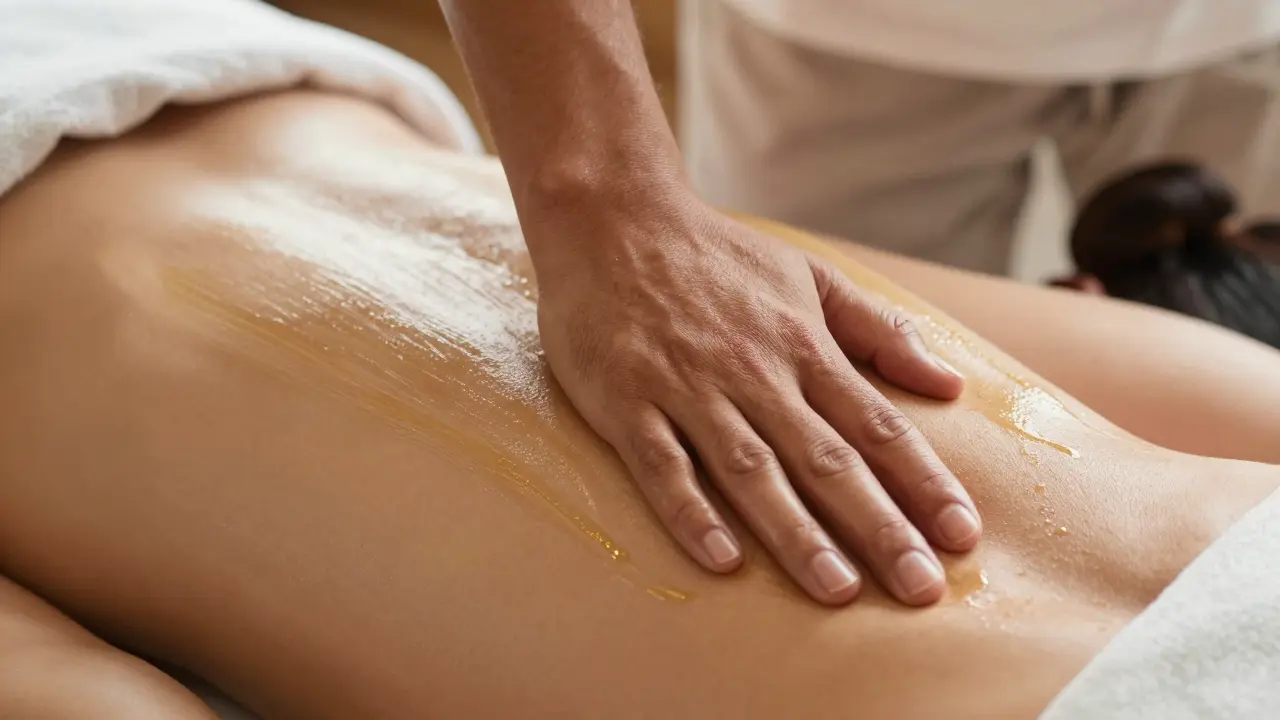
Another key factor is the temperature of the oil. In authentic Lomi Lomi, the therapist warms the oil extensively before applying it. Warm oil penetrates the skin deeper than cold oil, helping to relax tight muscles and improve blood flow. This thermal effect can be particularly soothing for people with conditions like fibromyalgia or chronic back pain, where cold triggers stiffness.
Furthermore, the use of forearms allows for broader pressure distribution. Fingers can dig in too sharply, causing micro-tears or discomfort. Forearms provide a wider surface area, delivering deep tissue benefits without the sharp intensity of thumb work. This makes Lomi Lomi ideal for people who want deep relaxation but find deep tissue massage too painful.
Who Benefits Most From Lomi Lomi?
Not every massage style suits every person. Lomi Lomi shines for specific groups. If you are dealing with high-stress jobs, emotional burnout, or general fatigue, this therapy offers a reset button. It is especially popular among:
- Chronic Pain Sufferers: Those with arthritis or lower back issues often report reduced pain after sessions due to improved circulation and muscle release.
- Anxiety and Depression Patients: The calming nature of the strokes helps regulate the nervous system, providing temporary relief from mental health symptoms.
- Athletes Recovery: While not as aggressive as sports massage, Lomi Lomi aids in flushing out lactic acid and restoring flexibility through gentle stretching integrated into the flow.
- People Seeking Emotional Release: Many clients experience crying or deep sighing during sessions. This is normal. The body holds trauma in tissues, and Lomi Lomi creates a safe space for that energy to release.
However, it may not be the best choice if you have acute injuries, broken bones, or open wounds. Always consult with your doctor before trying new therapies if you have serious medical conditions.
What to Expect During Your First Session
Walking into a Lomi Lomi session can feel different from a typical spa visit. Here is a step-by-step guide to help you prepare:
- Consultation: Before you undress, the therapist will ask about your health history, pain points, and goals. Be honest. If you hate heavy pressure, say so. If you have sensitive skin, mention it.
- Preparation: You will lie face down on the table. The room will likely be dimly lit with soft music playing. The therapist will warm the oil in their hands or a warmer.
- The Flow Begins: Expect no talking during the massage. Silence is part of the ritual. The therapist will start with broad strokes over your back, moving slowly toward your neck and shoulders.
- Turning Over: Halfway through, you will flip onto your back. The therapist continues the same flowing pattern on your legs, chest (draped properly), and arms.
- Closing: The session ends with gentle head and foot work. You will be left alone for a few minutes to reorient yourself before getting up.
One thing to note: you will get oily. That is intentional. The oil acts as a lubricant but also carries herbal properties. Don’t worry about staining your clothes; most spas provide robes or towels to wrap up in afterward.
Finding a Qualified Practitioner
Because Lomi Lomi is less common than Swedish or Deep Tissue massage, finding a skilled practitioner requires some research. Not everyone who calls themselves a "massage therapist" knows true Lomi Lomi. Look for these credentials:
- Certification: Check if they are certified by organizations like the American Massage Therapy Association (AMTA) or have specialized training in Hawaiian modalities.
- Experience: Ask how long they have been practicing Lomi Lomi specifically. Experience matters because the technique relies heavily on intuition and rhythm, which take years to master.
- Reviews: Read testimonials focusing on keywords like "flow," "relaxing," and "holistic." Avoid places that describe it as "intense" or "painful"-that suggests they are confusing it with deep tissue.
In Hawaii, authenticity is paramount. If you are traveling there, seek out local healers rather than resort spas, which often dilute the tradition for tourists. On the mainland, look for practitioners who emphasize the cultural roots of the practice.
Cost and Accessibility
Pricing varies widely based on location and expertise. In major cities like New York or Los Angeles, expect to pay between $150 and $300 for a 90-minute session. In Hawaii, prices can range from $100 to $250 depending on whether you are seeing a community healer or a luxury resort therapist. Insurance rarely covers Lomi Lomi unless prescribed for specific medical conditions, so check with your provider first.
To make it more accessible, consider booking regular sessions rather than occasional ones. Monthly treatments tend to yield better long-term results than sporadic visits. Some therapists offer package deals, which can save you 10-20%.

Self-Care Tips Inspired by Lomi Lomi
You don’t need a professional to enjoy some benefits of Lomi Lomi. Here are simple ways to bring its principles into your daily routine:
- Warm Oil Rubs: Use coconut or olive oil warmed slightly in your hands. Gently stroke your arms and legs before bed to promote sleep.
- Breathing Exercises: Pair slow, deep breaths with self-massage. Inhale as you raise your arms, exhale as you lower them. This mimics the rhythmic connection between touch and breath.
- Gratitude Practice: Lomi Lomi emphasizes intention. Spend five minutes each day acknowledging things you are grateful for. This mental shift supports the physical healing process.
Common Misconceptions About Lomi Lomi
There are several myths surrounding this therapy. Let’s clear them up:
- Myth: It is only for women. Fact: Men benefit just as much. The focus on stress reduction and muscle relaxation applies universally.
- Myth: It is sexual. Fact: Professional Lomi Lomi is strictly therapeutic. Any inappropriate behavior should be reported immediately. Reputable therapists adhere to strict ethical codes.
- Myth: It is too light to be effective. Fact: While gentle, the depth comes from consistency and duration, not force. It targets fascia and connective tissue effectively.
Conclusion: Is Lomi Lomi Right For You?
If you are looking for a quick fix for a sore shoulder, Lomi Lomi might not be the most direct route. But if you want to unwind completely, reconnect with your body, and address underlying stress patterns, it is unparalleled. It is an investment in your well-being that pays dividends in calmness and clarity.
Start small. Book one session. Pay attention to how you feel afterward-not just physically, but mentally. Many people describe feeling "lighter" or "clearer" for days after. That is the power of Lomi Lomi: it doesn’t just treat symptoms; it nurtures the whole person.
How long does a typical Lomi Lomi massage last?
Most sessions range from 60 to 90 minutes. Longer sessions allow for deeper relaxation and more comprehensive coverage of the body. Beginners often start with 60 minutes to see how they respond.
Is Lomi Lomi painful?
Generally, no. Lomi Lomi is designed to be soothing. While it can apply deep pressure, it avoids sharp or intense pain. If you feel discomfort, communicate with your therapist immediately.
Can I get Lomi Lomi if I have sensitive skin?
Yes, but inform your therapist beforehand. They can use hypoallergenic oils or adjust the pressure to suit your skin type. Kukui nut oil is common but may cause reactions in rare cases.
Does Lomi Lomi help with insomnia?
Many clients report improved sleep quality after sessions. The reduction in cortisol and increase in serotonin contribute to easier falling asleep and deeper rest. Regular sessions can establish a healthier sleep cycle.
What should I wear to a Lomi Lomi appointment?
Wear comfortable, loose clothing that is easy to remove. You will undress to your level of comfort (most people go fully nude under the sheets). The therapist will drape you with sheets and towels throughout the session for modesty.