
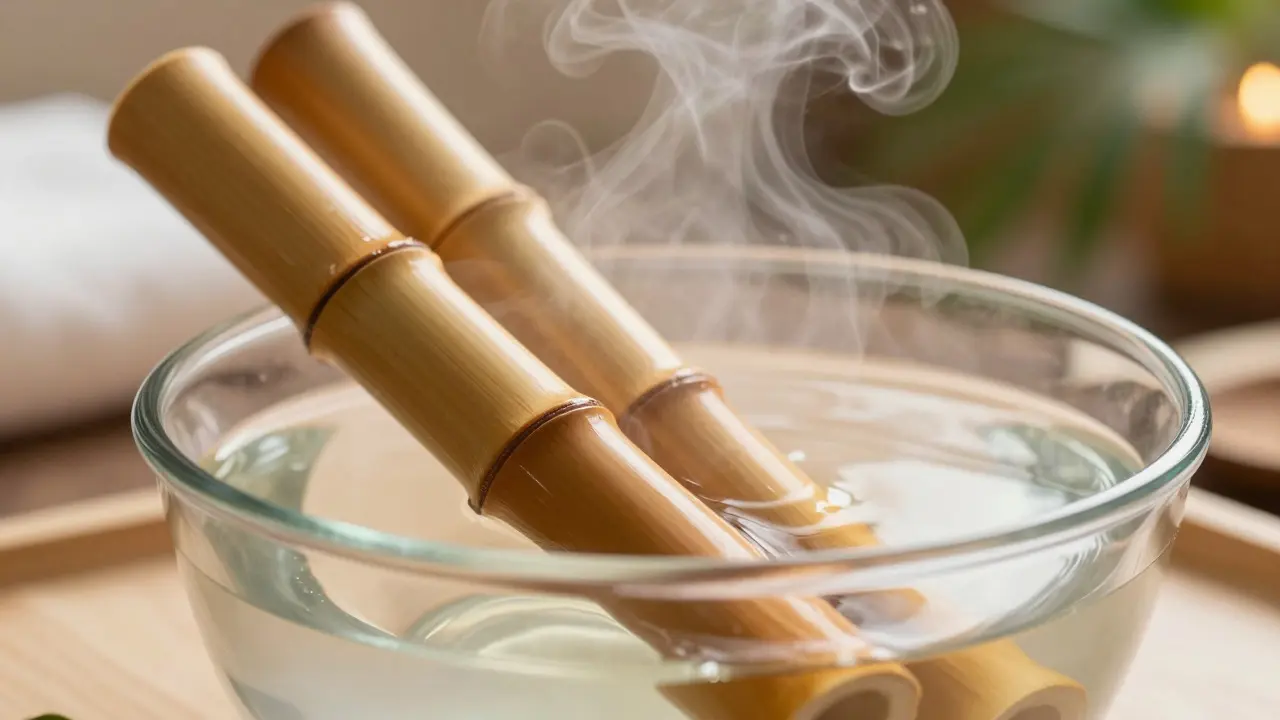
You’ve probably heard of hot stone massage or deep tissue work. But have you ever tried having heated bamboo poles rolled over your back? It sounds like something out of a tropical spa fantasy, but Creole bamboo massage is a real, tangible therapy with roots in the Caribbean. It’s not just about relaxation; it’s a dynamic blend of heat, pressure, and rhythm that can leave you feeling lighter than air.
If you’re curious about what this treatment actually involves, whether it’s right for your body type, or how to find a qualified practitioner, you’ve come to the right place. We’ll break down the history, the physical mechanics, and the specific benefits so you can decide if this unique modality deserves a spot in your wellness routine.
The Roots of Creole Bamboo Massage
To understand why this massage works the way it does, we need to look at where it came from. Creole culture is a cultural fusion resulting from centuries of interaction between African, European, Indigenous, and Asian peoples in the Caribbean region. This mix influenced everything from food and music to healing practices. In many Caribbean islands, particularly Haiti and parts of the French Antilles, healers used locally available materials to treat ailments. Bamboo was abundant, lightweight, and easy to heat. Over time, these folk remedies evolved into a structured therapeutic practice known today as Creole bamboo massage.
Unlike traditional Swedish massage, which relies heavily on the therapist’s hands, this method uses tools. The bamboo poles act as extensions of the therapist’s arms, allowing for deeper, more consistent pressure without straining their wrists. This isn’t just a gimmick; it’s a practical adaptation born from necessity and refined through generations of use.
How the Session Actually Works
Walking into a session might feel intimidating if you’re expecting gentle strokes. Creole bamboo massage is active. Here is what typically happens during a standard 60-minute treatment:
- Preparation: You lie face down on the table. The therapist heats smooth, hollow bamboo poles in warm water (usually around 110-120°F) to ensure they are comfortably hot but not burning.
- Application of Oil: Warm essential oil blends-often featuring eucalyptus, lavender, or local herbs-are applied to your skin. This reduces friction and allows the bamboo to glide smoothly.
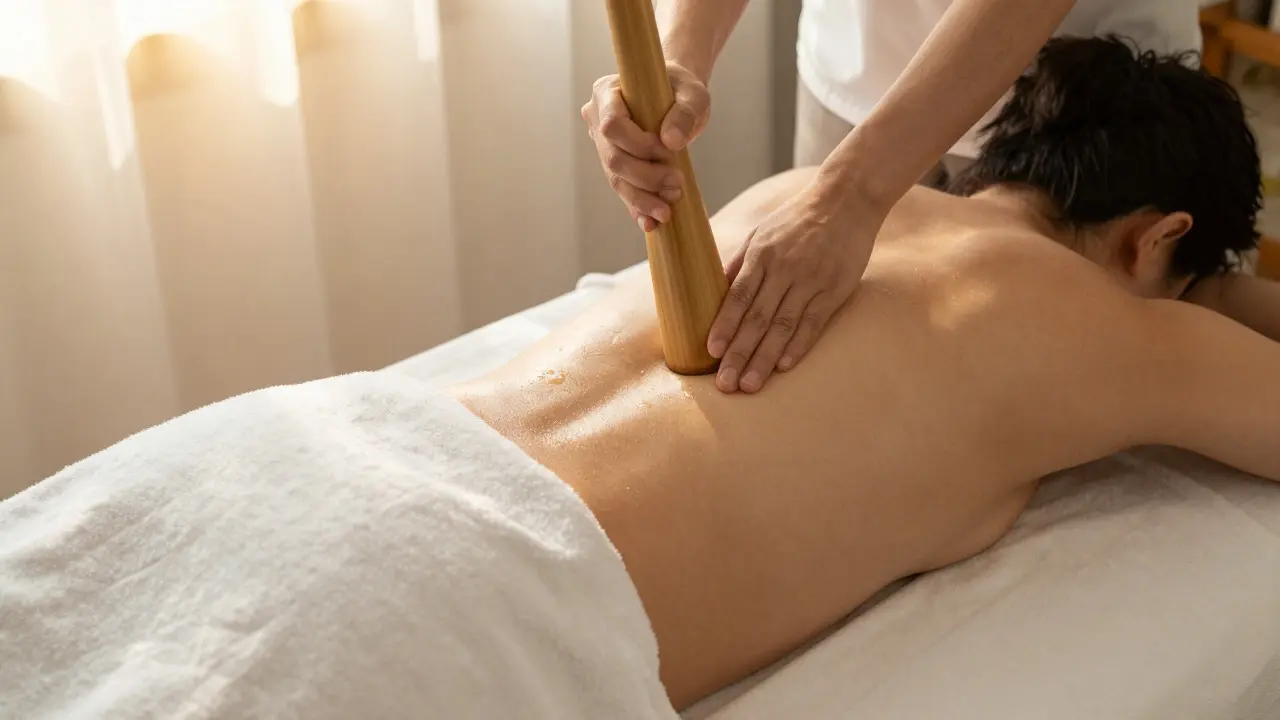
- Rolling and Gliding: The therapist uses long, sweeping motions along your legs, back, and arms. The heat penetrates the muscle tissue, while the rolling action helps release fascial restrictions.
- Targeted Pressure: For tighter areas, the therapist may apply static pressure by resting the end of the pole on a trigger point, using the heat to melt away knots.
- Cool Down: The session often ends with lighter hand massage to soothe the skin and help regulate your body temperature.
The key difference here is the combination of thermal therapy and mechanical compression. The heat expands blood vessels, increasing circulation, while the firm surface of the bamboo breaks up adhesions in the connective tissue. It’s a two-in-one approach that feels both soothing and invigorating.
Physical and Mental Benefits
Why choose bamboo over hands or stones? The answer lies in the specific physiological responses triggered by the treatment. Here are the primary benefits backed by client feedback and therapeutic principles:
- Deep Muscle Relaxation: The heat helps muscles relax faster than cold hands can achieve. This is particularly effective for chronic tension in the lower back and shoulders.
- Improved Circulation: The rhythmic rolling motion acts like a pump, encouraging venous return and reducing swelling in the limbs.
- Lymphatic Drainage: Lighter strokes with the bamboo can stimulate the lymphatic system, helping the body flush out toxins and reduce bloating.
- Pain Relief: Many clients report reduced pain from arthritis or fibromyalgia after regular sessions. The warmth provides immediate comfort, while the pressure releases endorphins.
- Mental Clarity: The sensory experience of heat and rhythm induces a meditative state, lowering cortisol levels and reducing anxiety.
It’s worth noting that this isn’t a passive nap. You will feel the work being done. If you’re someone who falls asleep immediately during a light touch massage, you might find this too stimulating. However, if you crave a massage that “does something” to your tight muscles, this is a strong contender.
Who Should Try It (And Who Should Skip It)
Like any bodywork, Creole bamboo massage isn’t for everyone. Knowing your own health history is crucial before booking an appointment.
| Client Profile | Suitability | Reasoning |
|---|---|---|
| Athletes with sore muscles | High | Heat and pressure aid recovery and reduce stiffness. |
| People with chronic stress | High | Thermal therapy promotes deep parasympathetic nervous system activation. |
| Those with sensitive skin | Low | Friction and heat may cause irritation or redness. |
| Recent surgery patients | Low | Increased circulation may worsen inflammation or bleeding risks. |
| Pregnant women | Moderate | Safe in second trimester with proper positioning; avoid abdominal heat. |
If you have open wounds, sunburns, or acute inflammatory conditions like gout flares, it’s best to wait. Always disclose any medical conditions to your therapist beforehand. A good practitioner will adjust the temperature and pressure accordingly or suggest an alternative modality.
Finding a Qualified Practitioner
Not every spa offering "bamboo massage" is doing it correctly. Some places use cold bamboo sticks or lack proper hygiene protocols. To ensure a safe and effective experience, look for these signs:
- Certification: Check if the therapist has specific training in Creole or bamboo modalities. General massage certification doesn’t always cover tool-based techniques.
- Hygiene Standards: Bamboo poles must be sanitized between clients. Ask how they clean them. Alcohol wipes aren’t enough; they should use hospital-grade disinfectants or autoclave-compatible methods.
- Temperature Control: The poles should be warm, not scalding. If the therapist doesn’t test the temperature on their own wrist first, that’s a red flag.
- Consultation: A professional will ask about your pain points, injuries, and preferences before touching you.
In major cities, specialized holistic centers often employ therapists trained in Caribbean traditions. If you’re traveling to the Caribbean itself, look for established spas in resorts or reputable clinics in urban areas like Port-au-Prince or Cap-Haïtien. Avoid street-side vendors unless you can verify their hygiene standards personally.
What to Expect Afterward
Post-massage feelings vary. Most people feel energized and loose. However, some experience mild soreness similar to post-workout fatigue. This is normal and usually resolves within 24 hours. Drink plenty of water to help your body process the metabolic waste released from the muscles. Avoid strenuous exercise for the rest of the day to let your nervous system settle.
If you notice excessive bruising or burns, contact your therapist immediately. Proper technique should never cause injury. Bruising indicates too much pressure or fragile capillaries, while burns mean the temperature was misjudged. Both are rare when performed by skilled hands.
Comparison: Bamboo vs. Hot Stone Massage
Many clients confuse Creole bamboo massage with hot stone massage because both use heat. But the mechanics differ significantly.
| Feature | Creole Bamboo Massage | Hot Stone Massage |
|---|---|---|
| Tool Shape | Long, cylindrical poles | Smooth, flat stones |
| Pressure Type | Rolling, gliding, linear | Static, compressive, point-specific |
| Heat Retention | Lower (requires reheating) | Higher (stones hold heat longer) |
| Best For | Fascial release, full-body flow | Deep relaxation, targeted trigger points |
| Intensity | Moderate to Firm | Gentle to Moderate |
If you prefer a slower, more meditative experience with less movement, hot stones might be better. If you want active manipulation of muscle groups and improved range of motion, bamboo wins.
DIY Tips for Home Care
You don’t need a spa visit to benefit from bamboo principles. While you can’t replicate the exact technique at home, you can mimic the effects:
- Use a Foam Roller: Heat a foam roller in hot water (if waterproof) or use a heated gel pack alongside it. Roll slowly over tight areas.
- Warm Compresses: Apply a warm towel to tense muscles before stretching. This mimics the pre-heating phase of the massage.
- Self-Massage Tools: Invest in a wooden massage stick or percussion gun. Use low settings and combine with heat packs for deeper penetration.
These methods won’t replace a professional session, but they help maintain muscle health between appointments.
Does Creole bamboo massage hurt?
It should not cause sharp pain. You may feel intense pressure or slight discomfort in tight areas, similar to deep tissue massage. Communicate with your therapist if the heat or pressure becomes unbearable. They can adjust the temperature or lighten their touch.
How often should I get a bamboo massage?
For general wellness, once a month is sufficient. If you’re dealing with chronic pain or athletic recovery, weekly or bi-weekly sessions may be beneficial. Listen to your body and avoid overdoing it, as frequent deep pressure can irritate tissues.
Is it safe for people with diabetes?
Caution is advised. Diabetics may have reduced sensation in their extremities, making them prone to burns from hot tools. Always inform your therapist and request lower temperatures. Consult your doctor before starting new therapies.
Can I wear clothes during the session?
Most practitioners recommend lying under a sheet with minimal clothing for direct skin contact, which maximizes heat transfer. However, you can opt for fully clothed sessions if you prefer modesty. The therapist will use a barrier cloth over your clothes.
Where did Creole bamboo massage originate?
It originated in the Caribbean, particularly Haiti and surrounding islands, blending African healing traditions with local resources. The term "Creole" reflects the cultural mixing that defined the region’s history.