
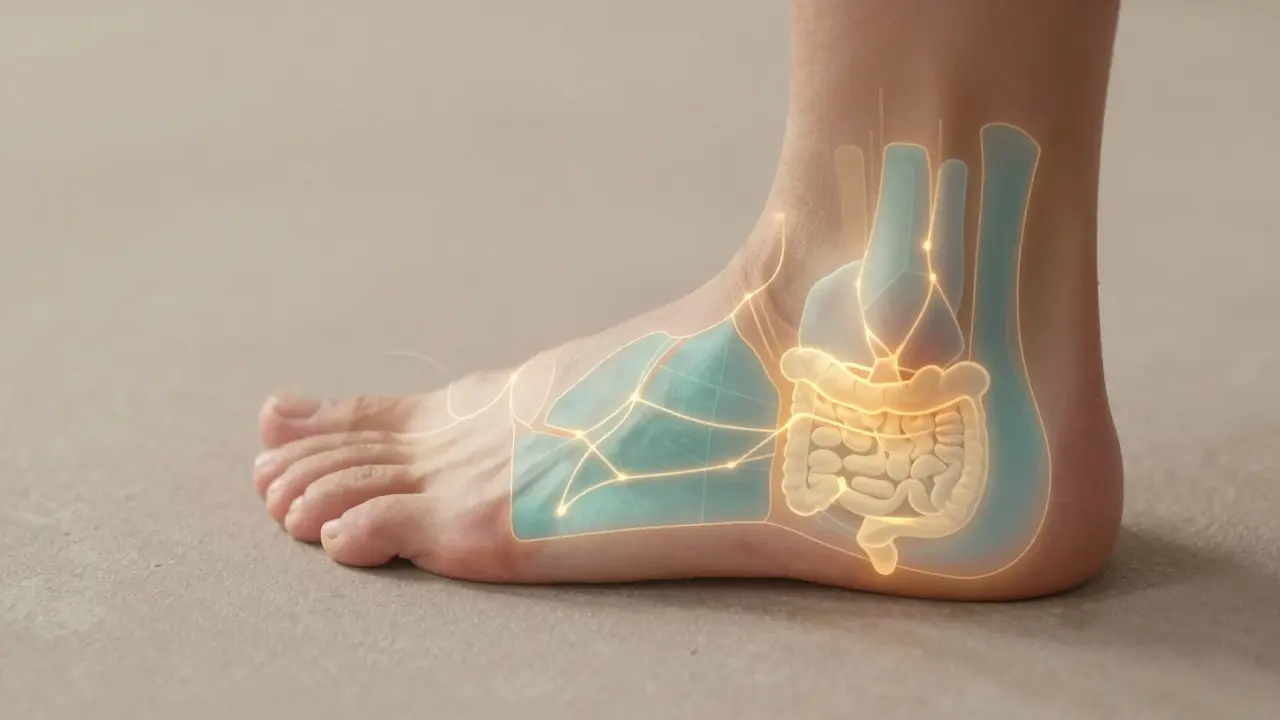
Have you ever noticed how a simple touch on your foot can make you sigh with relief? It’s not just in your head. For thousands of years, people have used pressure points on the feet to help the body heal itself. This practice is called reflexology, which is a complementary therapy that applies specific pressure to points on the feet, hands, and ears to promote health in corresponding organs and body parts. While it might sound like something out of an ancient text, modern clinics from London to New York are packed with people seeking its calming effects.
You don’t need to be a medical expert to understand why this works-or at least, why it feels so good. The idea is simple: your feet are like a map of your entire body. By pressing certain spots, you’re sending signals to other areas, helping them function better. Whether you’re dealing with chronic pain, sleepless nights, or just general burnout, understanding reflexology could change how you approach wellness.
The Map on Your Feet: Understanding Reflexology Zones
Imagine holding a tiny version of yourself in your hand. That’s essentially what a reflexologist sees when they look at your feet. The theory behind reflexology zones suggests that specific areas on the soles correspond to different organs and systems. For example, the ball of your foot connects to your chest and lungs, while the heel relates to the lower back and sciatic nerve.
- Big Toe: Connects to the head, brain, and pituitary gland. Pressing here often helps with headaches or sinus issues.
- Arch: Represents the digestive system, including the stomach, liver, and intestines. If you have bloating, this area might feel tender.
- Heel: Links to the lower spine, hips, and legs. Tightness here can signal lower back pain.
- Outer Edge: Corresponds to the arms and shoulders. Office workers who sit all day often find knots along this line.
This isn’t magic; it’s about energy flow. In traditional Chinese medicine, this energy is called "Qi" (pronounced chee). When Qi gets blocked, pain or illness follows. Reflexology aims to clear those blocks. Think of it like unclogging a drain in your kitchen-once the water flows freely, everything runs smoothly again.
Why People Choose Reflexology Over Other Therapies
If you’ve tried acupuncture, chiropractic care, or deep tissue massage, you know each has its place. But reflexology stands out for one big reason: it’s gentle yet powerful. You don’t need to undress completely, there are no needles, and it doesn’t require any movement from you. Just lie back, relax, and let someone else do the work.
| Therapy Type | Primary Focus | Invasiveness | Best For |
|---|---|---|---|
| Reflexology | Energy balance & organ support via feet/hands | Non-invasive | Stress relief, circulation, mild pain |
| Deep Tissue Massage | Muscle tension & structural alignment | Low (physical pressure) | Chronic muscle pain, injury recovery |
| Acupuncture | Nerve stimulation via needles | Moderate (needles) | Pain management, hormonal balance |
| Chiropractic Care | Spinal alignment & joint mobility | Moderate (adjustments) | Back pain, posture correction |
Many patients tell me they come to reflexology after exhausting other options. A teacher in Durham once told me she couldn’t stand through her classes due to knee pain. After three sessions of foot-focused therapy, she reported less stiffness and better sleep. Her doctor was skeptical, but the results were real. That’s the beauty of holistic approaches-they treat the whole person, not just the symptom.
Real Benefits Backed by Science and Experience
Skeptics love to say reflexology is just "a nice foot rub." And sure, it does feel amazing. But studies show more than relaxation happens during a session. Research published in the *Journal of Clinical Nursing* found that regular reflexology significantly reduced anxiety and improved quality of life in cancer patients undergoing chemotherapy. Another study showed decreased cortisol levels-the stress hormone-in participants after just one session.
Here’s what you can realistically expect if you start seeing a reflexologist:
- Better Sleep: Many clients report falling asleep faster and staying asleep longer within two weeks of starting treatments.
- Reduced Pain: From migraines to arthritis, targeted pressure can ease discomfort without medication.
- Improved Digestion: Stimulating the arches may boost gut motility and reduce bloating.
- Enhanced Circulation: Warmth returns to cold hands and feet almost immediately after treatment.
I’m not saying it cures cancer or replaces surgery. What I am saying is that it supports your body’s natural ability to heal. It’s a tool, not a miracle cure. Use it wisely, and pair it with healthy habits like hydration, movement, and balanced nutrition.
What Happens During Your First Session?
Walking into a new therapy space can feel intimidating. Will it hurt? Do I need special shoes? Here’s exactly what to expect so you can walk in confident.
- Consultation: Your therapist will ask about your health history, current symptoms, and goals. Be honest-even small details matter.
- Preparation: You’ll remove socks and shoes. Some places provide slippers; others let you keep bare feet exposed. Wear loose clothing if possible.
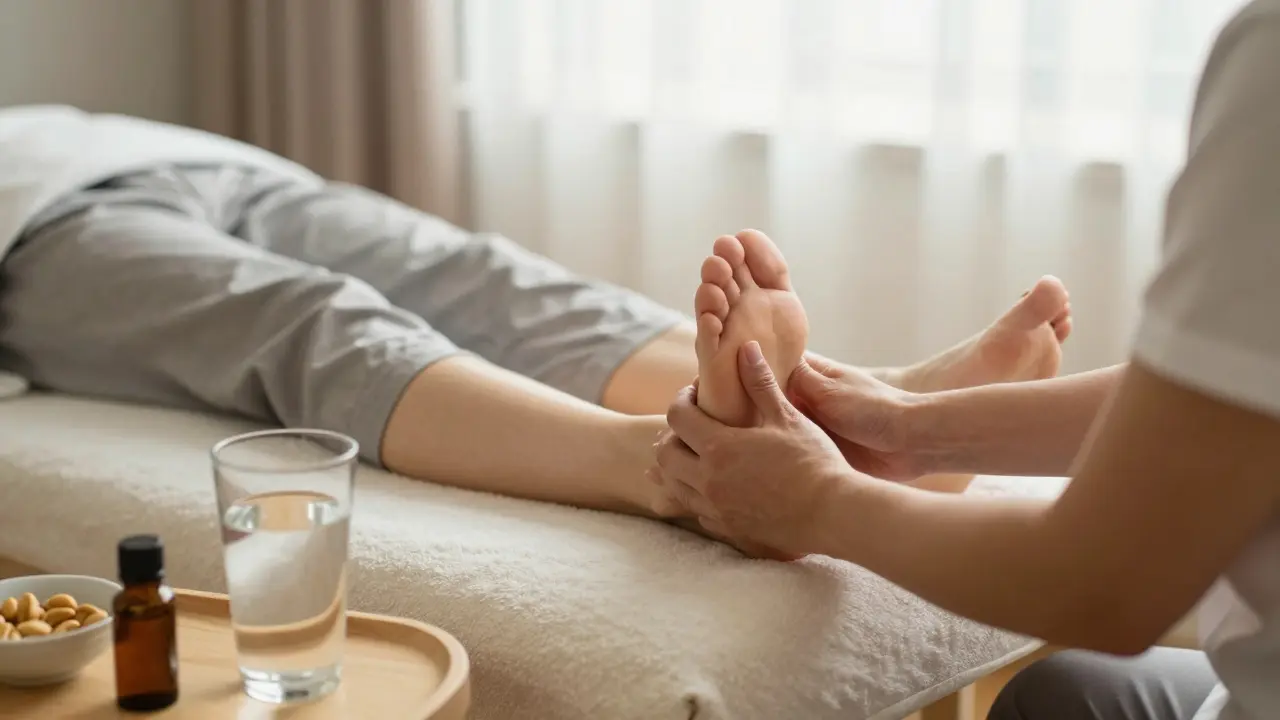
- The Treatment: Lying comfortably on a table, the therapist uses their thumbs and fingers to apply firm pressure to specific points. They might use lotion or oil to reduce friction. Each session lasts 45-60 minutes.
- Aftercare Advice: You’ll likely be told to drink plenty of water to flush toxins released during the process. Avoid heavy meals or alcohol for a few hours afterward.
Does it hurt? Not usually. You might feel tenderness in certain spots-that’s normal. Those are the areas needing attention. If it becomes sharp or unbearable, speak up. Good therapists adjust pressure based on your feedback.
Finding a Qualified Practitioner Near You
Not everyone calling themselves a "reflexologist" is trained properly. Look for certifications from recognized bodies like the International Association of Reflexologists (IAR) or local equivalent organizations in your country. In the UK, check if they’re registered with Complementary and Natural Healthcare Council (CNHC).
Ask these questions before booking:
- Are you certified and insured?
- How many years have you practiced?
- Do you tailor sessions to individual needs?
- Can I see references or reviews?
Avoid anyone promising quick fixes for serious conditions. Legitimate practitioners emphasize partnership with conventional medicine, not replacement.
DIY Reflexology: Safe Techniques for Home Use
You don’t need to pay £50 per session to benefit from reflexology. Simple self-massage techniques can deliver noticeable improvements. Start with your dominant foot and focus on one zone at a time.
Try this routine:
- Headache Relief: Press firmly into the center of your big toe for 30 seconds. Repeat on both feet.
- Digestive Boost: Rub the arch of your foot in circular motions for 2 minutes per side.
- Shoulder Tension: Trace the outer edge of your foot from heel to pinky toe using your thumb.
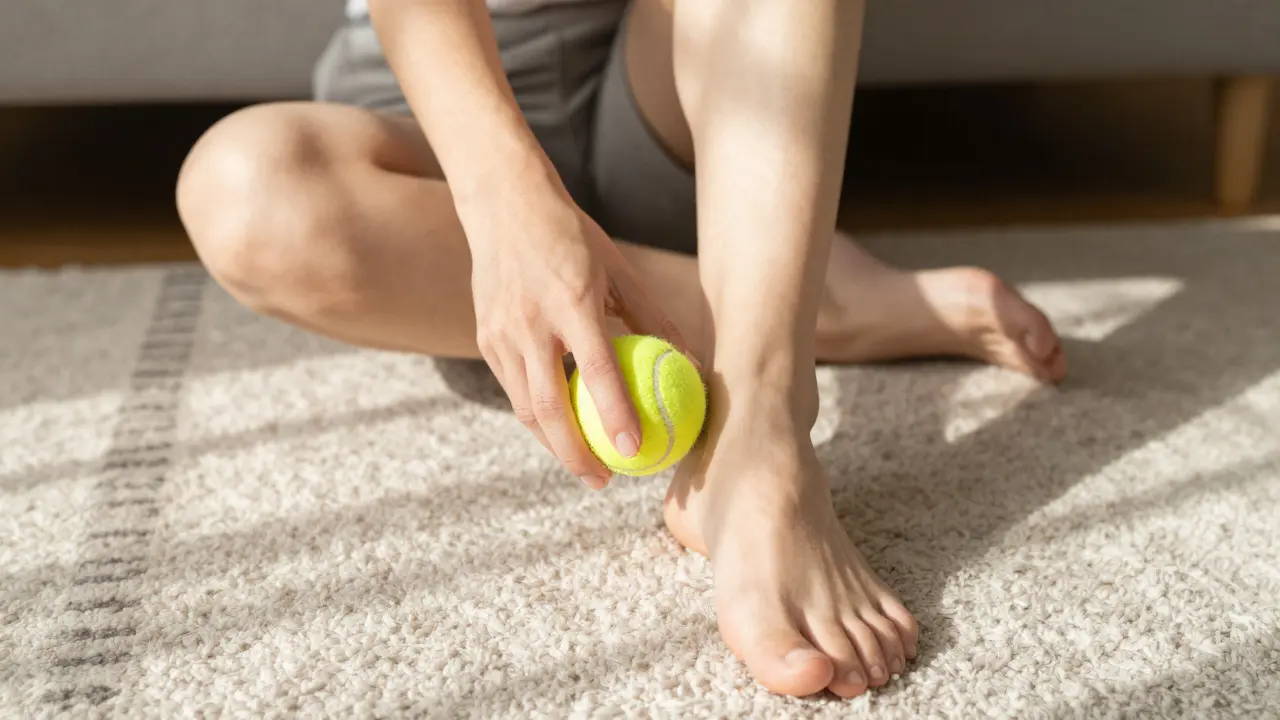
Use a tennis ball under your foot while sitting to roll over tight spots. Or invest in a reflexology mat-those spiky-looking boards designed to stimulate pressure points as you walk barefoot. Consistency matters more than intensity. Five minutes daily beats an hour once a month.
Common Myths Debunked
Misinformation spreads fast online. Let’s set the record straight.
Myth #1: Reflexology only works for foot problems.
False. While feet are primary access points, hands and ears also contain reflex zones. Hand reflexology is great for travelers or those with poor circulation in their legs.
Myth #2: It’s unscientific pseudoscience.
Partially true-but misleading. While we can’t measure "energy flow" directly, measurable outcomes exist: lowered heart rate, reduced inflammation markers, improved mood scores. Science validates experience even when mechanisms remain unclear.
Myth #3: Anyone can learn it overnight.
Dangerous assumption. Proper technique requires anatomical knowledge and sensitivity training. Self-taught enthusiasts risk causing harm by misidentifying zones or applying excessive force.
Is reflexology safe for pregnant women?
Yes, but with caution. Certain points on the ankles and wrists should be avoided as they may stimulate uterine contractions. Always inform your practitioner about pregnancy status and get clearance from your obstetrician first. Many midwives recommend gentle foot massage for swelling and insomnia during later trimesters.
How often should I receive reflexology treatments?
For acute issues like injury recovery or severe stress, weekly sessions for four to six weeks work best. For maintenance and prevention, monthly visits suffice. Listen to your body-if you feel drained after a session, space them out further.
Can children benefit from reflexology?
Absolutely. Kids respond well to lighter pressure and shorter durations (15-20 minutes). It helps with bedwetting, colic, anxiety, and improving focus. Ensure the therapist has pediatric experience and adapts techniques accordingly.
Does insurance cover reflexology?
Coverage varies widely. In the US, some HSA/FSA accounts allow reimbursement if prescribed by a physician. In the UK, private health plans occasionally include complementary therapies. Check with your provider beforehand and ask for itemized receipts specifying "therapeutic reflexology" rather than general wellness services.
What are the contraindications for reflexology?
Avoid treatment if you have open wounds, infections, blood clots, recent fractures, or active gout in the feet. Consult your doctor if you suffer from diabetes-related neuropathy since sensation loss increases injury risk. Never attempt self-reflexology on numb extremities.