
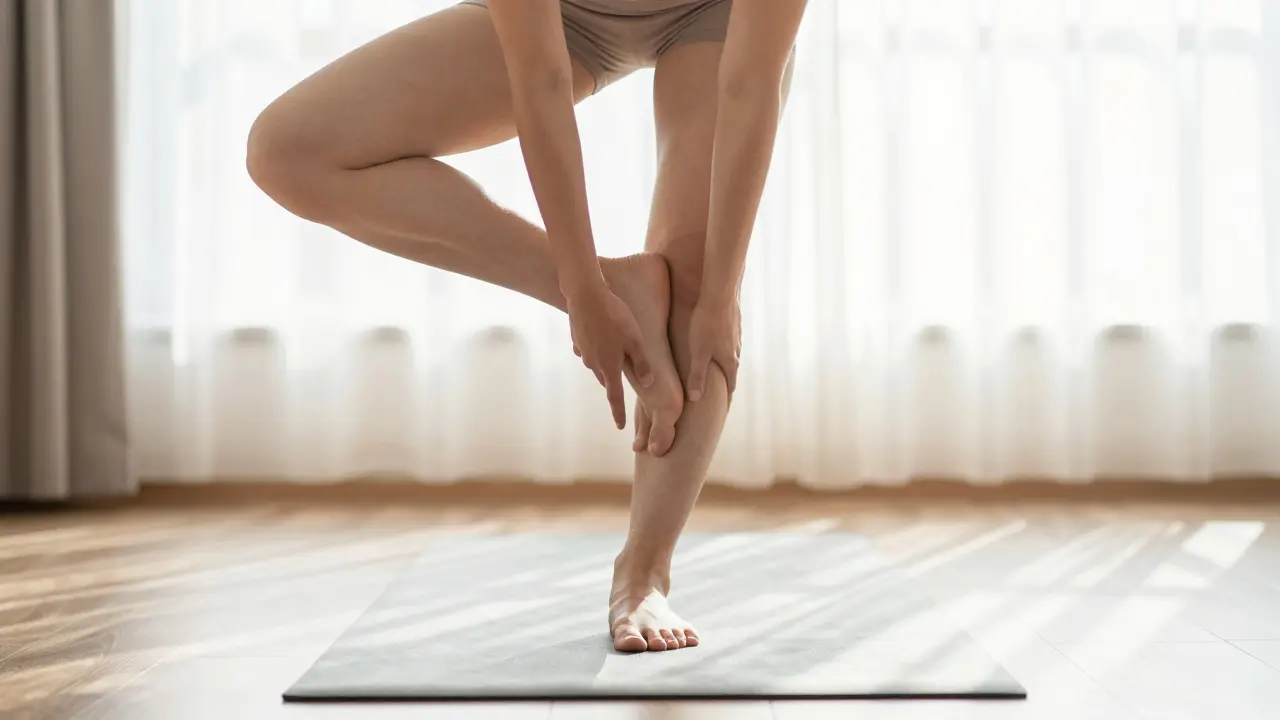
Imagine a practice that combines the deep relaxation of yoga with the targeted healing power of acupressure. This is not just a theoretical concept; it is Acu-Yoga, a holistic approach to health that merges ancient Chinese medicine principles with modern physical movement. If you have been feeling stuck in your fitness routine or struggling with chronic tension, this hybrid method might be the missing piece in your wellness puzzle. It offers a unique way to release stored energy, improve flexibility, and calm the nervous system all at once.
The beauty of Acu-Yoga lies in its simplicity. You do not need years of training to start seeing benefits. By holding specific yoga poses while applying pressure to key points on your body, you activate your body’s natural healing mechanisms. This guide will walk you through what Acu-Yoga is, how it works, and why it could be a game-changer for your daily well-being.
What Exactly Is Acu-Yoga?
At its core, Acu-Yoga is a therapeutic practice that integrates acupressure points into standard yoga postures. Traditional yoga focuses on breath, alignment, and flow to build strength and flexibility. Acupressure, rooted in Traditional Chinese Medicine (TCM), involves applying pressure to specific points on the body to unblock the flow of Qi (life energy). When you combine these two, you get a practice that targets both the muscular and energetic systems simultaneously.
Think about it this way: when you hold a forward fold, you are stretching your hamstrings. But if you also press into the center of your palm or the base of your skull during that pose, you are stimulating nerve endings that send signals directly to the brain to reduce stress. This dual action makes Acu-Yoga more than just exercise; it is a form of self-massage and meditation in motion.
The practice draws from several established disciplines:
- Yoga: Provides the structural framework and physical engagement.
- Acupressure: Offers the targeted stimulation of meridian points.
- Mindfulness: Ensures you stay present and aware of bodily sensations.
This combination creates a synergistic effect where the whole is greater than the sum of its parts. You are not just moving your body; you are tuning your internal environment.
The Science Behind the Practice
You might wonder if there is any real science backing up these ancient techniques. The answer is yes, though the research is often split between yoga studies and acupressure studies. However, the combined effects are well-documented in terms of physiological responses.
When you apply pressure to acupressure points, you stimulate sensory nerves. These nerves send signals to the central nervous system, which can trigger the release of endorphins-the body’s natural painkillers. At the same time, yoga poses help regulate the autonomic nervous system, shifting your body from a "fight or flight" state (sympathetic) to a "rest and digest" state (parasympathetic).
Consider the point known as LI4 (Hegu), located between your thumb and index finger. In TCM, this point is used to relieve headaches and facial tension. If you perform a gentle wrist stretch in yoga while consciously pressing this point, you are engaging both the musculoskeletal structure of the arm and the neural pathways associated with pain relief. Studies on acupressure have shown significant reductions in anxiety and depression symptoms, while yoga has proven effective for improving cardiovascular health and balance. Combining them amplifies these benefits.
Key Benefits for Your Well-Being
So, what can you actually expect from practicing Acu-Yoga? The benefits span physical, mental, and emotional domains. Here are some of the most impactful outcomes:
| Benefit Area | Specific Outcome | How It Works |
|---|---|---|
| Pain Management | Reduces chronic back and neck pain | Releases muscle knots and stimulates pain-relieving neurotransmitters |
| Stress Reduction | Lowers cortisol levels | Activates the parasympathetic nervous system through breath and pressure |
| Digestive Health | Improves gut motility | Stimulates abdominal organs and related meridian points |
| Emotional Balance | Alleviates anxiety and mood swings | Regulates energy flow and promotes mindfulness |
| Fatigue Relief | Boosts energy levels | Unblocks stagnant Qi and improves circulation |
One of the standout advantages is its accessibility. Unlike high-intensity workouts that require equipment or perfect form, Acu-Yoga can be adapted to any fitness level. Whether you are a seasoned yogi or someone who has never touched a mat, you can modify the poses and pressure points to suit your needs.
Getting Started: Simple Acu-Yoga Poses
You do not need a special studio to begin. You can start with three simple poses that incorporate acupressure points. Remember, the goal is not perfection but awareness. Move slowly, breathe deeply, and focus on the sensation of pressure.
- Mountain Pose with Foot Pressure: Stand tall with your feet hip-width apart. Shift your weight slightly to one foot and press firmly into the center of your sole (the Yongquan point, KI1). This point is linked to grounding and kidney energy. Hold for 30 seconds, breathing deeply, then switch sides. You should feel a calming sensation spread through your legs.
- Child’s Pose with Forehead Rest: Kneel on the floor and fold forward, resting your forehead on the mat. Place your hands on either side of your head. Gently press your fingertips into the temples (Taiyang points). This helps relieve tension headaches and calms the mind. Stay here for 1-2 minutes.
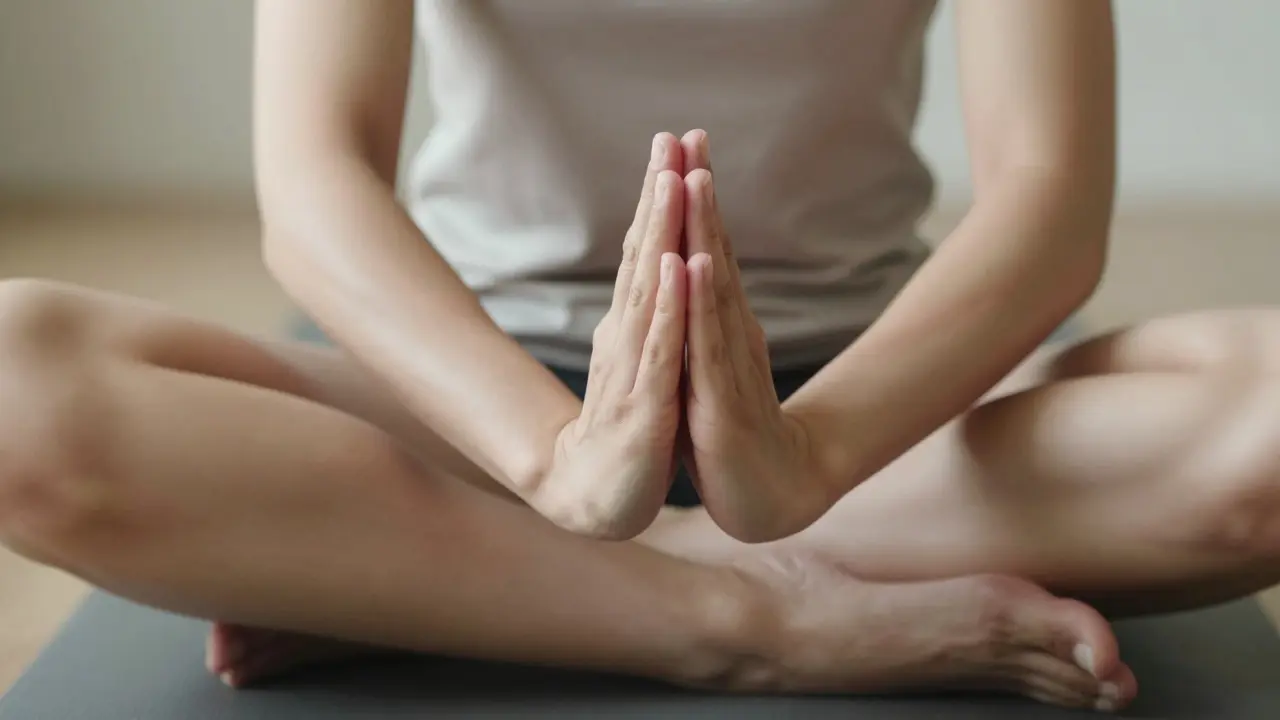
- Seated Forward Fold with Palm Press: Sit with your legs extended. Hinge forward from the hips. As you reach towards your toes, press your palms together firmly. Focus on the inner wrists (Pericardium 6 point, PC6), which is famous for reducing nausea and anxiety. Hold for 5-10 breaths.
These poses are just the beginning. The key is to explore different points as you move through your routine. Over time, you will develop a deeper connection with your body’s energy map.
Integrating Acu-Yoga Into Your Daily Routine
To see lasting results, consistency is crucial. You do not need to dedicate an hour every day. Even 10-15 minutes can make a difference. Here are some tips for building a sustainable habit:
- Morning Ritual: Start your day with gentle stretches and foot pressure to wake up your energy system without jarring your body.
- Work Breaks: Use seated acu-yoga poses during work breaks to relieve eye strain and lower back tension.
- Evening Wind-Down: End your day with restorative poses and temple pressure to prepare for sleep.
Listen to your body. If a certain point feels too sensitive, ease off. Acu-Yoga is about working with your body, not forcing it. Also, consider keeping a journal to track how you feel after each session. You might notice patterns, such as reduced anxiety after morning sessions or better sleep after evening practices.

Common Misconceptions About Acu-Yoga
Like any alternative therapy, Acu-Yoga comes with its share of myths. Let’s clear up a few common misunderstandings:
Myth 1: You need to be flexible to practice. Flexibility is a result of practice, not a prerequisite. Acu-Yoga welcomes all bodies. The pressure points work regardless of your range of motion.
Myth 2: It replaces medical treatment. While powerful, Acu-Yoga is complementary. It supports overall health but should not replace professional medical advice for serious conditions. Always consult your doctor before starting new therapies, especially if you have chronic illnesses.
Myth 3: It is only for spiritual seekers. You do not need to believe in Qi or meridians to benefit. The physiological effects-such as improved circulation and reduced stress hormones-are measurable and accessible to everyone, regardless of their spiritual beliefs.
Who Should Try Acu-Yoga?
Acu-Yoga is suitable for a wide range of people. It is particularly beneficial for those dealing with:
- Chronic stress or burnout
- Sedentary lifestyles causing stiffness
- Mild anxiety or insomnia
- Repetitive strain injuries from typing or manual labor
If you have acute injuries, open wounds, or severe medical conditions, proceed with caution. Avoid applying pressure directly over injured areas. Pregnant women should also avoid certain points, such as LI4 and SP6, which can stimulate uterine contractions. Always seek guidance from a qualified practitioner if you are unsure.
Final Thoughts on Your Wellness Journey
Enhancing your well-being does not always require drastic changes. Sometimes, it is about finding small, powerful practices that fit seamlessly into your life. Acu-Yoga offers exactly that-a blend of movement, touch, and mindfulness that nurtures both body and mind. By incorporating these techniques, you take an active role in your health, empowering yourself to manage stress, pain, and fatigue naturally.
Start small. Be patient. And most importantly, listen to your body. The journey to better well-being is personal, and Acu-Yoga provides a versatile toolkit to support you along the way.
Is Acu-Yoga safe for beginners?
Yes, Acu-Yoga is generally safe for beginners. Since it involves gentle movements and self-applied pressure, you can easily adjust the intensity. Start with basic poses and light pressure, gradually increasing as you become more comfortable. Always listen to your body and stop if you feel pain.
How long does it take to see results from Acu-Yoga?
Results vary depending on the individual and the condition being addressed. Some people feel immediate relaxation and stress relief after the first session. For chronic issues like back pain or anxiety, consistent practice over 4-6 weeks is typically needed to notice significant improvements.
Can I practice Acu-Yoga if I have arthritis?
You can practice modified Acu-Yoga with arthritis. Focus on gentle movements and avoid putting excessive pressure on inflamed joints. Seated poses and hand-based acupressure are often manageable. Consult your healthcare provider to ensure it is appropriate for your specific condition.
Do I need special equipment for Acu-Yoga?
No special equipment is required. A yoga mat is helpful for comfort, but you can practice on a carpet or soft surface. Your hands are the primary tool for applying acupressure. Optional props like cushions or blocks can aid in maintaining proper alignment if needed.
What is the difference between Acu-Yoga and regular yoga?
Regular yoga focuses primarily on physical postures, breath control, and mental focus. Acu-Yoga adds the layer of acupressure, where you intentionally press specific points on your body during poses. This targets the body's energy meridians and nervous system more directly, offering enhanced therapeutic benefits for pain and stress.
Are there any acupressure points I should avoid?
Yes, certain points should be avoided, especially if you are pregnant. Points like LI4 (between thumb and index finger) and SP6 (inner ankle) can stimulate uterine contractions. Additionally, avoid pressing directly on open wounds, bruises, or areas of acute inflammation. When in doubt, consult a certified acupressure practitioner.