
Acu-Yoga: Gentle acupressure with simple yoga moves
Acu-Yoga links a few well-known acupressure points with basic yoga postures so you can get fast relief without needles or special tools. It’s a practical routine you can do at home, at your desk, or before bed. Start small: two to ten minutes a day. The goal is to reduce tightness, calm your nervous system, and sharpen focus.
Three points matter most for beginners. Pericardium 6 (P6) sits two finger widths above the wrist on the inner forearm and helps calm nausea and anxiety. Large Intestine 4 (LI4) is in the web between thumb and index finger and eases headaches and facial tension—avoid LI4 in pregnancy. Kidney 1 (KD1) is on the sole near the ball of the foot and helps ground scattered energy. Learn to locate these points by touch, pressing gently until you feel a mild ache or a change in tension.
Quick Acu-Yoga sequence you can try
Start seated with feet grounded. Take three slow breaths to arrive. Press P6 with the thumb of your opposite hand for 30 to 60 seconds while doing slow seated cat-cow movements: inhale to lift the chest, exhale to round the spine. Move to a gentle seated twist and press LI4 with light steady pressure while you twist to each side for three breaths. Finish standing with feet hip-width apart; press KD1 under the ball of the foot or rub the sole while rising onto the toes and lowering back down slowly for five breaths.
Keep the pressure steady, not painful. Breathe slowly and match your moves to the breath—inhale to lengthen, exhale to deepen the press or fold. For neck tension, add shoulder rolls while holding LI4 for one minute. For low back tightness, rest in child’s pose and press P6 on both forearms. Small changes matter: shorter, consistent sessions beat rare long efforts.
Safety tips and how to build a habit
Don’t press hard enough to cause sharp pain or bruising. If you have a medical condition, check with a practitioner before trying new point work. Pregnant people should skip LI4 unless cleared by their care provider. Start with three minutes daily and add time as you feel comfortable. Track what helps: note which point and pose reduced your headache, anxiety, or stiffness. Repeat the same combo for a week to see real changes.
Acu-Yoga is a low-cost, practical tool for stress, mild pain, and focus. Use it as a quick reset at your desk, a calming routine before meetings, or a short ritual before sleep. If a symptom continues or worsens, consult a healthcare professional. Try this simple plan for a week and notice small but useful improvements in how you feel and move.
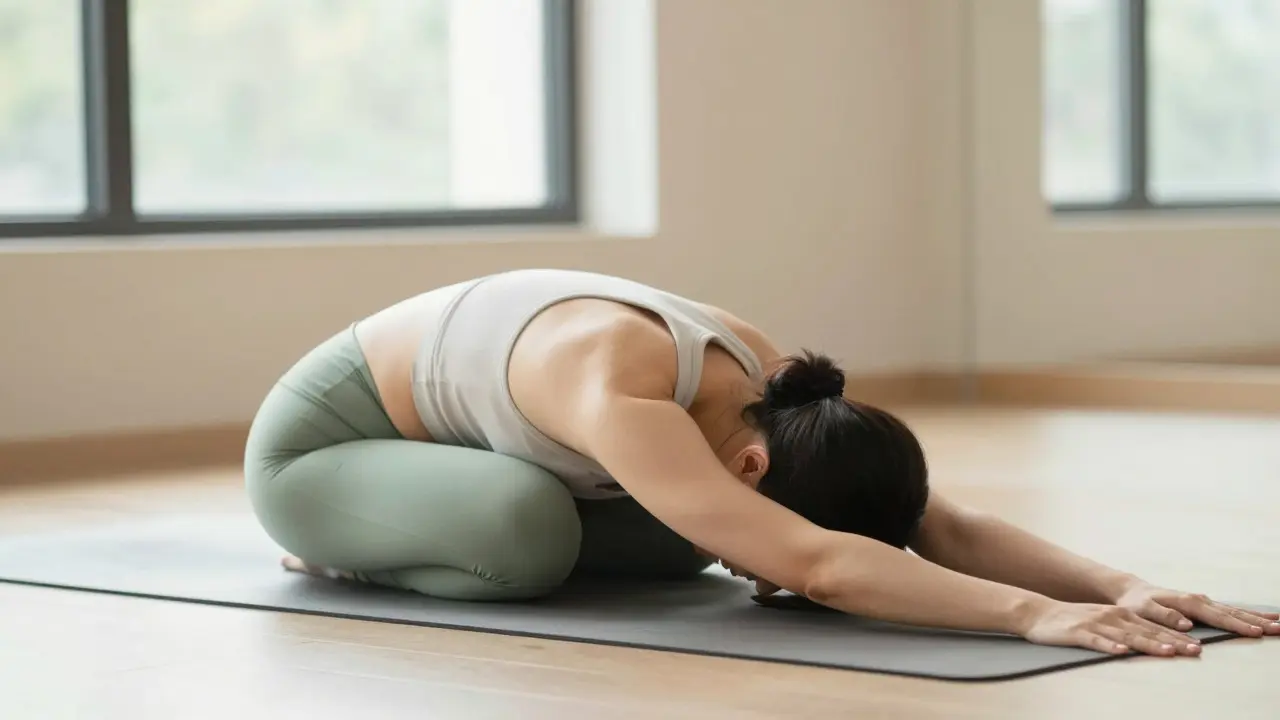
Acu-Yoga: How Acupressure and Yoga Reduce Chronic Pain
Discover how Acu-Yoga combines yoga and acupressure to manage chronic pain. Learn key poses, safety tips, and cost comparisons for effective holistic relief.
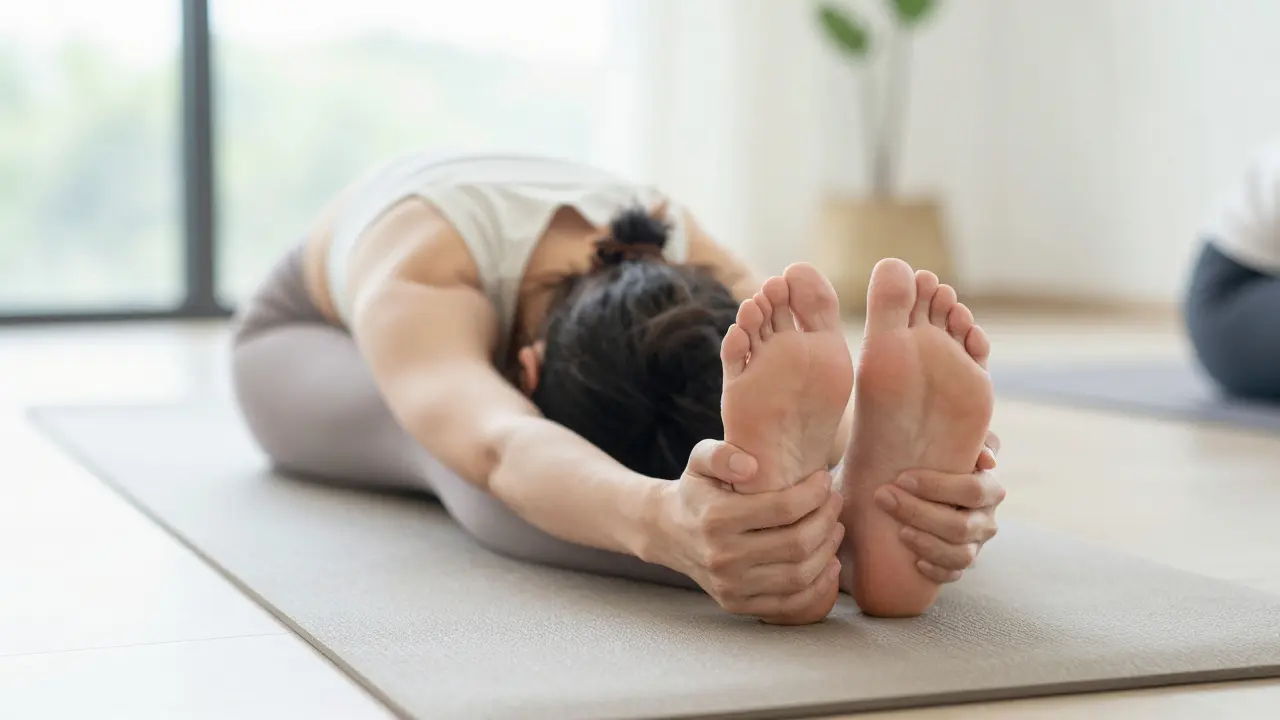
Acu-Yoga Explained: Benefits, Techniques, and What to Expect
Discover Acu-Yoga, a fusion of yoga and acupressure. Learn how this holistic practice reduces pain, stress, and improves flexibility with simple techniques.
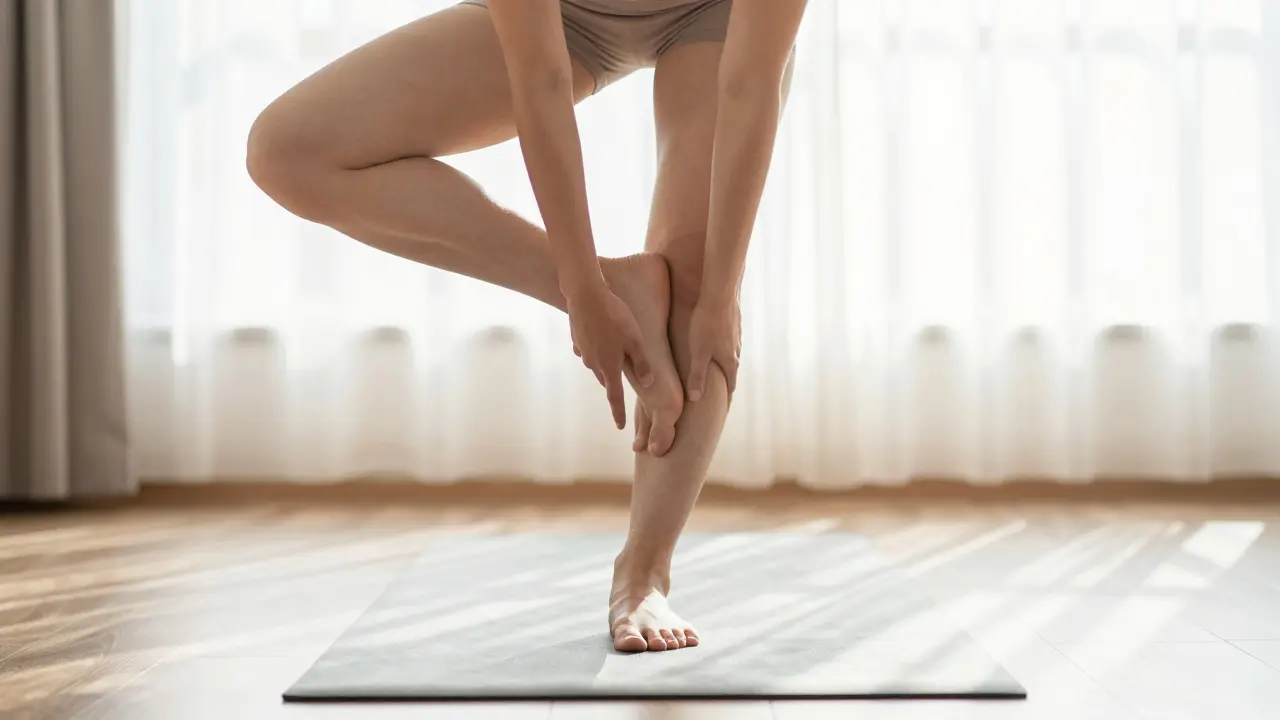
How Acu-Yoga Can Enhance Your Well-Being: A Complete Guide
Discover how Acu-Yoga blends yoga and acupressure to boost well-being. Learn key benefits, simple poses, and tips for integrating this holistic practice into your daily routine for stress relief and pain management.
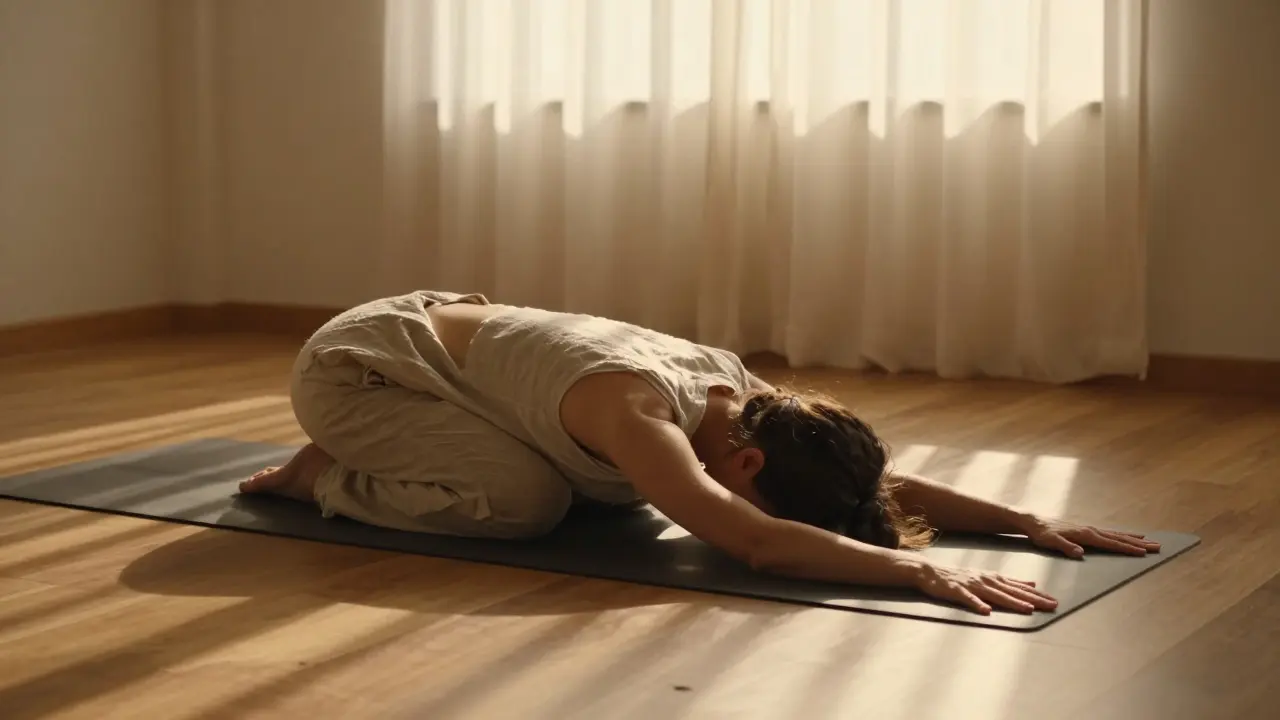
Acu-Yoga: The Natural Healing Practice Combining Acupuncture and Yoga
Acu-yoga combines yoga poses with acupressure points to naturally stimulate energy flow, reduce pain, and improve sleep-no needles or equipment needed. A simple, science-backed practice for stress, fatigue, and chronic tension.