
Chronic pain is more than just a physical sensation; it’s a daily battle that affects sleep, mood, and productivity. For many people in Perth and beyond, standard treatments like medication or surgery offer only temporary fixes or come with unwanted side effects. This is where Acu-Yoga is a specialized therapeutic practice that combines traditional yoga postures with targeted acupressure techniques to alleviate chronic pain. It bridges the gap between Eastern medicine and modern movement science, offering a non-invasive path to relief. Unlike standard yoga classes that focus primarily on flexibility and strength, Acu-Yoga targets specific meridian points on the body. By holding poses while applying gentle pressure to these key areas, practitioners stimulate the nervous system to release natural painkillers. If you are looking for a way to manage back pain, arthritis, or tension headaches without relying solely on pills, this method deserves your attention.
What Exactly Is Acu-Yoga?
To understand why this works, we need to look at its two roots. First, there is Yoga, which focuses on alignment, breath control, and muscle engagement. Second, there is Acupressure, a technique derived from Traditional Chinese Medicine (TCM) that involves applying physical pressure to specific points on the body.
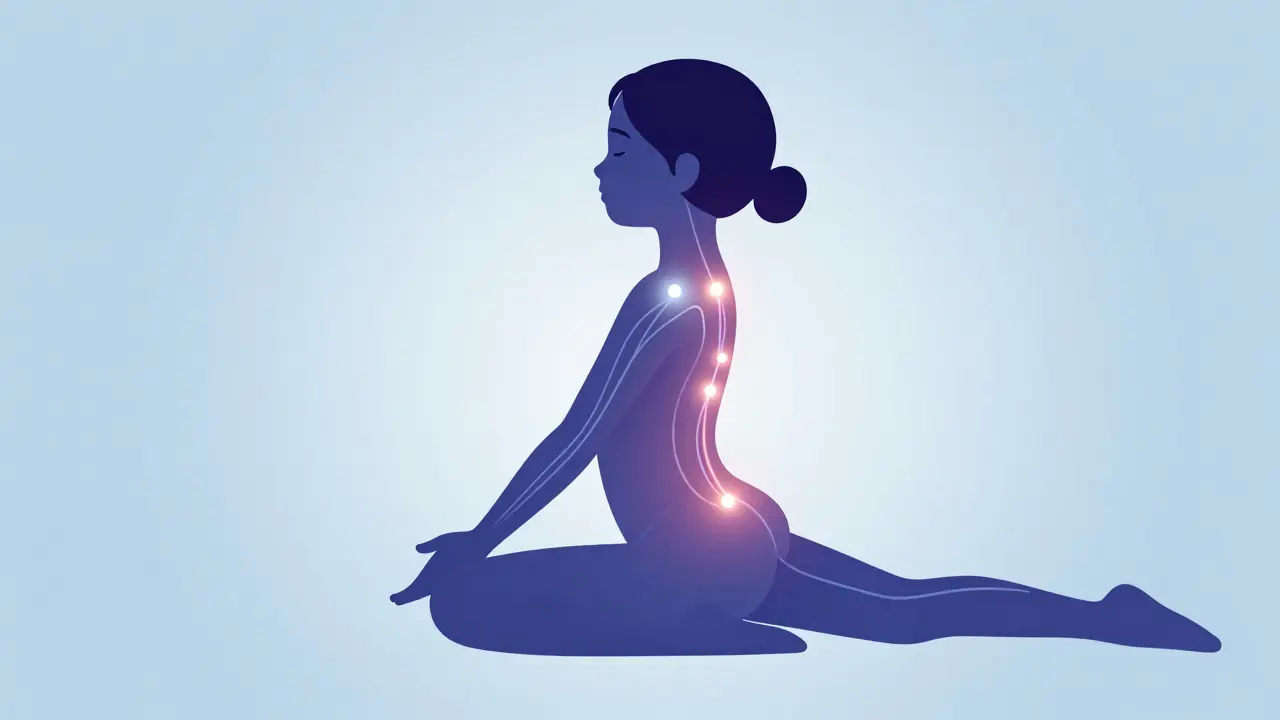
In an Acu-Yoga session, you don’t just stretch; you press. For example, when performing a forward fold, you might hold your wrists or ankles to activate energy channels known as meridians. This dual action helps unlock tight muscles while signaling the brain to reduce inflammation. It’s not about doing difficult tricks; it’s about precise, mindful movement.
How It Targets Chronic Pain Mechanisms
Chronic pain often creates a cycle of stiffness and stress. When muscles tighten, they compress nerves, leading to more pain. Acu-Yoga breaks this cycle through three main mechanisms:
- Mechanical Release: The yoga postures lengthen shortened muscles and improve joint mobility. This physically reduces compression on sensitive areas.
- Nervous System Regulation: Acupressure points stimulate the parasympathetic nervous system, shifting the body from 'fight or flight' mode to 'rest and digest.' This lowers cortisol levels, which are directly linked to pain perception.
- Blood Flow Enhancement: Targeted pressure increases circulation to injured tissues, delivering oxygen and nutrients needed for healing while flushing out metabolic waste.
Research into mind-body interventions suggests that consistent practice can alter how the brain processes pain signals. By combining the structural benefits of yoga with the neurological impact of acupressure, Acu-Yoga addresses both the cause and the symptom of chronic discomfort.
Key Poses for Specific Pain Points
You don’t need to be flexible to start. In fact, most Acu-Yoga sessions begin with simple, grounded movements. Here are three foundational approaches for common pain areas:
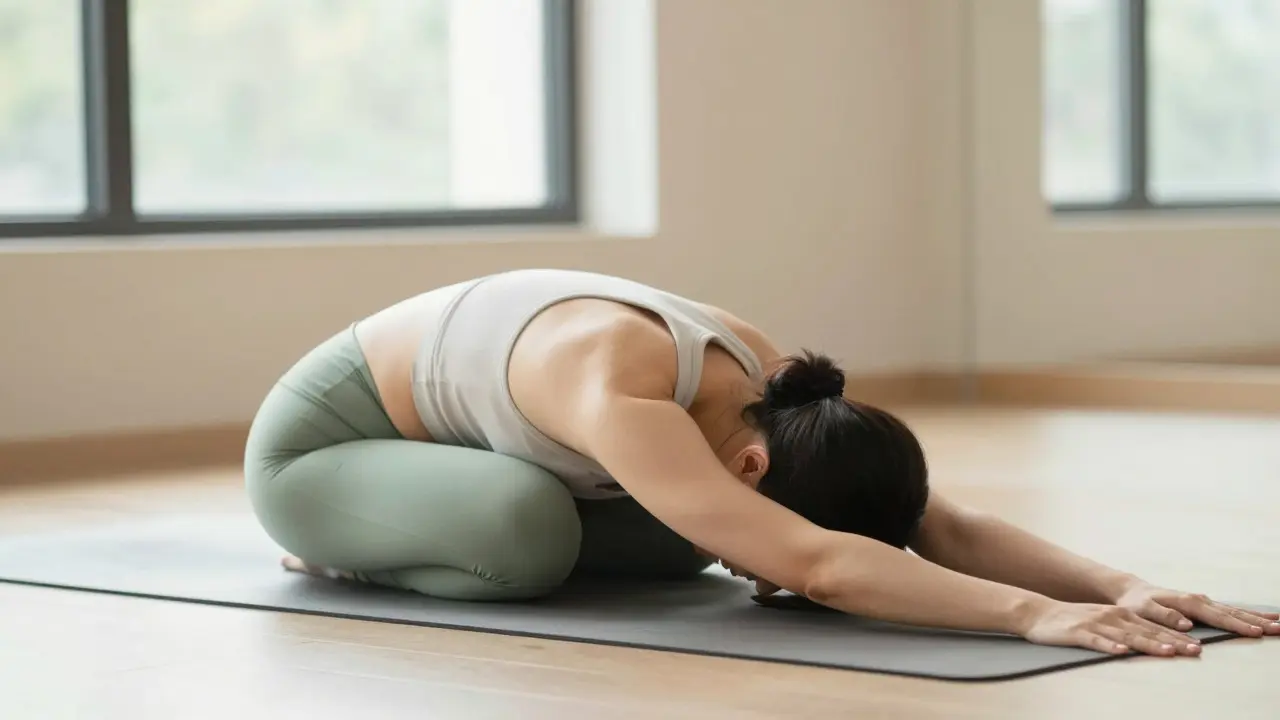
- For Lower Back Pain: Try the Child’s Pose with wrist acupressure. Kneel down, sit back on your heels, and extend your arms forward. While breathing deeply, gently press the fleshy part of your palms against each other. This activates the large intestine meridian, which is closely connected to lower back health.
- For Neck and Shoulder Tension: Use the Seated Forward Bend. Sit with legs extended. As you hinge forward, reach for your toes but keep your elbows resting on your knees. Apply gentle pressure to the inner elbows (Heart meridian point). This releases upper back tension and calms the mind.
- For Knee Arthritis: Practice the Mountain Pose with ankle stimulation. Stand tall with feet hip-width apart. While maintaining balance, use your thumbs to apply firm, circular pressure to the outer ankle bones. This improves proprioception and stabilizes the knee joint.
The key here is consistency. Holding these positions for 30 to 60 seconds allows the acupressure effect to take hold. Rushing through them negates the therapeutic benefit.
Comparing Acu-Yoga to Other Therapies
Many people wonder how this compares to other options. Let’s look at the practical differences.
| Method | Primary Focus | Cost per Session | Long-term Maintenance |
|---|---|---|---|
| Acu-Yoga | Mind-body integration & Meridian stimulation | $40 - $70 AUD | High (Self-practice encouraged) |
| Physiotherapy | Muscle strengthening & Joint stability | $80 - $120 AUD | Medium (Requires ongoing appointments) |
| Medication | Symptom suppression | Varies ($20 - $50+) | Low (Dependency risk) |
| Standard Yoga | Flexibility & General fitness | $20 - $40 AUD | High (General wellness) |
As you can see, Acu-Yoga sits in a unique spot. It costs less than private physiotherapy but offers more targeted pain relief than general fitness yoga. The biggest advantage is the self-sufficiency factor. Once you learn the techniques, you can perform them at home, reducing long-term healthcare costs significantly.
Getting Started Safely
If you have never tried Acu-Yoga, start slow. Here is a safe approach for beginners:
- Consult a Professional: Find a certified practitioner who specializes in therapeutic yoga. Look for credentials in both yoga teaching and acupressure or TCM.
- Listen to Your Body: Pain in acute injury should be avoided. Work around sore spots rather than pushing through sharp pain.
- Focus on Breath: The breath is the anchor. If you find yourself holding your breath during a pose, you are working too hard. Exhale slowly to deepen the stretch and enhance the acupressure effect.
- Be Consistent: Aim for 15 minutes daily rather than one hour once a week. Frequency matters more than duration for chronic pain management.
In cities like Perth, many community health centers now offer introductory workshops. These are low-commitment ways to test if the method resonates with you before investing in a full course.
Frequently Asked Questions
Is Acu-Yoga suitable for seniors?
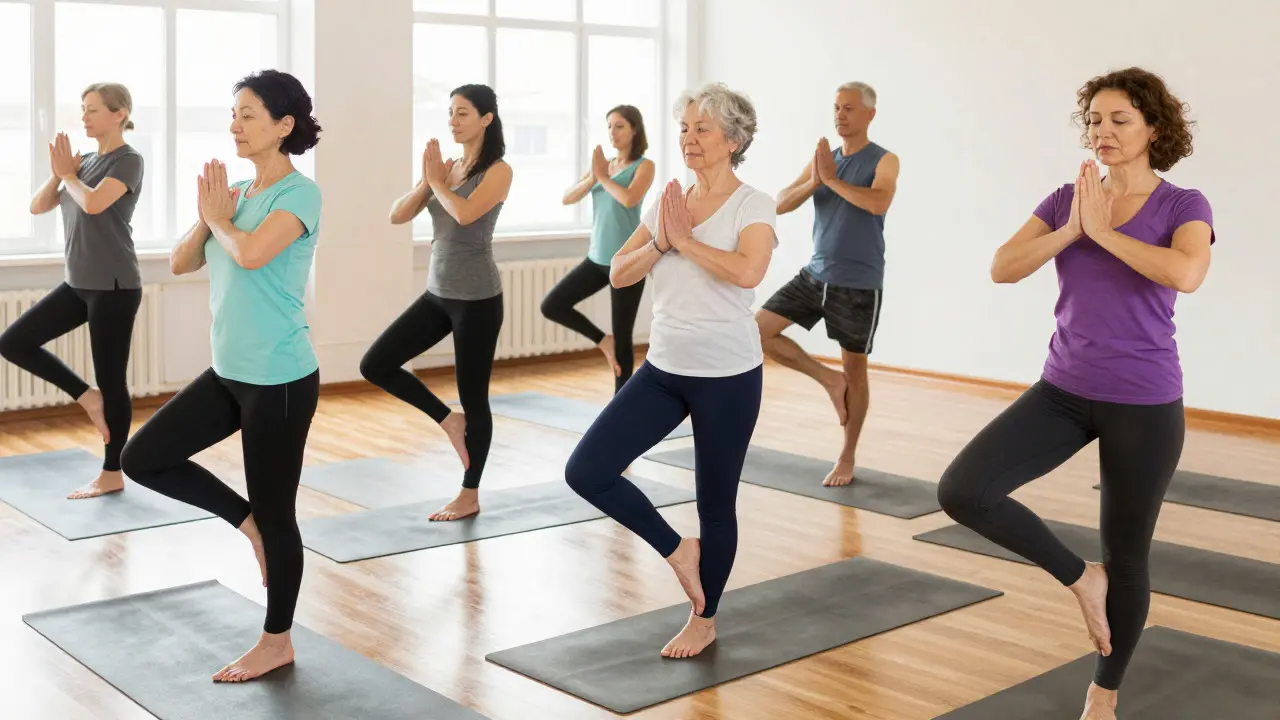
Yes, it is highly suitable for older adults. The movements are generally low-impact and can be modified for chairs or mats. The acupressure component helps improve circulation without requiring high intensity, making it safer than vigorous exercise for those with joint issues.
How long does it take to feel results?
Most people report reduced tension after the first session due to the immediate relaxation response. However, significant changes in chronic pain patterns typically take 4 to 6 weeks of consistent practice. Think of it as building new neural pathways rather than a quick fix.
Do I need special equipment?
No. A comfortable yoga mat and clothing that allows for movement are sufficient. Some practitioners use small balls or blocks for self-acupressure, but hands-on pressure is usually effective enough for most conditions.
Can it replace medication?
It can complement medication, potentially allowing you to reduce dosage over time. However, do not stop prescribed medication without consulting your doctor. Acu-Yoga is best viewed as a powerful adjunctive therapy that enhances overall well-being.
Where can I find a certified instructor in Australia?
Look for instructors listed under alternative health directories or local yoga studios that advertise 'therapeutic' or 'restorative' specialties. In major Australian cities, check for professionals accredited by bodies like the Australian Yoga Alliance or those with additional training in TCM.