
Imagine a practice that combines the deep stretching of yoga with the targeted pressure points of acupuncture. That is exactly what Acu-Yoga is. It is not just another trend in the wellness world; it is a specific fusion therapy designed to release tension where standard yoga might miss the mark. If you have ever felt stiff after a yoga class or wondered why certain knots in your muscles never seem to go away, this hybrid approach might be the missing piece in your routine.
The concept sounds simple on paper: hold a yoga pose while applying pressure to specific meridian points. However, the execution requires precision. You are essentially doubling down on the relaxation response. By combining physical movement with energetic stimulation, Acu-Yoga aims to clear blockages in the body’s energy flow (Qi) more efficiently than either practice alone. Let’s break down how it works, who it helps, and whether it is right for you.
What Exactly Is Acu-Yoga?
To understand Acu-Yoga, we first need to look at its two parents: Yoga is an ancient Indian practice involving physical postures, breathing techniques, and meditation. Yoga focuses on alignment, flexibility, and breath control to improve physical health and mental clarity. On the other side, we have Acupuncture, which is a traditional Chinese medicine technique that involves inserting thin needles into specific points on the body. Acupuncture aims to balance the body's energy flow and treat various ailments.
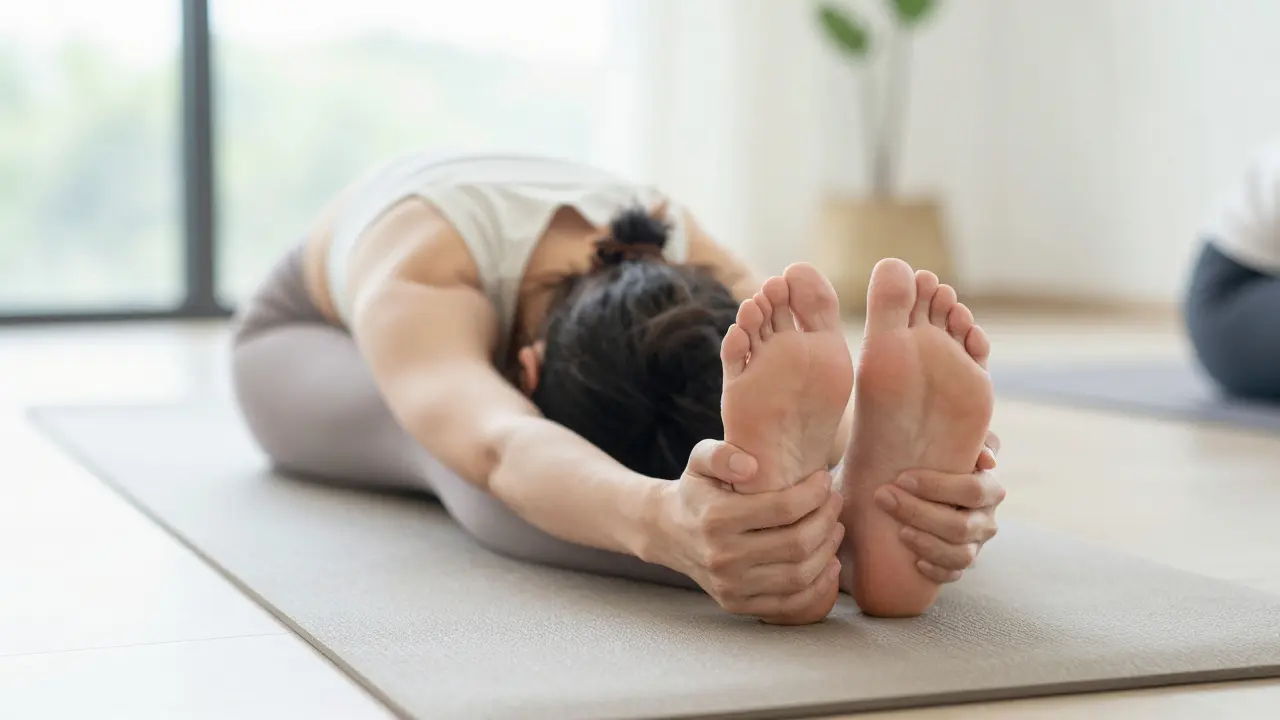
Acu-Yoga merges these by replacing needles with fingers, elbows, or tools like acupressure mats. Instead of lying still while a practitioner inserts needles, you actively engage in yoga poses. While holding a pose, you apply pressure to key acupressure points relevant to that posture. For example, if you are in a forward fold to stretch your hamstrings, you might also press into the Kidney 3 point on your inner ankle to enhance kidney energy and deepen the stretch.
| Feature | Traditional Yoga | Acu-Yoga |
|---|---|---|
| Primary Focus | Posture, Breath, Mindfulness | Posture + Meridian Stimulation |
| Pain Relief Method | Muscle elongation and strengthening | Trigger point release and energy flow |
| Equipment Needed | Mat, blocks, straps | Mat, acupressure mat, balls, or hands |
| Learning Curve | Moderate (alignment focus) | Higher (requires knowledge of points) |
| Best For | Flexibility, strength, general fitness | Chronic pain, stress, internal organ support |
How Does It Work? The Science and Tradition
You might wonder if there is any science behind pressing on spots while doing downward dog. From a traditional perspective, Acu-Yoga relies on the concept of meridians-pathways through which life energy flows. When these pathways are blocked, pain and illness occur. By stimulating these points during movement, you supposedly unblock the energy faster because the blood flow is already increased from the exercise.
From a modern physiological standpoint, the benefits are easier to quantify. Applying pressure to trigger points releases endorphins, the body’s natural painkillers. Simultaneously, yoga poses stimulate the parasympathetic nervous system, which triggers the "rest and digest" mode. Combining them creates a synergistic effect. Your muscles relax deeper due to the pressure, allowing you to hold poses longer with less strain. This leads to improved circulation, reduced cortisol levels, and enhanced joint mobility.
Research into acupressure has shown it can be effective for nausea, headaches, and anxiety. When combined with the anti-inflammatory benefits of yoga, the result is a powerful tool for managing chronic conditions. It is not magic; it is biomechanics meeting neurology.
Key Benefits of Practicing Acu-Yoga
Why should you add this to your routine? Here are the most tangible benefits people report:
- Deep Pain Relief: Unlike general stretching, Acu-Yoga targets specific nerve endings. This is particularly helpful for lower back pain, neck stiffness, and sciatica.
- Enhanced Flexibility: By releasing tension at the source (the trigger points), your muscles lengthen more effectively. You may find you can reach deeper into poses without forcing it.
- Stress Reduction: The combination of mindful breathing and pressure point stimulation lowers heart rate and blood pressure significantly.
- Better Sleep: Many practitioners use Acu-Yoga sequences before bed. Stimulating points like Shenmen (Spirit Gate) on the hand can calm the mind and prepare the body for rest.
- Digestive Health: Twisting poses combined with pressure on abdominal meridian points can aid digestion and reduce bloating.
Getting Started: Simple Acu-Yoga Techniques
You do not need a certification to start experimenting with basic Acu-Yoga principles. Here are three simple combinations you can try at home. Remember, listen to your body. Pain should be sharp but tolerable-not agonizing.
- The Calming Forward Fold:
- Stand with feet hip-width apart. Hinge at the hips and fold forward, letting your head hang heavy.
- While holding this pose, use your thumbs to press firmly into the Yongquan (Kidney 1) points on the soles of your feet, directly under the ball of the foot.
- Breathe deeply for 1-2 minutes. This grounds you and calms anxiety.
- Neck Release with Child’s Pose:
- Kneel on the floor, sit back on your heels, and fold forward, extending your arms out in front of you (Child’s Pose).
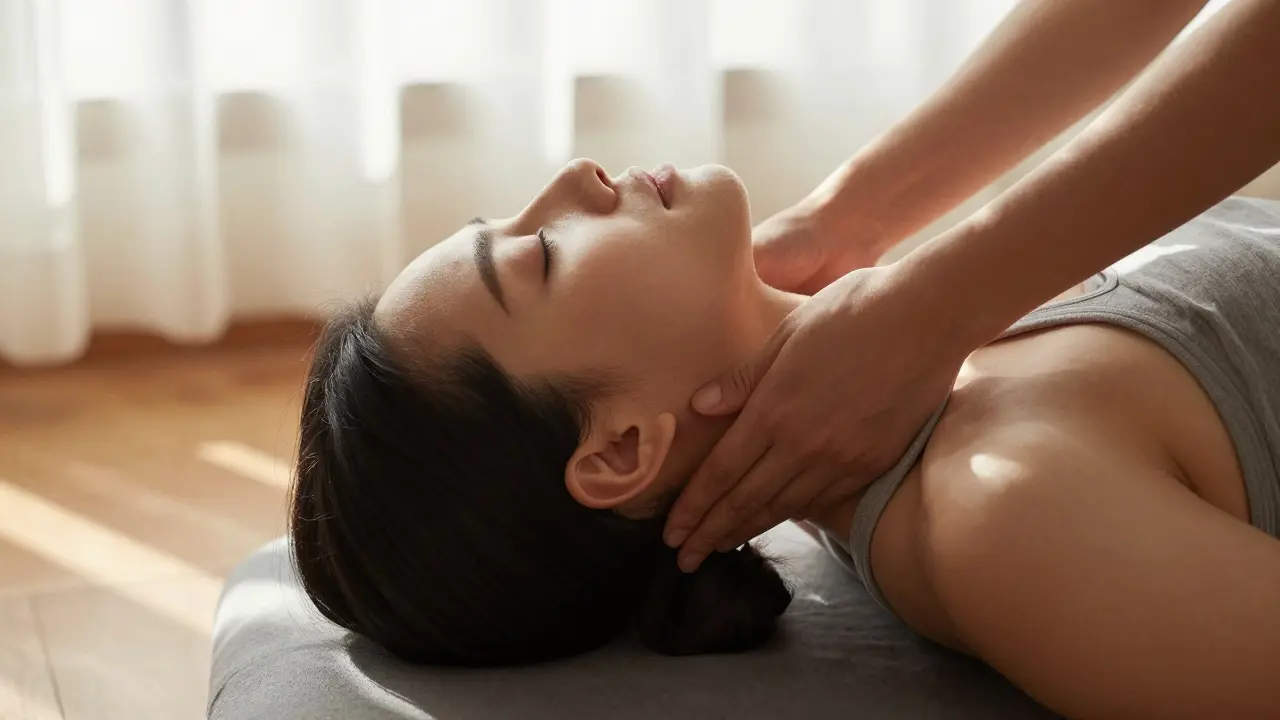
- Use your fingertips to gently massage the base of your skull, specifically the Fengchi (Gallbladder 20) points in the hollows between the neck muscles and the skull.
- This relieves tension headaches and eye strain.
- Digestive Twist with Liver Point:
- Sit cross-legged. Twist your torso to the right, placing your left elbow against your right knee.
- With your right hand, press into the Tai Chong (Liver 3) point on the top of your foot, between the big toe and second toe.
- Hold for 5 breaths, then switch sides. This helps move stagnant energy and aids digestion.
Who Should Try Acu-Yoga?
Acu-Yoga is versatile, but it shines for specific groups. If you suffer from chronic pain conditions like fibromyalgia or arthritis, the gentle yet targeted nature of this practice can provide relief where high-intensity workouts fail. Office workers with "tech neck" and tight shoulders will find the self-acupressure aspect incredibly liberating since they can treat their pain without leaving their desk.
It is also excellent for seniors. Because many Acu-Yoga poses can be done seated or standing with minimal balance requirements, it offers a low-impact way to maintain mobility and manage pain. Athletes can use it as part of their recovery routine to flush out lactic acid and prevent injury.
However, it is not a replacement for medical treatment. If you have acute injuries, fractures, or severe neurological conditions, consult a doctor before starting. Pregnant women should avoid certain pressure points, such as those on the ankles and wrists, which can stimulate uterine contractions.
Common Mistakes to Avoid
When starting out, it is easy to make errors that reduce the effectiveness of the practice. Here is what to watch out for:
- Holding Your Breath: This is the number one mistake. Breathing must remain steady and deep. If you are grimacing in pain, you are likely holding your breath, which counteracts the relaxation benefits.
- Too Much Pressure: Acupressure should feel like a "good hurt"-a satisfying ache. If it feels sharp or electric, ease up. You are trying to soothe the tissue, not bruise it.
- Rushing Through Poses: Unlike power yoga, Acu-Yoga is slow. Spend time in each position to allow the energy to shift. Five minutes in one pose with correct pressure is better than thirty seconds in five different ones.
- Ignoring Alignment: Do not sacrifice proper yoga form just to reach a pressure point. Adjust the pose slightly if needed, but keep your spine neutral and joints protected.
Tools and Equipment
You can practice Acu-Yoga with nothing but your hands. However, some tools can enhance the experience:
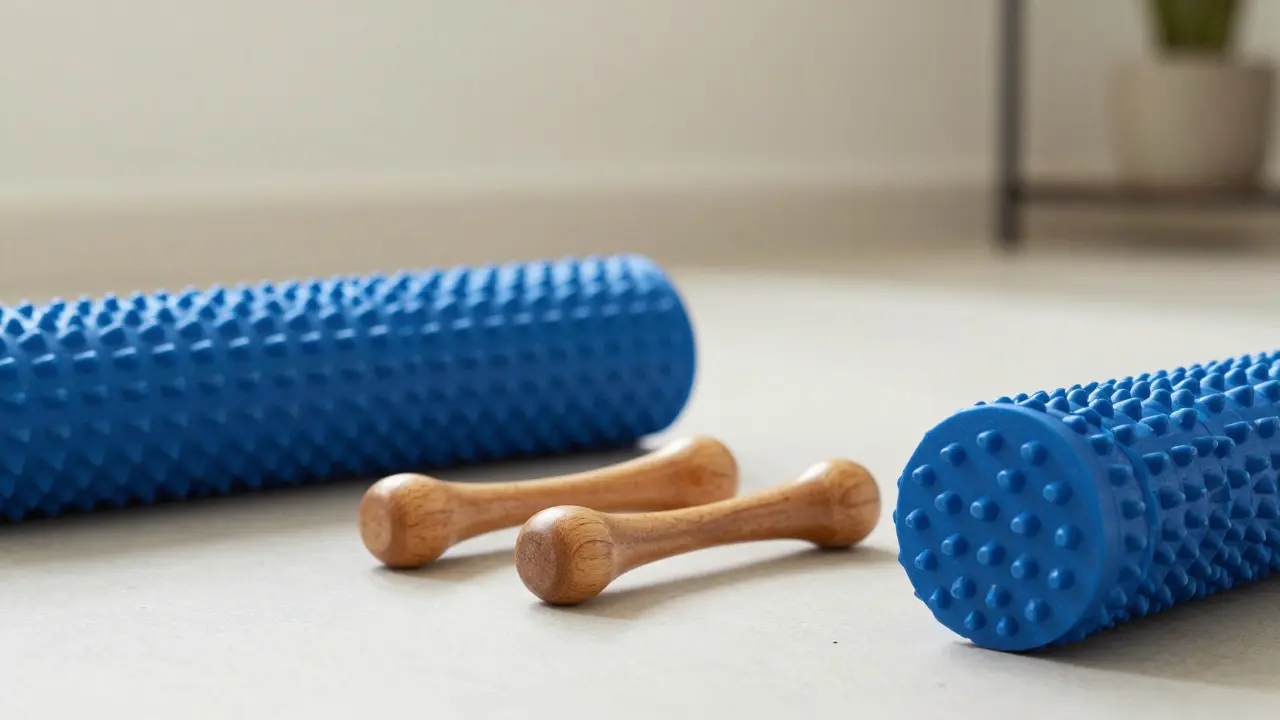
- Acupressure Mat: A mat covered in plastic spikes. Lying on this for 15-20 minutes after a yoga session can mimic a full-body acupuncture treatment.
- Massage Balls: Tennis balls or specialized lacrosse balls can help you apply consistent pressure to hard-to-reach areas like the upper back or glutes while in a pose.
- Wooden Acupressure Tools: Small handheld devices with rounded ends that allow for precise targeting of points without tiring your fingers.
Integrating Acu-Yoga Into Your Daily Life
You do not need an hour-long class to benefit from Acu-Yoga. Micro-sessions work wonders. Try spending five minutes in the morning doing the Calming Forward Fold. Use the Neck Release technique during your lunch break. End your day with the Digestive Twist before dinner. Consistency matters more than duration. Over time, you will become more aware of your body’s tension patterns and learn to address them proactively.
Consider finding a certified instructor if you want to dive deeper. Look for teachers who have backgrounds in both yoga and traditional Chinese medicine. They can guide you through complex sequences and ensure you are hitting the right points safely.
Is Acu-Yoga safe for beginners?
Yes, Acu-Yoga is generally safe for beginners. Since it uses manual pressure rather than needles, the risk of injury is low. Start with gentle poses and light pressure. Listen to your body and stop if you experience sharp pain or discomfort. It is always wise to consult a healthcare provider if you have pre-existing health conditions.
How often should I practice Acu-Yoga?
For best results, aim to practice 3-4 times a week. However, even short daily sessions of 10-15 minutes can yield significant benefits. Consistency is key to maintaining energy flow and reducing chronic tension.
Can Acu-Yoga replace regular yoga?
Acu-Yoga can complement regular yoga but does not necessarily replace it. Regular yoga builds strength, balance, and cardiovascular health. Acu-Yoga focuses more on therapeutic relief and energy balancing. Many people enjoy combining both practices for a holistic approach to wellness.
Are there any contraindications for Acu-Yoga?
Yes, certain conditions require caution. Avoid Acu-Yoga if you have open wounds, skin infections, or severe osteoporosis. Pregnant women should avoid specific pressure points that can induce labor. Always consult a doctor before starting if you have serious health issues.
Do I need special equipment to start?
No, you can start with just your hands and a yoga mat. As you progress, you might consider adding an acupressure mat or massage balls to enhance your practice, but they are not essential for beginners.