

You’ve been stretching for years. You hold your hamstring stretch until it burns. You touch your toes at the gym. Yet, you still feel stiff in the mornings, and that nagging lower back pain refuses to go away. The problem isn’t necessarily your muscles. It’s likely your fascia-the thick, web-like connective tissue that wraps around every muscle, bone, nerve, and organ in your body.
Traditional stretching focuses on lengthening muscle fibers. But fascia behaves differently. Think of it less like a rubber band and more like a sponge or a honeycomb structure. When this tissue gets dehydrated or restricted, it becomes sticky and dense, pulling your joints into tight positions. This is why standard stretching often feels temporary. To truly boost your flexibility and move with ease, you need to address the fascia itself through specific techniques known as fascia stretching.
What Is Fascia and Why Does It Matter?
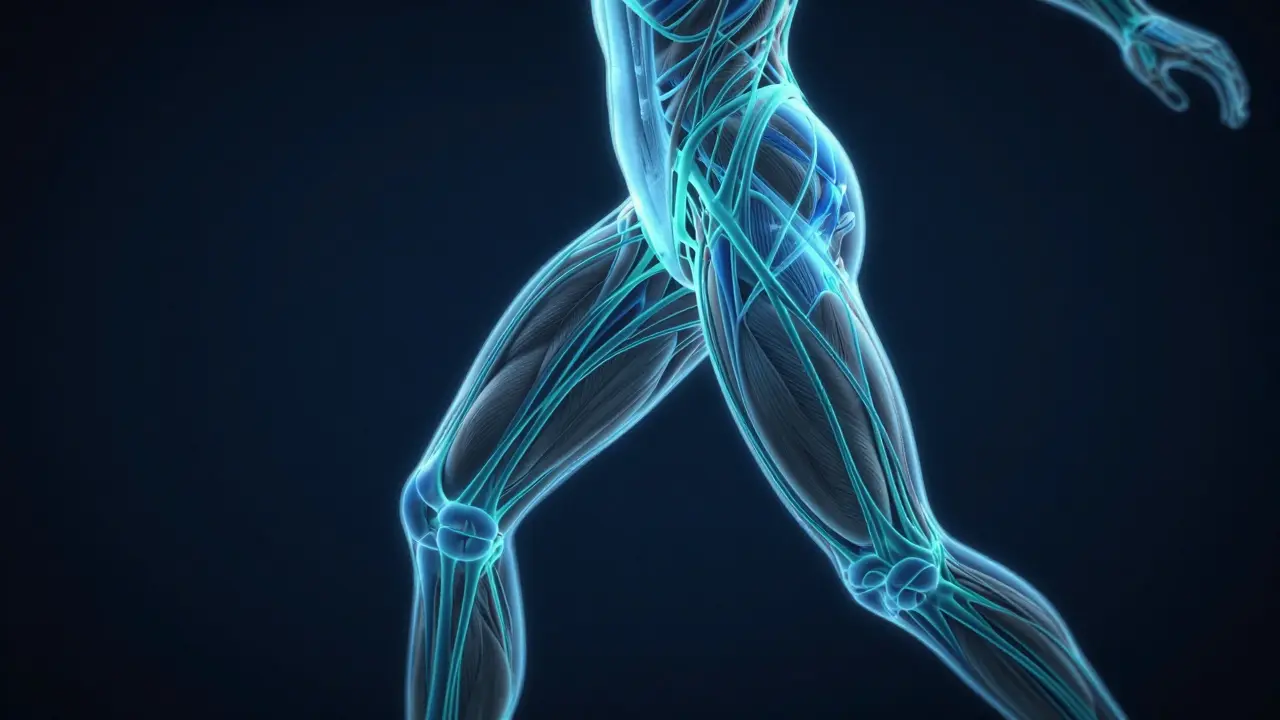
Fascia is often called the "sixth sense" because it contains thousands of sensory receptors. It’s not just packaging material; it’s an active part of your movement system. In its healthy state, fascia is hydrated, slippery, and elastic. It allows your muscles to glide smoothly over one another. When you sit at a desk all day, stand in one position too long, or recover from an injury, that fluid drains out. The collagen fibers in the fascia begin to cross-link, creating adhesions or "knots."
These adhesions restrict your range of motion. They don’t just affect the area where you feel the tightness. Because fascia forms continuous chains throughout the body, a restriction in your calf can pull on your knee, then your hip, and eventually contribute to lower back pain. This interconnectedness is why local treatments often fail. You have to treat the whole chain.
Fascia Stretching vs. Traditional Muscle Stretching
Most people confuse stretching muscle with stretching fascia. There is a critical difference in how you approach them. Muscle stretching involves holding a static position for 30 seconds or more to trigger the stretch reflex, which lengthens the sarcomeres (the contractile units) within the muscle fiber. This is good for immediate relief but doesn’t always change the structural quality of the connective tissue.
Fascia stretching, also referred to as myofascial release or fascial manipulation, relies on different mechanics. Fascia responds best to slow, sustained pressure and multi-directional movement. It requires hydration to become pliable. Instead of forcing a limb into a fixed position, you use gentle, varied movements to encourage the fluid within the fascia to flow and the collagen fibers to realign. This process breaks up the cross-linked adhesions, restoring elasticity and reducing tension.
| Feature | Muscle Stretching | Fascia Stretching |
|---|---|---|
| Primary Target | Muscle fibers (sarcomeres) | Connective tissue matrix |
| Movement Type | Static holds, linear elongation | Dynamic, multi-directional, slow |
| Duration | 15-60 seconds per pose | 2-5 minutes per area |
| Sensation | Burning or sharp pull | Deep ache, melting sensation |
| Goal | Lengthen muscle belly | Restore tissue hydration and glide |
Key Techniques for Effective Fascia Release
You don’t need expensive equipment to start working on your fascia. In fact, some of the most effective methods rely on simple tools and mindful movement. Here are three core techniques to integrate into your routine.
1. Self-Myofascial Release (SMR) with Foam Rollers
The foam roller is the gold standard for self-administered fascia work. Unlike stretching, rolling applies direct pressure to the tissue. The goal isn’t to find the "most painful spot" and grind into it. That triggers a protective muscle contraction. Instead, roll slowly-think about one inch per second. When you hit a tender area, pause and breathe. Let your body soften into the roller. You might even gently move the limb through a small range of motion while applying pressure. This combination of compression and movement helps shear the layers of fascia apart, breaking up adhesions.
2. Dynamic Fascial Loading
Fascia loves speed and elasticity. While static rolls are great for relaxation, dynamic exercises help rebuild the spring-like quality of the tissue. Try skipping rope, hopping, or performing explosive bodyweight squats. These activities load the fascia rapidly, stimulating the production of hyaluronic acid, the gel-like substance that keeps fascia lubricated. Just ensure you are properly warmed up. Cold fascia is brittle and prone to micro-tears if subjected to sudden high loads.
3. Breath-Driven Expansion
Your diaphragm is a major fascial anchor point. Tension in the chest or abdomen often radiates outward through the thoracolumbar fascia. Incorporate deep, diaphragmatic breathing into your routine. Lie on your back with a ball under your upper back. As you inhale deeply into your ribs, visualize your fascia expanding like a balloon. Exhale fully, letting the tissue collapse and reset. This rhythmic expansion and contraction encourages fluid exchange within the fascial network, promoting hydration and mobility.
Building a Daily Fascia Routine
Consistency beats intensity when it comes to fascia work. You don’t need an hour-long session once a week. Shorter, frequent sessions yield better results. Aim for 10-15 minutes daily. Here is a simple framework to follow:
- Morning Activation: Spend five minutes doing dynamic movements like cat-cow stretches, arm circles, and gentle spinal twists. Focus on moving in multiple directions, not just forward and backward.
- Post-Work Session: If you sit all day, your hips and glutes are likely compressed. Use a foam roller or lacrosse ball to target the glute max and piriformis. Follow this with deep lunges, focusing on feeling the stretch in the hip flexors rather than forcing depth.
- Evening Wind-Down: End your day with slow, static yoga poses or passive hanging from a bar. Gravity assists in decompressing the spine and allowing the fascia to settle into a relaxed state. Avoid intense stretching right before bed, as it can activate the nervous system.
Hydration: The Hidden Key to Flexible Fascia
No amount of rolling will fix dehydrated fascia. Hyaluronic acid, the key component of fascial ground substance, requires water to function. If you are chronically dehydrated, your fascia becomes dry and sticky, leading to increased friction and pain. Aim to drink at least 2-3 liters of water daily. Electrolytes play a role too; sodium and potassium help regulate fluid balance within cells. Adding a pinch of sea salt to your water can enhance absorption.
Inflammation also impacts fascia health. Chronic inflammation causes the tissue to thicken and scar down. Anti-inflammatory foods like fatty fish, leafy greens, and berries support tissue repair. Conversely, excessive sugar and processed foods can glycate collagen, making it stiffer and less elastic. Your diet directly influences your flexibility.

Common Mistakes to Avoid
Many people sabotage their progress by approaching fascia work incorrectly. One common error is pushing through pain. Fascia has abundant nociceptors (pain receptors). Sharp pain signals that you are damaging tissue, not releasing it. Work within a discomfort zone of 3-5 out of 10. Another mistake is neglecting the entire body chain. Treating only the knee without addressing the ankle or hip ignores the interconnected nature of fascial lines. Always look upstream and downstream from the site of pain.
Finally, don’t expect instant results. Fascia remodels slowly. It takes weeks of consistent practice to see significant changes in mobility and pain reduction. Patience and mindfulness are your best tools.
When to Seek Professional Help
While self-care is powerful, some restrictions require professional intervention. A certified myofascial release therapist or physical therapist can identify deep-seated adhesions that you cannot reach alone. They use manual techniques to apply precise pressure and guide your body through corrective movements. If you have chronic pain, joint instability, or a history of trauma, professional guidance ensures you’re addressing the root cause safely.
How long does it take to see results from fascia stretching?
Most people notice a reduction in stiffness and improved comfort within 2-4 weeks of consistent daily practice. Significant improvements in range of motion and pain relief typically occur after 8-12 weeks. Fascia remodeling is a slow biological process, so patience is essential.
Can fascia stretching help with chronic back pain?
Yes, fascia stretching can be highly effective for chronic back pain. Since the thoracolumbar fascia connects the back, pelvis, and legs, releasing tension in these areas can reduce strain on the spine. However, it is crucial to rule out serious medical conditions like herniated discs or fractures before starting any new exercise regimen.
Is foam rolling better than stretching for flexibility?
Foam rolling and stretching serve different purposes. Foam rolling targets the connective tissue (fascia) to improve hydration and break up adhesions. Stretching targets the muscle belly to lengthen fibers. For optimal flexibility, combine both methods. Start with foam rolling to prepare the tissue, then follow with dynamic or static stretching.
Does hydration really affect fascia elasticity?
Absolutely. Fascia consists largely of water and hyaluronic acid. Dehydration makes the tissue dry, sticky, and less elastic, leading to restricted movement and pain. Proper hydration ensures the fascial layers can slide smoothly over each other, enhancing overall mobility and reducing injury risk.
Can I do fascia stretching every day?
Yes, daily practice is recommended for fascia maintenance. Unlike intense strength training, which requires rest days for muscle recovery, fascia benefits from regular, gentle movement and hydration. Short, 10-15 minute sessions focused on breath and slow movement are safe and effective for daily use.