
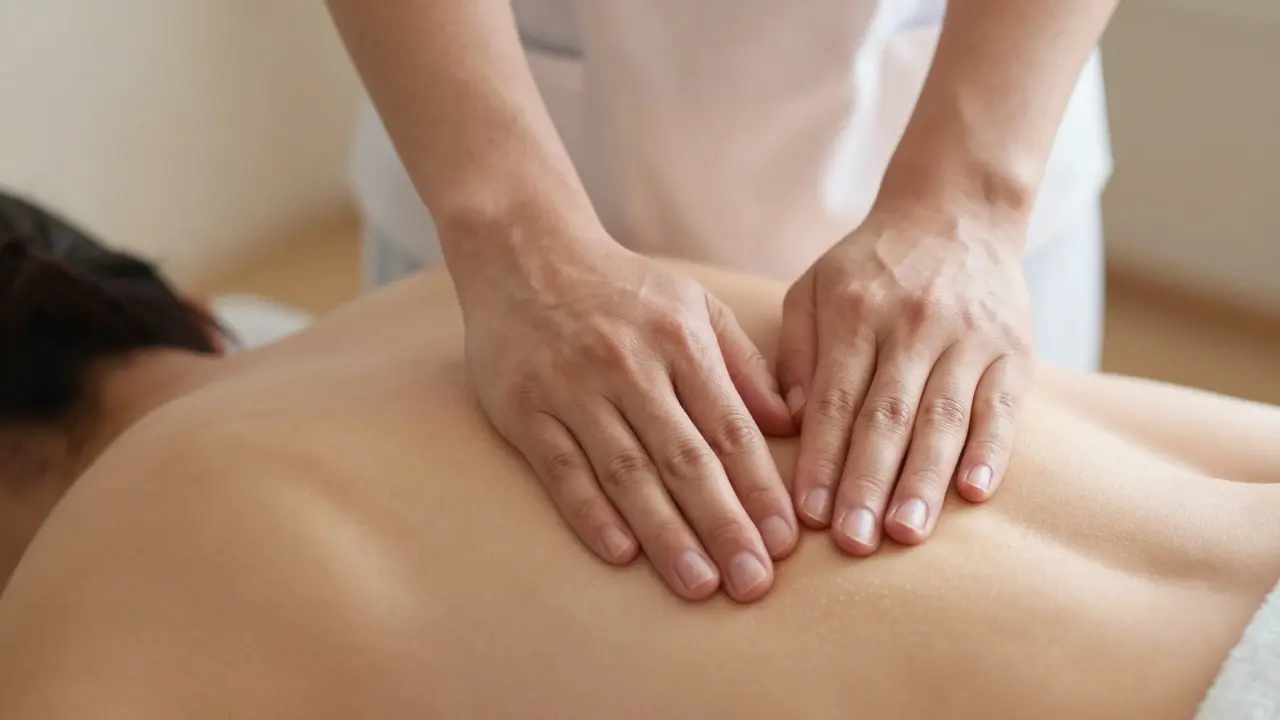
Living with chronic pain feels like carrying a heavy backpack you can’t take off. You might have tried stretching, ice packs, or even over-the-counter meds, but the ache in your lower back or shoulders just won’t quit. That’s where neuromuscular massage comes in. It isn’t just a relaxing spa treatment; it is a targeted therapeutic approach designed to fix the root cause of muscle pain.
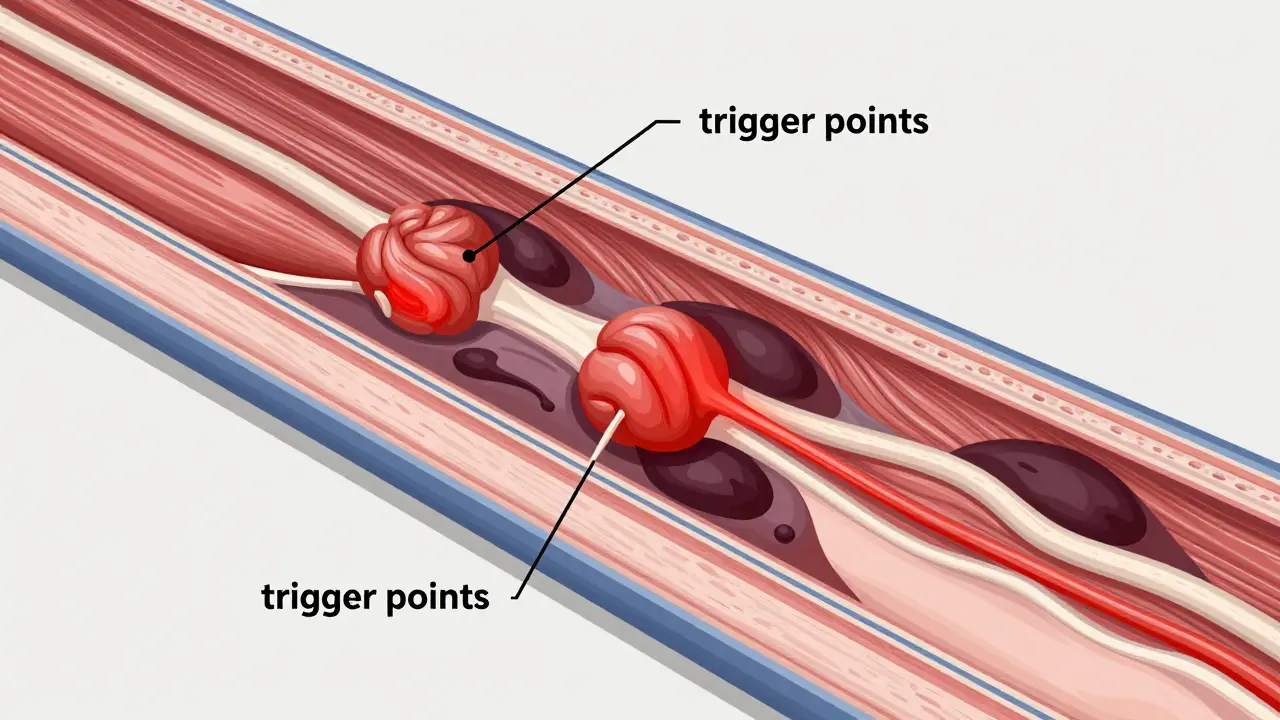
This method focuses on the neuromuscular system-the connection between your nerves and muscles. When that communication breaks down, muscles tighten, shorten, and create painful knots known as trigger points. By addressing these specific issues, neuromuscular massage helps restore normal movement and reduces pain without relying solely on medication.
What Exactly Is Neuromuscular Massage?
Neuromuscular massage, often referred to as Neuromuscular Therapy (NMT), is a specialized form of bodywork. Unlike standard Swedish massage, which glides over the skin for relaxation, NMT digs deeper. It targets the soft tissue structures that affect how your muscles function. The goal is to interrupt the pain cycle caused by restricted blood flow and nerve compression.
The technique relies on identifying trigger points-hyper-irritable spots in skeletal muscle that are associated with palpable nodules in taut bands of muscle fibers. When a therapist applies precise pressure to these points, they help release the tension, improve circulation, and reset the muscle’s length. Think of it as untangling a knotted rope rather than just smoothing out the surface.
How Does It Work? The Science Behind the Relief
Your muscles and nerves work together to control movement. When you injure a muscle or maintain poor posture for years, the nerve signals get stuck. This causes the muscle to remain contracted, leading to ischemia-a lack of oxygen-rich blood flow. Without oxygen, waste products build up, causing more pain and inflammation.
NMT breaks this cycle through three main mechanisms:
- Ischemic Compression: Direct pressure is applied to the trigger point until the muscle releases. This forces blood back into the area, flushing out toxins and delivering oxygen.
- Stretching: After the compression, the therapist stretches the muscle to its full length. This helps retrain the muscle to stay relaxed instead of tightening up again.
- Myofascial Release: The fascia (connective tissue) surrounding the muscle is also manipulated. Tight fascia can pull on muscles, creating additional strain. Releasing this tissue allows for greater range of motion.
By combining these techniques, NMT addresses both the symptom (pain) and the cause (restricted movement and poor circulation).
Who Benefits Most from Neuromuscular Therapy?
While anyone can enjoy a good massage, NMT is particularly effective for people dealing with specific conditions. If you suffer from any of the following, this therapy could be a game-changer:
- Chronic Back and Neck Pain: Common among office workers who sit for long hours.
- Sports Injuries: Athletes use NMT to recover faster and prevent future injuries.
- Fibromyalgia: Patients often report reduced pain sensitivity after regular sessions.
- Tension Headaches: Often caused by tight neck and shoulder muscles.
- Sciatica: NMT can relieve pressure on the sciatic nerve by releasing tight piriformis muscles.
If you’ve been told you have “muscle imbalances” or “postural distortion,” NMT is likely recommended because it corrects the underlying structural issues rather than just masking the pain.
Neuromuscular Massage vs. Deep Tissue Massage
Many people confuse neuromuscular massage with deep tissue massage. While they share similarities, there are key differences that matter for your healing journey.
| Feature | Neuromuscular Massage | Deep Tissue Massage |
|---|---|---|
| Primary Focus | Trigger points and nerve-muscle connections | Deep layers of muscle and fascia |
| Pain Level | Can be intense, focused on specific spots | Generally firm, broader coverage |
| Goal | Restore function and reduce chronic pain | Relieve tension and promote relaxation |
| Technique | Static pressure, stretching, myofascial release | Slow strokes, friction across grain |
If your goal is purely relaxation, deep tissue might suffice. But if you’re dealing with persistent, localized pain that limits your movement, neuromuscular massage offers a more targeted solution.
What to Expect During Your First Session
Walking into your first NMT session can feel intimidating if you’re not used to therapeutic bodywork. Here’s what typically happens:
- Consultation: The therapist will ask about your medical history, pain levels, and specific problem areas. Be honest about what hurts and what movements are difficult.
- Assessment: They may check your posture, range of motion, and identify tender spots. This helps them map out your treatment plan.
- Treatment: You’ll lie on a massage table, usually face down. The therapist will apply direct pressure to trigger points. This might hurt initially-it’s often described as a “good pain” or a dull ache-but it should never be unbearable.
- Communication: Tell your therapist if the pressure is too much. They need your feedback to adjust their technique. Pain shouldn’t cause you to tense up further.
- Aftercare Advice: At the end, they’ll give you tips on hydration, stretching, and self-care to maximize results.
A typical session lasts 60 to 90 minutes. You might feel sore afterward, similar to post-workout stiffness. This is normal and usually fades within 24 to 48 hours.

Maximizing Results: Tips for Your Healing Journey
Neuromuscular massage isn’t a one-time fix. It works best as part of a holistic approach to health. Here’s how to get the most out of your treatments:
- Stay Hydrated: Drink plenty of water before and after your session. Hydration helps flush out metabolic waste released from the muscles.
- Commit to Regular Sessions: Chronic issues didn’t develop overnight, so they won’t disappear in one visit. A series of 4 to 6 sessions spaced a week apart is often recommended.
- Practice Self-Massage: Use a tennis ball or foam roller at home to maintain progress between appointments.
- Improve Posture: Adjust your workstation ergonomics. If you keep slouching, the muscles will tighten again.
- Incorporate Stretching: Gentle daily stretching keeps muscles loose and prevents trigger points from forming.
Think of NMT as resetting your body’s software. You still need to maintain the hardware through healthy habits.
When to Avoid Neuromuscular Massage
While safe for most people, NMT isn’t suitable for everyone. Consult your doctor before booking if you have:
- Acute injuries or fractures
- Blood clotting disorders
- Severe osteoporosis
- Open wounds or infections
- Pregnancy (unless working with a certified prenatal specialist)
Always disclose any medical conditions to your therapist. A qualified professional will know when to modify or avoid certain techniques.
Does neuromuscular massage hurt?
It can be uncomfortable, especially when working on tight trigger points. However, the pain should be manageable and described as a "good hurt." If it becomes sharp or unbearable, tell your therapist immediately so they can adjust the pressure.
How many sessions do I need?
For acute pain, you might see relief in 1-3 sessions. For chronic conditions like fibromyalgia or long-term back pain, a series of 6-12 sessions is often needed, followed by maintenance visits every 4-6 weeks.
Is neuromuscular massage covered by insurance?
Coverage varies by provider and plan. Some insurers cover NMT if prescribed by a physician for a diagnosed condition. Check with your insurance company and ask if your therapist accepts direct billing or provides super-bills for reimbursement.
Can I exercise after a neuromuscular massage?
Light activity like walking is encouraged to keep blood flowing. Avoid intense workouts for 24-48 hours to allow your muscles to recover and integrate the changes made during the session.
What should I wear to a neuromuscular massage?
Wear comfortable, loose-fitting clothing that you can easily remove or adjust. You will be draped with sheets for privacy, exposing only the area being worked on. Many therapists prefer clients to undress to their underwear level for better access to muscles.