
Neuromuscular Massage
Neuromuscular massage targets muscle pain and nerve irritation by applying firm pressure and precise stretches. It focuses on trigger points, shortened muscles, and the nerves that feed them. Many people try it for stubborn neck, shoulder, and low back pain. Sessions mix hands-on pressure, friction, and guided movement to restore normal length and reduce nerve irritation.
If you have chronic tension from sitting, sports, or past injuries, neuromuscular work can help where simple relaxation massage fails. Unlike gentle spa work, this approach can feel intense in the moment but often gives longer lasting relief.
How it helps
Neuromuscular techniques reduce muscle guarding, improve blood flow, and ease nerve impingement. Better posture and balanced muscle length lower the chance of repeat flare-ups. Athletes use it to recover faster after hard training, while office workers use it to fix pain from sitting all day.
Who should try it
This approach suits people with specific mechanical pain patterns, tight muscles, or recurring trigger points. If you have nerve disease, blood clotting problems, or certain skin conditions, tell your therapist first. Pregnant people should check with a trained provider.
Find a practitioner who lists neuromuscular therapy, myofascial release, or trigger point work on their profile. Ask about their training and how they manage soreness. A good therapist explains what they will do and gets feedback during treatment.
Aftercare helps results stick: drink water, move gently, and avoid heavy lifting for a day. Simple stretches you learn from the session make the change last.
Quick warnings: Don’t expect instant magic. Multiple sessions may be needed, and some symptoms require medical tests or imaging. If pain worsens or you get numbness, stop and see a doctor right away.
Ready to try neuromuscular massage? Start with a clear goal: reduce pain, improve movement, or prepare for sport. Tell your therapist about past injuries and any medicines you take. That short chat makes treatment safer and more effective.
Examples people report relief from tension headaches, trapped nerves, and tight hips. One runner I worked with cut recovery time after a race by adding targeted neuromuscular sessions. A desk worker stopped waking with a stiff neck after six weeks of treatment.
How to book: Look for private clinics, sports therapists, or experienced massage studios. Many offer 30, 45, and 60 minute options. Start with a longer session if you have widespread pain. Ask about follow-up care and simple home moves to progress.
Final note: Neuromuscular work is a practical way to tackle stubborn muscle pain. With the right therapist it can change how your body feels day to day.

Neuromuscular Massage: How to Restore Body Balance and Release Tension
Learn how neuromuscular massage targets trigger points to relieve chronic pain and restore body balance. Discover what to expect during a session, who benefits most, and how to maintain results at home.
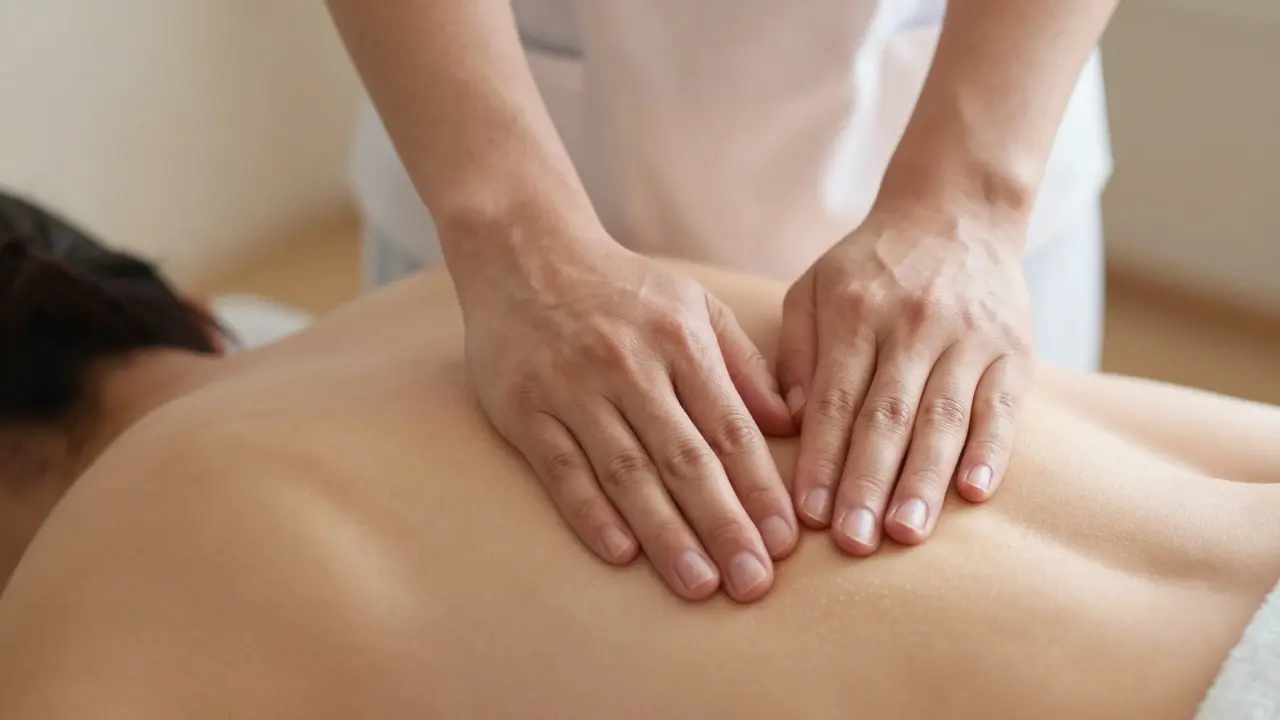
The Healing Journey with Neuromuscular Massage: Pain Relief and Recovery
Discover how neuromuscular massage targets the root cause of chronic pain. Learn about trigger point therapy, benefits, and what to expect during your healing journey.