

Imagine waking up with that nagging stiffness in your lower back or the tight knot in your neck that just won't budge. You've tried stretching, maybe even some over-the-counter painkillers, but the tension remains. This is where neuromuscular massage is a specialized manual therapy technique that targets specific points of muscle tension called trigger points to restore proper movement and reduce pain. Unlike a standard relaxation massage, this approach digs deeper into the mechanics of how your muscles and nerves interact. If you are dealing with chronic pain, poor posture, or restricted range of motion, understanding this method can be the key to finally finding relief.
The core idea behind neuromuscular work is simple but powerful: when a muscle is overstressed or injured, it forms hyperirritable spots known as trigger points. These spots don't just hurt locally; they often cause referred pain in other parts of the body. By applying precise pressure to these areas, therapists help reset the muscle's tone and improve blood flow. It’s not about squeezing until you scream; it’s about strategic, sustained pressure that encourages the muscle fibers to relax and lengthen again.
How Neuromuscular Massage Works on Your Body
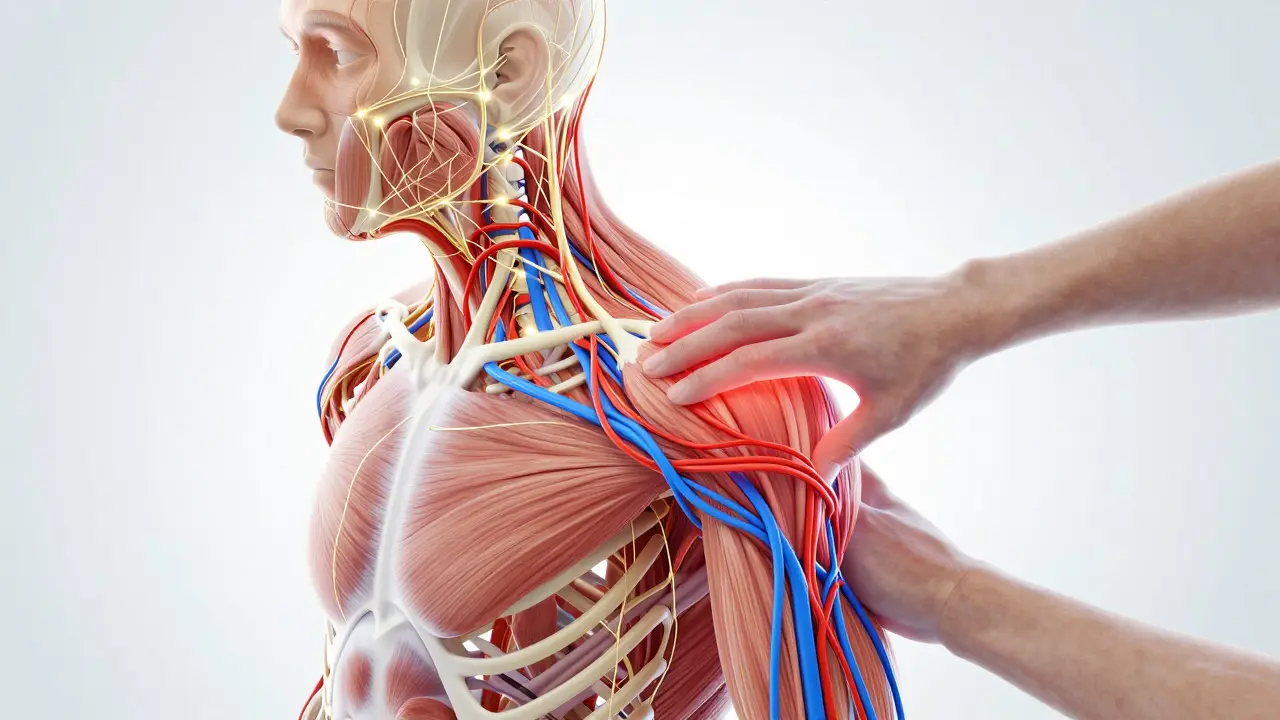
To understand why this works, you have to look at the connection between your nervous system and your muscles. When you hold a certain position for too long-like hunching over a computer all day-your muscles adapt by shortening. Over time, this leads to myofascial pain syndrome, a condition where chronic tension causes widespread discomfort. Neuromuscular techniques interrupt this cycle. The therapist uses their thumbs, elbows, or forearms to apply static pressure directly to the trigger point. This pressure stimulates mechanoreceptors in the muscle spindle, signaling the brain to release the muscle from its guarded state.
Think of it like untangling a knotted piece of rope. If you yank it, it gets tighter. But if you find the exact knot and gently pull while applying steady pressure, it loosens. The goal is to restore the natural elasticity of the muscle tissue. Once the trigger point releases, local circulation improves, flushing out metabolic waste products that contribute to inflammation and pain. This process doesn't happen overnight, though. It requires consistency and often multiple sessions to see lasting changes in your body mechanics.
Who Needs This Type of Therapy?
You might be a candidate for neuromuscular massage if you fit any of these profiles:
- Athletes and Active Individuals: If you run, lift weights, or play sports, you likely deal with repetitive strain injuries. This therapy helps prevent imbalances before they become serious injuries.
- Office Workers: Poor ergonomics lead to upper cross syndrome, where chest muscles tighten and upper back muscles weaken. Neuromuscular work addresses both sides of the equation.
- People with Chronic Pain: Conditions like fibromyalgia or chronic low back pain often involve complex networks of trigger points. Targeted release can significantly reduce overall pain levels.
- Post-Surgical Patients: After surgery, scar tissue can restrict movement. Gentle neuromuscular techniques can help mobilize soft tissues and improve recovery outcomes.
However, it’s not for everyone. If you have severe osteoporosis, uncontrolled high blood pressure, or recent fractures, you need to clear it with your doctor first. The pressure involved is moderate to deep, so it’s crucial to communicate your comfort level with your therapist throughout the session.
What to Expect During a Session
Your first appointment usually starts with a thorough assessment. The therapist will ask about your medical history, current pain levels, and lifestyle habits. They may observe your gait (how you walk) and check your range of motion in various joints. This isn't just a formality; it helps them map out where the primary issues lie versus where the secondary compensations are happening.
Once the assessment is done, the actual treatment begins. You’ll typically lie on a massage table, similar to a Swedish massage setup. The therapist will start with lighter strokes to warm up the tissue, then move to deeper work. Here is what the experience feels like:
- Locating the Trigger Point: The therapist searches for tender knots in the muscle belly or along the fascia.
- Applying Pressure: They apply steady pressure using a thumb or elbow. You should feel a dull ache, not sharp pain. On a scale of 1 to 10, aim for a 5 or 6.
- Holding and Releasing: The pressure is held for 30 to 90 seconds until you feel the tension soften. Some people describe this sensation as a "good hurt" or a wave of relaxation spreading through the area.
- Stretching and Movement: After releasing the point, the therapist may guide you through gentle stretches to lock in the new length of the muscle.
A typical session lasts between 45 and 60 minutes. You might feel sore afterward, similar to how you feel after an intense workout. This is normal and indicates that the tissue has been manipulated effectively. Drinking plenty of water in the 24 hours following your session helps flush out toxins released during the treatment.
Comparing Neuromuscular Massage to Other Techniques
It’s easy to confuse neuromuscular massage with other deep tissue therapies. While they share similarities, their goals and methods differ. Understanding these differences helps you choose the right approach for your needs.
| Technique | Primary Focus | Pressure Level | Best For |
|---|---|---|---|
| Neuromuscular | Trigger point release & nerve function | Moderate to Deep (Static) | Chronic pain, specific knots, postural correction |
| Deep Tissue | Fascia & muscle layers | Deep (Gliding/Kneading) | General tension, stress relief, muscle stiffness |
| Swedish | Circulation & relaxation | Light to Moderate | Stress reduction, mild discomfort, general wellness |
| Sports Massage | Injury prevention & performance | Variable (Pre/Post-event) | Athletes, acute strains, recovery |
Notice how neuromuscular therapy stands out for its focus on specific points rather than broad areas. If you go in expecting a full-body rub-down, you might be disappointed. But if you are targeting a specific source of pain, this precision is exactly what you need. Many practitioners combine neuromuscular techniques with other modalities like cupping or dry needling for enhanced results.

Building a Home Care Routine for Lasting Results
While professional treatments are essential, maintaining your progress at home is critical. Without daily habits, muscles tend to revert to their old patterns. Here are three simple strategies you can implement immediately:
1. Self-Myofascial Release (SMR): Use a lacrosse ball or tennis ball to apply pressure to painful areas. Lean against a wall and roll the ball slowly over your upper back or glutes. Hold the pressure on tender spots for 30 seconds. This mimics the static pressure used in professional sessions.
2. Ergonomic Adjustments: Look at your workspace. Is your monitor at eye level? Are your feet flat on the floor? Small adjustments can prevent the formation of new trigger points. Consider using a lumbar support cushion if you sit for more than four hours a day.
3. Hydration and Nutrition: Muscles require adequate hydration to remain elastic. Dehydrated tissue is more prone to cramping and knotting. Aim for at least 2 liters of water daily. Additionally, ensure you’re getting enough magnesium and potassium, which play vital roles in muscle contraction and relaxation.
Consistency is key. Treat your body like a machine that requires regular maintenance. A weekly or bi-weekly session with a licensed therapist, combined with daily self-care, creates a sustainable framework for long-term health.
Frequently Asked Questions
Does neuromuscular massage hurt?
It can be uncomfortable, but it shouldn’t be agonizing. You should feel a deep, dull ache that gradually softens. If the pain is sharp or shooting, tell your therapist to adjust the pressure. The goal is therapeutic intensity, not suffering.
How many sessions do I need to see results?
Most people notice immediate relief after the first session, but lasting change usually takes 3 to 5 sessions. Acute issues may resolve faster, while chronic conditions require a longer commitment. Your therapist will assess your progress after each visit and adjust the plan accordingly.
Is it safe for older adults?
Yes, provided there are no contraindications like severe osteoporosis or open wounds. Older adults often benefit greatly from this therapy because it helps maintain mobility and reduces fall risk by improving balance and proprioception. Always inform your therapist of any bone density concerns.
Can I get a neuromuscular massage while pregnant?
Generally, yes, but you must consult your healthcare provider first. Side-lying positions are used to avoid pressure on the abdomen. Many women find relief from pregnancy-related back pain and sciatica through gentle neuromuscular techniques, especially in the second and third trimesters.
What is the difference between a trigger point and a muscle knot?
In common language, these terms are often used interchangeably. Technically, a trigger point is a specific hyperirritable spot within a taut band of muscle that refers pain elsewhere. A "knot" is the colloquial term for the palpable thickening of muscle fiber associated with that trigger point. Neuromuscular massage specifically targets these trigger points to break the pain cycle.