

Most people think of massage as a way to relax. But what if your body’s pain, stiffness, or poor posture isn’t just about tight muscles-it’s about how your whole structure has shifted over time? That’s where Hellerwork comes in. Developed in the 1970s by structural integration pioneer Joseph Heller, this method doesn’t just ease tension. It rewires how your body moves, stands, and breathes-by addressing the real root of physical discomfort: misalignment in the connective tissue network.
What Exactly Is Hellerwork?
Hellerwork is a form of structural integration that combines deep tissue bodywork, movement education, and conscious dialogue. Unlike regular massage, which often targets symptoms, Hellerwork looks at the body as a whole system. It’s built on the idea that your posture isn’t just something you have-it’s something you’ve learned, often through habits, injuries, or emotional stress.
The process usually happens over a series of 11 sessions, each focusing on a different part of the body. These aren’t random. They follow a logical sequence, like building a house: start with the foundation (feet and pelvis), then move up through the spine, shoulders, neck, and head. Each session includes hands-on manipulation of the fascia-the web of connective tissue that wraps around every muscle, bone, and organ-and guided movement exercises to help you integrate the changes.
Think of fascia like shrink-wrap around your muscles. When it gets tight or twisted from sitting too long, carrying heavy bags, or even emotional trauma, your body compensates. Your shoulders roll forward. Your hips twist. Your head juts out. Over time, that leads to chronic pain, fatigue, and even breathing problems. Hellerwork doesn’t just loosen that wrap-it helps you relearn how to move with it.
How It’s Different from Other Therapies
People often confuse Hellerwork with Rolfing, another form of structural integration. While they share roots-both were inspired by Ida Rolf’s work-Hellerwork adds two critical pieces: movement coaching and talking.
In Rolfing, the practitioner focuses almost entirely on deep tissue manipulation. In Hellerwork, you’re asked to stand, walk, or stretch during the session. The practitioner might say, “Now, let your shoulder drop as you exhale,” and guide you through the sensation. This active participation helps your nervous system remember the new alignment. It’s not just about being worked on-it’s about learning how to be in your body differently.
And then there’s the conversation. Sessions aren’t silent. Practitioners talk with you about how you move in daily life: how you sit at your desk, how you carry your kids, how you react to stress. This isn’t fluff. Emotions get stored in the body. A clenched jaw might trace back to years of holding back anger. A hunched back might mirror emotional withdrawal. The dialogue helps uncover those hidden connections.
Compare that to massage, which gives temporary relief, or physical therapy, which often focuses on rehabbing a single injury. Hellerwork doesn’t fix a broken part. It rebuilds the entire system.
What Happens in a Typical Session
A Hellerwork session usually lasts 75 to 90 minutes. You’ll lie on a table, fully clothed (in shorts and a tank top or similar), while the practitioner uses their hands, elbows, and sometimes forearms to apply slow, deep pressure to your fascia. It’s not painful, but it’s intense-like deep stretching combined with firm pressure.
During the session, you might be asked to:
- Take slow, deep breaths
- Shift your weight from one foot to the other
- Notice where you feel resistance or numbness
- Describe how your body feels before and after each movement
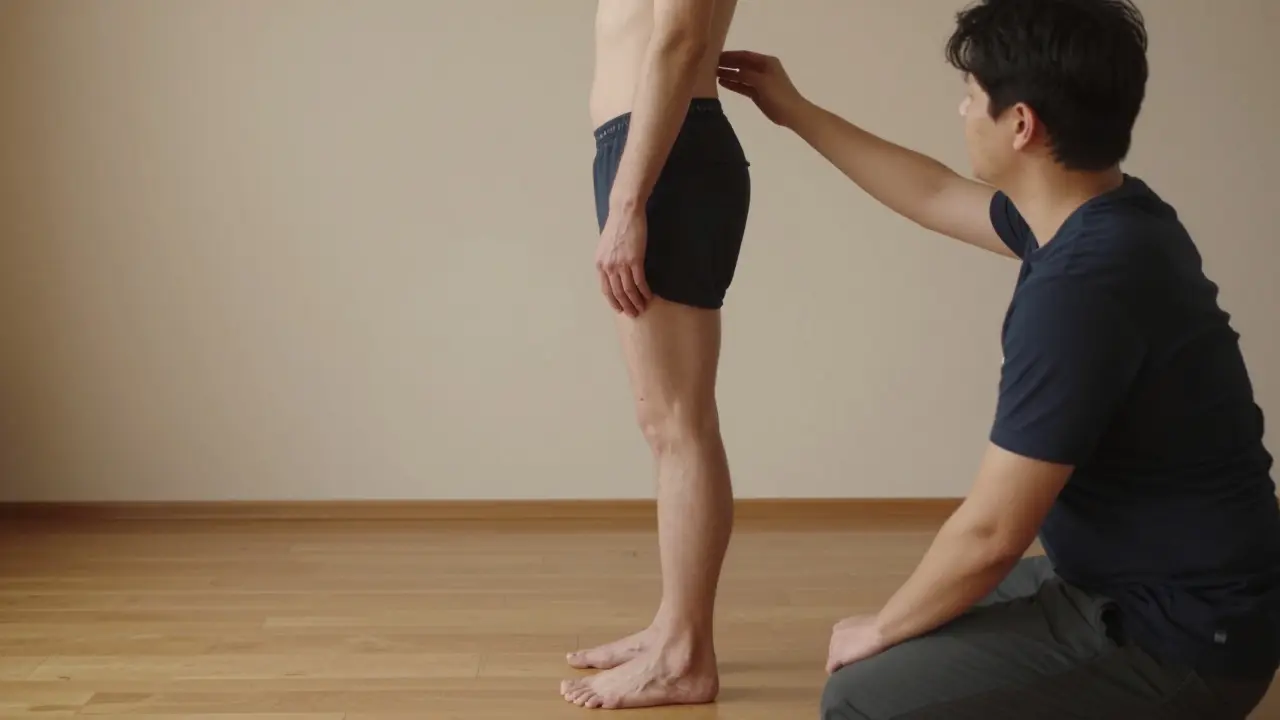
The practitioner will point out patterns: “You’re holding your left hip higher than the right,” or “When you breathe, your ribs don’t expand fully.” These aren’t guesses. They’re observations based on years of training in biomechanics and movement analysis.
After the bodywork, you’ll stand up and walk around. The practitioner watches how you move. Then they’ll give you a simple movement exercise to practice at home-like rolling your shoulders back while breathing, or standing with your feet hip-width apart and feeling your weight settle into your heels. These aren’t stretches. They’re retraining tools.
Who Benefits Most from Hellerwork?
Hellerwork isn’t a cure-all, but it’s especially powerful for people who’ve tried other therapies without lasting results. Think of it as the next step after physical therapy, chiropractic care, or regular massage.
People who commonly see major changes include:
- Those with chronic lower back pain that keeps coming back
- People with forward head posture from years of screen use
- Runners or athletes with recurring injuries that don’t heal
- Individuals who feel stiff, tired, or “out of sync” with their own bodies
- Anyone who’s felt emotionally stuck and noticed physical tension in their neck, shoulders, or gut
One woman in her late 40s came to Hellerwork after 12 years of lower back pain. She’d had MRIs, physical therapy, acupuncture, and chiropractic adjustments. Nothing stuck. After six sessions of Hellerwork, she noticed her hips felt lighter. By session 10, she could stand in line without shifting her weight. After the full series, she stopped taking painkillers. Her posture didn’t just improve-it felt natural.
Another client, a software developer in his 30s, had constant tension headaches. He thought it was from eye strain. But during Hellerwork, the practitioner noticed his ribs were locked, his diaphragm barely moved, and his jaw was clenched even when sleeping. After learning how to breathe fully and release his jaw, his headaches vanished. He didn’t need to change his screen time-he changed how his body responded to it.
The Science Behind the Method
While Hellerwork isn’t a clinical treatment, modern science supports its core principles. Fascia, once thought to be just passive packing material, is now recognized as a dynamic, sensory-rich tissue. Studies show it contains nerve endings, blood vessels, and even muscle fibers that can contract independently. Tight fascia doesn’t just limit movement-it sends pain signals, restricts circulation, and affects organ function.
Research from the Journal of Bodywork and Movement Therapies found that structural integration techniques like Hellerwork improved posture, flexibility, and perceived energy levels in participants after 10 sessions. Another study in Complementary Therapies in Clinical Practice showed reduced chronic pain and improved breathing patterns in people with low back issues.
The real breakthrough? It’s not just about physical change. Hellerwork affects the autonomic nervous system. Deep, slow pressure on fascia triggers the parasympathetic response-the body’s “rest and digest” mode. That’s why people often feel calmer, sleep better, and handle stress more easily after sessions, even if they didn’t come in for those reasons.

What to Expect After the Series
Hellerwork doesn’t end after 11 sessions. That’s just the beginning. Most people report feeling like they’ve been “unlocked.” Clothes fit better. Walking feels easier. Breathing feels deeper. You might notice you stand taller without trying.
But the real gift is awareness. You start noticing how you hold yourself in real time. You catch yourself slouching at your desk. You feel the tension in your shoulders before it becomes pain. You learn to breathe into your belly instead of your chest when you’re stressed. That’s the lasting change.
Many continue with maintenance sessions every few months. Others take movement classes like yoga or tai chi to reinforce what they’ve learned. Some even become practitioners themselves.
Is Hellerwork Right for You?
Hellerwork isn’t quick. It’s not cheap. And it’s not for everyone. If you’re looking for a one-time fix, this isn’t it. But if you’re tired of treating symptoms and want to understand why your body keeps rebelling, it’s one of the most powerful tools available.
It requires commitment-11 sessions over weeks or months-and active participation. You can’t just lie there. You have to pay attention. You have to move. You have to talk. But if you do, the results go far beyond pain relief. You start to feel at home in your own body again.
And that’s the revolutionary part.
Is Hellerwork painful?
Hellerwork isn’t meant to be painful, but it can be intense. The pressure is deep and slow, targeting tight fascia. Most people describe it as a "good hurt"-like a deep stretch that feels relieving even as it’s happening. Practitioners work within your comfort zone and adjust pressure based on your feedback. If it hurts too much, you speak up. It’s not about endurance-it’s about release.
How long does it take to see results?
Many people notice changes after just one or two sessions-better breathing, less shoulder tension, improved balance. But lasting structural change takes time. The full 11-session series is designed to allow your body to integrate each layer of change. Most clients report feeling significantly different by session 6, and profoundly transformed by session 11. Results continue to deepen over the following months as your nervous system adapts.
Do I need to be in pain to benefit from Hellerwork?
No. Many people come to Hellerwork not because they’re in pain, but because they feel "off." They’re tired all the time, their posture feels unnatural, or they can’t breathe deeply. Others are athletes or dancers who want to improve movement efficiency. Hellerwork is about optimizing how your body works-not just fixing what’s broken.
Can I do Hellerwork if I have a medical condition?
Most people can, but it’s important to talk to your practitioner first. If you have osteoporosis, recent surgery, severe spinal conditions, or are pregnant, adjustments may be needed. A certified Hellerwork practitioner will screen you and adapt the work accordingly. It’s not a replacement for medical care, but it often complements it well.
How do I find a certified Hellerwork practitioner?
The International Hellerwork Association maintains a directory of certified practitioners worldwide. Look for someone who’s completed the full 700+ hour training program and is licensed through the association. Avoid practitioners who offer "Hellerwork-style" sessions without formal certification-proper training ensures safety and effectiveness.