
Quick Takeaways for Fast Relief
- Trigger points are tight bands of muscle that cause localized and referred pain.
- Pressure is applied directly to the "knot" to force the muscle to relax.
- It differs from Swedish massage by focusing on dysfunction rather than general relaxation.
- Self-care tools like tennis balls or foam rollers can be used for maintenance.
- Professional therapy is best for deep-seated or complex referred pain patterns.
What Exactly Is a Trigger Point?
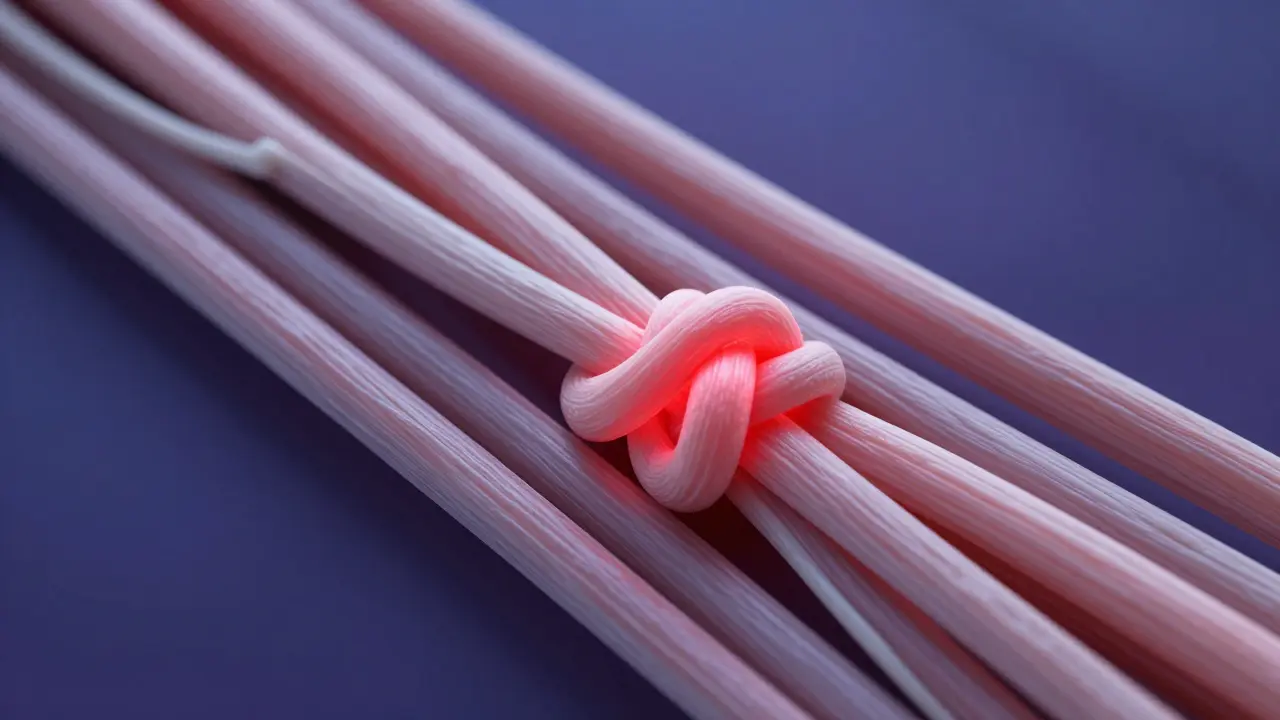
To understand why this massage works, we have to look at what's happening inside your tissue. A trigger point is essentially a tiny patch of muscle that has stayed contracted. Think of your muscle fibers like a bundle of rubber bands. Usually, they slide and glide smoothly. But when a trigger point forms, a few of those bands get stuck in a contracted state, creating a hard lump. This isn't just a local problem; these spots often cause "referred pain," meaning you might feel a headache even though the trigger point is actually in your trapezius muscle.
These knots often form because of repetitive stress, like typing for eight hours a day, or a sudden injury where the muscle seized up to protect a joint. When you apply focused pressure to these areas, you're essentially interrupting the pain-spasm-pain cycle. By compressing the area, you restrict blood flow for a moment and then flood the area with fresh, oxygenated blood once the pressure is released, which helps the muscle fiber finally let go.
Trigger Point Therapy vs. Traditional Massage
If you've ever had a relaxing spa day with long, flowing strokes and aromatic oils, you've had a Swedish massage. That's great for stress, but it's like using a paintbrush to fix a crack in the wall. Trigger Point Therapy is more like using a precision tool to fill that crack. It's a form of Myofascial Release, which targets the fascia-the connective tissue wrapping your muscles.
How the Process Actually Works
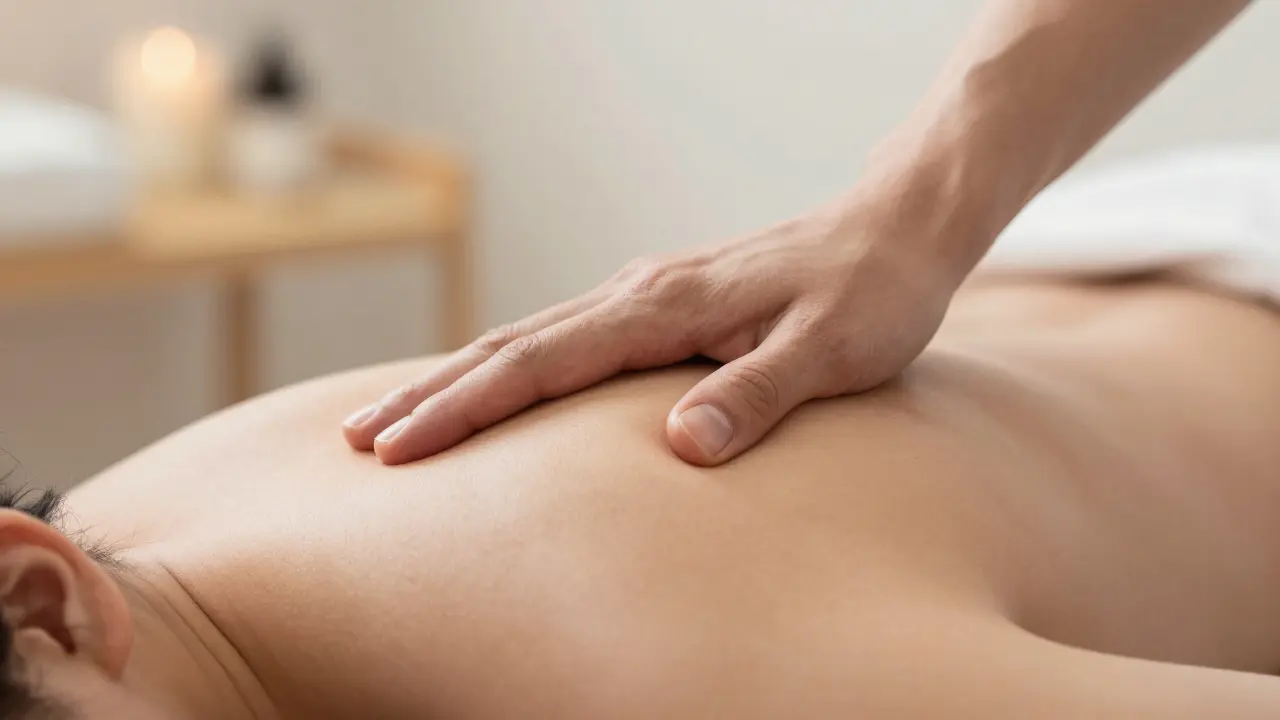
When you go to a licensed therapist for this work, they aren't just poking you randomly. They use a process of palpation to find the exact center of the knot. The experience usually follows a specific sequence. First, the therapist will identify the pain site. If you say your neck hurts, they might actually start looking at your chest muscles, because the pectorals often pull the shoulders forward, creating trigger points in the upper back.
Once the point is found, the therapist applies steady, concentrated pressure. This is called ischemic compression. You'll feel a surge of intensity, and often, you'll feel the pain "travel" to another part of your body. This is a sign that they've hit the right spot. As the muscle relaxes, the therapist might move their finger or thumb in a small circular motion to break up the adhesions. It's not about pushing as hard as possible; it's about waiting for the tissue to "melt" under the pressure.
Doing It Yourself: The Home Toolkit
You don't always need a professional to get relief. For many of us, muscle tension is a daily battle. The key to successful self-treatment is using tools that can mimic the precision of a therapist's thumb. Foam Rollers are excellent for large areas like the IT band or the upper back, but they are often too blunt for small, deep knots.
For more targeted work, try these methods:
- The Tennis Ball Trick: Place a tennis ball (or a firmer lacrosse ball for deep tissue) between your back and a wall. Lean into the ball until you find the knot, then hold for 30 to 90 seconds. Don't roll back and forth rapidly; just hold the pressure.
- Massage Guns: These percussive therapy devices use rapid pulses to penetrate deeper into the muscle. They are great for warming up a muscle before a workout or shaking off tension after a long flight.
- The Finger Press: For neck or jaw tension, use your index finger to apply firm pressure to the sore spot. Breathe deeply and imagine the muscle lengthening as you exhale.

Common Pitfalls and What to Avoid
There is a common misconception that the more it hurts, the better it's working. This is a dangerous myth. If you push too hard, your body will actually fight back by tensing up more to protect the area. This is called guarding. If you're holding your breath or clenching your jaw during the massage, you're applying too much pressure. The goal is "therapeutic discomfort," not agony.
Another mistake is treating only the spot that hurts. If you have a knot in your calf, it might be because your ankle is stiff or your shoes are worn out. If you only treat the symptom without looking at the cause, the trigger point will likely return within a few days. Combining massage with stretching and strength training is the only way to ensure the knots stay away for good.
Who Should Avoid Trigger Point Therapy?
While this therapy is safe for most, it isn't for everyone. Because it involves deep pressure and increases blood flow, people with certain medical conditions should be cautious. For example, if you have a blood clotting disorder or are taking blood thinners, deep tissue work can cause bruising or internal bleeding. Similarly, those with acute inflammation or active infections in the muscle should avoid direct pressure on the area.
Always tell your therapist if you have a history of osteoporosis or joint instability. Applying heavy pressure to a bone that is fragile or a joint that is loose can lead to injury. If you're unsure, a quick check-in with a primary care doctor is the smartest move before booking a session.
Does trigger point massage actually hurt?
It can be intense. Many people describe it as a "good hurt." Because you are applying pressure to a hypersensitive area, there is a level of discomfort, but it should be manageable. If you find yourself tensing up or holding your breath, the pressure is too high and may actually hinder the healing process.
How long does it take for a knot to disappear?
Some knots release almost instantly during a session, providing immediate relief. However, chronic knots that have been there for years often require multiple sessions. Usually, you'll feel a significant drop in pain after 1-3 treatments, provided you are also addressing the postural habits that caused the knot in the first place.
Can I do trigger point massage every day?
Light self-care and stretching can be done daily, but aggressive deep-tissue work should be spaced out. Your muscles need time to recover and reorganize. Over-working a specific area can lead to inflammation or bruising. A good rule of thumb is to give a heavily worked area 48 to 72 hours of rest before targeting it again with intense pressure.
What is the difference between a trigger point and a muscle cramp?
A cramp is a sudden, involuntary contraction of the entire muscle, often caused by dehydration or electrolyte imbalance. A trigger point is a localized, chronic spot of tension within the muscle that doesn't necessarily involve a full spasm but creates a constant "knot" and can cause pain in other areas of the body.
Will I feel sore after a trigger point session?
Yes, it's very common to feel some soreness, similar to how you feel after a tough workout. This is because the massage breaks up adhesions and moves metabolic waste out of the tissue. Drinking plenty of water and taking a warm Epsom salt bath can help flush out these toxins and reduce the post-session ache.
Next Steps for Lasting Relief
If you're dealing with chronic pain, don't just treat the knot-treat the lifestyle. Start by auditing your workstation; if your monitor is too low, you'll keep developing those upper trap knots no matter how many massages you get. Incorporate dynamic stretching into your morning routine to keep your fascia supple.
For those who are new to this, start with a professional. They can map out your referred pain patterns and show you exactly where your personal trigger points are. Once you have a map of your body's problem areas, you can use your foam roller or tennis ball to maintain the results between visits. The goal isn't to find a miracle cure, but to build a sustainable habit of movement and release.