
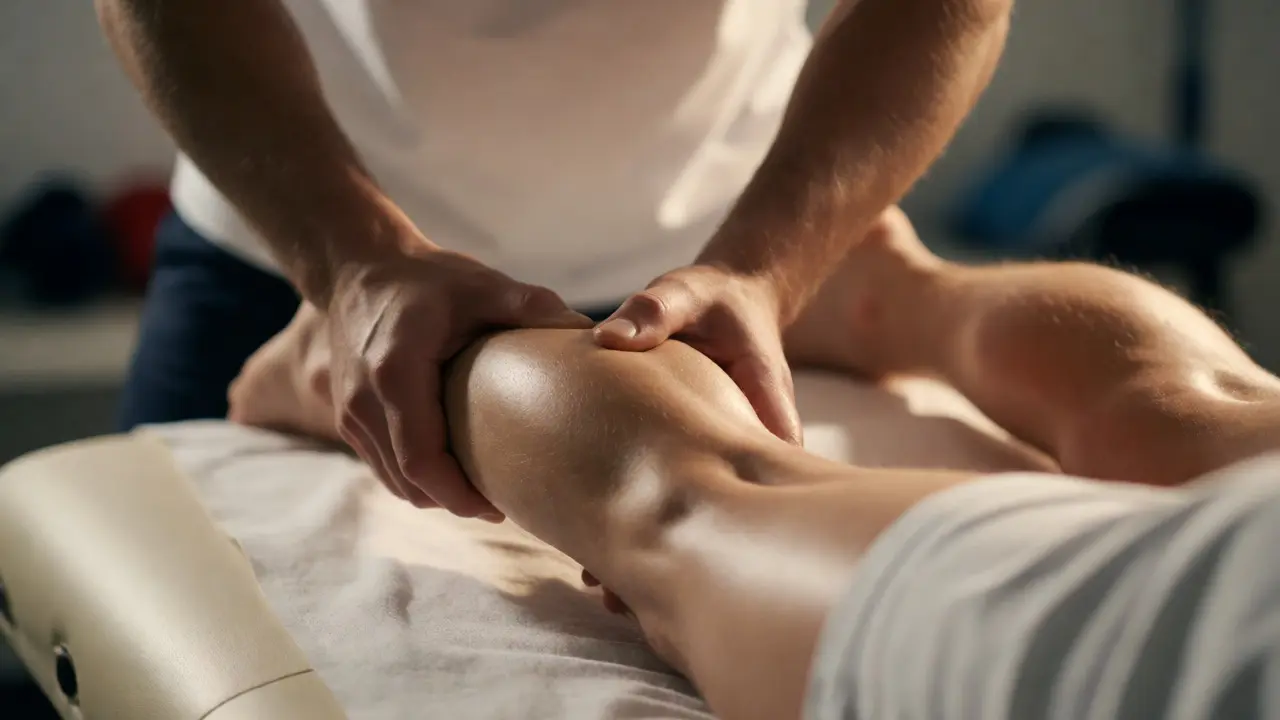
You’ve just finished a marathon, or maybe you tweaked your hamstring during a weekend footy match. The adrenaline fades, the pain sets in, and you’re left wondering: what now? Most people reach for ice packs and ibuprofen, but there’s a more active, hands-on approach that elite athletes have sworn by for decades. It’s not just about relaxation; it’s about mechanical repair. Sports massage is a specialized form of bodywork designed to manipulate soft tissues to enhance athletic performance and aid in recovery from physical exertion or injury. Unlike a spa rubdown aimed at calming the mind, this therapy targets specific muscle groups with precision, aiming to break down scar tissue and restore range of motion.
If you are dealing with an injury, waiting for it to "heal on its own" can often lead to chronic issues. Here is why integrating professional bodywork into your rehab plan isn't optional-it's essential.
The Science Behind Tissue Repair
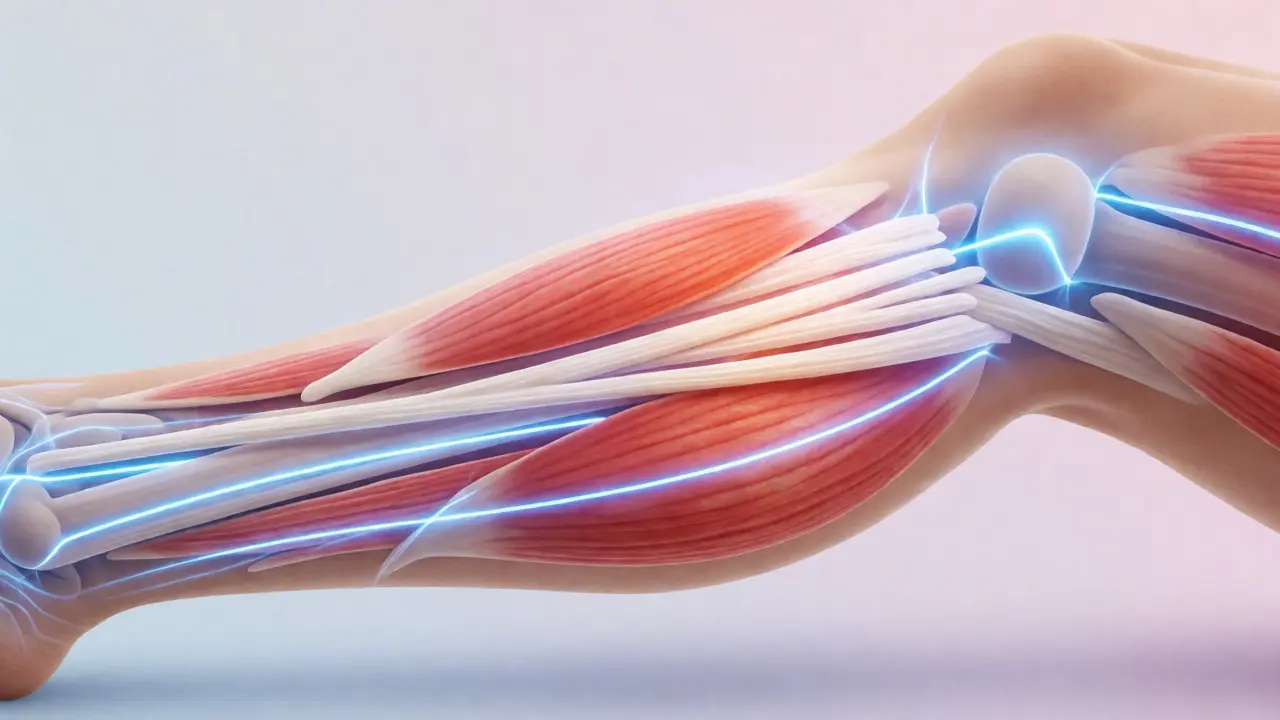
When you injure a muscle, your body rushes to protect it. It creates inflammation and lays down collagen fibers to patch the tear. Think of this like spackle on a wall. If you don’t work on that area while the collagen is still fresh and pliable, those fibers align randomly. This creates adhesions, commonly known as scar tissue, which are weaker and less flexible than healthy muscle fiber. Over time, these adhesions restrict movement and create trigger points-those tight, painful knots that refuse to let go.
Myofascial Release is a manual therapy technique involving applying sustained pressure to the connective tissue (fascia) to eliminate pain and restore motion. Fascia is the web-like structure that surrounds every muscle, bone, and organ. When it becomes restricted due to trauma or overuse, it pulls on everything connected to it. A skilled therapist uses slow, sustained strokes to stretch this fascia back out, allowing the underlying muscles to glide smoothly again. This isn't magic; it's biomechanics. By physically altering the viscosity of the ground substance within the fascia, we reduce friction and allow nutrients to flow where they are needed most.
Accelerating Recovery Through Circulation
One of the biggest bottlenecks in healing is waste removal. After intense exercise or injury, metabolic byproducts like lactate and hydrogen ions accumulate in the muscle tissue. While the old theory that massage "flushes out lactic acid" has been debunked by modern science, the mechanism of increased blood flow remains critical. Enhanced circulation brings oxygen-rich blood to damaged cells and carries away inflammatory markers that cause pain and swelling.
Consider the difference between resting a sprained ankle and actively managing it with massage. Rest prevents further damage, yes, but it doesn't speed up the delivery of healing agents. Manual stimulation increases local temperature and vasodilation, effectively widening the highways for your body's repair crew. Studies published in journals like the Journal of Athletic Training have shown that participants who received post-exercise massage experienced reduced delayed onset muscle soreness (DOMS) and improved flexibility compared to those who only rested. For someone recovering from a strain, this means getting back to training days, not weeks, sooner.
Preventing Compensatory Injuries
Here is a trap many amateurs fall into: they focus solely on the injured site. You hurt your knee, so you baby your leg. But the human body is a kinetic chain. If your right knee hurts, you unconsciously shift your weight to your left side. Suddenly, your left hip starts to ache because it’s doing double duty. Your lower back tightens up to stabilize the imbalance. Before long, you have three problems instead of one.
This is where the holistic nature of sports massage shines. A good therapist doesn't just look at your knee; they assess your entire posture and gait. They might find that your left calf is chronically tight, pulling on your Achilles tendon and altering your stride. By addressing these compensatory patterns early, we prevent the domino effect of secondary injuries. It’s about restoring balance, not just fixing a spot.
| Feature | Passive Rest | Sports Massage Integration |
|---|---|---|
| Tissue Alignment | Random collagen deposition (scar tissue) | Guided alignment along stress lines |
| Circulation | Reduced blood flow to inactive area | Increased nutrient delivery and waste removal |
| Range of Motion | Risk of stiffness and contracture | Maintains elasticity and joint mobility |
| Pain Management | Relies on medication or time | Endorphin release and gate-control theory |
| Return to Sport | Slower, higher risk of re-injury | Faster, structured progression |
Types of Massage for Different Rehab Stages
Not all massages are created equal, especially when you are injured. Showing up for a deep tissue session while you are still in the acute inflammatory phase (the first 48-72 hours after injury) can actually make things worse. You need to match the technique to the stage of healing.
- Acute Phase: Focus on gentle lymphatic drainage or light effleurage to reduce swelling without aggravating the tissue. The goal here is comfort and fluid management, not deep manipulation.
- Sub-Acute Phase: As inflammation subsides, therapists introduce deeper techniques like petrissage (kneading) to break up early adhesions and improve tissue extensibility.
- Remodeling Phase: This is where aggressive techniques come in. Deep transverse friction massage helps realign collagen fibers specifically along the line of pull required for sport-specific movements.
For example, if you are recovering from tennis elbow (Lateral Epicondylitis), a therapist will avoid rubbing the inflamed tendon directly in the early stages. Instead, they will work on the forearm flexors and extensors to reduce tension on the attachment point. Once the pain decreases, they will use cross-fiber friction to stimulate new tissue growth. Timing is everything.
The Psychological Edge
We often forget that injury is mentally taxing. Pain causes anxiety, and anxiety causes muscle guarding. When you are worried about re-injuring yourself, your nervous system stays in "fight or flight" mode, keeping your muscles tense and reactive. This hyper-vigilance slows down recovery because your body refuses to relax into the healing process.
Sports massage triggers the parasympathetic nervous system-the "rest and digest" state. Lower cortisol levels and increased serotonin production help calm the mind. When you feel physically cared for, your confidence returns. You trust your body again. For competitive athletes, this mental reset is often the missing link between being physically ready and actually performing well under pressure.

How to Choose the Right Therapist
Not every masseuse is qualified to handle sports rehabilitation. Look for credentials like Certified Sports Massage Therapist (CSMT) or qualifications from recognized bodies such as the Australian Association of Massage Therapists (AAMT). Ask them specific questions: Do they understand periodization? Can they coordinate with your physiotherapist? A good rehab massage therapist works as part of a team, not in isolation.
Be wary of anyone who promises a "cure" in one session. Real tissue remodeling takes time. Expect some discomfort during deep work, but never sharp pain. Communication is key-if it hurts too much, speak up. The goal is therapeutic pressure, not torture.
Practical Tips for Self-Maintenance
While professional sessions are vital, you can extend their benefits between appointments. Use a foam roller or lacrosse ball to target large muscle groups like quads and glutes. Keep sessions short-5 to 10 minutes per area-to avoid bruising. Hydrate aggressively after any bodywork; water helps flush out the metabolic waste released by the massage. And listen to your body. If a certain movement feels off, stop and consult your therapist before pushing through.
Integrating sports massage into your routine transforms it from a luxury into a maintenance tool. It bridges the gap between medical treatment and athletic performance, ensuring that you don't just heal, but heal stronger.
How soon after an injury should I get a sports massage?
It depends on the severity. For minor strains, wait 48-72 hours until the acute inflammation subsides. For severe injuries, consult your doctor or physiotherapist first. Gentle lymphatic massage may be appropriate earlier to manage swelling, but deep tissue work should usually wait until the sub-acute phase begins.
Is sports massage supposed to hurt?
You should feel pressure, and sometimes a "good hurt," but never sharp or stabbing pain. If you are flinching or holding your breath, the therapist is working too hard. Effective rehab massage should leave you feeling relieved and looser, not battered and bruised.
Can sports massage replace physical therapy?
No, they are complementary. Physical therapy focuses on strengthening, stability, and functional movement patterns. Sports massage addresses soft tissue quality, circulation, and pain relief. Ideally, you use both: massage prepares the tissue so you can perform PT exercises more effectively and with less pain.
How often should I get a sports massage during rehab?
During active rehabilitation, once a week is common to maintain progress. As you transition to maintenance, bi-weekly or monthly sessions may suffice. The frequency should decrease as your symptoms resolve and your strength improves, guided by your therapist’s assessment.
What should I do after a sports massage?
Drink plenty of water to help flush out toxins. Avoid intense exercise for at least 24 hours to allow the tissues to settle. Gentle stretching or walking is fine, but heavy lifting or sprinting immediately after deep work can irritate the freshly manipulated muscles.