
Stress doesn't just sit in your head. It knots up your shoulders, tightens your jaw, and keeps you awake at 3 AM staring at the ceiling. You might be drinking green tea, doing yoga, or taking magnesium supplements, but that underlying hum of anxiety remains. This is where Reiki often gets overlooked. It’s easy to dismiss as "woo-woo" nonsense when you’re looking for tangible results. But what if the missing piece of your puzzle isn’t another supplement, but a way to actually switch off your nervous system?
Integrating Reiki into your daily life isn't about becoming a spiritual guru overnight. It’s about adding a tool that forces you to pause, breathe, and reset. Whether you receive professional sessions or practice self-Reiki, the goal is simple: lower cortisol, improve sleep, and reclaim your mental space.
Key Takeaways
- Reiki activates the relaxation response: Studies show it significantly lowers heart rate and blood pressure, helping to counteract chronic stress.
- You can do it yourself: Self-Reiki requires no special equipment, making it a free, accessible addition to any morning or evening routine.
- It complements other therapies: Reiki works best when combined with mindfulness, meditation, or physical therapy, enhancing their effects rather than replacing them.
- Consistency beats intensity: Short, regular practices yield better long-term results than occasional deep dives.
What Exactly Is Reiki? (Without the Mysticism)
Let’s strip away the incense and crystal bowls for a moment. Reiki is a Japanese technique for stress reduction and relaxation that also promotes healing. Developed by Mikao Usui in the early 1900s, the word itself comes from two Japanese words: "rei" meaning universal or spirit, and "ki" meaning life force energy.
In practical terms, Reiki is a form of energy healing. Practitioners place their hands lightly on or just above your body in a series of positions. The idea is that this facilitates the flow of energy through you, removing blockages and restoring balance. While science can’t measure "energy" in the same way it measures blood sugar, it *can* measure the physiological effects of Reiki. Research published in journals like the Journal of Clinical Nursing has shown that patients undergoing Reiki report significant reductions in pain, anxiety, and depression scores compared to control groups.
Think of it less like magic and more like a deep-system reboot. When you’re stressed, your sympathetic nervous system (fight or flight) is stuck in the "on" position. Reiki helps engage the parasympathetic nervous system (rest and digest), allowing your body to repair itself.
The Science Behind the Sensation
If you’re skeptical, you’re not alone. Many people approach Reiki with one eye open. However, the biological mechanisms at play are well-documented, even if the "energy" aspect remains metaphysical.
- Cortisol Reduction: Chronic stress elevates cortisol, which leads to inflammation, weight gain, and brain fog. Reiki sessions have been linked to measurable drops in salivary cortisol levels.
- Vagal Tone Improvement: By promoting deep relaxation, Reiki stimulates the vagus nerve. This improves heart rate variability (HRV), a key marker of resilience and emotional regulation.
- Pain Gate Theory: The gentle touch and focused attention during a session can distract the brain from pain signals, effectively closing the "gate" to discomfort.
Consider Sarah, a software developer in Toronto who suffered from chronic migraines. After trying medication without lasting success, she added weekly Reiki sessions to her routine. Within three months, her migraine frequency dropped by half. Was it placebo? Maybe partially. But the result was real: fewer headaches, less tension, and more productivity.
How to Build Reiki Into Your Daily Routine
You don’t need to book expensive appointments every week to benefit from Reiki. In fact, the most powerful changes happen when you make it a habit. Here is how to weave it into your existing schedule.
Morning Grounding (5 Minutes)
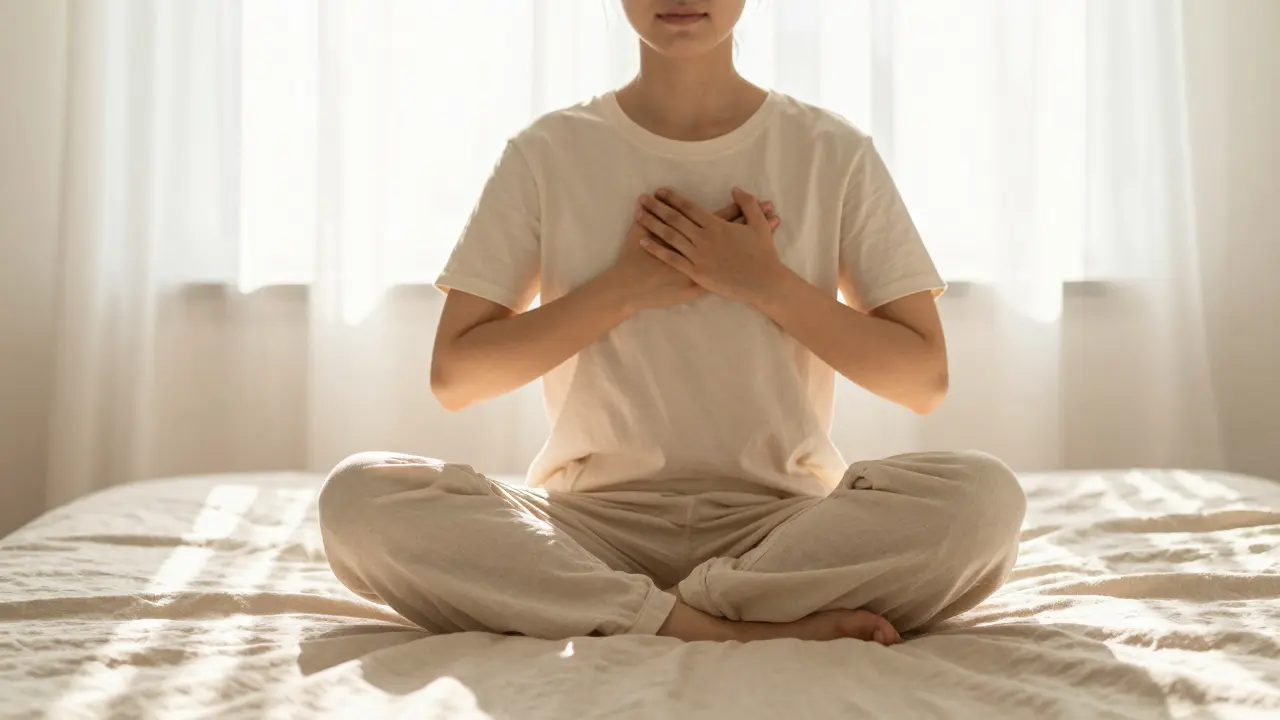
Start your day before checking your phone. Sit comfortably on the edge of your bed or in a chair. Place your hands over your heart center. Close your eyes and take ten deep breaths. Visualize a warm, golden light filling your chest. This sets an intention for calmness and centers your nervous system before the chaos begins.
Mid-Day Reset (2 Minutes)
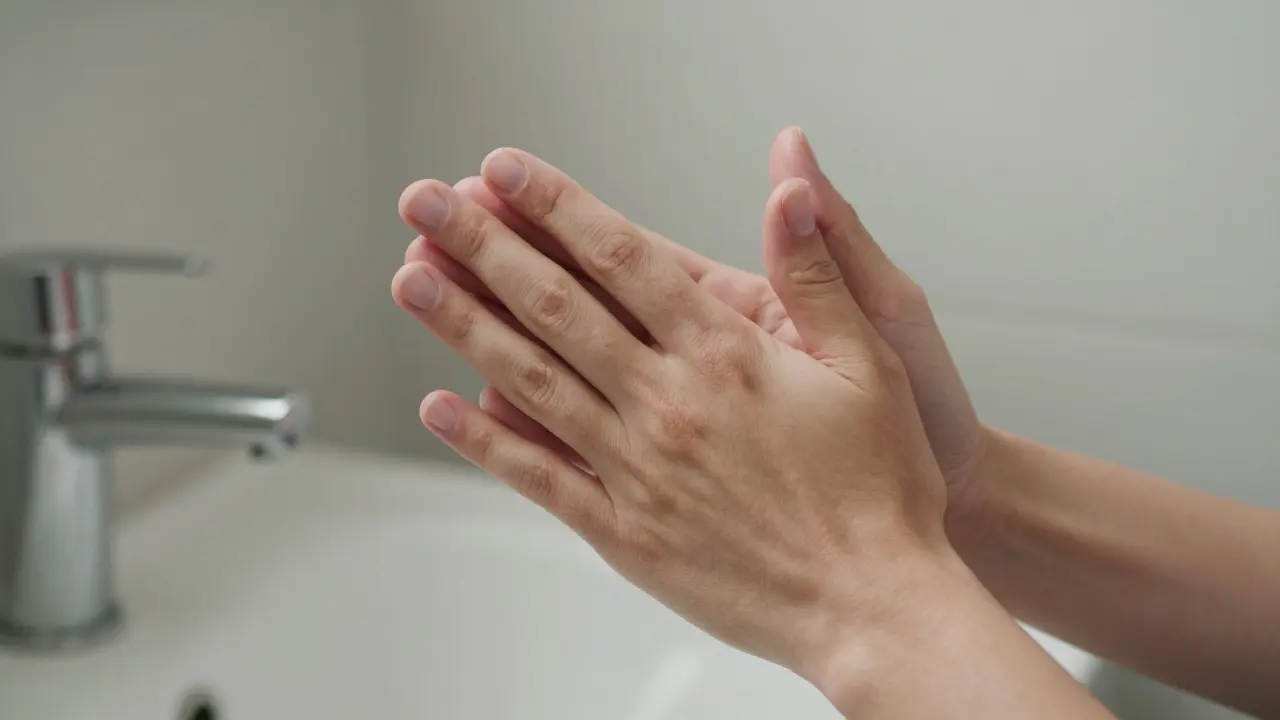
Feeling overwhelmed at work? Step into the bathroom or a quiet corner. Rub your hands together vigorously until they feel warm. Place them gently on your forehead or behind your ears. Breathe deeply for six cycles. This quick "self-Reiki" break can snap you out of a panic spiral and restore focus.
Evening Wind-Down (10 Minutes)
Lie down in bed. Start with your hands resting on your abdomen. Slowly move them up to your chest, then your throat, and finally rest them on your temples. Scan your body for tension. Imagine the warmth in your hands melting away any stiffness. This signals to your brain that the day is over and it’s time to sleep.
Self-Reiki vs. Professional Sessions: Which Do You Need?
This is a common dilemma. Both have their place, but they serve different purposes. Understanding the difference helps you allocate your time and budget wisely.
| Feature | Self-Reiki | Professional Session |
|---|---|---|
| Cost | Free | $60-$120 per hour |
| Accessibility | Anytime, anywhere | Requires scheduling and travel |
| Depth of Relaxation | Moderate; good for maintenance | d>Deep; allows full surrender|
| Best For | Daily stress management, sleep aid | Acute trauma, deep emotional release, chronic pain |
| Learning Curve | Low (basic hand positions) | N/A (practitioner guides you) |
If you are dealing with acute grief, severe burnout, or chronic physical pain, start with a professional. A trained practitioner can sense energy blockages you might miss and guide you through deeper releases. Once you’ve established a baseline of calm, transition to self-Reiki for daily maintenance.

Common Mistakes to Avoid
Even simple practices can go wrong if approached incorrectly. Here are three pitfalls that keep people from getting results.
- Expecting Instant Miracles: Reiki is cumulative. One session won’t cure years of anxiety. Think of it like exercise; you don’t get fit after one gym visit. Consistency is key.
- Fighting the Process: During a session, you might feel tingling, heat, cold, or even emotions rising. Don’t try to control these sensations. Let them flow through you. Resistance creates tension.
- Neglecting Hydration: Energy work can stir up toxins stored in tissues. Drink plenty of water after a session to help your body flush out waste products.
Combining Reiki With Other Self-Care Practices
Reiki doesn’t exist in a vacuum. It shines brightest when paired with other holistic habits. Here are some effective combinations:
- Reiki + Meditation: Use Reiki hand positions while meditating to deepen your focus and ground your energy.
- Reiki + Yoga: Practice Reiki on your mat after Savasana (corpse pose) to enhance the relaxation benefits of your stretch.
- Reiki + Journaling: After a self-Reiki session, write down any insights or emotions that surfaced. This helps process subconscious material.
Is Reiki Right for You?
Reiki is generally safe for everyone, including children and pets. However, it should never replace medical treatment. If you have a serious health condition, consult your doctor first. Reiki is a complementary therapy, not a cure-all.
If you’ve tried everything else and still feel stuck, give Reiki a chance. Approach it with an open mind but realistic expectations. You might find that this ancient Japanese practice holds the key to unlocking the calm you’ve been searching for.
Do I need to believe in energy healing for Reiki to work?
No. You do not need to believe in the metaphysical aspects of Reiki for it to provide benefits. The relaxation response triggered by the gentle touch and focused breathing is physiological. Many skeptics experience reduced stress and improved sleep simply because the practice encourages deep rest and mindfulness.
How many Reiki sessions does it take to see results?
Results vary by individual. Some people feel immediate relaxation after the first session. For chronic issues like anxiety or pain, most practitioners recommend a series of 4-6 sessions spaced one week apart to establish a new baseline. After that, monthly maintenance or daily self-Reiki is often sufficient.
Can I do Reiki on myself?
Yes, self-Reiki is highly effective and encouraged. You can place your hands on various parts of your body, such as your head, heart, or abdomen, while focusing on your breath. There are no strict rules; follow what feels natural and comfortable for you.
Does Reiki hurt?
Reiki is completely non-invasive and painless. The practitioner’s hands may touch your clothing or float slightly above your skin. You may feel warmth, tingling, or pressure, but these sensations are typically described as pleasant and soothing.
What should I wear to a Reiki session?
Wear loose, comfortable clothing. You remain fully clothed during the session. Avoid restrictive items like tight belts or heavy jewelry that might cause discomfort while lying down.
Is Reiki covered by insurance?
Coverage varies widely. Some health insurance plans in Canada and the US offer limited coverage for complementary therapies if referred by a healthcare provider. Check with your specific insurer. Otherwise, Reiki is typically an out-of-pocket expense.
Can Reiki help with sleep issues?
Yes, many people use Reiki specifically for insomnia. The deep relaxation induced by the practice helps regulate the nervous system, making it easier to fall asleep and stay asleep. Practicing self-Reiki in bed before sleeping can be particularly effective.
How do I find a qualified Reiki practitioner?
Look for practitioners certified by recognized organizations such as the International Center for Reiki Training (ICRT) or the American Association of Reiki Therapists (AART). Read reviews, ask about their training lineage, and trust your intuition when choosing someone you feel comfortable with.