
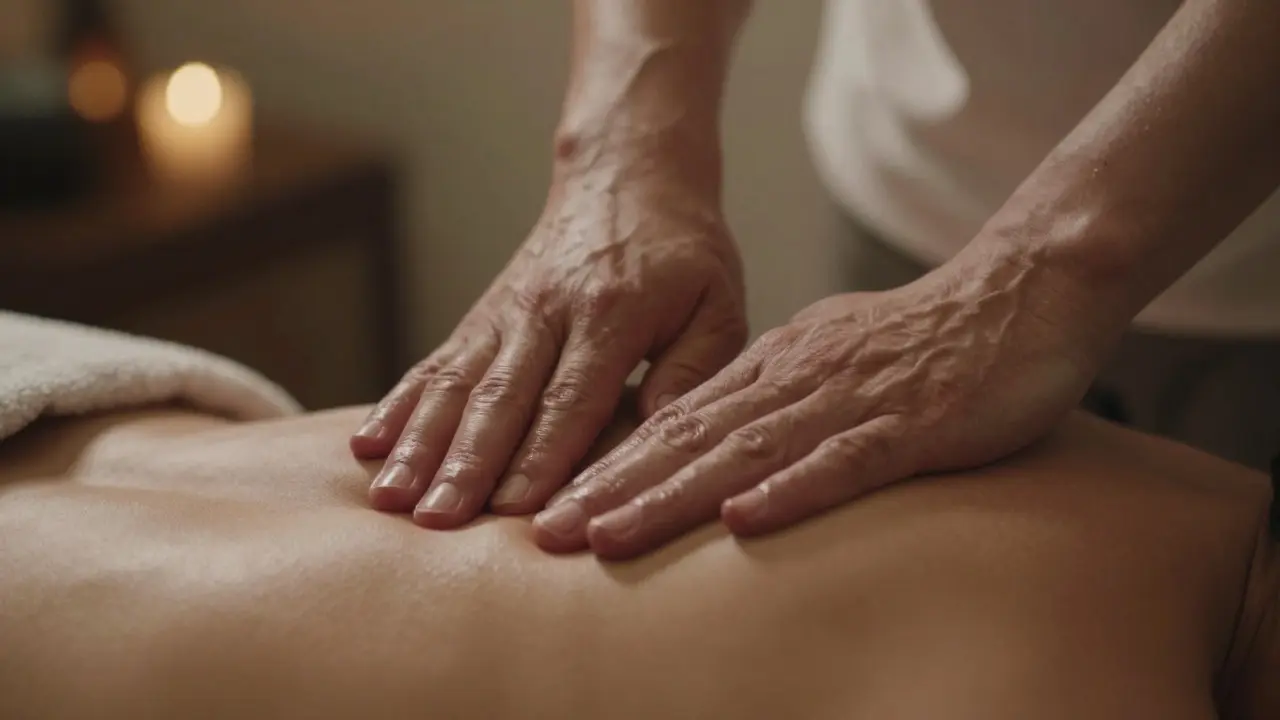
You have probably had a massage where the therapist was glancing at their phone or worrying about the clock. Now imagine that same session, but the practitioner cannot see you at all. That is Blind Massage, a specialized form of bodywork performed by therapists who are visually impaired. It sounds counterintuitive to some-how can they find the knots if they cannot see them? The answer lies in a phenomenon called sensory compensation. When vision is absent, the brain reallocates resources to other senses, particularly touch and hearing. This isn't just a cute trick; it creates a distinct therapeutic experience that many clients describe as more intuitive, precise, and deeply relaxing than standard treatments.
The Science Behind Enhanced Tactile Sensitivity
It is not magic. It is neuroplasticity. Research suggests that individuals who are blind from an early age develop enhanced tactile discrimination. Their somatosensory cortex-the part of the brain that processes touch-often expands to cover more area than in sighted people. This means a blind therapist can detect subtle changes in muscle tension, skin temperature, and tissue texture that a sighted therapist might miss. They aren't guessing; they are reading your body with a level of detail that visual cues often distract from.
Think about how you navigate a dark room. You use your hands to feel the walls. A blind massage therapist does this professionally, every day. They rely on haptic feedback loops. If a muscle feels tight, they adjust pressure instantly based on resistance, not based on what they think it looks like. This leads to a more responsive treatment. You don't get a generic 'rubbing' motion; you get targeted work on specific adhesions because the therapist feels exactly where the restriction is.
Why Removing Sight Changes the Dynamic
Visual bias is real. Sighted therapists sometimes treat what they see rather than what they feel. They might focus on a visibly swollen area while ignoring a deeper, less obvious issue elsewhere. Blind massage removes this bias entirely. There is no judgment of posture, no distraction by tattoos or scars, and no assumption based on appearance. The interaction becomes purely about physical sensation and communication through touch.
This shift also affects the client. Many people feel self-conscious during massages, worrying about how they look or whether they are breathing correctly. With a blind therapist, that social anxiety often drops away. You are not being watched. This psychological safety allows muscles to relax more fully, which actually makes the massage more effective. It is a paradox: by removing the visual element, you gain a deeper physical release.
Communication Through Touch and Sound
Since visual cues are off the table, blind massage relies heavily on verbal and non-verbal auditory cues. Therapists are trained to listen for changes in your breathing pattern. A sharp inhale tells them to ease up before you even say a word. A sigh indicates deep relaxation. This creates a feedback loop that is highly attuned to your immediate physiological state.
Furthermore, the language used during these sessions tends to be different. Instead of saying "I see a knot here," a therapist might say, "I feel a lot of resistance in this shoulder blade." This shifts the focus from aesthetics to function. It helps clients understand their own bodies better. You start to recognize where you hold stress, not because someone pointed it out visually, but because you felt the relief when it was addressed.

Comparing Blind Massage to Standard Bodywork
If you are wondering how this stacks up against traditional Swedish or Deep Tissue massage, consider the following breakdown. While both aim to relieve pain and promote relaxation, the approach differs significantly.
| Feature | Blind Massage | Standard Sighted Massage |
|---|---|---|
| Primary Sensory Input | Tactile (Touch), Auditory (Sound) | Visual (Sight), Tactile (Touch) |
| Focus Area | Symptom-based, felt restrictions | Often anatomy-based, visible areas |
| Client Comfort | High privacy, reduced self-consciousness | Variable, may involve visual judgment |
| Precision Method | Detects micro-tensions via hand sensitivity | Identifies large muscle groups visually |
| Feedback Loop | Immediate adjustment to breath/sound | Verbal check-ins, visual observation |
Training and Professional Standards
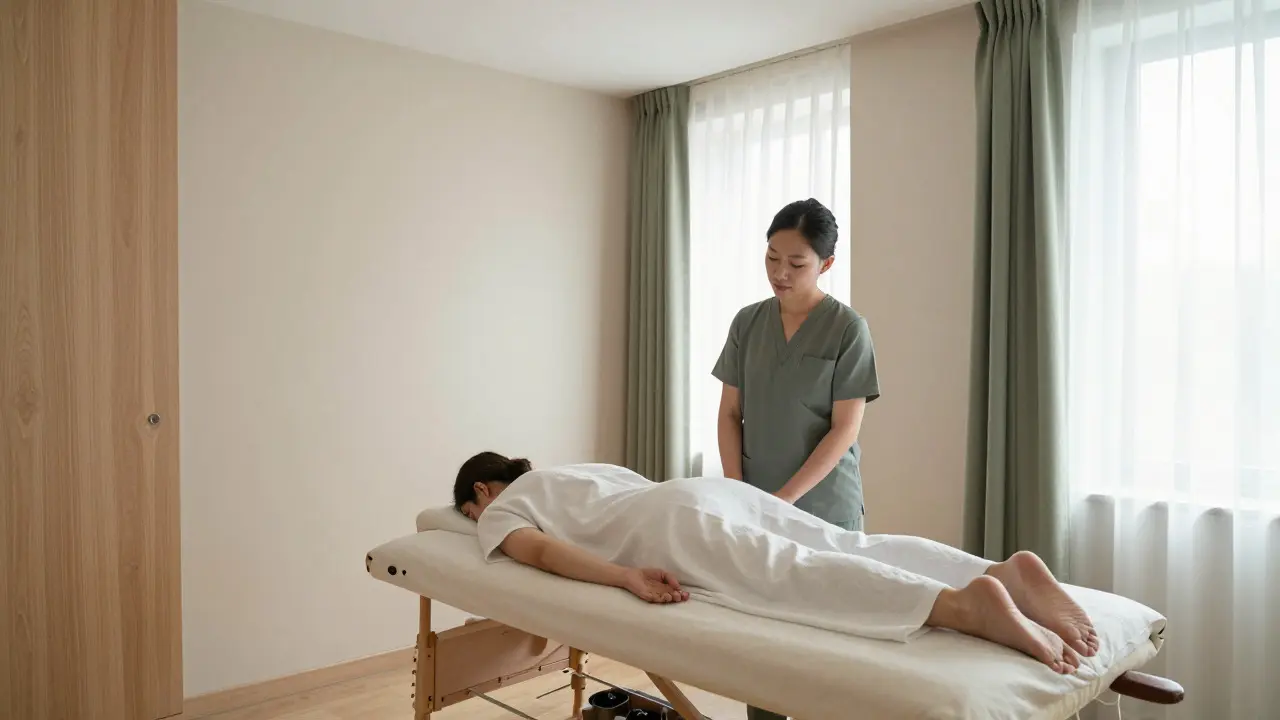
Don't assume that just because someone is blind, they automatically know how to massage. These therapists undergo rigorous training, often comparable to or exceeding that of sighted counterparts. Institutions like the National Institute for the Blind or specialized vocational schools provide comprehensive curricula covering anatomy, physiology, and ethics. They learn to palpate tissues with high precision. In the UK, for example, many blind therapists are registered with professional bodies such as the Complementary and Natural Healthcare Council (CNHC), ensuring they meet strict hygiene and competency standards.
They also master specific techniques designed for tactile navigation. Techniques like Shiatsu or Trigger Point Therapy work exceptionally well here because they rely on pressure points and structural alignment rather than broad sweeping strokes that require visual confirmation of flow. The result is a treatment plan that is highly individualized. No two sessions are identical because the therapist responds to the unique landscape of your body on that specific day.
Overcoming Common Misconceptions
One big fear potential clients have is safety. Will they hit a bone? Will they press too hard? In reality, blind therapists are often more cautious initially because they lack visual confirmation. They ask for consent frequently and check in on pressure levels. Another misconception is that they cannot handle complex conditions. On the contrary, many blind therapists specialize in chronic pain management because their heightened sensitivity allows them to track progress over time with great accuracy.
Some worry about the awkwardness of silence. But most blind massage environments are calm and focused. The lack of eye contact can actually make conversation easier for introverts. You can talk if you want, or drift into a meditative state without feeling like you need to perform socially. It is a space free from the gaze of others, which is rare in modern healthcare settings.
Who Benefits Most From This Approach?
While anyone can enjoy blind massage, certain groups tend to benefit disproportionately. Individuals with chronic pain conditions, such as fibromyalgia or lower back issues, often report better outcomes due to the nuanced detection of trigger points. Athletes recovering from injuries appreciate the detailed feedback on muscle recovery. People with anxiety disorders find the non-judgmental nature of the therapy soothing. And frankly, anyone tired of being looked at during vulnerable moments will likely find this refreshing.
It is also worth noting that supporting blind massage provides economic empowerment for visually impaired professionals. By choosing this service, you are engaging with a skilled workforce that offers a unique value proposition. It is a win-win: you get a potentially superior therapeutic experience, and you support inclusive employment practices.
Frequently Asked Questions
Is blind massage safe for first-time clients?
Yes, it is generally very safe. Blind therapists are trained professionals who prioritize client comfort. Because they rely on touch, they are often more attentive to signs of discomfort, adjusting pressure immediately to prevent injury. Always communicate your medical history clearly before starting.
How do blind therapists navigate the room and my body?
They use systematic scanning techniques with their hands to map out muscle groups and bony landmarks. Their training emphasizes spatial awareness and memory. They build a mental model of your body structure quickly, allowing them to move confidently and accurately across different areas.
Will the massage be less intense than a deep tissue massage?
Not necessarily. Intensity depends on the technique requested and your tolerance, not the therapist's eyesight. Blind therapists can apply significant pressure. However, they may achieve deep results with less force because they target specific fibers more precisely, reducing the need for brute strength.
Do I need to explain my condition differently?
You should describe symptoms using sensory terms rather than visual ones. Instead of saying "it looks red," say "it feels hot" or "it hurts when I move this way." This aligns with the therapist's primary mode of understanding and helps them tailor the treatment effectively.
Are blind massage therapists certified?
In most developed countries, yes. Look for registration with recognized health bodies. For instance, in the UK, CNHC registration is a strong indicator of professionalism. Training programs for blind therapists are accredited and cover the same anatomical knowledge as sighted programs.