
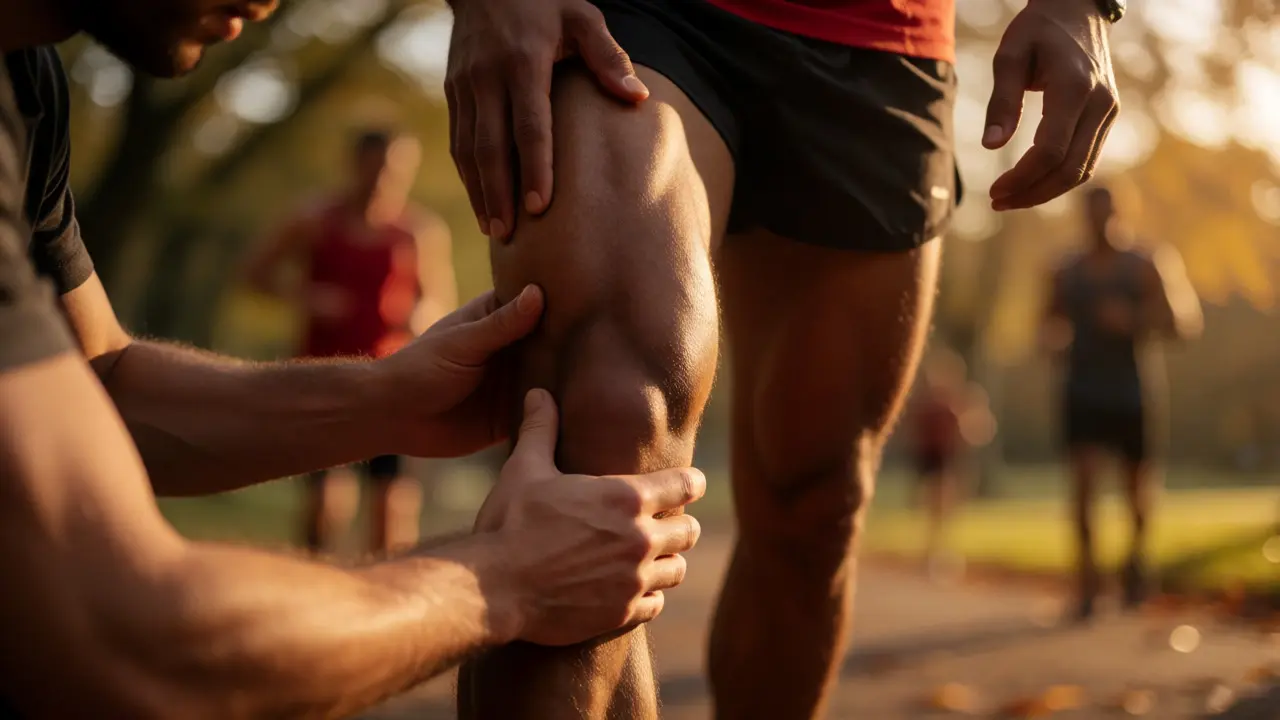
You just crushed a 10K run or lifted heavy at the gym, and your quads feel like concrete blocks. You know you need to recover, but is a standard Swedish massage enough? Probably not. Sports massage is a specialized form of bodywork designed specifically for athletes and active individuals to enhance performance, prevent injuries, and accelerate recovery. Unlike general relaxation massages, it targets specific muscle groups used in your sport, using techniques that range from gentle effleurage to deep friction.
Think of sports massage as maintenance for your engine. If you drive a race car, you don't just wash it; you tune the suspension and check the tires. Sports massage does the same for your muscles. It’s not just about feeling good-it’s about function. Whether you’re a weekend warrior or a pro athlete, understanding how this therapy works can change how you train and recover.
What Exactly Is Sports Massage?
At its core, sports massage falls under the umbrella of soft tissue therapy. It combines elements of Swedish massage with deeper, more aggressive techniques like deep tissue massage, trigger point therapy, and stretching. The goal isn't always relaxation; sometimes, it's pain relief and mobility restoration.
There are three main types you’ll encounter:
- Pre-event massage: Done 15-45 minutes before competition. It’s fast-paced, lighter pressure, and aims to stimulate blood flow and wake up the nervous system.
- Post-event massage: Performed within two hours after activity. This focuses on flushing out metabolic waste products like lactate and reducing stiffness.
- Maintenance (training) massage: Regular sessions during training cycles. This is where the real long-term benefits happen, addressing chronic tightness and imbalances before they become injuries.
The Science Behind the Relief
Why does pressing on a knot actually help? It’s not magic; it’s physiology. When you exercise intensely, your muscles contract repeatedly. Over time, these fibers can stick together, forming adhesions or "knots" known medically as myofascial trigger points. These restrict movement and cause pain.
Sports massage applies mechanical pressure to break down these adhesions. This process increases local blood circulation, delivering oxygen and nutrients while removing waste products. Research published in the Journal of Physiology suggests that massage reduces inflammation markers in muscle tissue after intense exercise. Specifically, it inhibits the production of cytokines, which are proteins involved in inflammation. So, when you get a sports massage, you’re literally telling your cells to calm down the inflammatory response.
Another key mechanism is the neurological effect. Deep pressure stimulates mechanoreceptors in your skin and fascia. These receptors send signals to your brain that override pain signals, a concept known as the gate control theory of pain. Essentially, the sensation of touch blocks the sensation of pain. Plus, massage lowers cortisol levels-the stress hormone-and boosts serotonin and dopamine, improving mood and sleep quality, both critical for recovery.
Physical Benefits Beyond Muscle Soreness
Most people seek sports massage for delayed onset muscle soreness (DOMS). While it helps there, the benefits go much wider. Let’s look at what regular sessions can do for your body:
| Benefit Category | Description | Impact on Athletes |
|---|---|---|
| Flexibility & Range of Motion | Stretches fascia and releases tight muscles. | Allows for fuller movement patterns, reducing strain on joints. |
| Injury Prevention | Identifies minor imbalances before they tear. | Catches issues like IT band tightness early. |
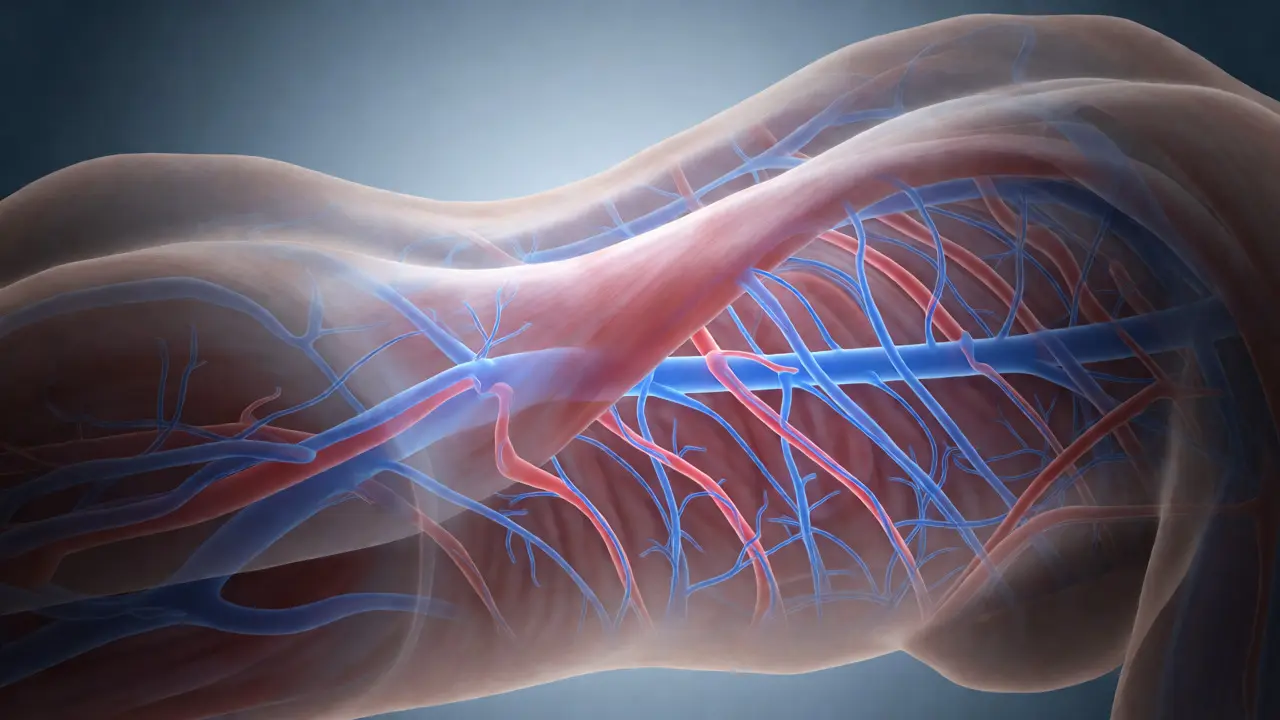
| Blood Circulation | Promotes venous return and lymphatic drainage. | Faster removal of metabolic waste post-exercise. |
| Edema Reduction | Helps move excess fluid out of tissues. | Reduces swelling after acute injuries or intense effort. |
Consider flexibility. Tight hamstrings can pull on your pelvis, causing lower back pain. A therapist focusing on your posterior chain can lengthen those muscles without forcing them, restoring natural alignment. This isn't just about touching toes; it's about moving efficiently. Efficient movement means less energy wasted and lower risk of overuse injuries like tendinitis.
Mental and Psychological Edge
Athletes often overlook the mental side of physical performance. Training is stressful. Competitions are stressful. Life is stressful. High stress elevates cortisol, which breaks down muscle tissue and hinders recovery. Sports massage acts as a powerful reset button for your nervous system.
By activating the parasympathetic nervous system-the "rest and digest" mode-massage shifts your body out of fight-or-flight. This shift improves sleep quality, which is when most actual repair happens. Better sleep equals better reaction times, sharper focus, and improved emotional regulation during high-pressure moments. Many runners report feeling "lighter" mentally after a session, not just physically. That clarity can be the difference between hitting a personal best or having an off day.
When to Schedule Your Session
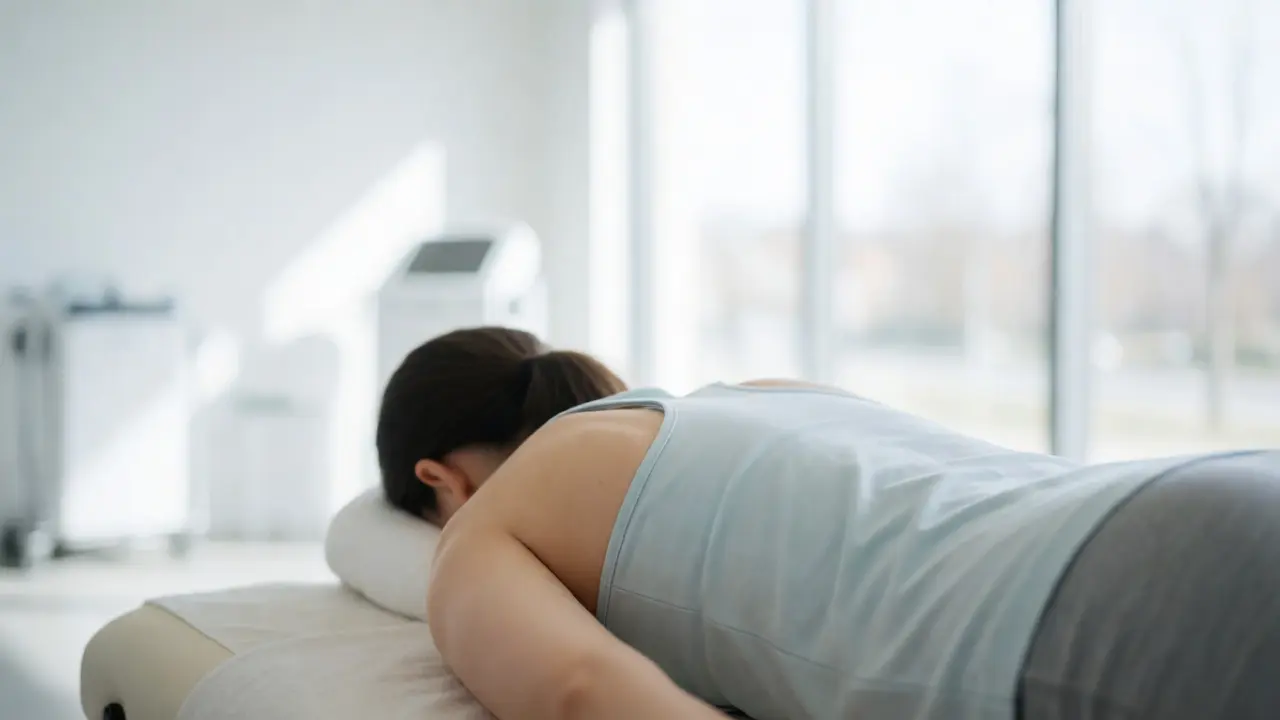
Timing matters. Showing up for a deep tissue session the night before a marathon might leave you too relaxed or even slightly sore. Here’s a practical guide:
- During Heavy Training Blocks: Schedule maintenance massages every 2-4 weeks. Focus on areas prone to tension based on your sport (e.g., shoulders for swimmers, calves for runners).
- Before Competition: Keep it light and quick. Avoid deep work that could fatigue muscles. Aim for stimulation rather than relaxation.
- After Competition: Wait until the initial acute inflammation subsides (usually 24-48 hours later) for deeper work. Immediate post-event should be gentle flushing.
- For Injury Rehab: Work closely with your physiotherapist. Massage complements rehab exercises but doesn't replace them.
Hydration is crucial. Drink water before and after your session. Massage mobilizes toxins and waste products into your bloodstream, and your kidneys need water to filter them out. If you skip hydration, you might feel groggy or nauseous afterward.
Choosing the Right Practitioner
Not all massage therapists are trained in sports-specific techniques. Look for certifications like Certified Sports Massage Therapist (CSMT) or degrees in athletic training. Ask them directly: "Do you treat athletes in my sport?" A therapist who understands the biomechanics of cycling will approach a cyclist differently than one who treats office workers.
Communication is key. Don’t be shy about saying "that hurts" or "press harder." Pain should be manageable-a "good hurt," not sharp agony. If a therapist ignores your feedback, find someone else. Trust your instincts. If you feel unsafe or unheard, the therapeutic alliance fails, and so does the treatment.
How often should I get a sports massage?
It depends on your activity level. Professional athletes might get weekly sessions. Recreational athletes benefit from monthly maintenance massages. If you're dealing with a specific injury, your therapist may recommend bi-weekly sessions initially, then tapering off as you heal.
Is sports massage painful?
It can be uncomfortable, especially if you have significant tension or adhesions. However, it shouldn't be excruciating. The goal is to release tension, not bruise tissue. Communicate with your therapist to adjust pressure. Post-massage soreness is common but should fade within 24 hours.
Can sports massage help with weight loss?
Indirectly, yes. By reducing stress hormones like cortisol, which can contribute to abdominal fat storage, and by improving circulation and metabolism, it supports overall health. However, it is not a substitute for diet and exercise. Think of it as a support tool for your fitness journey, not a primary weight-loss method.
What should I wear to a sports massage?
Wear comfortable, loose-fitting clothing that allows easy access to the limbs and back. For full-body treatments, you'll likely undress to your comfort level, using draping sheets for privacy. Some therapists prefer clients to wear shorts for leg-focused work. Check with your provider beforehand.
Are there risks associated with sports massage?
Risks are low for healthy individuals. However, avoid deep tissue work if you have open wounds, severe inflammation, fever, or certain medical conditions like blood clots or osteoporosis. Always disclose your medical history to your therapist. Temporary soreness or bruising can occur but is usually mild.