
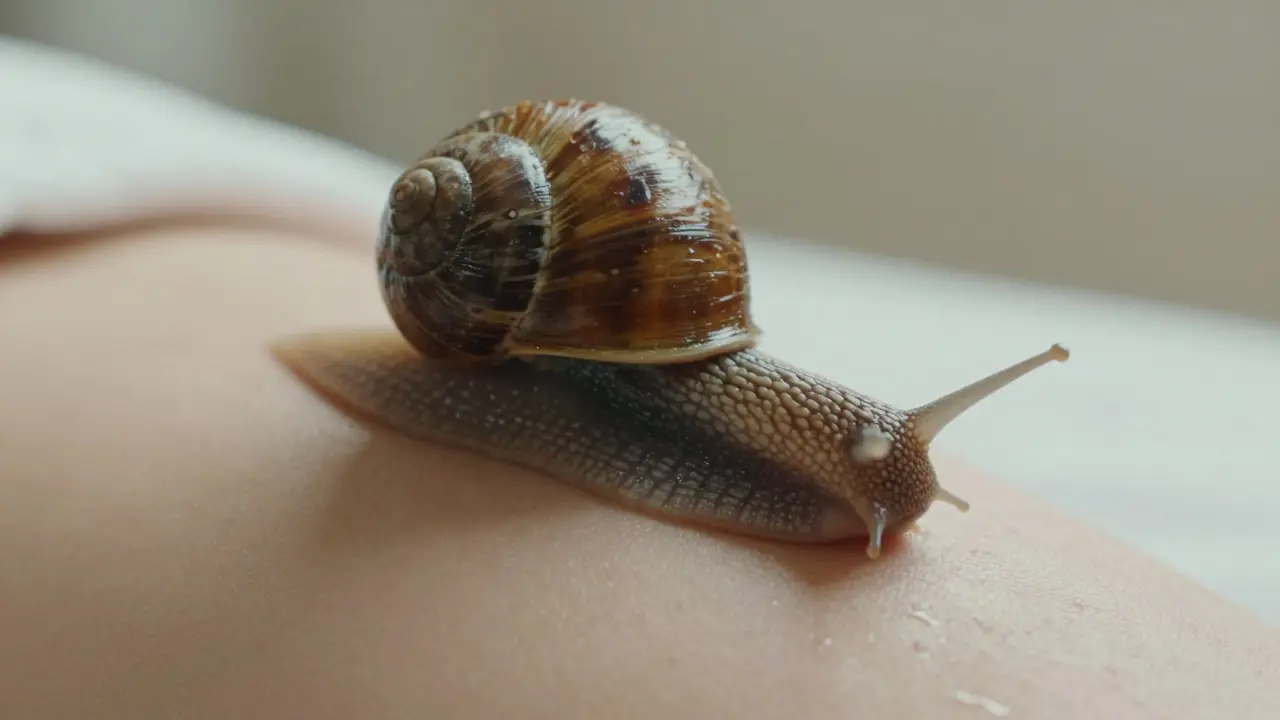
Imagine a creature with no bones, no teeth, and a slime trail gliding slowly across your cheek. It sounds like the start of a horror movie, but for thousands of people, this is the ultimate relaxation technique. Snail facial massage has exploded in popularity on social media, promising everything from wrinkle reduction to deep emotional healing. But before you book an appointment or buy a kit, it’s crucial to understand what’s actually happening under that slimy surface.
This isn’t just about applying a product; it’s about introducing a live animal to your most sensitive skin area. The trend sits at a weird intersection of K-beauty innovations, holistic wellness, and ancient folklore. Some swear by the results, citing softer skin and better circulation. Others point to serious hygiene risks and ethical concerns. So, does it work? Is it safe? And why are we letting garden pests crawl on our faces?
What exactly is snail facial massage?
Snail facial massage is a beauty treatment where live snails are placed on the face to allow their natural mucus to interact with the skin while gentle pressure is applied for lymphatic drainage. Unlike standard facials that use creams or serums, this method relies on the biological secretion of the snail, known as snail mucin, combined with the physical sensation of the animal moving across the skin.
The Science Behind the Slime
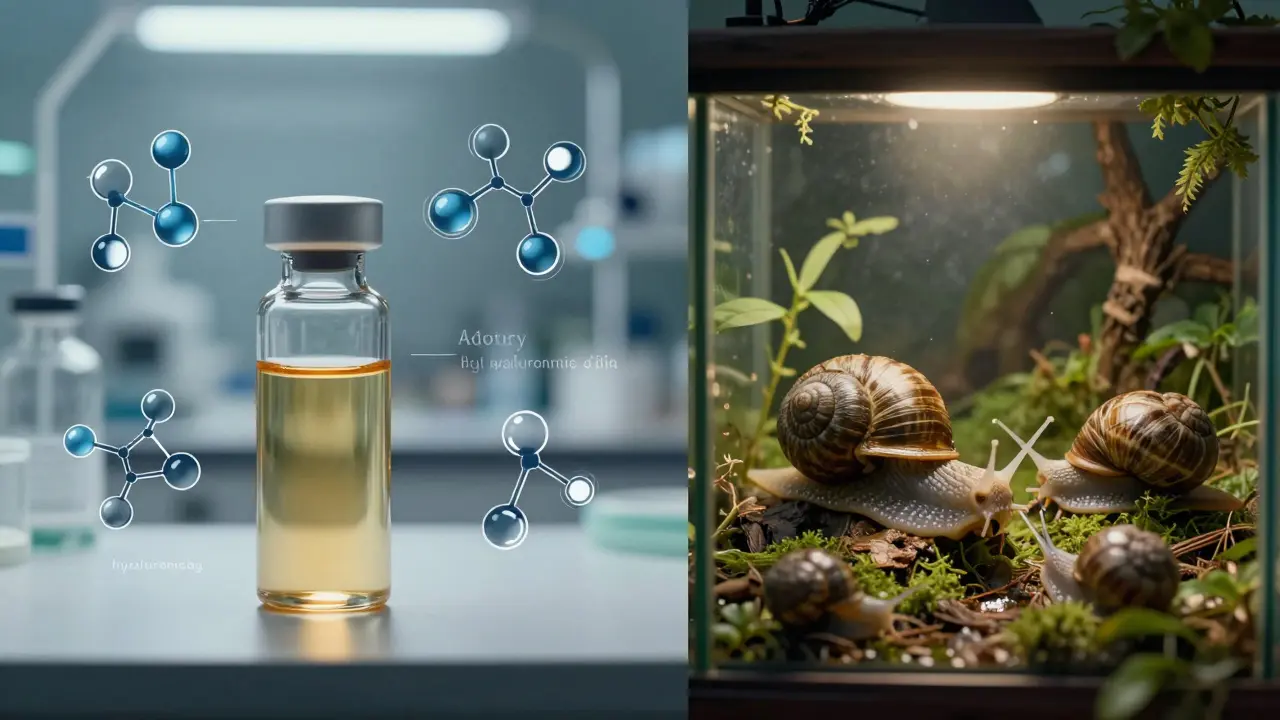
To understand why this trend took off, you have to look at the ingredients in snail mucin. For decades, Korean skincare brands have used processed snail secretions in serums and moisturizers. The science is solid here. Snail mucin contains glycoproteins, hyaluronic acid, glycolic acid, and antimicrobial peptides. These components help hydrate the skin, promote cell regeneration, and can reduce the appearance of acne scars.
However, there is a massive difference between a sterile, filtered serum applied with clean hands and a live snail crawling on your face. In a clinical setting, the mucin is extracted, purified, and standardized. When you bring a live animal into the mix, you lose control over the concentration of these active ingredients. You also introduce variables that skincare chemists usually filter out.
The "massage" part of the treatment involves the therapist guiding the snail or using their hands to perform lymphatic drainage while the snail is present. Proponents claim that the gentle friction stimulates blood flow and helps the mucin penetrate deeper. While lymphatic drainage is a proven technique for reducing puffiness, the addition of the snail adds a layer of complexity that isn't scientifically validated for superior results compared to traditional methods.
Hygiene and Health Risks
Let’s talk about the elephant in the room-or rather, the snail on the face. Live snails are not sterile environments. They feed on decaying organic matter, fungi, and bacteria in their natural habitat. Even if they are farmed specifically for cosmetic purposes, they carry microorganisms that are harmless to them but potentially problematic for humans.
- Racooniasis: This is a parasitic infection caused by the lungworm Angiostrongylus cantonensis. Snails are the primary intermediate host for this parasite. If the snail carries the larvae and they enter your body through mucous membranes (like your eyes, nose, or mouth) or open wounds on your face, it can lead to eosinophilic meningitis. This is a serious condition that causes inflammation around the brain and spinal cord.
- Bacterial Infections: Snails can carry Salmonella, E. coli, and other bacteria. Applying these directly to the face, especially if you have broken skin from acne or recent exfoliation, increases the risk of localized infections.
- Allergic Reactions: Your skin might react poorly to the proteins in the fresh mucin. Redness, itching, and swelling are common side effects reported by users who try this treatment without patch testing.
Reputable spas that offer this service claim to use sterilized snails and wash them thoroughly before application. However, complete sterilization of a live animal is difficult. Washing them removes some surface dirt, but it doesn't eliminate internal parasites or bacteria that may be present in their digestive tracts and subsequently in their mucus.
Ethical Considerations
Beyond health risks, there’s the question of animal welfare. Are the snails being treated well? In many cases, yes. Ethical providers keep snails in humid, temperature-controlled environments and feed them properly. They are often reused for multiple clients, which raises questions about cross-contamination despite cleaning protocols.
Critics argue that using live animals for human vanity is inherently exploitative. Snails are sentient creatures with nervous systems. Forcing them to crawl on human skin, often against their natural instincts, can cause stress. If the snails are kept in small containers and moved frequently between clients, their quality of life may suffer.
If you’re considering this treatment, ask the provider detailed questions about their sourcing. Where do the snails come from? How are they housed? What is their lifespan in captivity? If the answers are vague, it’s a red flag. Ethical beauty should never come at the expense of animal suffering.
How It’s Done: The Process
If you decide to proceed, knowing what to expect can help alleviate anxiety. Here’s a typical step-by-step process for a professional snail facial massage:
- Consultation and Patch Test: A responsible therapist will first check your skin type and medical history. They should perform a patch test on your arm or neck 24 hours prior to ensure you don’t have an allergic reaction to the mucin.
- Cleansing: Your face is thoroughly cleansed to remove makeup, oil, and dirt. This prepares the skin for absorption and reduces the initial bacterial load.
- Preparation of Snails: The snails are washed with distilled water or a mild saline solution. They are then placed in a warm, humid environment to encourage mucus production.
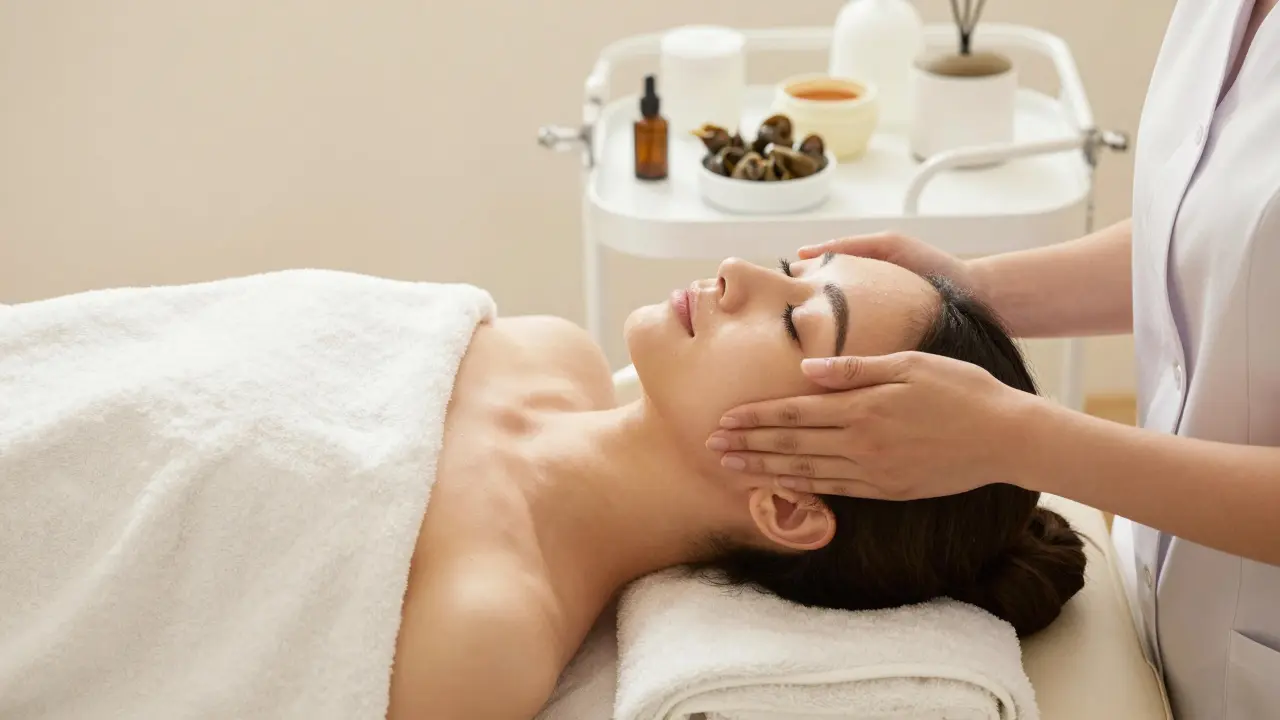
- Application: The therapist places the snails on your face, typically starting at the forehead and moving down to the cheeks and chin. They may guide the snails gently or let them move freely. This phase lasts about 15-20 minutes.
- Massage: While the snails are on your face, the therapist performs manual lymphatic drainage massage on areas not covered by the snails. This combines the benefits of the mucin with the circulatory benefits of the massage.
- Removal and Rinse: The snails are carefully removed and returned to their habitat. Your face is rinsed with lukewarm water to remove excess mucus.
- Moisturizing: A final layer of moisturizer or serum is applied to lock in hydration.
At-home kits exist, but they are generally discouraged due to the lack of professional oversight. Buying live snails online for personal use introduces even higher risks regarding species identification and parasite load.
Comparison: Live Snails vs. Snail Mucin Products
You might wonder if you really need the live animal. Let’s compare the two approaches side-by-side.
| Feature | Live Snail Facial Massage | Commercial Snail Mucin Serum |
|---|---|---|
| Safety | Higher risk of parasites, bacteria, and allergies | Low risk; products are sterilized and tested |
| Efficacy | Anecdotal; variable concentration of active ingredients | Proven; standardized concentration of glycoproteins and hyaluronic acid |
| Cost | High ($100-$300 per session) | Low to Moderate ($15-$50 per bottle) |
| Ethics | Concerns about animal welfare and reuse | No direct animal interaction; ethical sourcing varies by brand |
| Convenience | Requires appointment and travel | Can be used daily at home |
As the table shows, commercial products offer a safer, more consistent, and more affordable way to get the benefits of snail mucin. Brands like COSRX, Goodal, and Nature Republic have perfected the extraction process, ensuring you get the good stuff without the bugs.
Who Should Avoid Snail Facials?
Not everyone is a candidate for this treatment. You should avoid snail facial massage if:
- You have open wounds, active acne breakouts, or rosacea flare-ups on your face.
- You have a compromised immune system.
- You are pregnant or breastfeeding (due to unknown risks).
- You have a history of severe allergies or asthma.
- You are uncomfortable with live animals touching your skin.
Even if you don’t fall into these categories, consult with a dermatologist before trying anything unusual on your face. Skin is your largest organ, and introducing foreign biological material always carries some level of risk.
Alternatives for Similar Benefits
If you’re drawn to the idea of snail facials for hydration, anti-aging, or relaxation, there are plenty of safer alternatives that deliver similar results.
Gua Sha and Jade Rolling: These tools provide the lymphatic drainage benefits mentioned earlier without any biological risk. Regular use can reduce puffiness, improve circulation, and enhance product absorption.
Hyaluronic Acid Serums: Since hyaluronic acid is a key component of snail mucin, using a high-quality HA serum gives you intense hydration and plumping effects. Look for multi-molecular weight formulas for deeper penetration.
Niacinamide: This ingredient helps regulate oil production, minimize pores, and brighten skin tone. It’s a staple in modern skincare routines and works well alongside hyaluronic acid.
Professional Hydrafacials: If you want a spa experience, a hydrafacial provides deep cleansing, exfoliation, and hydration using vacuum technology and customized serums. It’s sterile, effective, and widely available.
Final Thoughts on the Trend
Snail facial massage is a fascinating example of how beauty trends evolve. It taps into our desire for natural, holistic solutions and the novelty of unique experiences. However, when weighed against the potential health risks and ethical concerns, it’s hard to justify for most people.
The core benefit-hydrated, glowing skin-can be achieved more safely and effectively through established skincare routines. Snail mucin itself is a fantastic ingredient, but you don’t need the live animal to reap its rewards. Stick to high-quality, lab-tested products, maintain a consistent routine, and protect your skin with sunscreen. Your face will thank you, and so will the snails.
Is snail facial massage painful?
No, it is generally not painful. Snails have no teeth and move very slowly. Most people describe the sensation as cool and tingling. However, some find the feeling of an animal crawling on their face unsettling or ticklish, which can be interpreted as discomfort.
Can I do a snail facial at home?
It is strongly discouraged. Home environments lack the strict hygiene protocols required to minimize health risks. Additionally, sourcing safe, parasite-free snails for personal use is nearly impossible for consumers. Stick to commercial snail mucin products for home care.
How long does it take to see results from snail mucin?
With regular use of high-quality snail mucin serums, you may notice improved hydration within days. For concerns like acne scarring or fine lines, consistent use over 4-8 weeks is typically needed to see visible improvements. Results vary based on individual skin types and product formulation.
Are there vegan alternatives to snail mucin?
Yes. Many vegan skincare brands formulate products with plant-based ingredients that mimic the benefits of snail mucin. Look for combinations of hyaluronic acid, aloe vera, centella asiatica, and niacinamide. These ingredients provide hydration, soothing, and repair properties similar to those found in snail secretions.
Is snail facial massage legal everywhere?
Regulations vary by country and region. Some places have strict guidelines regarding the use of live animals in cosmetic treatments, while others have little oversight. Always check local health department regulations and choose licensed professionals if you decide to undergo this treatment.