
Have you ever walked out of a massage feeling physically relaxed but emotionally stuck? You’re not alone. Traditional bodywork often focuses on muscles and joints, leaving the nervous system and emotional landscape untouched. This is where Polarity Therapy comes in. It’s not just another type of massage; it’s a complete mind-body integration method that uses gentle touch to unblock energy flow. Developed by Dr. Randolph Stone in the mid-20th century, this approach treats the human being as an integrated whole, connecting physical tension with emotional patterns and spiritual disconnection.
The core promise of Polarity Therapy is simple: when energy flows freely, health follows. But how does a practitioner actually achieve this? And more importantly, what can you expect if you decide to try it? Let’s break down the mechanics, the experience, and the science behind why this ancient-modern hybrid works so well for chronic stress and unresolved trauma.
What Is Polarity Therapy Really?
To understand Polarity Therapy, you have to look past the label of "alternative medicine." It is a systematic form of energy work that combines several distinct modalities into one session. Unlike Reiki, which focuses primarily on channeling universal life force energy, or Swedish massage, which targets muscle tissue, Polarity Therapy integrates three main components: hands-on touch, breathing exercises, and verbal counseling.
Dr. Randolph Stone, a chiropractor from New York, created this method after studying Eastern philosophies and Western medical theories. He noticed that many patients had physical pain that didn’t respond to spinal adjustments alone. The root cause, he realized, was often energetic blockages caused by emotional stress or lifestyle imbalances. By addressing these blockages through touch and conversation, he could help the body self-correct.
The theory rests on the idea that the human body has poles-positive and negative energies-that must remain balanced. Think of it like a battery. If one end is drained and the other is overloaded, the device doesn’t function properly. In your body, this imbalance shows up as fatigue, anxiety, chronic pain, or digestive issues. Polarity Therapy aims to restore that equilibrium.
The Three Pillars of the Session
A typical session isn’t just about lying still while someone touches you. It’s an active collaboration between you and the therapist. Here is how the three pillars work together:
- Hands-On Touch: The therapist uses light, non-invasive pressure along specific energy pathways. They don’t knead muscles deeply. Instead, they place hands on key points-often near the spine, shoulders, or feet-to detect temperature changes, tingling, or resistance. These sensations indicate where energy is stuck. The goal is to facilitate flow, not to manipulate tissue.
- Breathing Exercises: Breath is the bridge between the conscious and unconscious mind. During the session, the therapist will guide you through specific breathing patterns. For example, you might be asked to inhale deeply into your lower abdomen and exhale slowly through your mouth. This helps release stored tension in the diaphragm and calms the sympathetic nervous system (the fight-or-flight response).
- Verbal Counseling: This is the unique differentiator. Between touch segments, the therapist talks with you. They ask questions about your sleep, diet, relationships, and stress levels. This isn’t psychotherapy, but it’s insightful. The therapist listens for clues about your lifestyle that might be draining your energy. They offer practical advice on how to align your daily habits with your body’s natural rhythms.
This combination ensures that the healing isn’t temporary. You leave with tools-breath techniques and lifestyle adjustments-to maintain balance long after the session ends.
How the Body Responds: The Science of Touch
Skeptics often dismiss energy healing as pseudoscience. However, modern neuroscience offers some compelling explanations for why Polarity Therapy feels so effective. When a therapist places their hands on your body, even lightly, it stimulates mechanoreceptors in the skin. These receptors send signals to the brain via the vagus nerve, which plays a crucial role in regulating heart rate, digestion, and emotional stability.
Research on the vagus nerve shows that gentle touch can increase parasympathetic activity-the rest-and-digest state. This shift lowers cortisol levels and reduces inflammation. Additionally, the focused attention and presence of the therapist create a sense of safety. For people who have experienced trauma, this felt-safety is vital. It allows the nervous system to drop its guard, releasing chronic muscular holding patterns that words alone cannot address.
Consider the concept of interoception-the ability to sense internal bodily states. Many stressed individuals are disconnected from their bodies. They ignore hunger, thirst, or fatigue until it becomes a crisis. Polarity Therapy trains you to notice subtle shifts in temperature, pressure, and emotion. Over time, this heightened awareness helps you catch stress early, before it manifests as pain or illness.

Who Benefits Most from Polarity Therapy?
Not every treatment fits every person. Polarity Therapy shines for specific groups of people who haven’t found relief through conventional methods. Here are the primary candidates:
| Condition/Goal | Why It Helps | Expected Outcome |
|---|---|---|
| Chronic Stress & Anxiety | Calms the nervous system through breath and touch. | Reduced racing thoughts, better sleep quality. |
| Unexplained Fatigue | Identifies and clears energy blockages. | Increased vitality and mental clarity. |
| Emotional Blockages | Releases stored emotions tied to physical tension. | Greater emotional resilience and ease. |
| Chronic Pain (Non-Acute) | Addresses the energetic root of persistent discomfort. | Decreased pain intensity and improved mobility. |
| Lifestyle Transitions | Provides grounding during major life changes. | Enhanced adaptability and reduced overwhelm. |
If you are dealing with acute injury, such as a broken bone or severe infection, Polarity Therapy is not a replacement for medical care. It works best as a complementary practice alongside traditional medicine.
What to Expect During Your First Session
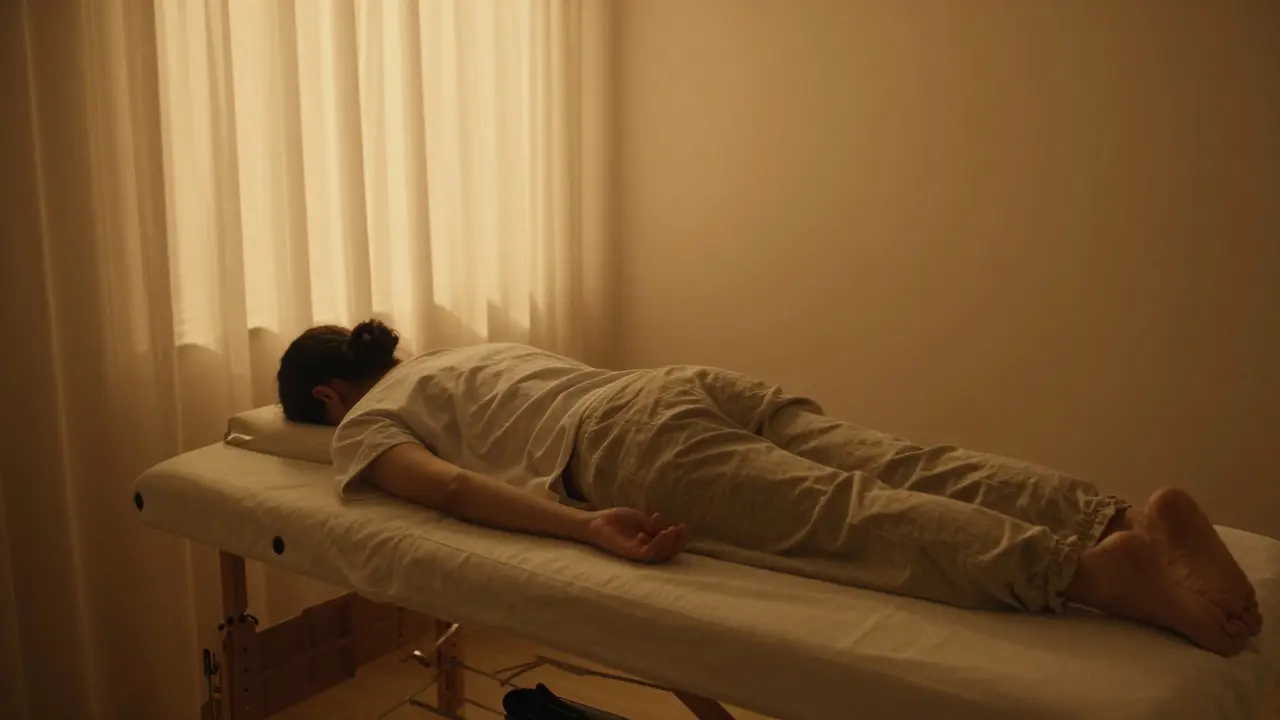
Your first visit usually lasts 60 to 90 minutes. You’ll stay fully clothed, wearing loose, comfortable attire. No oils or lotions are used, which makes it ideal for those with sensitive skin or allergies. The room is typically quiet, dimly lit, and warm to promote relaxation.
- Initial Consultation: The therapist spends the first 15-20 minutes talking with you. They’ll ask about your health history, current concerns, and goals. Be honest here. The more context they have, the better they can tailor the session.
- Assessment: You lie face down on a massage table. The therapist scans your body using light hand movements. They may ask you to report any sensations-heat, cold, tingling, or heaviness. This feedback guides their next steps.
- Touch and Breath Work: The therapist applies gentle pressure to specific points while guiding your breathing. You might feel waves of warmth or sudden releases of tension. Some people experience emotional surges, like crying or laughter. This is normal and part of the release process.
- Closing Discussion: After flipping over, you spend a few minutes discussing what came up. The therapist may suggest dietary changes, hydration tips, or mindfulness practices to support your progress.
It’s common to feel tired or emotionally raw afterward. Drink plenty of water and take it easy for the rest of the day. Your body is processing deep shifts, and it needs rest to integrate them.

Finding a Qualified Practitioner
Because Polarity Therapy is less regulated than medical fields, credentials matter. Look for practitioners certified by recognized organizations like the National Certification Board for Therapeutic Massage and Bodywork (NCBTMB) or specialized Polarity Therapy associations. A qualified therapist should have completed extensive training in anatomy, physiology, ethics, and energy dynamics.
Ask potential therapists about their experience. Have they worked with clients similar to you? Do they offer a clear explanation of their approach? Trust your instincts. If something feels off, keep looking. The therapeutic relationship is built on trust and safety.
Integrating Polarity Principles Into Daily Life
You don’t need a therapist to benefit from Polarity concepts. You can apply these principles at home to maintain balance:
- Morning Check-In: Spend five minutes each morning noticing your body. Where do you hold tension? Is your breath shallow? Acknowledge these signals without judgment.
- Conscious Breathing: Practice box breathing (inhale 4 seconds, hold 4, exhale 4, hold 4) whenever you feel stressed. This resets your nervous system quickly.
- Dietary Awareness: Eat foods that nourish rather than drain you. Heavy, processed meals can weigh down your energy. Opt for fresh, whole foods that provide sustained fuel.
- Grounding Activities: Walk barefoot on grass, garden, or simply sit quietly in nature. Connecting with the earth helps discharge excess static energy and restores calm.
These small habits compound over time, creating a resilient foundation for health. Polarity Therapy teaches you to listen to your body’s wisdom. Once you learn that language, you become your own best healer.
Is Polarity Therapy safe for everyone?
Generally, yes. It is non-invasive and gentle. However, pregnant women, people with severe mental health conditions, or those with acute infections should consult their doctor first. Always inform your therapist of any medical conditions.
How many sessions do I need?
It varies. Some people feel significant relief after one session. Others with chronic issues may benefit from weekly sessions for a month, then tapering off. Listen to your body and discuss a plan with your therapist.
Does insurance cover Polarity Therapy?
Coverage is rare since it’s considered alternative medicine. Some flexible spending accounts (FSAs) or health savings accounts (HSAs) may allow reimbursement if you get a letter of medical necessity from your doctor. Check with your provider.
What’s the difference between Polarity Therapy and Reiki?
Reiki focuses solely on channeling energy through the hands. Polarity Therapy combines energy work with breathing techniques, nutritional advice, and psychological counseling. It’s a more holistic, multi-faceted approach.
Can I do Polarity Therapy on myself?
You can practice the breathing and awareness techniques on yourself. However, the hands-on aspect requires a trained practitioner to accurately assess and adjust energy flow. Self-massage can help, but it lacks the diagnostic component.