
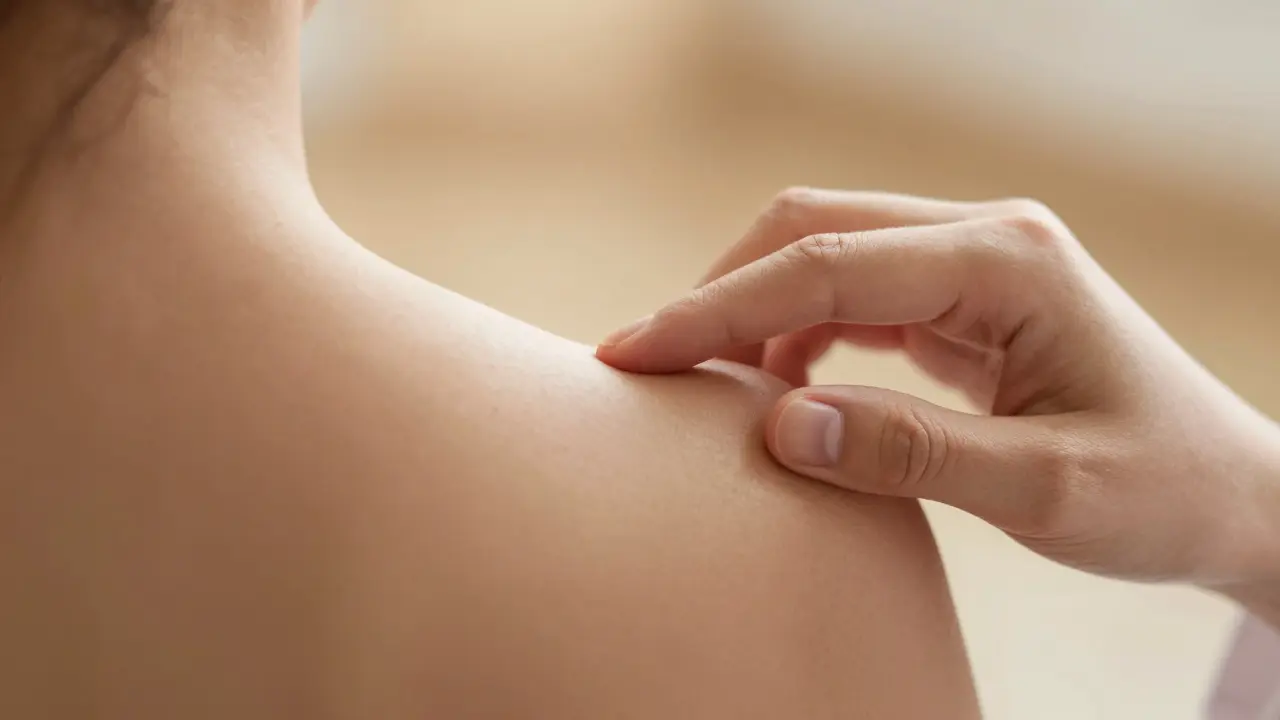
Have you ever tried to fix a problem by pushing harder against it? Maybe you’ve been massaging a knot in your shoulder with intense pressure, only to find it tighter the next day. What if the secret to relief isn’t force, but invitation? That is the core idea behind Ortho-Bionomy, a gentle bodywork technique that uses light touch and conscious movement to help your body release tension and restore balance. Instead of forcing muscles to stretch or joints to align, this method asks your nervous system to let go. It’s not just about feeling good for an hour; it’s about teaching your body how to heal itself.
What Is Ortho-Bionomy?
Before we look at why people love it, let’s get clear on what it actually is. Developed in the late 1970s by Dr. Lonnie Posner and Dr. Paul Green, Ortho-Bionomy is based on the principle of "ease" rather than "force." The name comes from "orthos" (correct) and "bion" (life), suggesting a return to natural, healthy function. Unlike deep tissue massage, which often involves significant pressure, Ortho-Bionomy uses barely any weight-sometimes just the tip of a finger.
The therapist guides you through specific movements while applying light contact points. These points are chosen because they signal safety to your brain. When your brain feels safe, your muscles relax naturally. This process relies heavily on proprioception, which is your body's ability to sense its position in space. By enhancing this awareness, you start to notice where you hold stress without even realizing it. It’s like turning on a light in a dark room-you can finally see what needs cleaning.
Key Physical Benefits
So, what does this do for your physical health? The list is impressive, especially if you deal with chronic discomfort. Here are the most common physical improvements reported by practitioners and clients:
- Pain Reduction: Many users find relief from back pain, neck stiffness, and joint issues. Because the technique reduces muscle guarding (the way muscles tighten up to protect perceived injury), pain signals decrease significantly.
- Improved Mobility: You don’t need to be flexible to benefit. In fact, stiff people often gain range of motion faster because they aren’t fighting their own resistance. Light stretching allows joints to move freely without triggering protective spasms.
- Better Posture: Poor posture often stems from unconscious habits. Ortho-Bionomy helps retrain these patterns. By feeling what alignment feels like in a relaxed state, your body starts to default to better positioning throughout the day.
- Faster Recovery: Athletes use this method to speed up recovery after workouts. Since it promotes circulation without causing inflammation associated with heavy massage, tissues repair more efficiently.
One key mechanism here is the reduction of sympathetic nervous system activity. This is your "fight or flight" mode. When you’re stuck in survival mode, your body holds tension. Ortho-Bionomy shifts you into the parasympathetic state-the "rest and digest" mode-where healing happens.
Mental and Emotional Relief
Your mind and body are connected, right? So it makes sense that working on your physical structure affects your mental state. One of the biggest surprises for new clients is how emotional this work can be. Stress doesn’t just live in your head; it lives in your jaw, your shoulders, and your gut.
By releasing physical tension, many people experience a sudden drop in anxiety levels. Think about it: when was the last time you felt truly calm while holding your breath or clenching your fists? Probably never. As your body softens, your mind follows suit. Clients often report feeling lighter, clearer, and more present after a session. It’s not magic; it’s physiology. Lower cortisol levels mean less stress perception.
This aspect makes Ortho-Bionomy particularly useful for those dealing with burnout or high-pressure jobs. It provides a structured way to disconnect from mental chatter and reconnect with physical sensation. For some, it serves as a form of moving meditation.

Self-Care Techniques You Can Try Today
You don’t need a therapist to start benefiting from Ortho-Bionomy principles. One of the unique features of this modality is that much of it can be practiced alone. Here are three simple exercises to try at home:
- The Eye Release: Sit comfortably. Close your eyes gently. Imagine looking slightly up and to the left. Hold that gaze for five seconds, then slowly bring your eyes back to center. Notice if your forehead or temples feel different. Repeat looking down and to the right. This helps release tension around the optic nerves and sinuses.
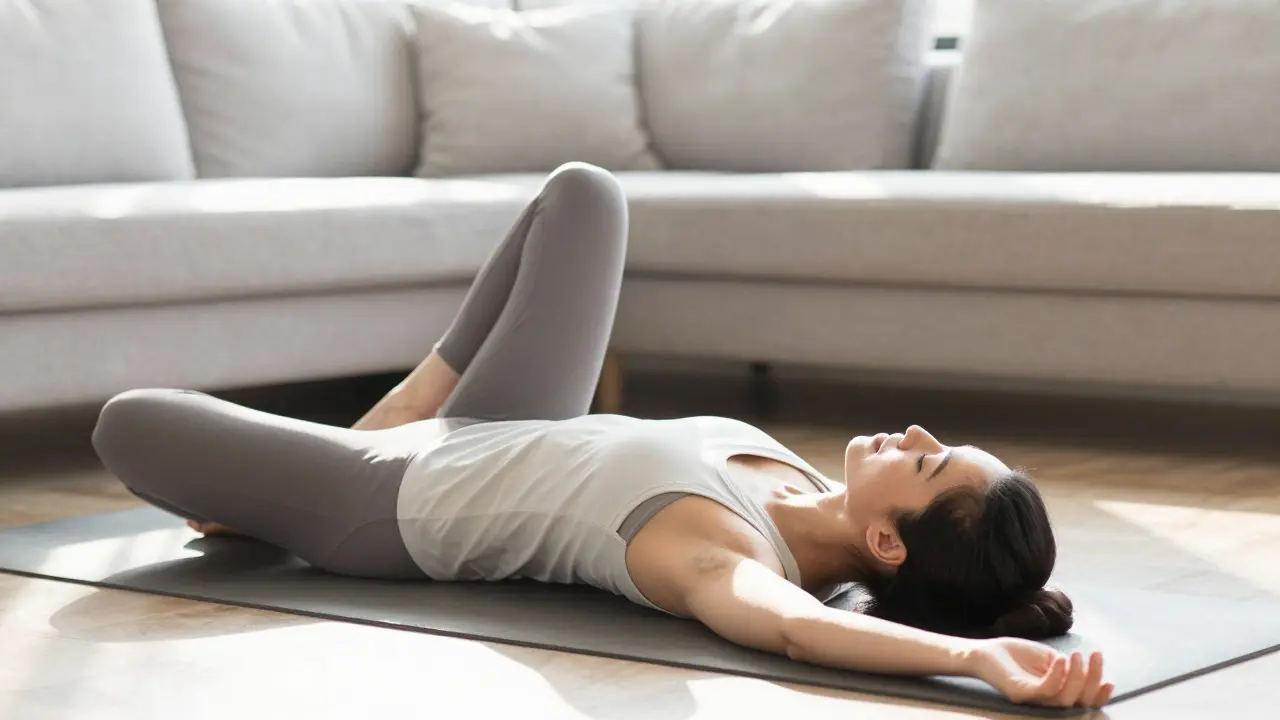
- Spinal Twist Awareness: Lie on your back with knees bent. Let both knees fall to the right side, keeping your shoulders flat on the floor. Breathe deeply into your belly. Feel the stretch along your spine. After thirty seconds, switch sides. Focus on letting gravity do the work, not your muscles.
- Jaw Relaxation: Place your fingertips lightly under your cheekbones. Gently open your mouth until you feel a tiny stretch. Then close it slightly so there’s no pressure. Wiggle your tongue inside your mouth. This breaks the habit of grinding teeth and releases facial tension.
The key is consistency. Doing these for two minutes a day yields better results than one long session once a month. Pay attention to how your body responds. If something hurts, stop. Pain means you’re pushing too hard. Discomfort is okay; pain is not.
How It Compares to Other Therapies
If you’re considering trying Ortho-Bionomy, you might wonder how it stacks up against other popular treatments. Let’s break it down.
| Therapy Type | Pressure Level | Primary Goal | Best For |
|---|---|---|---|
| Deep Tissue Massage | High | Break up adhesions | Chronic muscle knots |
| Yoga | Variable | Strength & flexibility | Active fitness enthusiasts |
| Ortho-Bionomy | Very Low | Nervous system regulation | Sensitivity, anxiety, subtle pain |
| Chiropractic Adjustment | Moderate/High | Joint alignment | Acute joint dysfunction |
Notice the difference in pressure? If you hate being squeezed or pinched, Ortho-Bionomy is likely your best bet. It works well alongside other therapies too. Many people combine it with yoga or Pilates to enhance their practice. While yoga builds strength, Ortho-Bionomy teaches relaxation. Together, they create a balanced approach to movement.
Who Should Avoid It?
While generally safe for almost everyone, there are a few exceptions. If you have acute fractures, severe osteoporosis, or active infections, consult your doctor first. Also, if you’re currently undergoing chemotherapy, check with your oncologist, as immune systems can be compromised. Pregnant women should seek out practitioners trained in prenatal care, though the gentle nature of the work usually makes it suitable during pregnancy.
Another consideration is expectation management. If you expect immediate structural changes like a chiropractor might provide, you might be disappointed. Ortho-Bionomy is cumulative. The benefits build over time as your nervous system learns new patterns. It’s a marathon, not a sprint.
Finding a Qualified Practitioner
Not all bodyworkers are trained in Ortho-Bionomy. Look for certifications from recognized organizations like the International Association of Ortho-Bionomy Practitioners (IAOBP). Ask potential therapists about their training background and experience. A good practitioner will listen to your concerns before touching you and explain each step clearly.
During your first session, communicate openly. Tell them if the touch is too much or too little. Remember, you’re in control. The goal is collaboration, not domination. Your feedback helps tailor the session to your specific needs.
Is Ortho-Bionomy painful?
No, Ortho-Bionomy is specifically designed to be pain-free. It uses very light touch and gentle movements. If you feel pain, it usually means you are resisting the movement or the therapist is applying too much pressure. Communicate this immediately so adjustments can be made.
How many sessions do I need?
This varies greatly depending on your individual condition and goals. Some people feel significant relief after just one session. Others may benefit from weekly sessions for a month to establish new patterns. Generally, regular practice yields the best long-term results.
Can I do Ortho-Bionomy on myself?
Yes! Self-care is a huge part of Ortho-Bionomy. There are many techniques you can learn to apply to yourself, such as eye releases, spinal twists, and jaw relaxation. Learning these skills empowers you to manage your own tension daily.
Does insurance cover Ortho-Bionomy?
Coverage depends on your specific insurance plan and location. In many places, it is considered a complementary therapy and may not be covered. However, some plans with holistic health benefits might reimburse you partially. Always check with your provider beforehand.
Is it safe for children?
Absolutely. Children often respond very well to the gentle nature of Ortho-Bionomy. It can help with issues like bedwetting, colic, or general restlessness. Just ensure the practitioner has experience working with kids.