

Imagine lying on a warm table while long, flowing strokes glide over your back like ocean waves. That is the essence of Lomi Lomi, a traditional Hawaiian massage technique that goes far beyond simple muscle relaxation. Unlike standard Swedish massage, which focuses primarily on circulation and surface tension, Lomi Lomi connects physical relief with emotional release and spiritual balance. The word "lomi" simply means to knead, press, or揉 (rub) in the Hawaiian language, but the practice carries centuries of cultural weight and healing intent.
If you have ever felt stuck in a cycle of stress or chronic tension, this ancient modality might offer a different path forward. It is not just about fixing a sore shoulder; it is about restoring harmony to your entire being. Let’s explore what makes this therapy unique, how it works, and why more people are seeking out this holistic experience today.
The Origins and Cultural Significance of Lomi Lomi
To understand Lomi Lomi, you need to look at its roots in Hawaii. This practice dates back hundreds of years and was originally performed by Kahuna Lapaʻau, traditional Hawaiian healers who combined physical manipulation with prayer and herbal remedies. In traditional Hawaiian culture, health is viewed as a balance between four realms: physical, mental, emotional, and spiritual. When one area becomes unbalanced, illness or pain can follow.
Historically, Lomi Lomi was not a spa treatment for leisure. It was a sacred ritual used to restore energy flow, known as mana, throughout the body. Practitioners believed that holding patterns in the muscles were actually trapped emotions or unresolved trauma. By releasing these physical knots, they could also help clear emotional blockages. While modern practitioners may not always invoke spiritual elements, the core philosophy remains: treat the whole person, not just the symptom.
How Lomi Lomi Differs from Other Massage Styles
You might wonder how Lomi Lomi stacks up against other popular therapies. Here is where the distinction becomes clear. Most Western massages use short, choppy strokes focused on specific trigger points. Lomi Lomi uses long, continuous movements that mimic the rhythm of the ocean. The therapist often uses their forearms, elbows, and even hands to create broad, sweeping pressure.
| Feature | Lomi Lomi | Swedish Massage | Deep Tissue Massage |
|---|---|---|---|
| Primary Tool | Forearms, elbows, hands | Hands, fingers | Thumbs, elbows, forearms |
| Stroke Style | Long, flowing, rhythmic | Gentle, gliding, kneading | Slow, firm, targeted |
| Pressure Level | Variable, often deep but fluid | Light to medium | Firm to very firm |
| Focus Area | Whole body, energy flow | Circulation, relaxation | Specific muscle layers |
| Spiritual Element | Often included (prayer/intention) | Rarely | No |
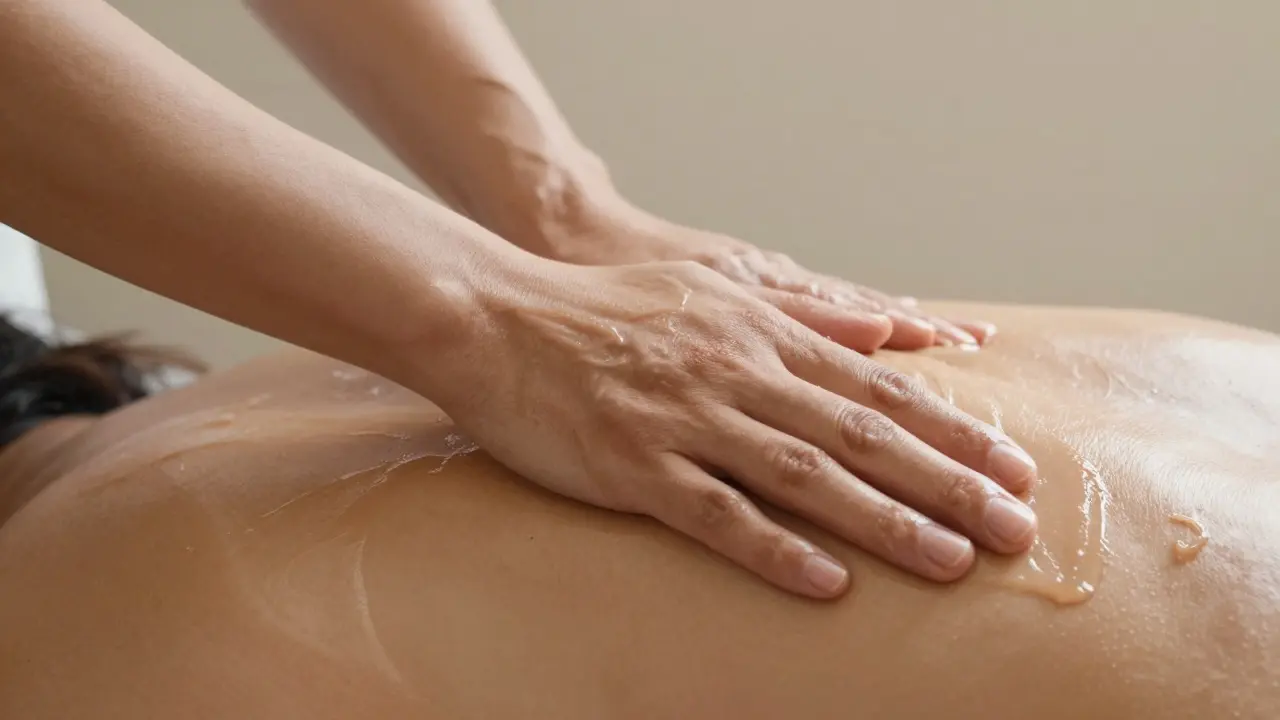
One key difference is the use of oil. Lomi Lomi typically requires generous amounts of warm oil to allow the therapist’s arms to glide smoothly without friction. This creates a sense of continuity and connection that shorter strokes cannot achieve. You will feel less like you are being worked on and more like you are being held and supported.
Key Techniques Used in a Lomi Lomi Session
A typical session involves several distinct techniques that work together to create a cohesive experience. Understanding these moves can help you appreciate what your therapist is doing.
- Haku: A chopping motion using the heel of the hand or forearm to break up stagnation in the tissues.
- Pali Pali: A rocking motion that gently compresses and releases the spine and surrounding muscles.
- Ku I Ka Wai: Standing over the client to apply deep pressure with the palms or forearms, often used on the back.
- Flowing Strokes: Long, uninterrupted sweeps from the feet to the head, encouraging lymphatic drainage and blood flow.
These techniques are not random. They follow a logical progression designed to warm up the body, release deep tension, and then soothe the nervous system. The therapist may adjust the pace based on your breathing, creating a synchronized rhythm that promotes deep relaxation.
Health Benefits Beyond Muscle Relief
While Lomi Lomi is excellent for easing tight muscles, its benefits extend into mental and emotional well-being. Research suggests that regular massage therapy can lower cortisol levels, reduce anxiety, and improve sleep quality. However, Lomi Lomi offers something extra: a sense of groundedness and presence.
Many clients report feeling lighter after a session, not just physically but emotionally. The continuous touch helps regulate the vagus nerve, which plays a crucial role in calming the fight-or-flight response. If you struggle with chronic stress or PTSD, this type of mindful bodywork can be particularly therapeutic. It encourages you to stay present in your body rather than escaping into your thoughts.
Additionally, the improved circulation and lymphatic drainage support immune function and faster recovery from injury. Athletes and dancers often incorporate Lomi Lomi into their training regimens to maintain flexibility and prevent stiffness.
What to Expect During Your First Session
Walking into a Lomi Lomi session for the first time can feel unfamiliar if you are used to clinical massage environments. Here is a step-by-step guide to prepare you.
- Consultation: Before lying down, your therapist will ask about any injuries, allergies, or areas of concern. Be honest about your comfort level with pressure and touch.
- Setting the Space: Expect a warm room, possibly with soft music or chanting. Some therapists light candles or incense to enhance the atmosphere.
- Undressing: You will undress to your level of comfort. Draping sheets ensure modesty throughout the session. Only the area being worked on is exposed.
- The Massage: Lie face down initially. The therapist will apply warm oil and begin with long strokes along your back and legs. They may switch positions frequently to access different muscle groups.
- Communication: Speak up if the pressure is too intense or if you feel uncomfortable. Good therapists welcome feedback.
- Aftercare: Take your time getting up. Drink plenty of water to flush out toxins released during the massage. Rest for the rest of the day if possible.
Remember, Lomi Lomi is a collaborative process. Your willingness to relax and breathe deeply enhances the effectiveness of the treatment.

Choosing a Qualified Lomi Lomi Practitioner
Not all massage therapists are trained in Lomi Lomi. Because it involves deeper pressure and cultural nuances, finding a skilled practitioner is essential. Look for certifications from recognized institutions like the Hawaiian Massage Association or schools that specialize in Polynesian bodywork.
Ask potential therapists about their training background. Have they studied under a Kahuna? Do they incorporate traditional prayers or intentions? While not mandatory, this knowledge often translates to a more authentic and effective session. Check reviews and testimonials to gauge client satisfaction. A good therapist should make you feel safe, respected, and cared for.
Contraindications and Safety Considerations
Like any physical therapy, Lomi Lomi is not suitable for everyone. Avoid this treatment if you have open wounds, infections, fever, or recent surgery. Pregnant women should consult their doctor before receiving deep tissue work, especially during the first trimester. If you have osteoporosis or blood clotting disorders, inform your therapist so they can modify their technique accordingly.
Always disclose any medications you are taking, as some drugs can affect skin sensitivity or bruising risk. Listening to your body is key. If something feels wrong, stop immediately. Trust is the foundation of this practice.
Incorporating Lomi Lomi Into Your Wellness Routine
You do not need to visit Hawaii to experience the benefits of Lomi Lomi. Many spas and wellness centers worldwide now offer this service. Consider scheduling a session once a month to maintain balance and prevent burnout. Pair it with other holistic practices like yoga, meditation, or acupuncture for compounded effects.
At home, you can mimic some aspects of Lomi Lomi by using warm oils and long strokes on yourself or a partner. Focus on breathing and intention rather than perfect technique. The goal is connection, not correction.
Is Lomi Lomi painful?
Lomi Lomi can involve deep pressure, but it should not be painful. The flowing nature of the strokes helps distribute force evenly. Communicate with your therapist to adjust intensity. Discomfort is normal when releasing tight knots, but sharp pain is not.
How often should I get a Lomi Lomi massage?
For general wellness, once a month is sufficient. If you are dealing with chronic pain or high stress, weekly or bi-weekly sessions may be beneficial until symptoms improve. Listen to your body’s needs.
Can Lomi Lomi help with anxiety?
Yes. The rhythmic, soothing touch activates the parasympathetic nervous system, reducing stress hormones and promoting calm. Many clients report significant relief from anxiety and insomnia after regular sessions.
Do I need to tip my Lomi Lomi therapist?
Tipping is customary in the US, typically 15-20% of the service cost. Check the spa’s policy, as some include gratuity in the price. Tipping shows appreciation for the therapist’s skill and care.
What oil is best for Lomi Lomi?
Traditional practitioners use kukui nut oil, native to Hawaii. Modern alternatives include coconut, jojoba, or almond oil. Warm the oil before application to enhance comfort and absorption. Ensure it is organic and free of additives if you have sensitive skin.