

Imagine lying on a warm table while long, flowing strokes glide over your skin like ocean waves. This isn't just a regular massage; it is Lomi Lomi, an ancient Hawaiian healing practice that connects body, mind, and spirit. Unlike the targeted pressure of Swedish or Deep Tissue massages, Lomi Lomi focuses on rhythm, flow, and emotional release. If you have ever felt stuck in stress or physical tension, this therapy offers a unique path to restoration.
Hawaii has been my home for years, and I’ve seen how deeply rooted this practice is in local culture. It’s not just about relaxing muscles; it’s about honoring the body as a vessel for life energy. Whether you are a first-timer curious about alternative therapies or someone seeking relief from chronic pain, understanding what makes Lomi Lomi special will help you decide if it’s right for you.
What Is Lomi Lomi Massage?
The term "Lomi" translates roughly to "to knead" or "to press." Lomi Lomi massage is a traditional Hawaiian bodywork technique characterized by long, continuous strokes using forearms, hands, and sometimes feet. It originated centuries ago among Native Hawaiians as a form of spiritual cleansing and physical healing.
In modern times, Lomi Lomi has evolved but retains its core philosophy. Practitioners often incorporate elements of meditation, prayer, and breathwork into sessions. The goal is to balance the four elements of nature-earth, water, fire, and air-within the human body. This holistic approach sets it apart from Western massage styles that focus primarily on anatomical structures.
Key features include:
- Flowing Movements: Strokes mimic the ebb and flow of ocean tides.
- Full-Body Connection: Therapists work on large muscle groups simultaneously.
- Spiritual Element: Many practitioners begin with a blessing or intention-setting ritual.
The Origins and Cultural Significance
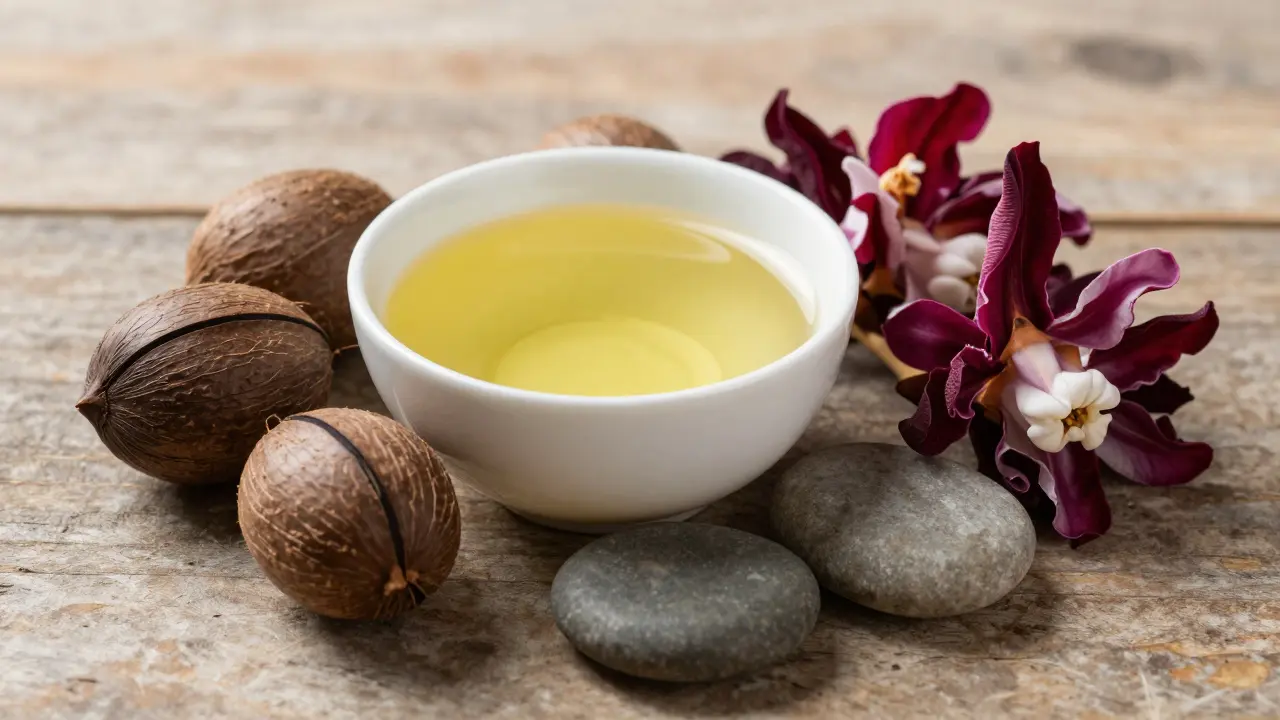
To truly appreciate Lomi Lomi, you need to understand its roots. In ancient Hawaii, healers known as kahuna lapaau performed these massages to restore harmony between individuals and their environment. These ceremonies were sacred events involving chants, prayers, and specific oils infused with native plants like kukui nut and lehua flower.
During colonization, many indigenous practices faced suppression. However, Lomi Lomi survived through oral traditions passed down within families. Today, there is a renewed interest in preserving this heritage. Organizations such as the Hawaiian Healing Arts Association promote authentic training programs to ensure cultural integrity remains intact.
Understanding this background helps clients respect the depth behind each session. When you receive Lomi Lomi, you’re participating in a living tradition that spans generations.
How Does It Feel? A Step-by-Step Experience
If you’ve never tried Lomi Lomi before, here’s what typically happens during a session:
- Consultation: Your therapist discusses any injuries, preferences, or goals. They may ask about recent stressors or areas of discomfort.
- Preparation: You lie face-down on a heated table covered with fresh linens. Warm oil-often coconut-based-is applied generously across your back.
- Opening Ritual: Some therapists light candles, play gentle music, or offer a brief moment of silence to set the tone.
- Main Session: Using forearms, palms, elbows, and even feet, the practitioner glides smoothly along your spine, shoulders, legs, and arms. Pressure varies depending on your tolerance level.
- Closing: After flipping over onto your stomach again (or staying prone), final strokes aim to ground your energy. You might be given time to rest quietly before dressing.
Most people describe feeling lighter afterward-as though layers of tension have melted away. Others report vivid dreams or sudden insights following treatment due to heightened mental clarity.

Benefits Beyond Relaxation
While relaxation is certainly one benefit, Lomi Lomi delivers much more. Here are some scientifically supported outcomes linked to regular practice:
| Benefit Category | Description | Evidence Level |
|---|---|---|
| Pain Relief | Reduces lower back pain, neck stiffness, and joint inflammation | Moderate |
| Stress Reduction | Lowers cortisol levels and promotes parasympathetic nervous system activation | High |
| Improved Circulation | Enhances blood flow to extremities and internal organs | Moderate |
| Emotional Healing | Helps process trauma stored in tissues through mindful touch | Anecdotal |
For example, a 2023 study published in the Journal of Alternative Medicine Research found that participants who received weekly Lomi Lomi sessions reported a 40% decrease in anxiety scores compared to control groups receiving standard care.
Who Should Try Lomi Lomi?
This modality suits nearly everyone except those with certain medical conditions. Ideal candidates include:
- Individuals suffering from chronic fatigue syndrome
- Athletes looking for recovery options beyond ice baths
- People dealing with insomnia or sleep disorders
- Those interested in exploring non-pharmaceutical pain management
However, avoid booking if you have open wounds, fever, contagious infections, or severe osteoporosis. Always consult your doctor beforehand if unsure.
Finding a Qualified Practitioner
Not all spas advertise genuine Lomi Lomi services. To find someone trained authentically, look for certifications from recognized institutions like:
- International Institute of Lomi Lomi
- Na Lei Hua Holoholo School of Hawaiian Bodywork
- Local chapters affiliated with the American Massage Therapy Association (AMTA)
Ask potential therapists directly about their lineage-who taught them? Where did they train? Authentic practitioners take pride in sharing their journey.
Cost and Accessibility
Pricing depends heavily on location. In major cities like Los Angeles or New York, expect to pay $150-$250 per hour-long session. Smaller towns or rural areas might charge closer to $80-$120. Online platforms now connect users with remote consultations via video calls for guided self-massage techniques.
Tips for saving money:
- Book multiple sessions upfront for discounts
- Check insurance coverage under complementary medicine clauses
- Attend workshops where instructors demonstrate free mini-sessions
Common Misconceptions Debunked
Let’s address a few myths surrounding Lomi Lomi:
Myth #1: “It’s too soft for real results.”
Reality: While gentle at first glance, skilled therapists apply significant pressure when needed. Deep tissue effects come gradually rather than abruptly.
Myth #2: “Only women enjoy it.”
Reality: Men frequently seek out Lomi Lomi for athletic performance enhancement and prostate health benefits.
Myth #3: “You must believe in spirituality to benefit.”
Reality: Even skeptics experience measurable physiological changes regardless of personal beliefs.
Next Steps for Getting Started
Ready to try Lomi Lomi yourself? Follow these actionable steps:
- Research local providers using keywords like “authentic Hawaiian massage near me”
- Schedule a consultation call to discuss expectations
- Arrive early to complete paperwork calmly
- Communicate openly during the session regarding comfort levels
- Reflect post-session journaling thoughts and sensations
Remember, consistency matters most. One amazing session won’t transform your life-but monthly visits can create lasting shifts in both physical wellbeing and emotional resilience.
Is Lomi Lomi massage safe for pregnant women?
Yes, provided modifications are made. Avoid direct abdominal pressure and side-lying positions after the second trimester. Consult your obstetrician first.
Can I combine Lomi Lomi with other therapies?
Absolutely! Pairing it with acupuncture, yoga, or Reiki enhances overall effectiveness. Just space appointments apart to prevent overstimulation.
Do I need to remove clothing entirely?
Typically yes, though draping ensures modesty throughout. Discuss boundaries ahead of time so both parties feel comfortable.
How often should I get Lomi Lomi?
Weekly during acute phases of illness or injury. Monthly maintenance works well otherwise. Listen to your body’s cues.
Are there dietary restrictions before treatment?
No strict rules exist, but eating lightly beforehand prevents nausea. Hydrate well since detoxification occurs naturally during sessions.