
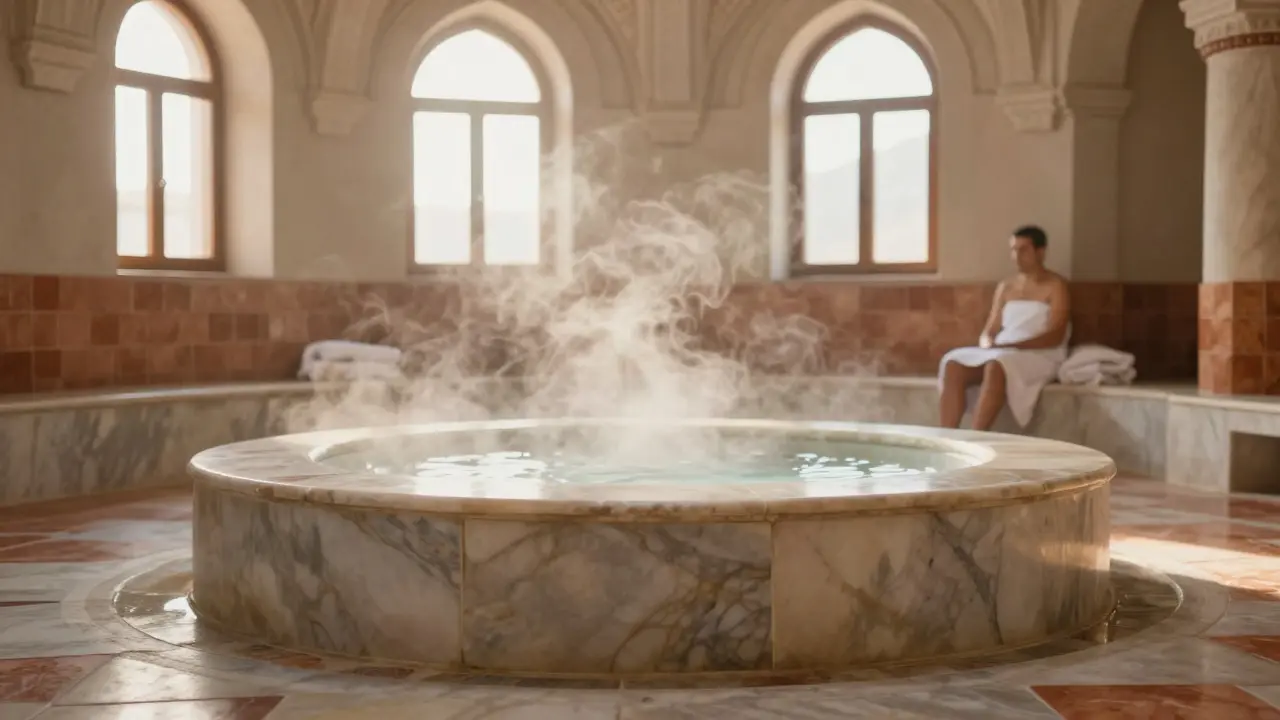
Imagine stepping out of a cold Perth winter into a room where the air is warm, humid, and thick with the scent of eucalyptus. You aren't just relaxing; you are participating in a centuries-old practice that cleanses your body from the inside out. This is the Hammam, also known as a Turkish bath or steam bath. It is not merely a spa treatment for tourists visiting Istanbul or Marrakech. It is a holistic wellness ritual that offers profound physical and mental benefits accessible to anyone willing to step through the door.
Many people mistake a hammam for a standard sauna. While both use heat, the mechanisms differ significantly. A traditional Finnish sauna relies on dry heat at high temperatures (often exceeding 80°C or 176°F) to induce sweating. In contrast, a hammam uses moist heat at lower temperatures (typically around 40-50°C or 104-122°F). This humidity allows the pores to open more effectively without shocking the cardiovascular system. The result is a deeper cleanse, improved circulation, and a level of relaxation that dry heat simply cannot match.
The Physical Detoxification Process
The primary draw of the hammam is its ability to facilitate deep cleansing. When you sit in the humid environment, your body temperature rises slightly, triggering a profuse sweat response. Unlike surface-level sweating during exercise, this heat-induced perspiration helps flush toxins stored in the subcutaneous fat layers. As these toxins exit through the pores, they leave behind impurities that can clog skin and cause breakouts.
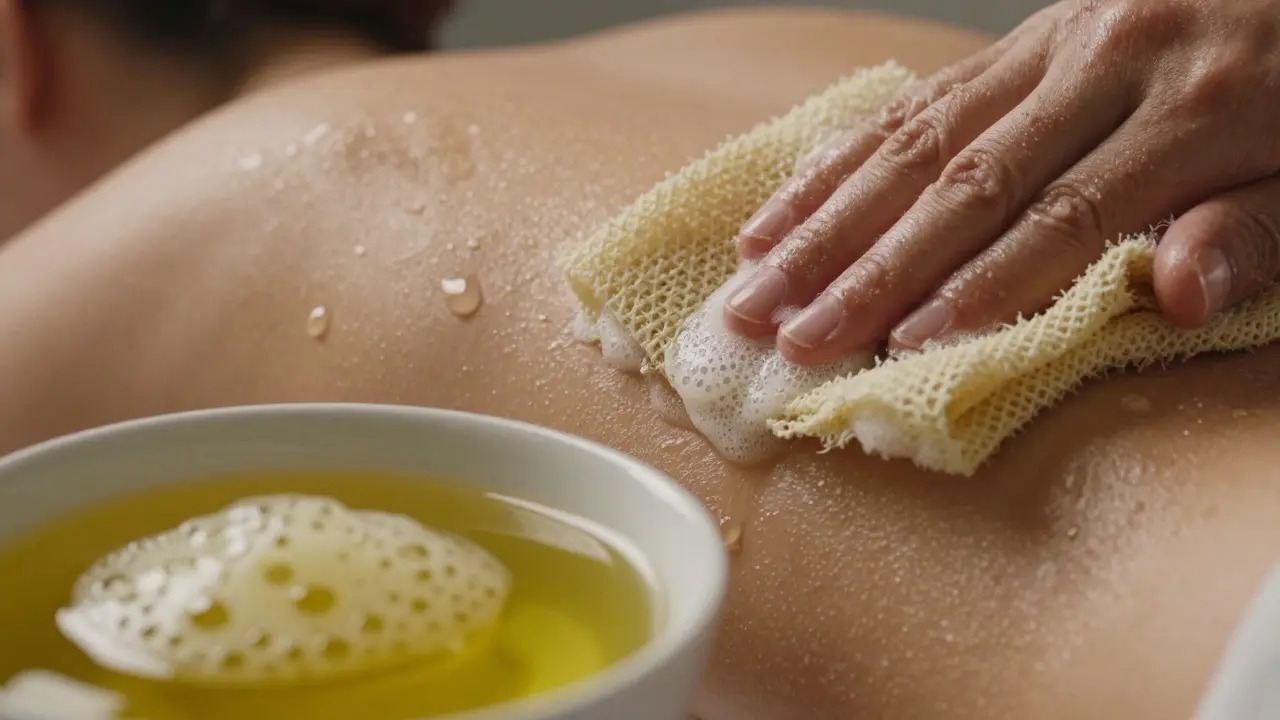
This process is enhanced by the traditional exfoliation step. In a classic hammam session, you will encounter the Kese a coarse mitt used for scrubbing the skin. After your skin has softened in the steam, the kese removes dead skin cells, revealing brighter, smoother skin underneath. This mechanical exfoliation complements the thermal detoxification, ensuring that the pores remain clear. For individuals dealing with conditions like mild eczema or psoriasis, the combination of hydration and gentle exfoliation can provide significant relief, though consulting a dermatologist first is always wise.
| Feature | Hammam (Turkish Bath) | Finnish Sauna |
|---|---|---|
| Heat Type | Moist Heat | Dry Heat |
| Temperature Range | 40-50°C (104-122°F) | 70-100°C (158-212°F) |
| Humidity Level | High (90%+) | Low (10-20%) |
| Primary Benefit | Skin cleansing, pore opening | Muscle relaxation, endurance |
| Duration | 30-90 minutes | 15-20 minutes per session |
Circulation and Cardiovascular Health
Beyond skin deep, the hammam impacts your internal systems. The heat causes vasodilation, which means your blood vessels widen. This expansion improves blood flow throughout the body, delivering oxygen and nutrients to tissues more efficiently. For many, this feels like a gentle massage from the inside. Improved circulation can help reduce muscle soreness after workouts and may even aid in recovery from minor injuries.
Research suggests that regular use of steam baths can have positive effects on heart health. A study published in the American Journal of Medicine found that men who used saunas or steam baths two to three times a week had a lower risk of fatal cardiovascular events compared to those who used them once a week. While this study focused on saunas, the physiological response to heat stress-increased heart rate and improved vascular function-is similar in hammams. However, if you have existing heart conditions, hypertension, or are pregnant, you must consult your doctor before starting any heat therapy regimen.
Mental Clarity and Stress Relief
In our fast-paced digital lives, finding true silence is rare. The hammam offers a sanctuary from noise and notification. The ritualistic nature of the experience forces you to slow down. There is no phone signal under the marble benches, no emails to answer. Just the sound of water dripping and the quiet hum of other patrons seeking peace.
This environment triggers the parasympathetic nervous system, often referred to as the "rest and digest" mode. Cortisol levels drop, and tension releases from muscles that hold stress, particularly in the neck and shoulders. Many users report feeling a sense of mental clarity after a session, similar to the post-workout endorphin rush but without the exertion. This psychological reset can improve sleep quality, reduce anxiety, and enhance overall mood stability.
The Traditional Hammam Ritual: Step-by-Step
To get the most out of your visit, understanding the sequence of events is crucial. Here is how a typical hammam session unfolds:
- Preparation: You change into a towel or swimsuit and enter the warm room. Spend 10-15 minutes sitting on the heated marble slab (Göbek Taşı the central heated marble platform) to acclimatize your body to the heat.
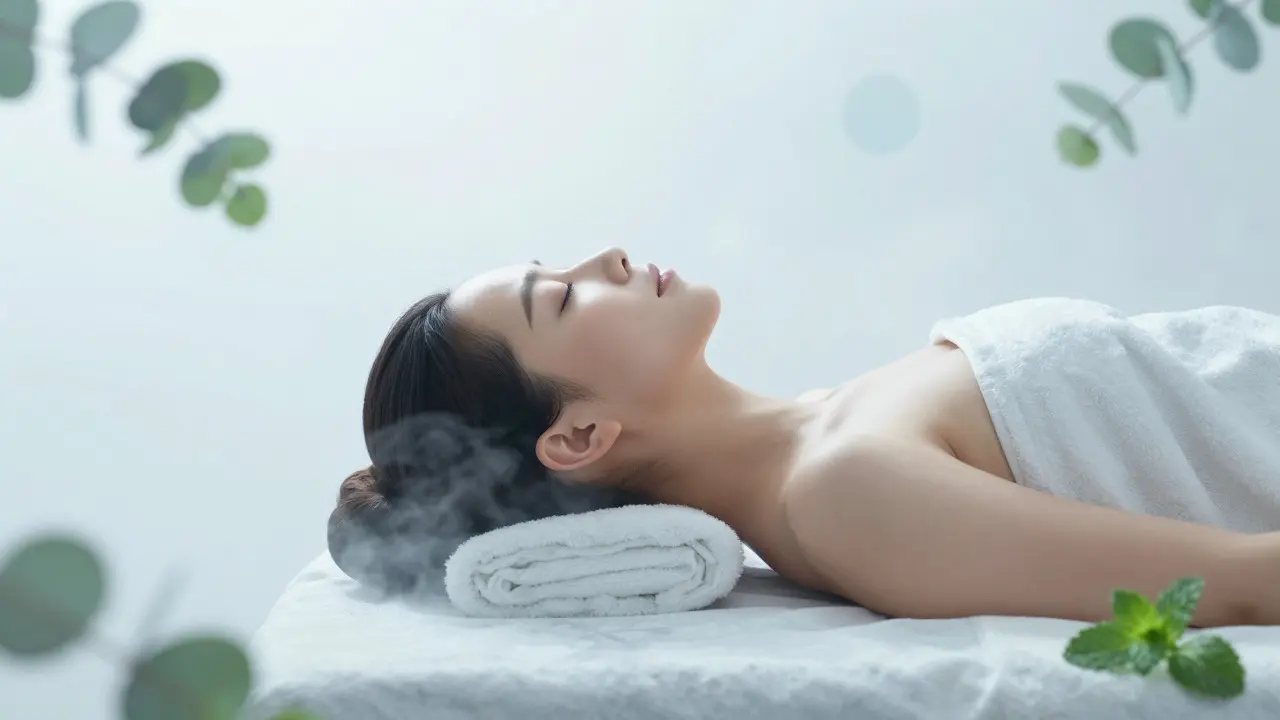
- Steam Inhalation: Breathe deeply to allow the humid air to clear nasal passages. If eucalyptus or mint oils are used, this can be particularly soothing for congestion.
- Scrubbing: Lie down on the stone. A attendant (or yourself) pours hot water over your body using a cloth. Then, the kese mitt is used to scrub the entire body, focusing on elbows, knees, and feet where dead skin accumulates.
- Rinsing: Rinse off the loosened dirt and soap with clean water. Some places offer a foam massage using traditional olive oil soap (Sabun traditional liquid soap made from olive oil and laurel berries).
- Cool Down: Exit the steam room and rest in a cooler area. Drink plenty of water to rehydrate. Some traditions include a final cold shower or plunge to close the pores and invigorate the system.
Skin Hydration and Anti-Aging Effects
The high humidity in a hammam is a gift for your skin. Dry environments strip moisture from the epidermis, leading to fine lines and irritation. In the hammam, your skin absorbs ambient moisture, plumping up cells and reducing the appearance of wrinkles temporarily. Over time, regular sessions can improve skin elasticity and texture.
Additionally, the increased blood flow brings collagen-producing cells to the surface. While it won't replace a facelift, consistent heat therapy can contribute to a healthier, more radiant complexion. For best results, apply a moisturizer immediately after your session while your pores are still slightly open, allowing the product to penetrate deeper.
Who Should Avoid the Hammam?
While beneficial for most, the hammam is not suitable for everyone. Caution is advised for:
- Pregnant Women: High core body temperature in the first trimester can pose risks. Consult an obstetrician before visiting.
- People with Heart Conditions: The strain on the cardiovascular system from heat exposure can be dangerous for those with uncontrolled hypertension or recent heart attacks.
- Those with Open Wounds or Infections: The communal and humid environment can harbor bacteria. Keep cuts covered or avoid until healed.
- Alcohol Consumers: Never enter a hammam after drinking alcohol. Alcohol dehydrates the body and impairs judgment, increasing the risk of fainting or overheating.
Practical Tips for Your First Visit
If you are new to the hammam, start with shorter sessions. Ten to fifteen minutes is enough for a beginner. Listen to your body. If you feel dizzy, lightheaded, or nauseous, exit immediately and cool down. Hydration is key-drink a glass of water before entering and another upon exiting.
Bring your own essentials if possible. While most hammams provide towels and soap, having your own flip-flops prevents fungal infections like athlete's foot. Wear modest attire as required by the establishment; some are gender-segregated, while others have mixed hours or private suites.
Finally, embrace the slowness. Do not rush the scrub or the rinse. The benefit lies in the pause, the moment where you disconnect from the world and reconnect with your body. In a city like Perth, where outdoor activities dominate, the hammam offers a unique indoor retreat that balances the physical demands of an active lifestyle with deep restorative care.
How often should I go to the hammam for best results?
For general wellness and skin maintenance, visiting once a week is ideal. This frequency allows your body to detoxify regularly without becoming dehydrated. If you use the hammam for muscle recovery after intense workouts, you might visit twice a week, ensuring you stay well-hydrated between sessions.
Is the hammam safe for people with sensitive skin?
Yes, but with caution. The heat can sometimes irritate very sensitive or inflamed skin. Use a gentle, fragrance-free soap and ask the attendant to use light pressure with the kese mitt. Always rinse thoroughly and apply a soothing moisturizer afterward. If you have conditions like rosacea, consult your dermatologist first, as heat can trigger flare-ups.
What is the difference between a hammam and a steam room?
A steam room is typically a smaller, enclosed space with 100% humidity generated by boiling water, often found in gyms. A hammam is a larger, architectural space with varying zones of heat and humidity, featuring heated marble platforms and a cultural ritual involving scrubbing and foaming. The hammam experience is more comprehensive and social, whereas a steam room is usually a quick therapeutic add-on.
Can I eat before going to the hammam?
It is best to avoid heavy meals right before your session. Digestion requires blood flow to the stomach, while the heat draws blood to the skin's surface. Eating heavily can cause discomfort or nausea. A light snack is fine, but wait at least an hour after a large meal before entering the heat.
Does the hammam help with weight loss?
The hammam causes temporary water weight loss through sweating, but it does not burn significant calories or fat. Any weight lost is regained once you rehydrate. However, it can support a weight loss journey by improving circulation, aiding muscle recovery, and providing a healthy alternative to stress-eating.