
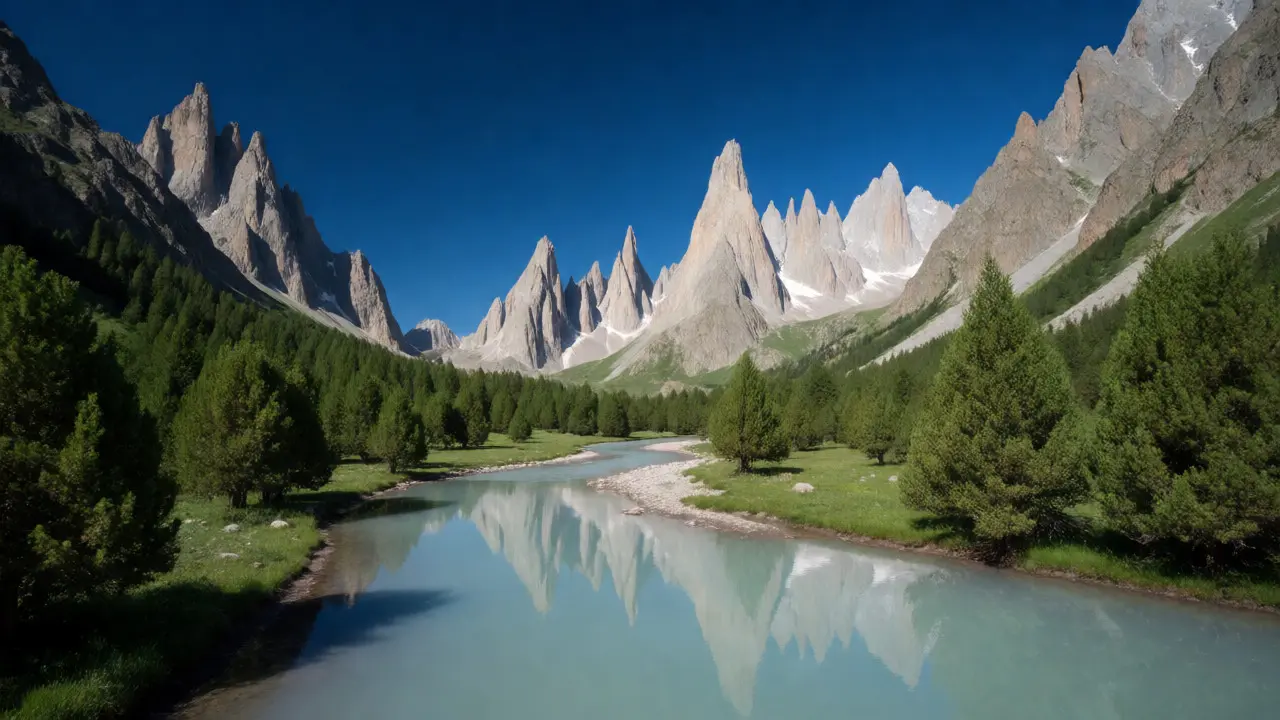
Most travelers chase the same five or ten famous peaks. They flock to Chamonix, Banff, or the Swiss Alps, snapping photos at the exact same viewpoints where thousands have stood before them. But what if you could find a place that feels like it was carved out just for you? Enter Hakali, a remote, unspoiled alpine region in the western Tien Shan mountains of Kyrgyzstan. It is not on the standard tourist map, and there are no souvenir shops selling plastic yurts. Instead, you get raw granite spires, glacial lakes that mirror the sky with terrifying clarity, and silence so deep it rings in your ears.
This isn't just another hiking spot. Hakali represents a specific type of modern travel desire: the need for authenticity over accessibility. If you are tired of crowded trails and curated experiences, this article breaks down why Hakali deserves a spot on your bucket list, how to actually get there without getting lost, and what makes its ecosystem unique compared to other Central Asian destinations.
Why Hakali Stands Out in the Crowded World of Alpine Tourism
The first thing you notice about Hakali is the lack of infrastructure. And that is exactly the point. Unlike the heavily developed resorts of Europe, Hakali offers a landscape untouched by mass tourism. The region sits within the Chatkal National Park area but extends into higher, more rugged elevations that most tour operators ignore because they are too difficult to access quickly.
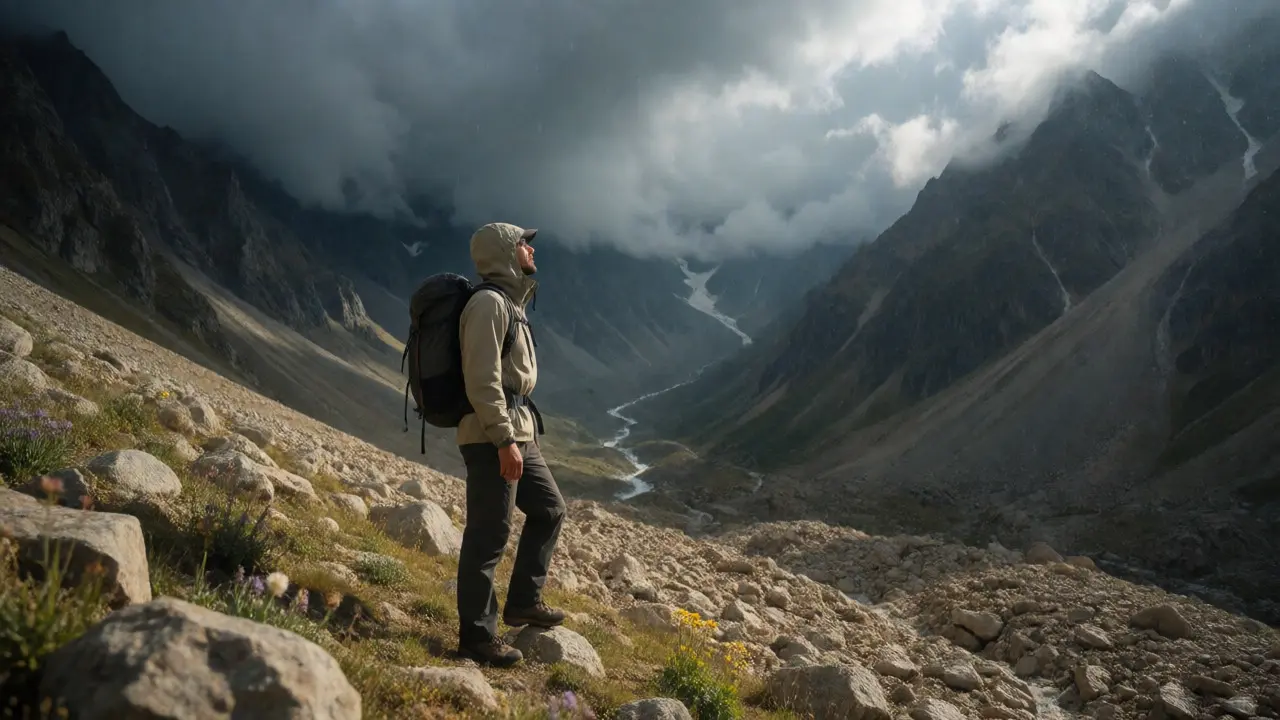
Here is the reality check: Hakali is not for the casual sightseer. It requires effort. You will be dealing with altitude changes from 2,000 meters up to 4,500 meters. The terrain shifts rapidly from lush juniper forests to barren scree slopes. This diversity creates a micro-ecosystem that supports rare species of snow leopards and ibex, animals that shy away from human noise. When you hike here, you aren't just walking; you are navigating a living, breathing wilderness that hasn't been paved over.
The Geography and Climate: What to Expect
Understanding the physical layout of Hakali helps you pack correctly and set realistic expectations. The region is defined by steep valleys fed by glacial meltwater. The rivers here, such as the tributaries of the Chon-Kemin River, are powerful and cold, often running with a milky blue hue due to suspended rock flour.
The weather is unpredictable. Even in July, which is considered peak season, you can experience four seasons in a single day. Morning might bring sunshine and temperatures around 15°C (59°F), but by afternoon, clouds roll over the peaks, bringing rain or even sleet. Winter lasts long here, often extending from October to May. This means the window for comfortable trekking is narrow-typically mid-June to early September.
| Season | Temperature Range | Trekking Difficulty | Key Feature |
|---|---|---|---|
| Spring (May-June) | -5°C to 10°C | High (Snowmelt) | Wildflower blooms, swollen rivers |
| Summer (July-Aug) | 5°C to 20°C | Moderate | Best visibility, accessible passes |
| Autumn (Sept-Oct) | -2°C to 12°C | Moderate to High | Golden larches, stable weather |
| Winter (Nov-Apr) | -20°C to -5°C | Expert Only | Snow cover, isolation |
Getting There: Logistics Without the Hassle
Reaching Hakali starts in Bishkek, the capital of Kyrgyzstan. From there, it is a two-hour drive to the village of Kaindy or Suusamyr, depending on your specific entry point into the Hakali range. Most independent travelers rent a 4x4 vehicle because the last 30 kilometers involve unpaved, rocky tracks that will destroy a sedan’s suspension.
If you prefer guided tours, look for local agencies based in Bishkek that specialize in "wild" trekking. Avoid large international chains; their itineraries often stick to the safer, more crowded routes near Issyk-Kul. Local guides know the hidden paths and, crucially, the best spots to camp away from the wind. They also speak the local dialects, which matters when you encounter herders moving livestock across the high pastures.
Cultural Immersion: More Than Just Mountains
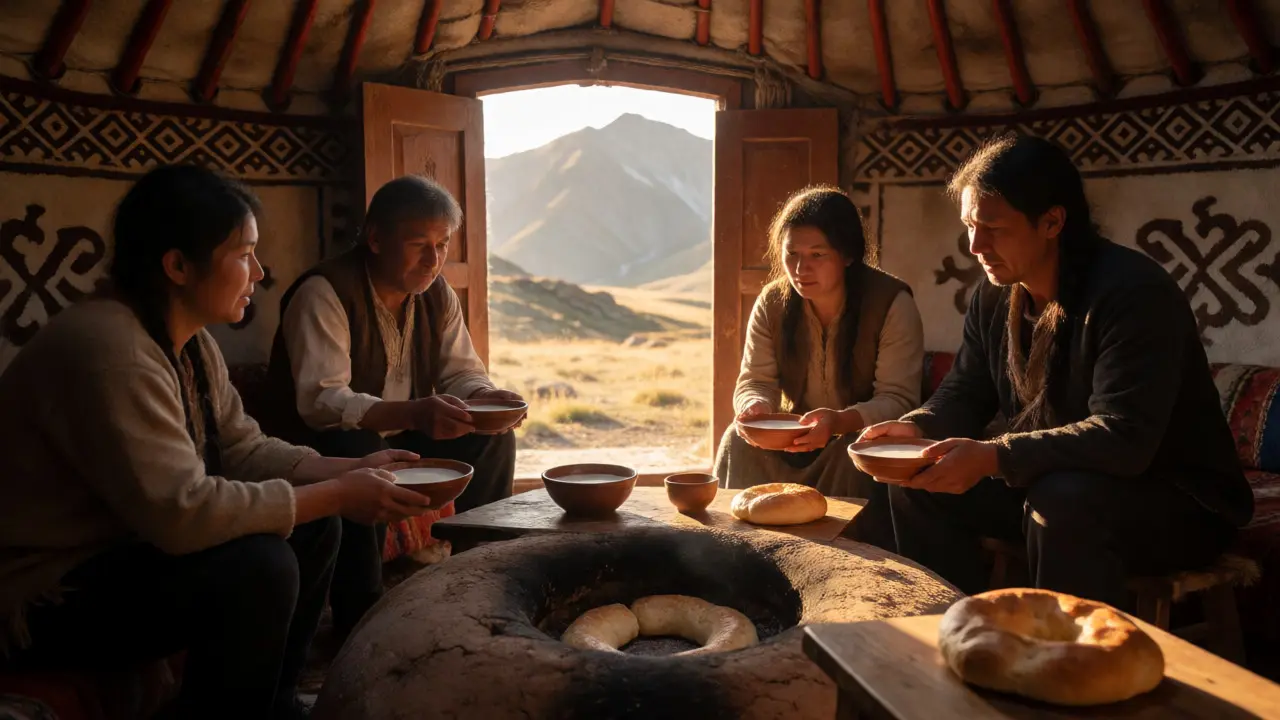
You cannot separate the landscape from the people who live alongside it. In the valleys surrounding Hakali, you will encounter semi-nomadic families who still practice traditional transhumance-moving their sheep, goats, and horses between lowland winter camps and highland summer pastures called jailoo.
Staying in a yurt is not a novelty act here; it is part of the local economy. Many families offer basic homestays. The hospitality is genuine. You will likely be served kumiss (fermented mare’s milk) and bread baked in a clay oven. Don’t refuse. It is a sign of respect. These interactions provide a context to the beauty you are seeing. The mountains are not just scenery; they are the backdrop to a centuries-old way of life that survives despite the pressures of modernization.
Essential Gear and Preparation Tips
Because Hakali is unspoiled, there are no rescue stations every five miles. You are responsible for your own safety. Here is what you actually need, stripped of marketing fluff:
- Layering System: Forget heavy coats. Use merino wool base layers, a fleece mid-layer, and a waterproof shell. Cotton kills you when wet in these altitudes.
- Navigation: Download offline maps (like Organic Maps or Gaia GPS) before leaving Bishkek. Cell service is non-existent above 2,500 meters.
- Water Filtration: Glacial water looks clean but can carry parasites from livestock upstream. Always filter or boil.
- First Aid: Include blister care, anti-inflammatory meds, and a comprehensive wound kit. Hypothermia kits are wise even in summer.
A common mistake is underestimating the sun. At 3,000 meters, UV intensity increases significantly. Sunburn happens fast, even when it is cloudy. Bring SPF 50+ sunscreen and sunglasses with side shields to prevent snow blindness if you are crossing late-season snow patches.
Comparison: Hakali vs. Other Central Asian Destinations
To help you decide if Hakali fits your style, compare it to other popular spots in the region. Each has its pros and cons, but Hakali wins on solitude and raw nature.
| Destination | Crowd Level | Infrastructure | Best For |
|---|---|---|---|
| Hakali | Very Low | Minimal | Solo trekkers, photographers, wildlife watchers |
| Issyk-Kul Lake | High | Resorts, Hotels | Families, beach lovers, cultural tourists |
| Ala-Archa NP | Moderate | Moderate | Day hikers, beginners |
| Pamir Highway | Low-Moderate | Roadside Guesthouses | Road trippers, history buffs |
Final Thoughts on Visiting
Hakali doesn’t ask much of you except respect and preparation. It rewards you with landscapes that feel ancient and indifferent to human presence. There are no Instagram filters needed here; the colors are already saturated by the thin air and intense sunlight. If you want a trip that challenges you physically and feeds your soul visually, this corner of Kyrgyzstan delivers. Just remember: leave no trace. The beauty of Hakali lies in its fragility. Keep it that way for the next person who seeks the quiet.
Is Hakali safe for solo travelers?
Yes, generally speaking. Crime rates in rural Kyrgyzstan are very low. However, the main risk is environmental-getting lost or injured in remote areas. Solo travelers should inform local rangers or guesthouse owners of their planned route and expected return time. Carrying a satellite messenger like Garmin inReach is highly recommended since cell coverage is spotty.
Do I need a visa to visit Hakali?
It depends on your nationality. Citizens of many countries, including the EU, UK, USA, Canada, Australia, and New Zealand, can enter Kyrgyzstan visa-free for stays up to 60 days. Always check the latest immigration rules before booking flights, as policies can change. Registration may be required if staying longer than 30 days.
What is the best time of year to visit?
Mid-July to August offers the most stable weather and highest probability of clear skies. Early September is also excellent for photography due to the changing colors of the larch trees and fewer insects. Avoid June if you dislike muddy trails from snowmelt, and avoid November through April unless you are an experienced winter mountaineer.
Can I hire a guide locally?
Yes, hiring a local guide is easy and affordable. You can arrange one in Bishkek through reputable trekking agencies or directly in villages like Kaindy. A guide costs roughly $20-$30 per day. They provide navigation assistance, translation, and valuable insights into local customs and safety hazards like river crossings.
Are there ATMs available near Hakali?
No. The nearest reliable ATMs are in major towns like Tokmok or Bishkek. Once you head toward the mountains, cash becomes king. Withdraw enough Kyrgyz Som to cover fuel, food, accommodation, and tips for guides or horse handlers. Card payments are rarely accepted in remote yurt stays or small village shops.