
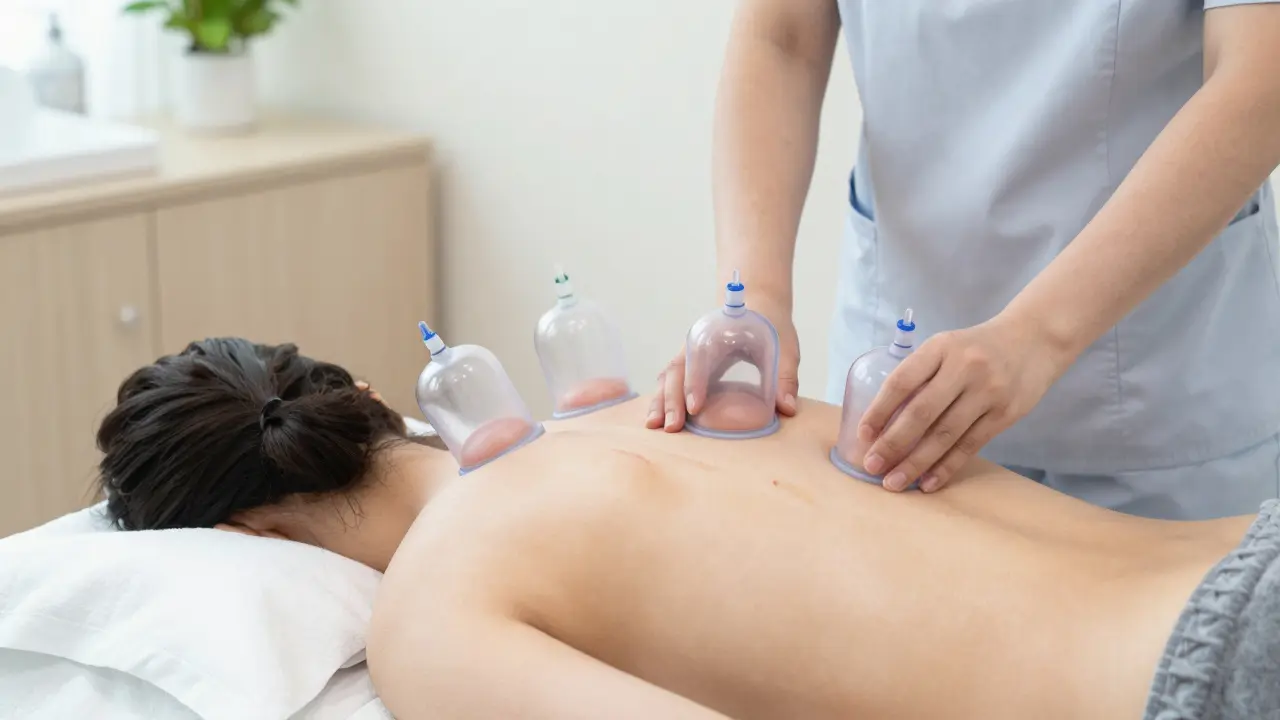
You’ve likely seen the dark circular marks on athletes like Simone Biles or Michael Phelps. They look like bruises, but they’re actually the signature aftermath of cupping therapy, a practice that has surged from ancient clinics to modern sports teams. If you are curious about whether this trend is just hype or if it holds real value for your health, you are not alone. The conversation around cupping has shifted dramatically in recent years, moving from skepticism to mainstream acceptance in physical therapy and wellness circles.
This guide breaks down exactly what cupping is, how it works on your body, and who might benefit from trying it. We will also address the common concerns about pain and bruising so you can make an informed decision.
What Is Cupping Therapy?
At its core, cupping is a form of alternative medicine where a therapist places special cups on your skin. These cups create suction that pulls the skin upward into the cup. This process increases blood flow to the area, which many believe helps with healing, reduces inflammation, and promotes relaxation.
The history of this practice goes back thousands of years. Evidence suggests it was used in ancient Egypt around 1550 BCE and was a staple in Traditional Chinese Medicine (TCM) for centuries. In TCM, cupping is often used to move "qi" (energy) and remove blockages. In Western contexts, it is viewed more mechanically-as a way to manipulate soft tissue and improve circulation.
| Type | How It Works | Best For |
|---|---|---|
| Static Cupping | Cups stay in one place for 5-15 minutes. | General relaxation, improving local blood flow. |
| Moving Cupping | Lotion is applied, and the therapist glides cups across the skin. | Tight muscles, fascial release (similar to deep tissue massage). |
| Fire Cupping | Flame is briefly used to heat the air inside the cup before placing it on skin. | Traditional practitioners; creates strong suction without pumps. |
| Water Cupping | Cups filled with water are moved over the skin. | Sensitive areas; provides cooling effect and gentle suction. |
How Does It Actually Work?
The mechanism behind cupping is rooted in physiology. When the suction is applied, it creates negative pressure. This pressure draws the skin and underlying fascia (the connective tissue surrounding muscles) up into the cup. This action causes tiny capillaries under the skin to burst slightly, leading to the characteristic red or purple marks known as ecchymosis.
While these marks look alarming, they are not bruises in the traditional sense caused by blunt force trauma. Instead, they indicate areas where blood flow was stagnant or restricted. The theory is that this localized "injury" triggers the body’s natural healing response, sending fresh, oxygenated blood to the area to repair the micro-tears and flush out metabolic waste products like lactic acid.
Think of it like turning on a clogged drain. The suction acts as a vacuum, pulling stagnation out while bringing new resources in. For many people, this results in a feeling of lightness and reduced tension immediately after the session.
Top Benefits of Cupping Therapy
Why do people keep coming back? The benefits vary depending on individual needs, but several key advantages stand out based on both anecdotal evidence and emerging research.
- Pain Relief: Many patients report significant reduction in chronic pain, particularly in the lower back, neck, and shoulders. A study published in the Journal of Pain found that cupping was effective in managing chronic neck pain, comparable to standard care.
- Muscle Recovery: Athletes use cupping to speed up recovery after intense training. By increasing blood flow, it may help reduce muscle soreness and stiffness.
- Improved Circulation: The suction enhances blood flow to the treated area, which can help with conditions related to poor circulation.
- Relaxation: Similar to massage, cupping activates the parasympathetic nervous system, helping you unwind and reduce stress levels.
- Reduced Inflammation: Some research suggests cupping can lower inflammatory markers in the body, potentially helping with conditions like arthritis.
What to Expect During a Session
If you decide to try cupping, knowing what happens during the appointment can ease any anxiety. Here is a typical step-by-step process:
- Consultation: Your therapist will ask about your medical history, current pain points, and goals. This is crucial to determine if cupping is safe for you.
- Positioning: You will lie face down, face up, or sit, depending on the area being treated. Common sites include the back, chest, abdomen, and limbs.
- Preparation: The skin is cleaned and sometimes oiled (especially for moving cupping). This prevents friction burns and allows cups to glide smoothly.
- Application: Cups are placed on the skin. Suction is created either by a hand pump, a mechanical pump, or fire (in traditional settings). You will feel a pulling sensation, but it should not be painful. If it hurts, tell your therapist-they can adjust the suction.
- Duration: Cups typically stay on for 5 to 15 minutes. Moving cupping may take longer as the therapist works different areas.
- Removal: The therapist releases the suction by pressing the skin next to the cup or using a valve. The cups are removed, and any oil is wiped off.
Most sessions last between 30 to 60 minutes, including consultation and cleanup.
Is Cupping Safe? Risks and Side Effects
Cupping is generally considered safe when performed by a trained professional. However, like any therapeutic intervention, it carries some risks.
The most common side effect is the circular marks left on the skin. These can range from pink to deep purple and may last anywhere from a few days to two weeks. They are temporary and fade as the body reabsorbs the blood.
Other potential risks include:
- Skin Irritation: Redness or mild itching at the site.
- Burns: Rare, but possible if fire cupping is performed incorrectly.
- Infection: If cups are not properly sterilized or if the skin is broken, there is a risk of infection.
- Dizziness: Some people feel lightheaded after treatment due to changes in blood pressure.
You should avoid cupping if you have certain conditions, such as bleeding disorders, severe anemia, or active skin infections. Always consult your doctor before trying cupping, especially if you are pregnant or taking blood-thinning medications.
Who Should Avoid Cupping?
While many people benefit from cupping, it is not suitable for everyone. You should skip this therapy if you fall into any of these categories:
- Pregnant Women: Certain points on the body, especially the abdomen and lower back, should not be cupped during pregnancy as it may stimulate contractions.
- People with Bleeding Disorders: Conditions like hemophilia or those taking anticoagulants (e.g., warfarin) increase the risk of excessive bruising or bleeding.
- Individuals with Skin Conditions: Avoid cupping over open wounds, rashes, ulcers, or areas with varicose veins.
- Those with Cancer: Consult your oncologist first, as increased blood flow could theoretically affect tumor growth or spread.
- People with Severe Edema: Fluid retention issues may worsen with suction.
Finding a Qualified Practitioner
Not all cupping therapists are created equal. To ensure a safe and effective experience, look for a practitioner with proper credentials. Ideally, choose someone licensed in massage therapy, physical therapy, or acupuncture who has additional training in cupping.
Ask questions during your initial consultation:
- Are you certified in cupping therapy?
- Do you use single-use liners or sterilize cups between clients?
- Can you explain the type of cupping you recommend for my condition?
A reputable therapist will prioritize hygiene and tailor the treatment to your specific needs rather than applying a one-size-fits-all approach.
Cupping vs. Massage: Which Is Better?
Many people wonder how cupping compares to traditional massage. Both aim to relieve pain and relax muscles, but they work differently.
Massage involves compression and kneading of tissues, pushing blood out of an area and then allowing it to rush back in. Cupping uses suction to pull tissues outward, creating space and drawing blood to the surface. Some experts suggest that cupping can reach deeper layers of fascia that manual massage might miss.
For best results, many therapists combine both techniques. A session might start with massage to warm up the muscles, followed by cupping to target specific trigger points. This integrative approach often yields superior relief compared to either method alone.
Does cupping therapy hurt?
Most people describe the sensation as a firm pulling or squeezing, not sharp pain. It should feel uncomfortable but tolerable. If you experience pain, inform your therapist immediately so they can reduce the suction. The marks may be tender to the touch afterward, similar to a mild sunburn.
How long do cupping marks last?
Marks typically last from 3 to 10 days, depending on the intensity of the suction and your body’s healing rate. Lighter suction results in fainter marks that fade faster. Darker marks indicate more stagnation and may take longer to resolve. They are not bruises and do not require medical attention.
Can I shower after cupping?
It is generally recommended to wait at least 4 to 6 hours before showering. This allows the pores to close and the skin to settle. Avoid hot showers or baths immediately after treatment, as heat can increase blood flow too rapidly and cause dizziness. Use lukewarm water and gentle soap.
How often should I get cupping?
Frequency depends on your goals. For acute pain, weekly sessions for 2-4 weeks may be beneficial. For maintenance or general wellness, every 2-4 weeks is often sufficient. Listen to your body and consult your therapist to create a personalized plan. Over-cupping can irritate the skin and tissues.
Is cupping covered by insurance?
Coverage varies widely by provider and policy. Some insurance plans cover cupping if performed by a licensed physical therapist or chiropractor for a diagnosed medical condition. Others consider it an alternative therapy and exclude it. Check with your insurer and ask your practitioner if they offer superbills for reimbursement claims.