
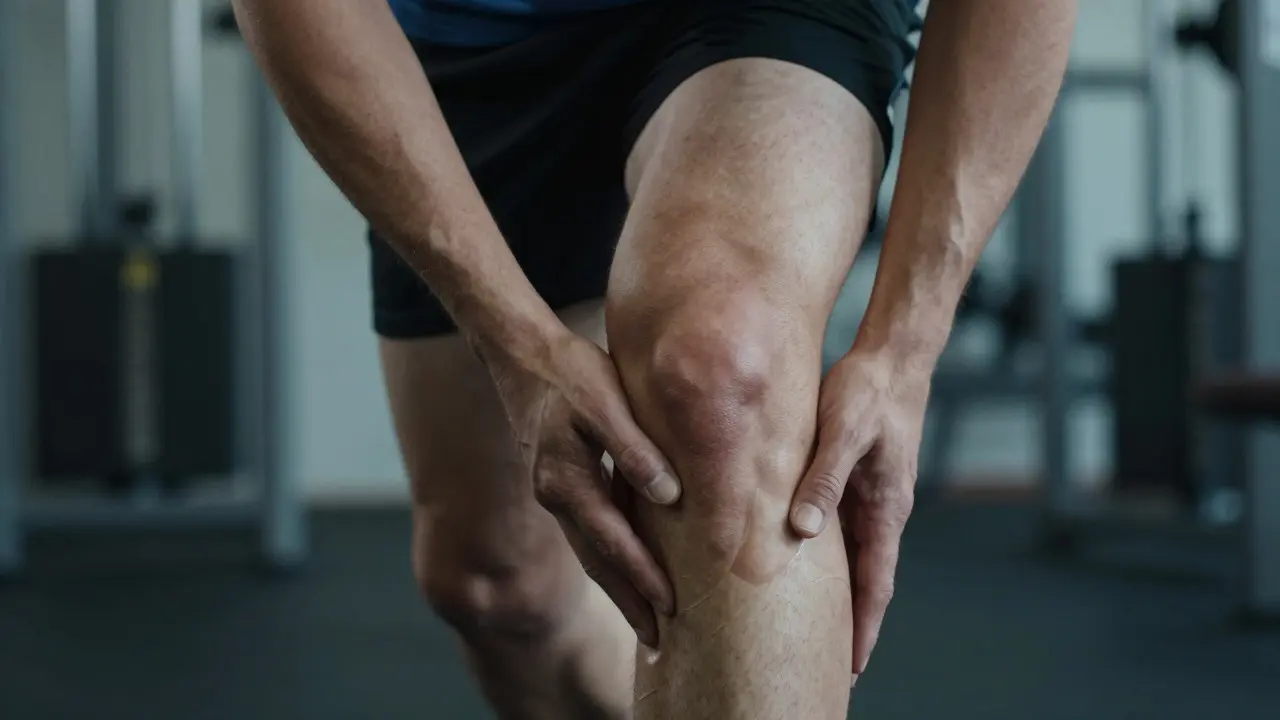
You’re an athlete. Your body is your engine, and lately, it’s been sputtering. Maybe you can’t fully straighten your knee after a long run, or your elbow feels locked in a bent position no matter how much you stretch. You’ve tried the foam rollers, the yoga sessions, and even the aggressive massage therapy, but that stubborn tightness remains. It’s not just stiffness; it’s a structural blockage known as a muscle contracture. When conservative treatments fail, many athletes face a difficult decision: proceed with a surgical procedure to cut or lengthen tightened tendons or muscles, commonly referred to as a contracture tendon release.
This isn’t a magic bullet, but for those trapped in chronic pain and limited mobility, it offers a genuine path back to performance. Understanding what this procedure entails, who actually needs it, and what the grueling recovery looks like is crucial before you sign any consent forms.
Understanding Muscle Contractures vs. Spasms
Before we talk about cutting tissue, we need to clear up a massive misconception. A muscle spasm is temporary. It’s a sudden, involuntary contraction that usually resolves on its own or with rest. A muscle contracture, however, is permanent shortening of the muscle or tendon tissue. Think of it like a rubber band that has been left stretched out in the sun for years-it loses its elasticity and snaps back into a shortened position, refusing to relax.
In athletes, these contractures often develop from repetitive micro-trauma, improper healing after an injury, or prolonged immobilization in a cast. The most common sites are the hamstrings (knee flexion contracture), the calves (ankle equinus), and the biceps (elbow flexion contracture). If your joint doesn’t reach its full range of motion despite consistent physical therapy, you likely have a fixed deformity rather than simple tightness.
When Surgery Becomes the Only Option
Physical therapists will tell you that surgery is always the last resort. And they’re right. Most athletes spend months trying manual therapy, dry needling, and eccentric loading exercises to break down the fibrous scar tissue. But there comes a point where the biology works against you. The tendon has literally thickened and shortened.
Consider this scenario: You’re a soccer player with a hamstring contracture. Every time you sprint, your hip mechanics are compromised because your knee can’t fully extend. This forces your lower back to compensate, leading to secondary injuries. At this stage, stretching is futile. The mechanical advantage is lost. A tendon release surgery aims to restore that neutral alignment by surgically lengthening the affected structure.
| Factor | Conservative Therapy | Surgical Release |
|---|---|---|
| Timeframe | 3-6 months minimum | Immediate structural change |
| Success Rate | Variable (low for fixed contractures) | High (>85% for functional improvement) |
| Risk Profile | Minimal (bruising, soreness) | Moderate (infection, nerve damage, recurrence) |
| Recovery Downtime | None (active participation required) | Significant (weeks to months off sport) |
| Ideal Candidate | Early-stage tightness, spasms | Fixed deformity, failed PT |
The Procedure: What Actually Happens?
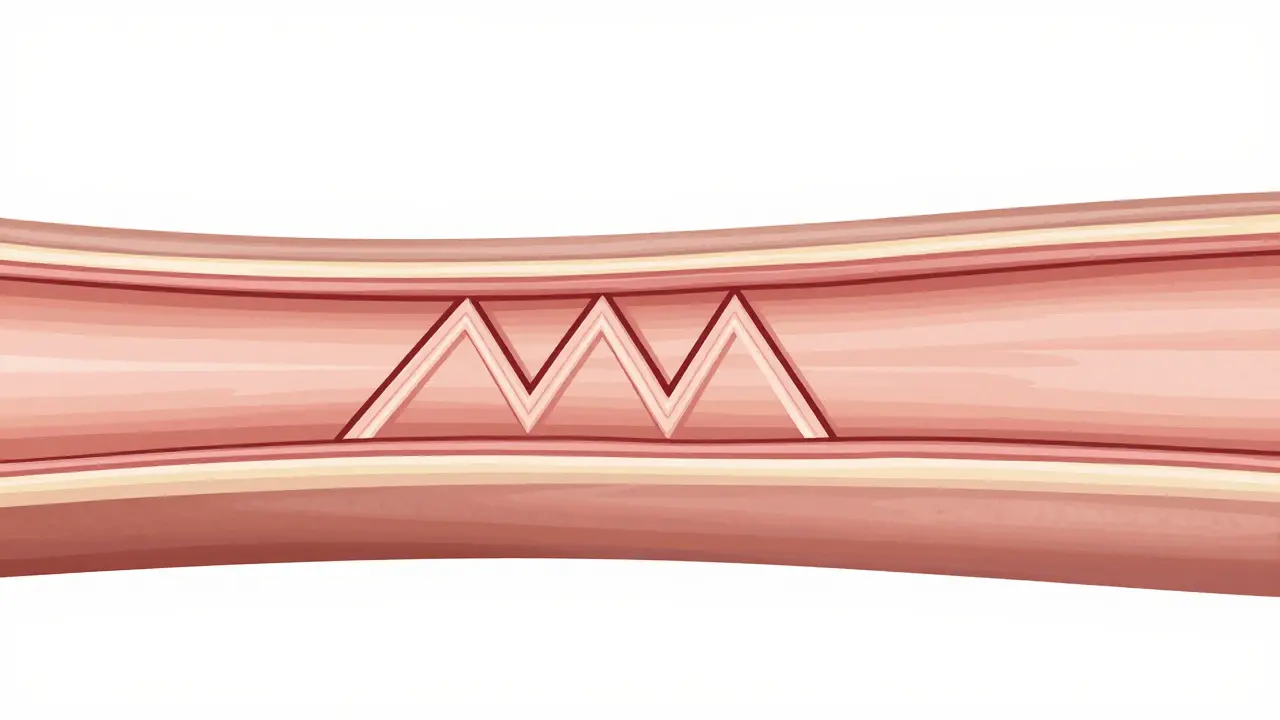
The term "release" sounds gentle, but it’s a precise surgical intervention. Depending on the location and severity, the surgeon might perform a tenotomy (cutting the tendon) or a myotomy (cutting the muscle belly). For more complex cases, a Z-lengthening procedure is used, where the tendon is cut in a zigzag pattern and reattached, effectively increasing its length without compromising its strength too drastically.
For example, in a gastrocnemius recession (common for runners with tight calves), the surgeon detaches the calf muscle from the heel bone slightly higher up, allowing the ankle to dorsiflex more easily. This is often done arthroscopically, meaning smaller incisions and faster initial healing compared to open surgery. However, deeper structures like the iliopsoas may require open approaches to safely navigate around major nerves and blood vessels.
Navigating the Rehabilitation Maze
If you think the surgery is the hard part, think again. The operation merely creates the *potential* for movement; rehabilitation builds the *reality* of it. This is where most athletes stumble. The immediate post-op period involves protecting the repair while gently encouraging the new range of motion.
You’ll likely be in a brace or splint for the first few weeks to prevent the muscle from snapping back into its old, shortened position. Then comes the grueling phase of passive stretching. Yes, it hurts. Your therapist will move your limb through ranges that feel impossible. This is necessary to remodel the collagen fibers along their new, longer axis.
- Weeks 1-2: Focus on wound care, swelling management, and maintaining basic circulation. No active strengthening yet.
- Weeks 3-6: Introduction of passive range-of-motion exercises. You might start walking with crutches if it’s a lower-body procedure.
- Months 2-4: Active strengthening begins. You’re rebuilding the neuromuscular connection so your brain knows how to control the muscle at its new length.
- Months 4-6: Sport-specific drills. Plyometrics, agility work, and gradual return to impact activities.
A critical pitfall here is rushing. If you strengthen the muscle before it’s fully elongated, you risk creating a new contracture, sometimes worse than the original. Patience is not just a virtue; it’s a biological requirement.
Risks and Realistic Expectations
No surgery is without risk. While rare, complications can include infection, deep vein thrombosis (blood clots), and nerve injury. More commonly, athletes deal with weakness. Cutting a tendon inherently reduces its peak force output initially. You might find that while your range of motion is perfect, your power generation is down by 10-15% in the early stages of return-to-play.
Recurrence is another concern. If you return to training without addressing the underlying biomechanical flaws that caused the contracture in the first place-such as poor flexibility routines or imbalanced muscle groups-the tissue may tighten again. This is why post-surgical physical therapy isn’t optional; it’s mandatory.

Who Should Consider This?
Not every stiff athlete needs a scalpel. You should consider a contracture release only if:
- You have a measurable loss of range of motion (e.g., knee extension deficit >10 degrees).
- You have completed at least three to six months of dedicated, supervised physical therapy with no significant improvement.
- The contracture is causing secondary pain in adjacent joints (hips, back, ankles).
- Your daily function or athletic performance is severely limited.
If you’re still in the early stages of injury rehab, hold off. Give your body time to heal naturally. Surgery is a tool for resolving established, pathological limitations, not a shortcut for lazy stretching habits.
Long-Term Outlook for Athletes
For those who undergo the procedure correctly, the results can be life-changing. Professional dancers, elite sprinters, and weekend warriors alike report restored freedom of movement and elimination of chronic pain. The key is viewing the surgery as the beginning of a new training chapter, not the end of your problems.
Many athletes emerge from this process with better biomechanics than before. By fixing the root cause of the restriction, you allow your kinetic chain to function efficiently. Your hips can rotate properly, your knees can track correctly, and your stride can lengthen. It’s an investment in your longevity, both in sport and in daily life.
How long does it take to return to sports after tendon release surgery?
Return times vary significantly based on the muscle group and the sport. For lower-body procedures like hamstring or calf releases, expect 4 to 6 months before returning to high-impact activities. Upper-body procedures may allow a quicker return, typically 3 to 4 months. Always follow your surgeon’s and physical therapist’s specific timeline.
Is contracture tendon release painful?
The surgery itself is performed under anesthesia, so you feel nothing during the procedure. Post-operative pain is manageable with medication but can be intense during the early rehabilitation phases when aggressive stretching is required. Most patients report that the pain decreases significantly after the first 6 weeks.
Can muscle contractures come back after surgery?
Yes, recurrence is possible if proper rehabilitation is not followed or if underlying biomechanical issues are not addressed. Consistent stretching, strengthening, and regular check-ins with a physical therapist are essential to maintain the gains achieved through surgery.
What are the signs that I need a tendon release instead of physical therapy?
Key indicators include a fixed loss of range of motion that hasn't improved after 3-6 months of dedicated physical therapy, pain that limits daily activities, and visible deformity or limp. If your joint simply won't move past a certain point regardless of effort, surgical consultation may be warranted.
Does insurance cover contracture tendon release surgery?
Coverage varies by provider and plan. Many insurers require documentation of failed conservative treatments (physical therapy records) before approving surgery. It's considered medically necessary if it impacts function, but cosmetic or purely performance-based requests may be denied. Check with your provider for pre-authorization requirements.