
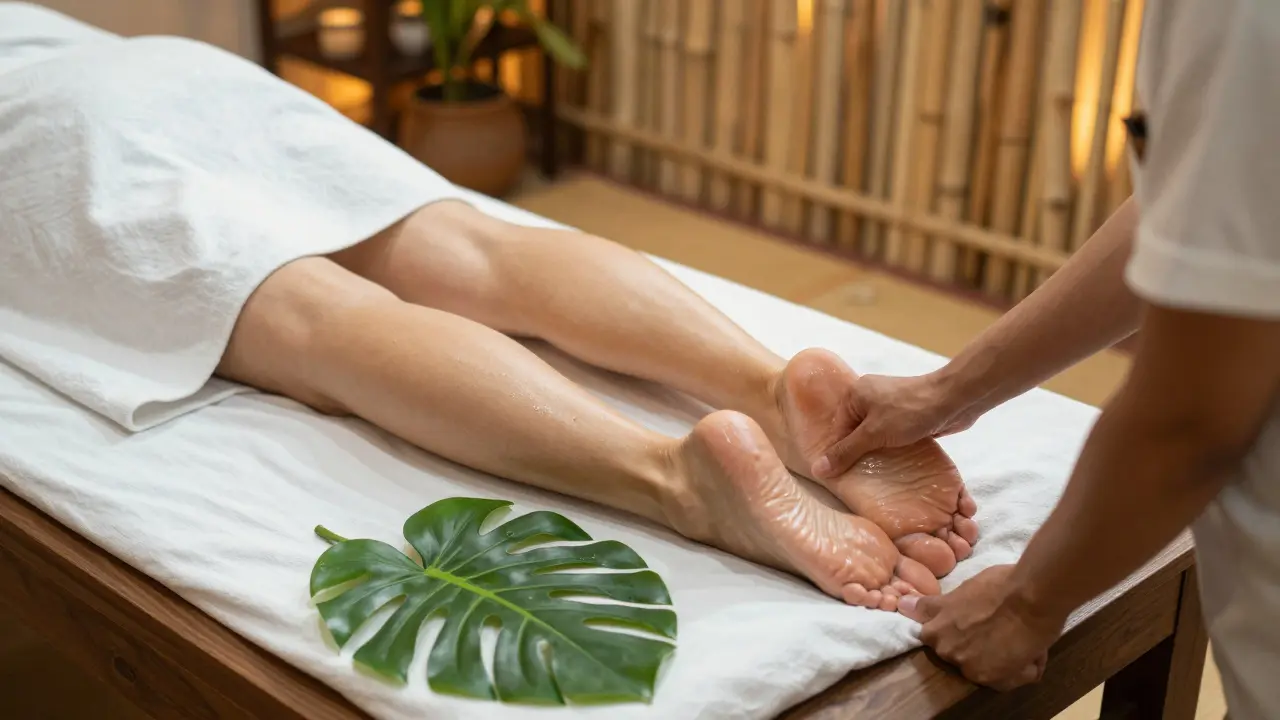
You walk into a spa, expecting the usual Swedish rubdown or a quick reflexology session. Instead, the therapist asks you to lie face down, pulls up your pants slightly, and begins working on your feet with their own hands, fingers, and even forearms. It sounds intense, maybe even a bit awkward at first. But once the pressure hits those tight arches and the tension in your calves releases, you realize this isn't just a foot rub. This is champissage, an ancient Thai practice that does far more than soothe tired soles.
If you’ve ever felt like standard massages miss the root of your lower body tension, champissage might be the missing link. It’s not just about relaxing your feet; it’s about resetting your entire nervous system from the ground up. Let’s break down what makes this technique unique, how it differs from other therapies, and why it deserves a spot in your self-care routine.
What Exactly Is Champissage?
Champissage is a traditional Thai foot massage technique that combines deep tissue pressure, stretching, and energy line work to relieve physical tension and restore energetic balance. The word comes from the French term for "massage," but its roots are deeply embedded in Ayurvedic and Thai healing traditions. Unlike Western foot massages that often focus solely on the skin or superficial muscles, champissage targets the deeper connective tissues, tendons, and fascia.
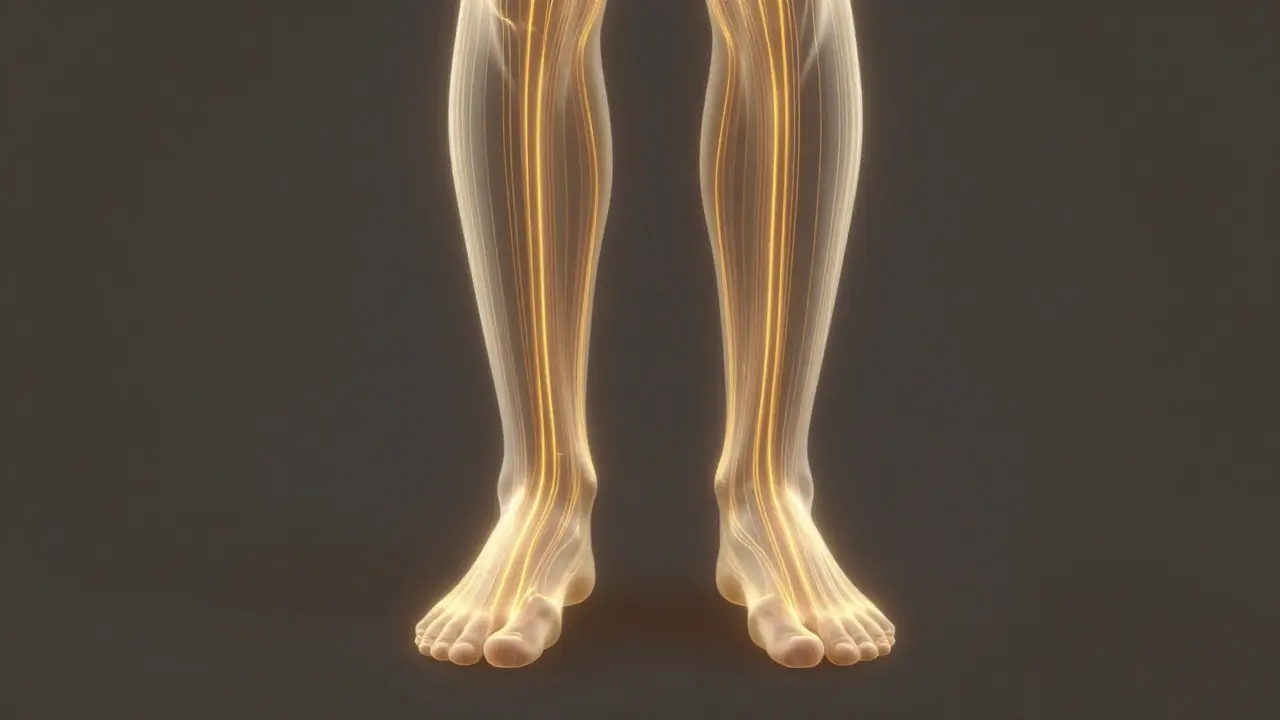
Think of it as a hybrid between deep tissue massage, reflexology, and yoga. The therapist uses their thumbs, palms, elbows, and sometimes even their feet to apply rhythmic, compressive pressure along specific lines of the body. These lines correspond to the Sen lines energy pathways in Thai medicine believed to carry life force throughout the body. When these lines are blocked, pain and stiffness result. Champissage clears those blockages.
The process usually starts with a warm oil application to lubricate the skin and reduce friction. Then, the therapist works systematically from the toes up to the ankles, calves, and sometimes even the knees. You’ll feel a mix of firm pressure and gentle pulling. It’s not always comfortable in the moment-there’s often a "good hurt" sensation-but the aftermath is typically profound relaxation and increased mobility.
How Champissage Differs From Reflexology and Deep Tissue
Many people confuse champissage with reflexology or deep tissue massage because they all involve pressure on the feet and legs. But the mechanics and intentions are quite different. Understanding these distinctions helps you choose the right therapy for your needs.
| Feature | Champissage | Reflexology | Deep Tissue Massage |
|---|---|---|---|
| Primary Focus | Energy lines (Sen) & deep muscle release | Nerve endings mapped to organs | Dense muscle knots & fascia |
| Technique | Thumbs, palms, elbows, stretching | Thumb walking, finger pressure | Slow strokes, cross-fiber friction |
| Pressure Level | Moderate to Firm | Light to Moderate | Firm to Very Firm |
| Best For | Whole-body tension, flexibility, energy flow | Organ health, stress relief, circulation | Chronic pain, injury recovery, sports rehab |
| Cultural Origin | Thai/Ayurvedic | Ancient Egyptian/Chinese | Western Medicine |
Reflexology operates on the idea that points on your feet correspond to internal organs. Pressing a spot on your big toe might affect your sinuses. Champissage doesn’t claim to treat organ dysfunction directly. Instead, it focuses on the musculoskeletal system and energy flow. If you have sciatica or tight hamstrings, champissage will likely provide more immediate physical relief than reflexology.
Deep tissue massage is great for isolating specific knots, but it can be aggressive. Champissage is more holistic. It treats the foot as part of a chain that includes the ankle, calf, knee, and hip. By releasing tension in the foot, you indirectly loosen the entire leg. This interconnected approach is why athletes and dancers often swear by it.
The Physical Benefits: More Than Just Relaxed Feet
When you stand or walk all day, your feet absorb shock from every step. Over time, this leads to inflammation, plantar fasciitis, and poor posture. Champissage addresses these issues at the source. Here’s what happens physically during and after a session:
- Improved Circulation: The rhythmic compression acts like a pump, pushing stagnant blood and lymph fluid back toward the heart. This reduces swelling in the ankles and feet, which is common after long flights or standing jobs.
- Increased Flexibility: The stretching component loosens tight Achilles tendons and calf muscles. Tight calves pull on the knees and hips, leading to misalignment. Releasing them restores natural joint movement.
- Pain Reduction: Pressure on trigger points releases endorphins, the body’s natural painkillers. Many clients report reduced lower back pain after a champissage session because the kinetic chain from the foot to the spine is unblocked.
- Better Posture: Your feet are your foundation. If they’re stiff or misaligned, your whole skeleton compensates. Regular champissage helps realign the arches, promoting a more balanced stance.
I remember a client who came in with chronic knee pain. Doctors couldn’t find structural damage. After three sessions of champissage focusing on her left foot and inner calf, she reported a significant decrease in knee discomfort. The issue wasn’t the knee; it was a restricted arch that was altering her gait.
The Energetic Perspective: Clearing Blockages
In Thai medicine, health is defined by the free flow of energy through the ten main Sen lines. When these lines are blocked, you experience pain, fatigue, or emotional distress. Champissage is designed to unblock these pathways.
The therapist applies pressure along the medial (inner) side of the foot, which corresponds to the liver and kidney meridians in Eastern medicine. They work along the lateral (outer) edge, linked to the bladder and gallbladder. By stimulating these areas, champissage aims to balance the body’s internal environment.
This isn’t just spiritual woo-woo. There’s a physiological basis for it. The nervous system responds to touch. Gentle, rhythmic pressure activates the parasympathetic nervous system-the "rest and digest" mode. This lowers cortisol levels, slows the heart rate, and induces a state of calm. That’s why many people fall asleep during a champissage session.
Who Should Try Champissage? (And Who Should Avoid It)
Champissage is suitable for most people, especially those with sedentary lifestyles, athletes, or anyone dealing with lower body tension. However, it’s not for everyone. Here’s a quick guide to help you decide if it’s right for you.
Good candidates include:
- Office workers who sit all day and develop tight hips and calves.
- Runners and cyclists who need regular maintenance to prevent overuse injuries.
- People with mild plantar fasciitis or heel pain.
- Those seeking stress relief and better sleep quality.
Avoid or consult a doctor first if you have:
- Open wounds or infections: Don’t get a massage if you have cuts, blisters, or fungal infections on your feet.
- Deep Vein Thrombosis (DVT): Massaging a leg with a blood clot can dislodge it, causing a life-threatening pulmonary embolism. Always get medical clearance.
- Severe osteoporosis: The pressure might be too intense for fragile bones.
- Pregnancy: While some Thai massages are safe during pregnancy, certain pressure points on the feet and ankles are believed to stimulate uterine contractions. Stick to prenatal-specific therapies unless your therapist is certified in pregnancy massage.
- Recent surgery: Wait until your surgeon gives the green light, especially if the surgery involved the legs or feet.
What to Expect During Your First Session
Walking into your first champissage appointment can feel a bit vulnerable. You’re lying on a table, often with only a sheet covering you, while someone works on your bare feet. Here’s a step-by-step breakdown to ease any anxiety.
- Consultation: The therapist will ask about your health history, pain points, and goals. Be honest about any injuries or sensitivities.
- Preparation: You’ll change into loose clothing or use the provided shorts. The therapist warms the oil and may soak your feet in warm water to soften the skin.
- The Massage: Starting with the toes, the therapist uses thumb pressure to stretch each digit. They move to the arch, applying deep, circular motions. Then, they work up the calf, using their forearms for broader pressure. Expect some stretching of the ankle and knee.
- Communication: Speak up if the pressure is too much. "Ouch" means stop. "That’s good" means keep going. A good therapist adjusts based on your feedback.
- Aftercare: You’ll be given water to drink and advised to rest for a few minutes before leaving. Your feet might feel sensitive, and your legs might feel lighter.
Don’t rush out the door. Give your body five minutes to integrate the changes. Notice how your steps feel when you walk to your car. Many people describe a sensation of "floating" or having "new shoes" on their feet.
DIY Champissage: Simple Techniques for Home
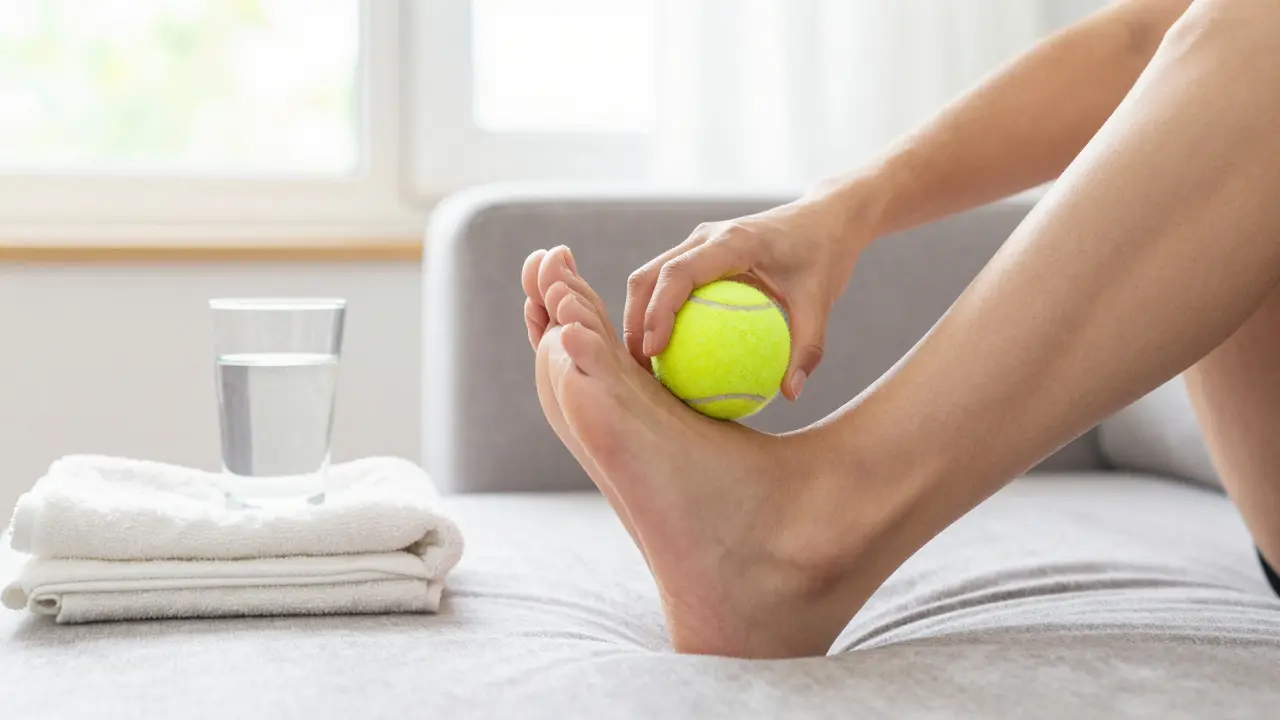
You don’t need to book a spa appointment to reap the benefits. You can perform basic champissage techniques at home using a tennis ball, a foam roller, or just your hands. Here are three effective moves:
1. Tennis Ball Roll
Sit on a chair and place a tennis ball under one foot. Roll it slowly from the heel to the toes, applying pressure where it feels tender. Hold on any tight spots for 30 seconds. This mimics the thumb-walking technique used in champissage.
2. Calf Stretch with Towel
Lie on your back with one leg extended. Loop a towel around the ball of your foot and gently pull your toes toward you. Keep your knee straight. Hold for 30 seconds. This stretches the gastrocnemius and soleus muscles, relieving tension that pulls on the arch.
3. Thumb Pressure on Arch
Cross one leg over the other. Use your opposite thumb to press firmly into the center of your arch. Move in small circles. This stimulates the reflexology points associated with digestion and stress relief.
Do these exercises daily for best results. Consistency beats intensity when it comes to maintaining foot health.
Finding a Qualified Practitioner
Not all spas offer authentic champissage. Some places label any foot massage as such without proper training. To ensure you get the real deal, look for these credentials:
- Thai Massage Certification: Look for therapists trained in Wat Pho or other reputable Thai massage schools.
- Experience with Sen Lines: Ask if they understand the energy line system. A true champissage practitioner will mention Sen lines.
- Hygiene Standards: Ensure they use fresh linens, clean towels, and sanitized tools. Foot massages require extra attention to hygiene due to the risk of fungal transmission.
Read reviews specifically mentioning "champissage" or "Thai foot massage." Avoid places that seem rushed or prioritize upselling products over treatment quality.
Does champissage hurt?
It can be uncomfortable, especially if you have tight muscles or haven't had a massage in a while. The pressure is firm, but it should never be sharp or agonizing. Communicate with your therapist to adjust the intensity. The goal is therapeutic release, not pain endurance.
How often should I get champissage?
For general maintenance, once a month is sufficient. If you're dealing with chronic pain or are an athlete, weekly or bi-weekly sessions may be beneficial. Listen to your body; if your feet feel heavy and achy, it's time for a session.
Can champissage help with flat feet?
While it won't structurally change your bone alignment, champissage can strengthen the intrinsic muscles of the foot and improve arch support through better muscle tone and flexibility. Combined with orthotics or exercises, it can significantly alleviate symptoms associated with flat feet.
Is champissage safe for diabetics?
Diabetics often have reduced sensation in their feet (neuropathy), making them prone to unnoticed injuries. Consult your doctor before trying champissage. If approved, ensure the therapist knows about your condition so they can avoid excessive pressure that could cause bruising or skin damage.
What should I wear to a champissage session?
Wear loose, comfortable clothing that allows easy access to your feet and ankles. Most spas provide shorts or pants with elastic waists. Avoid tight jeans or restrictive fabrics that might cut off circulation during the session.