
Imagine a touch so light it barely registers on your skin, yet it sends waves of calm through your entire nervous system. This is not magic; it is Breema, a gentle form of energy healing that uses soft, rhythmic movements to release tension and promote deep relaxation. Unlike massage, which often involves kneading muscles or applying pressure to trigger points, Breema works with the subtle energy field surrounding the body. It feels less like a treatment and more like being held in a state of profound peace.
If you have ever felt exhausted by high-pressure therapies or simply crave a softer approach to wellness, Breema offers a refreshing alternative. Developed in the United States during the 1970s, this practice has grown globally because it addresses the root cause of many physical ailments: chronic stress and energetic blockages. By focusing on intention rather than force, practitioners help recipients reconnect with their own natural healing abilities.
What Exactly Is Breema?
To understand Breema, you need to look beyond traditional anatomy. While standard medical treatments focus on organs and tissues, Breema operates on the principle that the human body is an integrated system of energy flow. The founder, Douglas Brooks, combined insights from martial arts, psychology, and spiritual traditions to create a method that is both practical and deeply soothing.
The core technique involves three main elements:
- Gentle Touch: Practitioners use feather-light strokes along the body’s surface.
- Rhythmic Movement: Movements are slow and repetitive, mimicking natural bodily rhythms like breathing or heartbeats.
- Intention: The practitioner focuses on sending feelings of care and safety to the recipient.
This combination creates a feedback loop. As the body relaxes, energy flows more freely, which further reduces tension. It is a self-reinforcing cycle of healing that requires no special equipment or expensive facilities. You can receive Breema on a couch, a chair, or even while standing up.
How Breema Differs From Other Bodywork Therapies
Many people confuse Breema with Reiki or Shiatsu because they all fall under the umbrella of energy work. However, the mechanics and philosophy differ significantly. Let’s break down these differences so you can choose what fits your needs best.
| Therapy Type | Techique Focus | Physical Contact | Primary Goal |
|---|---|---|---|
| Breema | Gentle stroking and rocking | Light, continuous touch | Release emotional and physical tension |
| Reiki | Palm placement over chakras | Minimal or non-contact | Balance universal life energy |
| Shiatsu | Pressure point stimulation | Firm, targeted pressure | Restore Qi flow in meridians |
| Swedish Massage | Kneading and effleurage | Moderate to deep pressure | Relax muscles and improve circulation |
Notice how Breema stands out for its emphasis on gentleness. If you have sensitive skin, chronic pain, or simply dislike heavy hands, Breema is likely your best bet. It does not try to "fix" a specific muscle knot but instead invites the whole body to let go of holding patterns.
The Science Behind the Soft Touch
Skeptics might wonder if such a light touch can actually produce results. The answer lies in neurophysiology. When we experience stress, our sympathetic nervous system activates-the "fight or flight" response. This keeps us tense, alert, and often in pain. Breema stimulates the parasympathetic nervous system, which governs rest and digestion.
Research into therapeutic touch suggests that gentle, rhythmic stimulation lowers cortisol levels (the primary stress hormone) and increases oxytocin (the bonding and calming hormone). A study published in the *Journal of Alternative and Complementary Medicine* noted that participants who received gentle energy work reported significant reductions in anxiety and improved sleep quality within just a few sessions. While more large-scale clinical trials are needed, the anecdotal evidence from thousands of practitioners worldwide is compelling.
Moreover, Breema helps regulate the vagus nerve, a key component of the parasympathetic system. By slowing down breath and movement, the therapy signals safety to the brain, allowing trapped emotions and physical tensions to dissolve naturally.
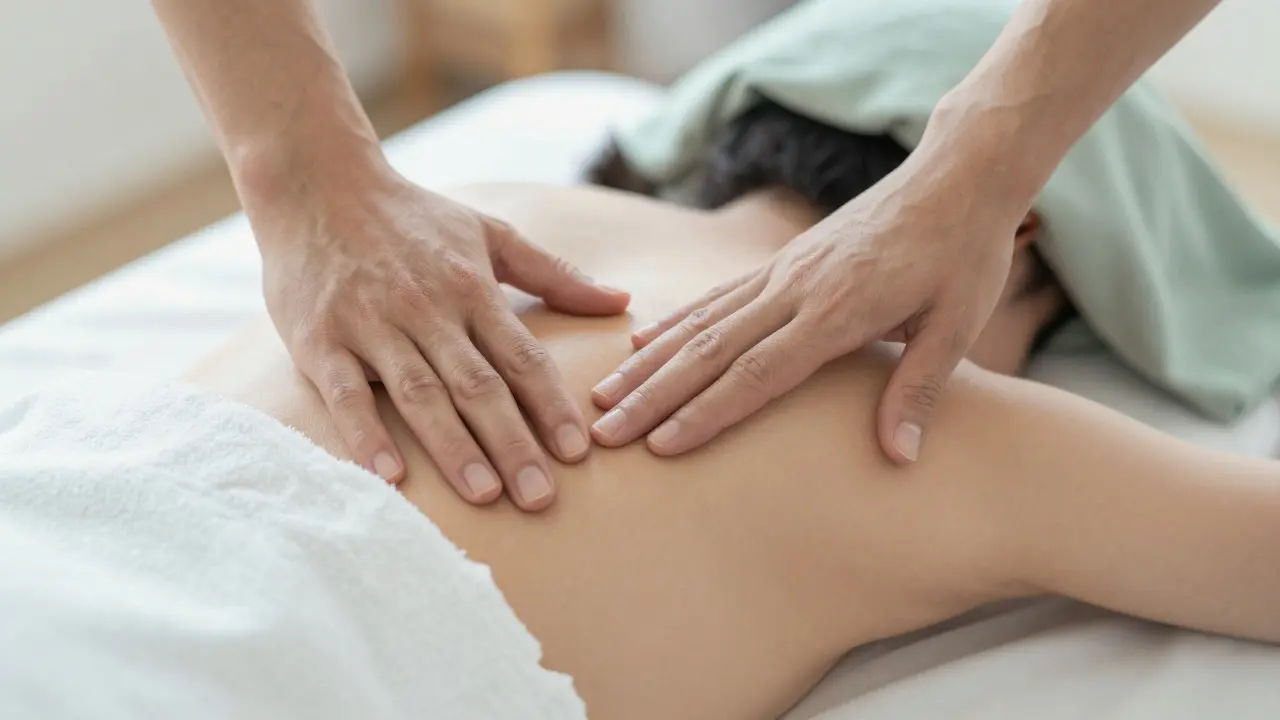
Who Can Benefit From Breema?
One of the most beautiful aspects of Breema is its inclusivity. It is suitable for almost anyone, regardless of age or physical condition. Here are some common scenarios where Breema shines:
- Chronic Pain Sufferers: People with fibromyalgia, arthritis, or back pain often find relief because Breema does not aggravate inflamed tissues.
- Anxiety and Depression: The calming effect can provide a temporary respite from mental distress, offering a sense of grounding.
- Children and Seniors: Because it is so gentle, it is safe for babies (often used for colic) and elderly individuals with fragile bones or skin.
- Athletes: While it doesn’t replace sports massage, Breema aids in recovery by reducing mental fatigue and promoting better sleep.
I have seen clients come in after years of failed treatments for insomnia. After one session, they described feeling "lighter," as if a heavy blanket had been lifted off their chest. That subjective experience is powerful, even if it cannot be measured on an MRI scan.
What to Expect During Your First Session
If you decide to try Breema, knowing what happens can ease any initial apprehension. A typical session lasts between 45 to 60 minutes. You will remain fully clothed throughout the process. Comfortable clothing is recommended, but there is no need to undress.
- Consultation: The practitioner will ask about your health history, current stressors, and goals for the session.
- Positioning: You will lie down on a table or sit in a comfortable chair. Pillows may be used for support.
- The Treatment: The practitioner begins with gentle strokes on the head, face, and neck, moving down to the arms, legs, and torso. They may also gently rock your limbs to release joint tension.
- Closing: The session ends with a few moments of stillness, allowing you to integrate the experience before slowly returning to normal activity.
You might feel drowsy, emotional, or incredibly refreshed afterward. All of these reactions are normal. Drinking water after the session helps flush out any metabolic waste released during relaxation.
Can You Learn Breema Yourself?
Absolutely. One of the unique features of Breema is its accessibility. Unlike many medical professions, Breema training is open to the public. Courses typically range from beginner to advanced levels and can be completed in a weekend or over several months.
Learning Breema involves practicing on partners in a group setting. You learn to listen with your hands and develop sensitivity to subtle energy shifts. Many people start learning Breema to help themselves and their families. Imagine being able to soothe a crying baby or help a stressed partner unwind without needing to book an appointment.
Training organizations like the International Breema Association offer standardized curricula. Look for certified instructors who emphasize ethics and safety. Remember, Breema is complementary medicine-it supports, but does not replace, conventional medical care.
Integrating Breema Into Your Holistic Health Routine
To get the most out of Breema, consider it part of a broader wellness strategy. Combine it with mindfulness practices, regular exercise, and balanced nutrition. For example, doing a short self-Breema routine before bed can enhance the benefits of meditation. Or, schedule a professional session before a major life event, like a wedding or job interview, to center yourself.
Start small. Try spending five minutes each day placing your hand gently on your chest or stomach, breathing slowly, and imagining warmth spreading through your body. This simple act cultivates the same principles of intention and gentleness that define professional Breema therapy.
Is Breema painful?
No, Breema is specifically designed to be painless. It uses very light touch and gentle movements. If you feel any discomfort, you should communicate this to your practitioner immediately, though it is rare.
How many sessions do I need?
This varies by individual. Some people feel immediate relief after one session, while others benefit from a series of weekly or monthly treatments. For chronic issues, regular maintenance sessions are often recommended.
Does Breema require faith or belief?
Not at all. Breema is effective regardless of your spiritual beliefs. It works through physiological mechanisms like nervous system regulation. You do not need to believe in energy fields to experience relaxation.
Can I do Breema on myself?
Yes, self-Breema is a common practice. Simple techniques involve gently stroking your own face, arms, or legs while focusing on relaxation. It is a great tool for managing daily stress.
Is Breema covered by insurance?
Coverage varies widely. Some health insurance plans may cover it if prescribed by a doctor for specific conditions, but often it is considered an out-of-pocket expense. Always check with your provider first.