
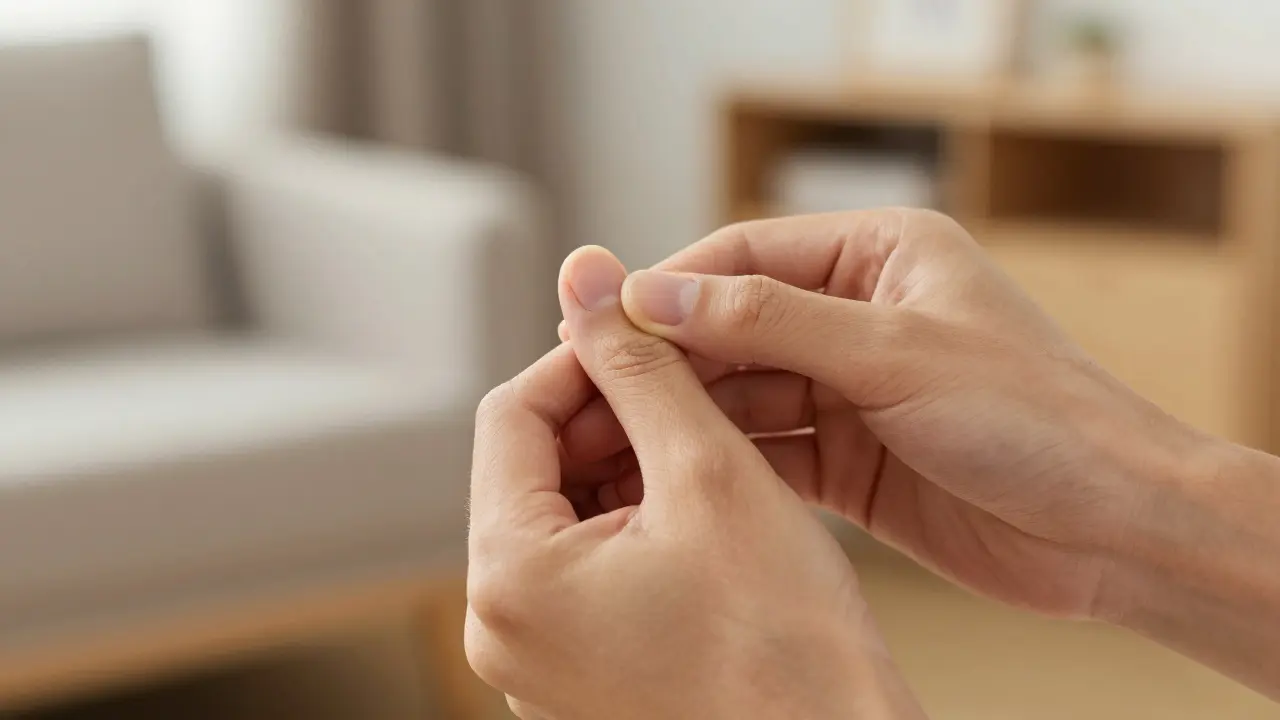
Have you ever woken up with a stiff neck or a pounding headache and wished you could just press a button to make it go away? You can’t press a button, but you can use your thumbs. That is the core idea behind acupressure, a traditional Chinese medicine technique that involves applying physical pressure to specific points on the body to relieve pain and promote healing. Unlike acupuncture, which uses needles, acupressure relies on your hands. It is safe, non-invasive, and something you can do right now in your living room.
This guide cuts through the mystical jargon and gives you the practical steps to start using acupressure today. We will cover how it works, the most effective points for common ailments, and exactly how to apply pressure without hurting yourself.
How Acupressure Actually Works
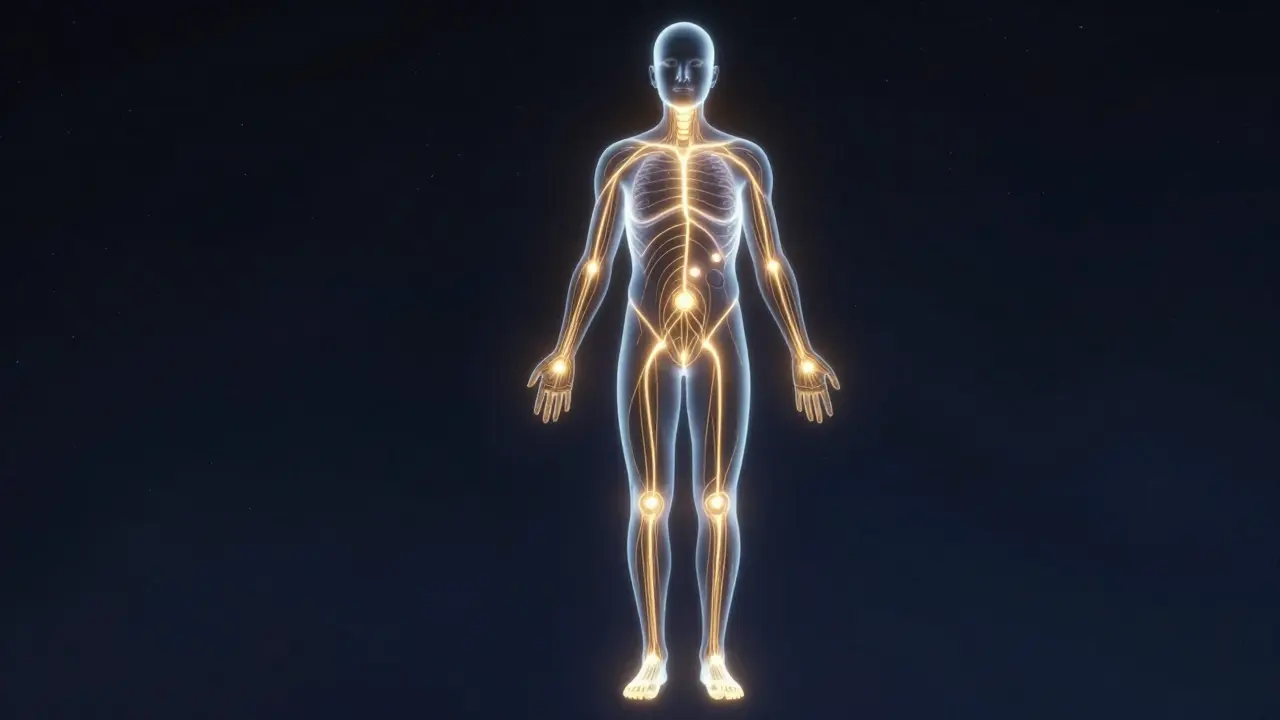
You might wonder if pressing on your wrist really affects your head. Traditional Chinese Medicine (TCM) explains this through the concept of Qi (Chi), the vital life force or energy that flows through the body. According to TCM, Qi travels along invisible pathways called meridians, channels that connect different parts of the body and organs.
When Qi gets blocked or stagnates, you feel pain or illness. Acupressure aims to clear these blockages by stimulating specific points along the meridians. Think of it like unclogging a drain. You apply pressure to the spot where the flow is stuck, encouraging the energy to move again.
Modern science offers a slightly different explanation. Research suggests that acupressure stimulates nerves, muscles, and connective tissue. This stimulation triggers the release of endorphins, your body’s natural painkillers. It also improves blood circulation to the affected area. Whether you believe in energy flow or nerve stimulation, the result is often the same: reduced tension and increased relaxation.
The Golden Rules of Self-Acupressure
Before you start poking and prodding, keep these safety rules in mind. Acupressure is gentle, but doing it wrong can cause bruising or discomfort.
- Use the right tools: Your thumbs are your primary tool. You can also use your index fingers, middle fingers, or even a knuckle for deeper pressure. Avoid using sharp nails.
- Find the sweet spot: Acupressure points often feel tender, achy, or slightly sore when pressed correctly. If it feels like sharp, shooting pain, you are pressing too hard or in the wrong place.
- Breathe: Do not hold your breath. Deep, slow breathing helps relax the muscles and makes the treatment more effective.
- Be consistent: One minute of pressure might help, but five minutes is usually better. Consistency matters more than intensity.
- Avoid certain areas: Do not apply strong pressure to your abdomen during pregnancy, over broken skin, or directly on major arteries.
Top 5 Acupressure Points for Everyday Problems
You do not need to memorize all hundreds of points. Start with these five versatile spots that address the most common complaints: headaches, stress, nausea, and fatigue.
1. LI4 (Hegu) - The Pain Relief Powerhouse
LI4 (Hegu) is perhaps the most famous acupressure point. It is located on the back of your hand, in the fleshy webbing between your thumb and index finger.
Best for: Headaches, toothaches, neck stiffness, and general pain.
How to find it: Bring your thumb and index finger together. The highest point of the muscle bulge is LI4.
Technique: Use the thumb of your opposite hand to press firmly into this spot. Apply steady pressure while rotating your thumb in small circles. Hold for 30 seconds to one minute. Repeat on the other hand.
Note: Pregnant women should avoid stimulating LI4, as it can stimulate uterine contractions.
2. PC6 (Neiguan) - The Nausea Stopper
If you suffer from motion sickness, morning sickness, or stomach upset, PC6 (Neiguan) is your best friend. This point is so effective that many people wear acupressure bands on their wrists to keep constant pressure on it.
Best for: Nausea, vomiting, motion sickness, anxiety, and insomnia.
How to find it: Look at your inner wrist. Place three fingers (index, middle, ring) side-by-side starting from the crease of your wrist. PC6 is located two finger-widths down from that crease, right between the two large tendons.
Technique: Press deeply with your thumb until you feel a dull ache. Hold for 2-3 minutes. You can do this on both wrists simultaneously.
3. LV3 (Taichong) - The Stress Reliever
Stress often manifests physically, causing tightness in the feet and legs. LV3 (Taichong) helps calm the liver meridian, which TCM associates with emotional balance and anger.
Best for: Stress, anxiety, irritability, menstrual cramps, and headaches.
How to find it: On the top of your foot, find the depression between the bones of your big toe and second toe. Slide your finger up the gap between these two toes until you hit bone. The soft spot just before the bone meets is LV3.
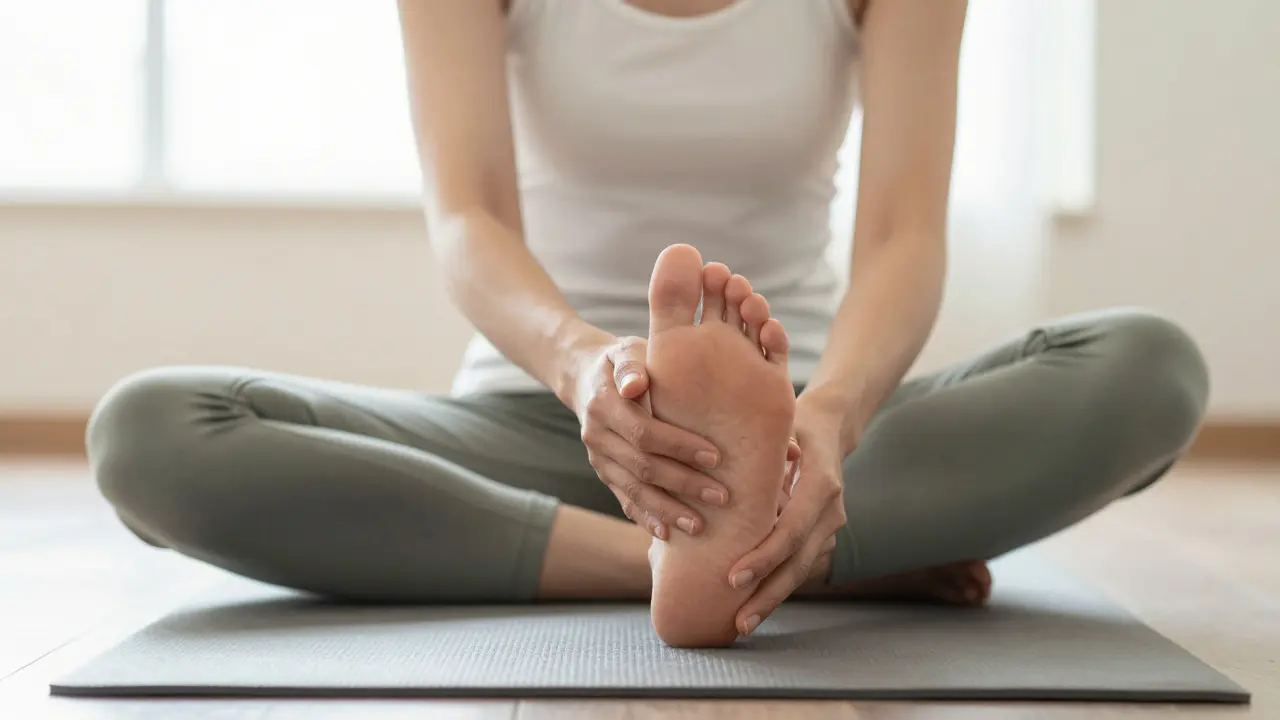
Technique: Sit comfortably with your leg crossed over your knee. Use your thumb to press and massage this point in a circular motion. It may feel quite tender. Work on each foot for 1-2 minutes.
4. GB20 (Fengchi) - The Headache Helper
Tension headaches often start at the base of the skull. GB20 (Fengchi) targets this exact area, helping to release tension and improve blood flow to the brain.
Best for: Tension headaches, neck pain, sinus congestion, and dizziness.
How to find it: Tilt your head forward slightly. Feel for the two large vertical muscles on either side of your neck. At the base of your skull, there are two hollow depressions where these muscles meet the bone. Those are GB20 points.
Technique: Place your thumbs in these hollows. Press upward and inward toward each other. Do not press too hard against the spine. Hold for 30 seconds while taking deep breaths.
5. SP6 (Sanyinjiao) - The Hormone Balancer
This point is crucial for women’s health but benefits everyone by improving digestion and sleep. SP6 (Sanyinjiao) is located on the inner leg.
Best for: Menstrual cramps, insomnia, digestive issues, and urinary problems.
How to find it: Find the tip of your inner ankle bone. Move your finger straight up about four finger-widths. The point is just behind the shin bone, in the soft tissue.
Technique: Press firmly with your thumb. Rotate gently. Hold for 1-2 minutes on each leg.
Note: Like LI4, pregnant women should avoid stimulating SP6.
| Point Name | Location | Primary Benefits | Pressure Duration |
|---|---|---|---|
| LI4 (Hegu) | Back of hand, webbing between thumb and index finger | Pain relief, headaches, toothaches | 30 sec - 1 min per hand |
| PC6 (Neiguan) | Inner wrist, 2-3 finger widths below crease | Nausea, anxiety, insomnia | 2-3 mins per wrist |
| LV3 (Taichong) | Top of foot, between big toe and second toe | Stress, anger, menstrual cramps | 1-2 mins per foot |
| GB20 (Fengchi) | Base of skull, in hollows beside neck muscles | Tension headaches, neck stiffness | 30 sec - 1 min |
| SP6 (Sanyinjiao) | Inner leg, 4 finger widths above inner ankle | Digestion, sleep, hormonal balance | 1-2 mins per leg |
Creating a Daily Acupressure Routine
Consistency is key. Instead of waiting for pain to strike, incorporate acupressure into your daily habits. Here is a simple routine you can follow in the morning or evening.
- Morning Energy Boost: Start by massaging LV3 (on the feet) for two minutes. This helps ground you and clears out residual stress from the night before.
- Midday Reset: If you feel tense at work, take a break and press LI4 (on the hands) for one minute. It helps relieve jaw clenching and eye strain from computer screens.
- Evening Wind-Down: Before bed, focus on PC6 (wrists) and SP6 (legs). These points promote relaxation and prepare your body for sleep.
You can combine this with mindfulness practices. As you press each point, focus solely on the sensation. Notice the temperature, the texture, and the change in tension. This mindful approach amplifies the therapeutic effect.
Acupressure vs. Acupuncture: What’s the Difference?
People often confuse these two therapies because they share the same root system. Both target the same meridian points and aim to balance Qi. However, the delivery method differs significantly.
Acupuncture involves inserting thin, sterile needles into the skin. It requires a licensed practitioner and is generally considered more potent for chronic conditions. Acupressure, on the other hand, uses manual pressure. It is safer for self-treatment and has no risk of infection or needle phobia.
For beginners, acupressure is the ideal entry point. It teaches you to listen to your body and understand its map. If you later decide to explore acupuncture, you will already have a foundational knowledge of where the key points are located.
Common Mistakes to Avoid
Even though acupressure is simple, beginners often make a few errors that reduce its effectiveness.
- Pressing too lightly: Many people tap the surface instead of applying firm pressure. You need to penetrate the muscle layer to stimulate the point effectively. Aim for a "good hurt" sensation, not pain.
- Holding your breath: Tensing up counteracts the relaxation response. Keep your breathing smooth and rhythmic.
- Ignoring hydration: Acupressure moves energy and fluids. Drink a glass of water after your session to help flush out toxins released from the tissues.
- Expecting instant miracles: While some relief is immediate, chronic issues require regular practice. Think of it as exercise for your nervous system, not a magic cure.
When to See a Professional
Self-acupressure is powerful, but it is not a substitute for medical care. If you experience severe pain, persistent symptoms, or acute injuries, consult a healthcare provider. Acupressure works best as a complementary therapy alongside conventional medicine.
Consider seeing a certified acupressurist or acupuncturist if you have complex health issues. They can provide personalized treatments and identify subtle imbalances that you might miss on your own.
Is acupressure safe for everyone?
Generally, yes. However, pregnant women should avoid specific points like LI4 and SP6 as they can stimulate labor. People with bleeding disorders or those taking blood thinners should use gentle pressure to avoid bruising. Always consult your doctor if you have serious health conditions.
How long does it take for acupressure to work?
For acute issues like a headache or nausea, relief can be felt within minutes. For chronic conditions such as back pain or anxiety, it may take several weeks of regular practice to see significant improvement. Consistency is more important than duration.
Can I use essential oils with acupressure?
Yes, combining acupressure with aromatherapy can enhance the effects. Lavender oil promotes relaxation, while peppermint oil can help with headaches. Use a carrier oil to dilute essential oils before applying them to the skin to prevent irritation.
Do I need special training to perform acupressure?
No formal training is required for basic self-care. This guide provides enough information to start safely. However, if you wish to treat others professionally, you should seek certification from an accredited institution to ensure proper technique and ethical practice.
What is the difference between acupressure and reflexology?
Both involve pressure points, but they target different areas. Acupressure focuses on points along the body's meridians, anywhere from head to toe. Reflexology concentrates specifically on reflex points in the feet, hands, and ears that correspond to organs and systems in the body.