
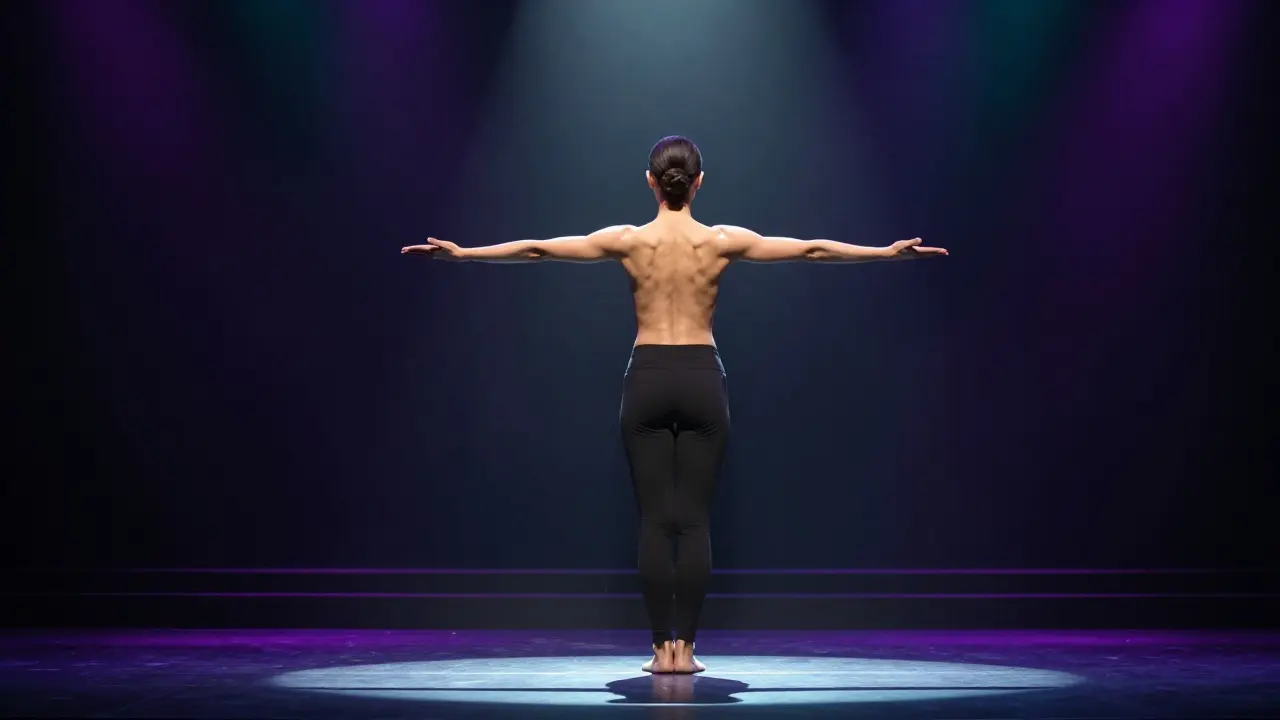
The Shift Toward Structural Health
You probably notice it when you see your favorite actors red-carpeting through an award ceremony. They look different. Not necessarily slimmer, but somehow more upright, lighter, and aligned. It’s not always makeup or genetics. Increasingly, behind the scenes, A-list stars are booking sessions for Rolfing Structural Integration. Unlike standard massages that focus purely on muscle relaxation, this intensive bodywork targets the connective tissue holding the body together.
In the fast-paced world of entertainment, longevity is currency. Stars need to maintain their physical presence for roles that demand movement and stamina. As we move through 2026, the trend has moved beyond niche alternative circles into mainstream wellness routines for high performers. You might wonder if it’s just a fleeting fad or a genuine tool for physical optimization. The answer lies in how the body responds to gravity over decades of stress.
Defining Rolfing Beyond the Hype
To understand why Hollywood embraces this method, you have to distinguish it from other modalities. Most people assume a "deep tissue massage" covers their needs. However, Structural Integration, developed by Ida Rolf in the mid-20th century, works differently. It views the body as a whole structure rather than isolated parts. If your foot tilts slightly, it pulls the chain reaction up to your shoulder and head. Standard massage might ease the tension in the neck, but Rolfing attempts to correct the alignment from the ground up.
| Feature | Rolfing Structural Integration | Traditional Deep Tissue Massage |
|---|---|---|
| Primary Target | Fascia and Connective Tissue | Muscle Fibers |
| Focus Area | Whole Body Alignment & Gravity | Specific Pain Points |
| Session Structure | Structured 10-Series Progression | Varied based on client request |
| Outcome Goal | Permanent Postural Change | Temporary Relaxation |
This distinction matters for celebrities facing grueling shooting schedules. If an actor relies on temporary relief, they book massages weekly. If they seek a permanent shift in how they stand and move, they commit to the 10-session series typical of Rolfing. This systematic approach creates a lasting architectural change in how the body occupies space.
The Fascial System and Aging
A massive part of the appeal is the concept of Fascia. This is the continuous web of connective tissue that wraps every muscle, bone, nerve, and organ. When you age or suffer repetitive strain, fascia can harden and lose hydration. Think of it like a spider web that gets sticky and knotted. When this happens, your body fights gravity inefficiently, leading to chronic fatigue and joint pain.
Celebrities, particularly dancers and action stars, push their bodies harder than the average person. Their careers depend on functional mobility. By releasing the restrictions in the fascia, the goal is to restore the natural glide between tissue layers. Many high-profile clients report feeling "younger" not because the lines disappear, but because the effort required to hold themselves upright decreases significantly. Less energy spent compensating for poor posture means more energy available for performance.

The Psychological Dimension
It isn't just about mechanics. There is a profound psychological component to bodywork. The body stores emotional history. Years of trauma, stress, or physical strain leave imprints in the tissue patterns. When a practitioner manipulates these tissues, it can trigger emotional releases. Clients often cry during sessions, not because something bad happened, but because the nervous system finally feels safe enough to drop a held guard.
For someone living in the public eye, constant scrutiny creates unique tension. Being under the spotlight literally and figuratively can cause tightness that pills or quick stretches don't fix. Addressing this stored stress provides a mental clarity that supports career resilience. This emotional regulation is often cited as a secondary benefit, though it shouldn't replace clinical psychotherapy.
The Commitment Required
You have to acknowledge that Rolfing is an investment. It isn't a weekend spa retreat. The standard protocol is ten sessions. Practitioners follow a specific order: opening the torso, integrating the legs, balancing the pelvis, and refining the upper body. Skipping steps is discouraged because the foundation built early on affects the results later.
- Sessions: Each lasts about 60 to 90 minutes.
- Frequency: Ideally spaced weeks apart to let the body integrate changes.
- Discomfort: It is often described as intense, sometimes painful, but productive.
- Integration: Movement education happens between sessions.
In terms of cost, prices vary heavily by region and practitioner experience. In major media hubs, you can expect to pay upwards of $150 per session. That totals roughly $1,500 for a full course. While this is steep compared to massage, fans argue the long-term savings on chiropractic care and orthopedic treatments justify the upfront price tag.
Accessibility for Everyone
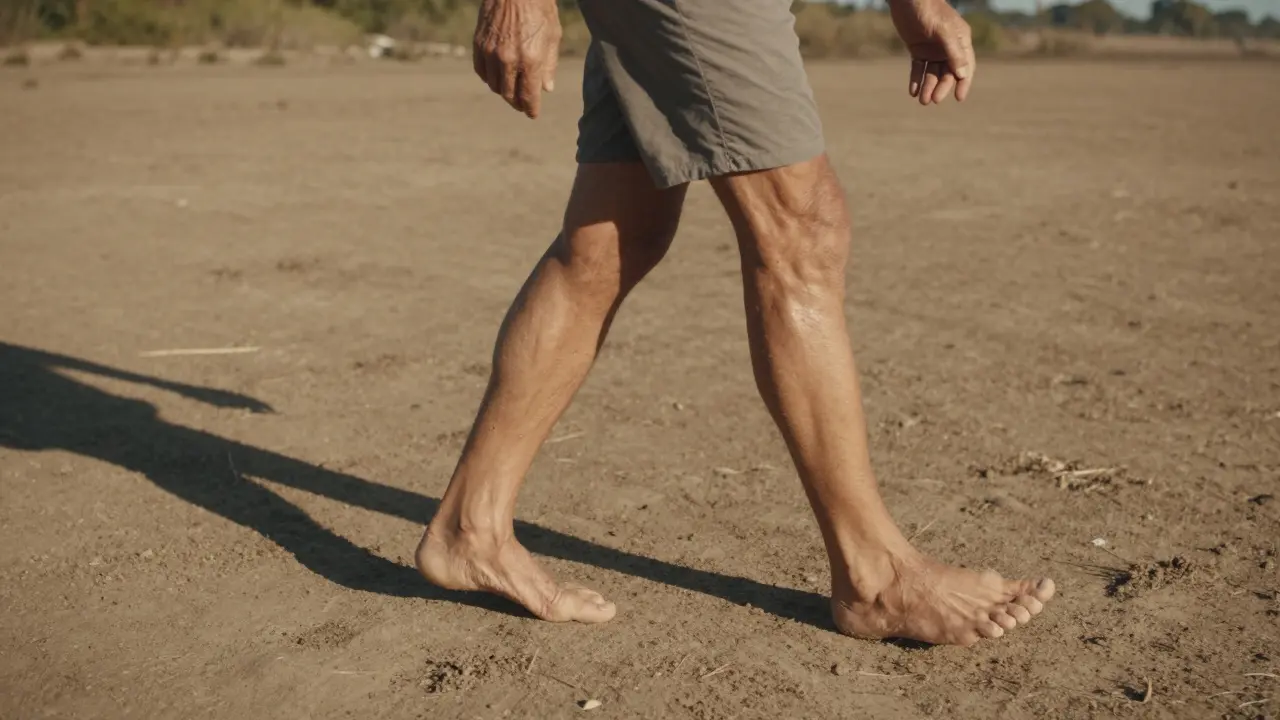
While celebrity headlines drive the buzz, Rolfing is designed for anyone dealing with chronic back pain or gait issues. However, access can be difficult depending on where you live. Qualified Rolfer™s must complete rigorous certification through recognized institutions. Not every local spa offers this.
If you decide to pursue it, ask potential therapists if they are Rolf Institute certified. The title "Rolfing" is trademarked, meaning only those who finished the program can legally call themselves Rolfer. Look for reviews that mention "structural change" rather than just "relaxation." This ensures you aren't paying premium rates for a standard deep tissue rubdown.
Safety and Contraindications
Like any hands-on therapy, there are risks. Because the work involves pressure on sensitive areas, it isn't suitable for everyone. Those with osteoporosis, severe blood clots, or acute inflammation should consult a doctor first. The pressure applied is generally firm, and while the technique is controlled, aggressive manipulation requires open communication during the session. Always tell the therapist if the pressure becomes unbearable; the work stops immediately upon request.
Does Rolfing hurt?
The sensation varies by individual. Some describe it as intense pressure similar to a very deep tissue massage. While it can be uncomfortable, especially when working on stiff connective tissue, it should never be excruciating pain. Therapists adjust pressure based on your feedback.
How long do the results last?
Proponents claim the results are permanent because the goal is structural reorganization. However, maintaining good posture and continuing regular movement practices is necessary. Without maintenance, old habits and daily stresses can slowly pull the body back to its previous state.
Is insurance coverage available?
Coverage depends on your provider and location. In some countries, if a Rolfer works in conjunction with a medical referral, partial reimbursement might be possible. Generally, it is considered a wellness expense rather than medical treatment by most insurance carriers.
Can I combine Rolfing with sports training?
Yes, many athletes and dancers use Rolfing alongside their training regimens. It helps improve biomechanics which can enhance performance and reduce injury risk. It's often treated as a preventative maintenance strategy rather than a post-injury rehabilitation only tool.
Who invented Rolfing?
Ida P. Rolf founded the method in the 1940s and 50s. She was a biochemist who studied anatomy and physiology extensively. Her work integrated science with practical bodywork to create what is known today as Structural Integration.