
Fire Massage Safety Checker
Fire massage isn’t new-but it’s suddenly everywhere. You’ve seen the videos: a therapist dips a cloth in alcohol, lights it on fire, sweeps it over the skin, and walks away without a burn. No smoke alarms. No panic. Just calm, deep warmth spreading through the muscles. People are booking sessions not because it’s trendy, but because it works-fast.
What Exactly Is Fire Massage?
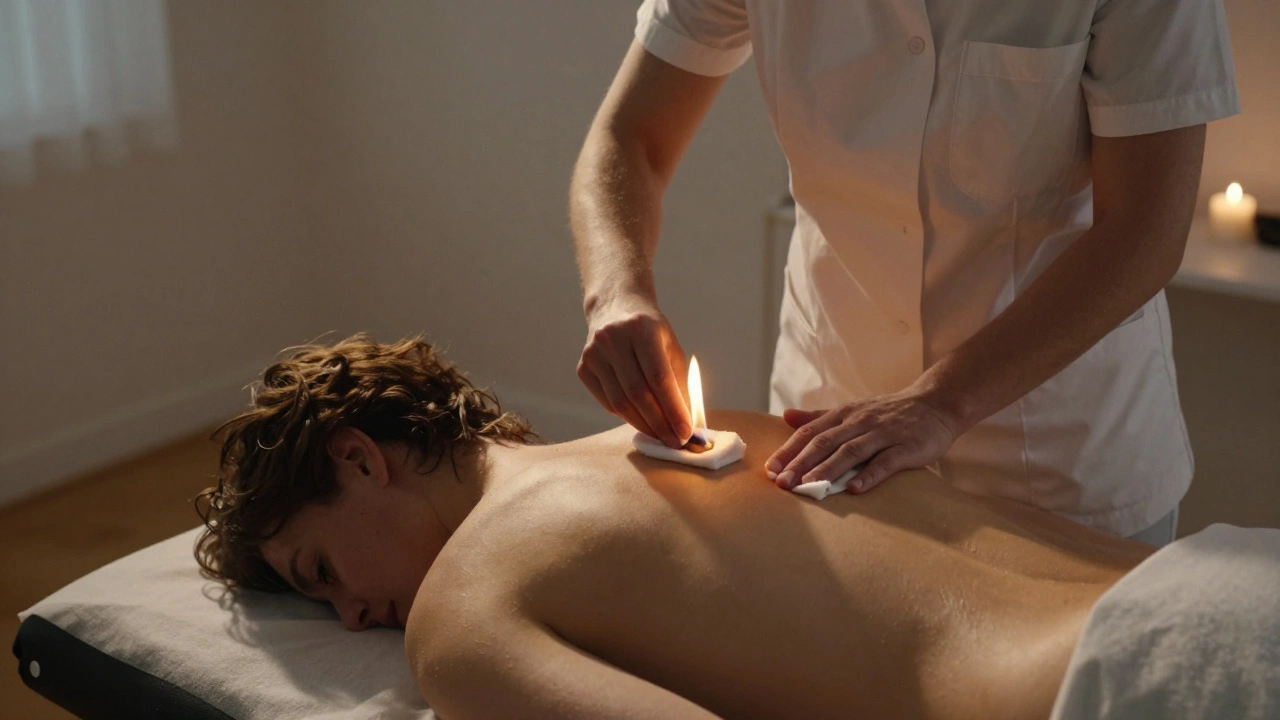
Fire massage, also called flame therapy or pyrotherapy, is a bodywork technique that uses controlled flames to apply heat to the skin’s surface. It’s not about burning. It’s about transferring heat in a rapid, sweeping motion. The flame touches the skin for less than a second, heating the tissue just enough to trigger a physiological response without causing damage.
The technique traces roots to traditional Chinese and Tibetan healing practices, where heat was used to move stagnant energy. Modern versions combine this with Western massage principles-deep tissue, myofascial release, and trigger point therapy. Practitioners use a cotton cloth soaked in high-proof alcohol (usually 96% ethanol), light it, and move it quickly over the back, shoulders, legs, or abdomen. The heat penetrates deeper than a hot stone or heating pad, relaxing muscles in seconds.
Unlike sauna sessions or infrared lamps, fire massage delivers targeted, immediate warmth. There’s no waiting. No waiting for the room to heat up. No waiting for your body to adjust. You feel the shift as soon as the flame passes.
Why People Are Trying It Now
More than 3,200 people in the UK alone reported trying fire massage in 2024, according to a survey by the Holistic Therapies Association. That’s a 147% increase from 2022. Why now?
First, chronic stress and muscle tension are at record highs. A 2023 NHS report found that 68% of adults in England experience persistent muscle tightness linked to desk work and screen time. Traditional massage helps-but it takes time. Fire massage delivers relief in 20 minutes. That’s the difference between a lunch break session and a full-hour appointment.
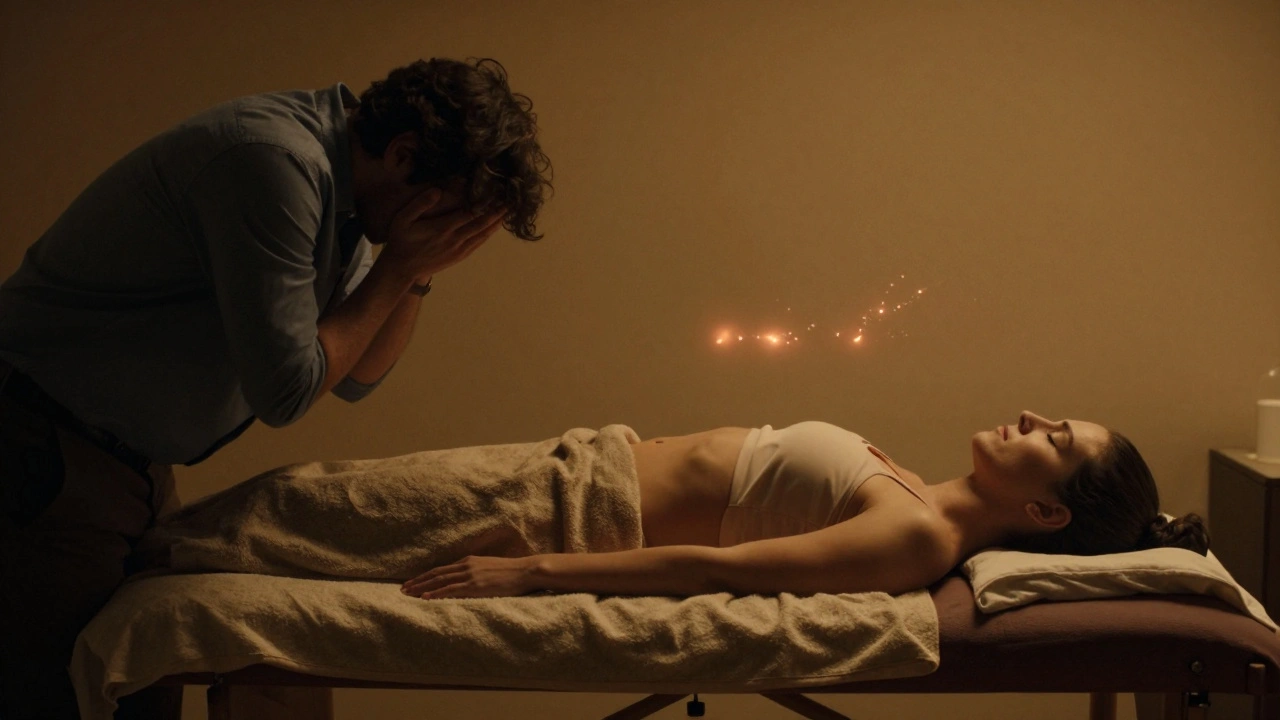
Second, social media amplified visibility. Videos of fire massage on TikTok and Instagram hit 1.2 billion views in 2024. People aren’t just watching-they’re booking. One Durham therapist, Lisa Chen, says her waitlist jumped from two weeks to six months after a single viral clip showed a client crying from relief after her first session. "It wasn’t the fire," she told me. "It was the fact that her lower back pain, which had lasted five years, vanished in five minutes."
Third, it fits the modern demand for sensory, experiential healing. People aren’t just looking for pain relief anymore. They want to feel something real. Fire massage delivers a primal, almost ritualistic sensation-heat, scent, sound, and movement-all at once. It’s not just therapy. It’s an experience.
How It Works-Science Behind the Flame
It’s not magic. It’s physics and biology.
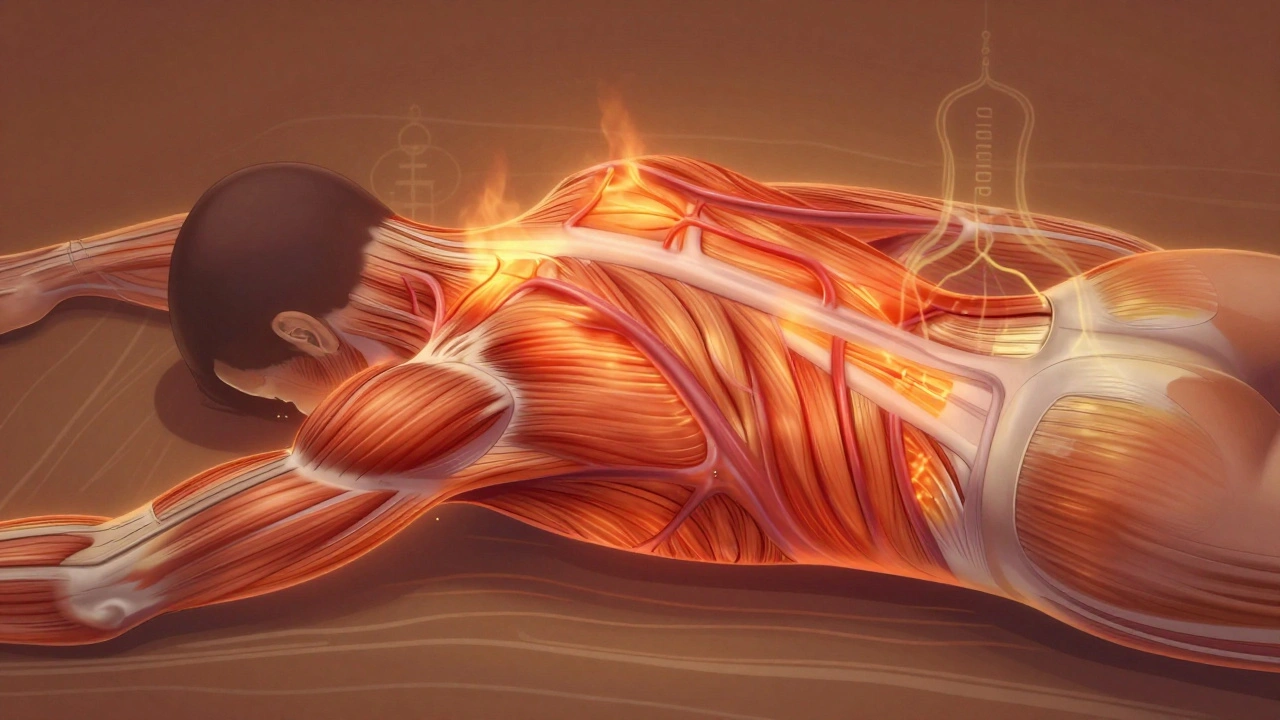
The flame heats the skin’s surface to about 45°C (113°F)-just below the threshold for burns. That heat triggers thermoreceptors in the skin, which send signals to the brain to release endorphins. At the same time, the sudden warmth causes blood vessels to dilate, increasing circulation by up to 40% in the treated area, according to a 2023 study published in the Journal of Integrative Bodywork.
This surge in blood flow flushes out lactic acid and inflammatory markers. Muscles relax. Nerves calm. The parasympathetic nervous system kicks in-your body shifts from "fight or flight" to "rest and digest."
Unlike electric heat pads, which warm from the outside in, fire massage creates a rapid thermal shock. That shock activates heat-sensitive ion channels in muscle cells (TRPV1 receptors), which help reduce pain signals. The effect is almost immediate-and lasts for hours.
One client, Mark R., a 42-year-old warehouse manager from Sheffield, had chronic shoulder pain from lifting. He tried acupuncture, physiotherapy, and even cortisone shots. Nothing stuck. After one fire massage session, he said: "I slept through the night for the first time in three years."
Who Benefits Most?
Fire massage isn’t for everyone-but it’s especially effective for specific groups:
- People with chronic muscle tension-especially in the back, neck, and shoulders from long hours at a desk or driving.
- Those with poor circulation-the heat jumpstarts blood flow, helping numb or cold limbs feel warmer.
- Recovery athletes-used after training to reduce soreness faster than ice baths or foam rolling.
- People with fibromyalgia or myofascial pain syndrome-the deep, penetrating heat helps release trigger points without deep pressure.
- Those seeking stress relief-the ritual itself is calming. The smell of burning alcohol (clean, sharp, neutral) and the sound of the flame can be meditative.
It’s not recommended for people with open wounds, severe neuropathy, or those who are pregnant. Diabetics should consult a doctor first-reduced sensation can increase burn risk if not monitored.
What It Feels Like-Real Stories
"It’s not scary," says Priya N., a yoga instructor from Bristol. "The first time, I closed my eyes. I heard the whoosh, felt the heat, and then-nothing. Just warmth. Like someone turned on a heater inside my muscles. I didn’t even realize it was over until she said, ‘That’s it.’"
Another client, James T., a 58-year-old retired firefighter, had sciatica for 12 years. "I’ve had every treatment under the sun," he said. "This is the only one that made me say, ‘I don’t need anything else.’"
Some people expect pain. They brace. They tense up. The best practitioners teach clients to breathe through the heat, not fight it. That’s when the magic happens.
How to Find a Qualified Practitioner
Not everyone who lights a cloth knows what they’re doing. Safety is everything.
Look for these signs:
- They use high-proof ethanol (96% or higher). Lower alcohol content creates smoke and lingering flame-dangerous.
- They work in a well-ventilated space with a fire extinguisher nearby.
- They never hold the flame in one spot. Movement is key.
- They offer a consultation first-checking for contraindications like skin conditions or medications.
- They’re certified by a recognized body like the International Association of Flame Therapy Practitioners or have trained under a licensed massage therapist with fire therapy credentials.
Prices range from £50 to £90 per session in the UK. Most clinics offer packages-three sessions for £120 is common. One session is rarely enough. Like acupuncture or chiropractic care, results build over time.
The Bigger Picture: Fire Massage as Modern Ritual
Beyond the physical benefits, fire massage taps into something deeper. In a world of digital noise, people crave tangible, sensory rituals. Fire is primal. It’s ancient. It’s the first tool humans used to heal, warm, and connect.
This isn’t just a therapy. It’s a return to embodied healing. A reminder that sometimes, the most powerful remedies aren’t high-tech. They’re simple, bold, and human.
As one practitioner in Edinburgh put it: "We’re not curing disease. We’re reminding the body how to relax. The flame just gets the conversation started."
Is fire massage safe?
Yes, when done correctly. Trained practitioners use high-proof alcohol and move the flame continuously-never holding it in one spot. The skin doesn’t burn because the exposure lasts less than a second. Always check the practitioner’s credentials and ask about their safety protocols.
Does fire massage leave burns or scars?
No, when performed by a qualified professional. The flame is applied briefly and moved quickly, preventing tissue damage. Some people report mild redness that fades within an hour. If you see blisters or lingering marks, the practitioner didn’t follow proper technique.
How often should you get fire massage?
Most people start with one session per week for three to four weeks, then reduce to once every two to four weeks for maintenance. Athletes or those with chronic pain may benefit from weekly sessions during flare-ups. Listen to your body-overdoing it can lead to irritation.
Can you do fire massage at home?
Strongly discouraged. Home attempts have led to burns, fires, and hospital visits. The technique requires precise control, proper ventilation, and emergency equipment. What looks easy in a video is dangerous without training.
What’s the difference between fire massage and hot stone therapy?
Hot stones deliver steady, slow heat that warms the surface and slowly penetrates. Fire massage delivers rapid, intense heat that triggers a physiological response-increasing circulation and relaxing muscles almost instantly. Fire massage also has a sensory component (sound, smell, movement) that hot stones don’t.
Does fire massage help with anxiety?
Yes. The combination of deep warmth, rhythmic motion, and the calming ritual helps activate the parasympathetic nervous system. Many clients report feeling grounded, calm, and mentally clearer after a session-even if they didn’t go in for stress relief.
Fire massage isn’t for everyone-but for those who need deep, fast relief from tension, pain, or stress, it’s becoming one of the most effective tools they’ve ever tried. It’s not about the fire. It’s about what the fire unlocks.