
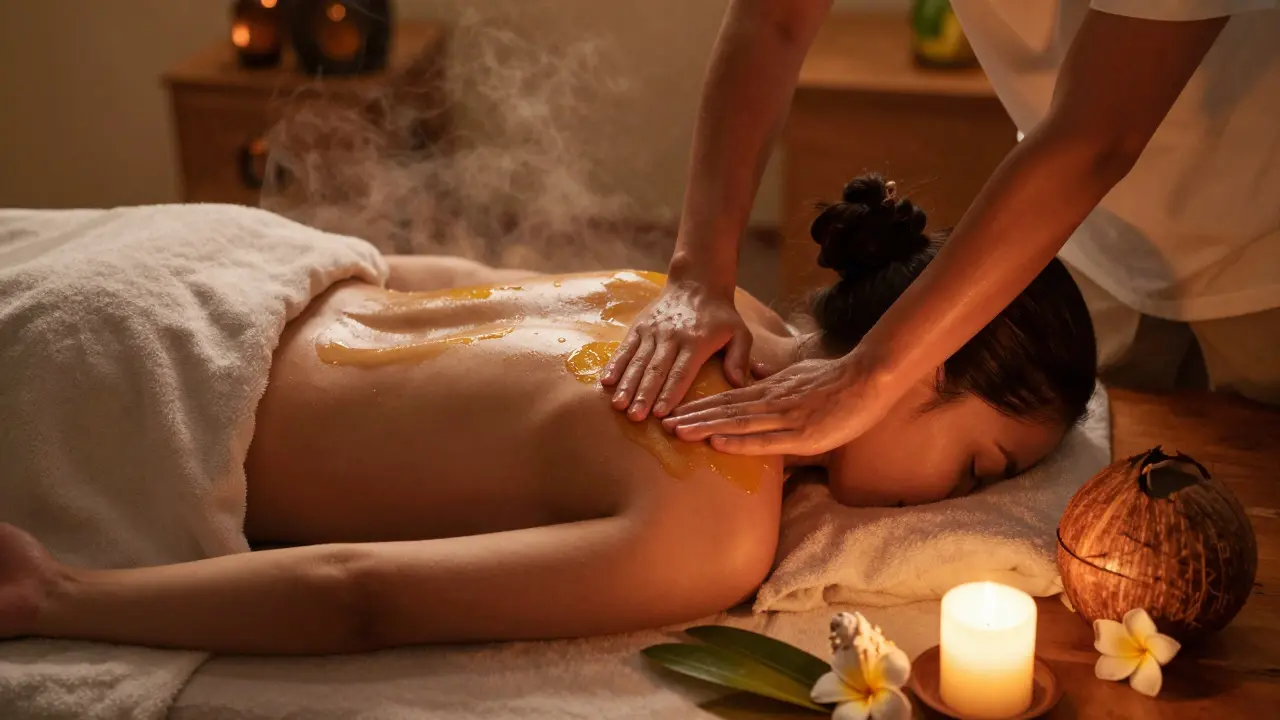
Most people think of massage as just relaxation - a way to loosen tight muscles after a long day. But lomi lomi isn’t just about kneading knots. It’s a sacred Hawaiian practice that moves energy, releases emotion, and reconnects you to your body in ways most massages never touch. If you’ve ever felt like a massage left you calm but unchanged, lomi lomi might be what you’ve been missing.
What Is Lomi Lomi?
Lomi lomi, sometimes called Hawaiian therapeutic massage, is more than a technique - it’s a spiritual tradition passed down through generations in Hawaii. The name itself comes from the Hawaiian words lomi, meaning to knead, rub, or press, and the repetition emphasizes flow and rhythm. Unlike Swedish or deep tissue massage, lomi lomi doesn’t follow rigid strokes or focus on specific muscles. Instead, it uses long, flowing movements that mimic ocean waves, often performed with the forearms, elbows, and even hands in sync with the breath.
This isn’t a 60-minute spa treat. Traditional lomi lomi sessions can last two to three hours. The practitioner doesn’t just work on your body - they work with your energy, your past, and your emotional landscape. Many practitioners begin with prayer or intention-setting, honoring the ancestors who kept this practice alive. It’s not performance art. It’s healing.
How It Feels - Not What You Expect
If you’ve had a deep tissue massage that left you sore, or a Swedish massage that felt like a gentle glide, lomi lomi is something else entirely. It’s not about pressure. It’s about surrender.
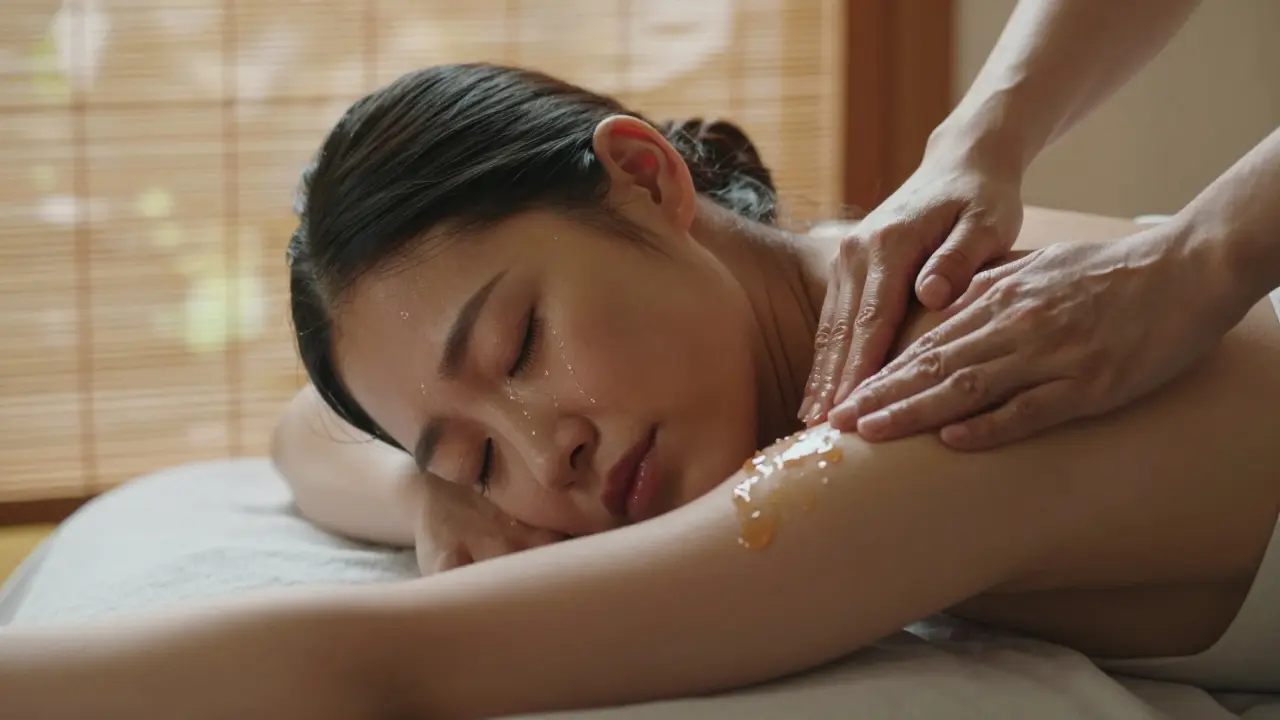
Practitioners use warm coconut or macadamia nut oil, applied generously. The movements are continuous, rhythmic, and often bilateral - both arms moving at once, gliding from your shoulders down to your legs, then back up again. There’s no checklist of muscles to target. Instead, the therapist follows the natural flow of your body, letting your tension guide them. You might feel a sudden release in your jaw you didn’t know was clenched, or a wave of emotion rising as your hips loosen. It’s common to cry during a session. It’s also common to feel lighter afterward, as if you’ve shed something you didn’t even know you were carrying.
One woman in Oahu told me she came in for back pain. She left with no pain - but also with a memory of her mother’s voice she hadn’t thought of in 20 years. That’s lomi lomi. It doesn’t just treat the body. It unlocks what’s stored in it.
The Roots: More Than Just a Massage
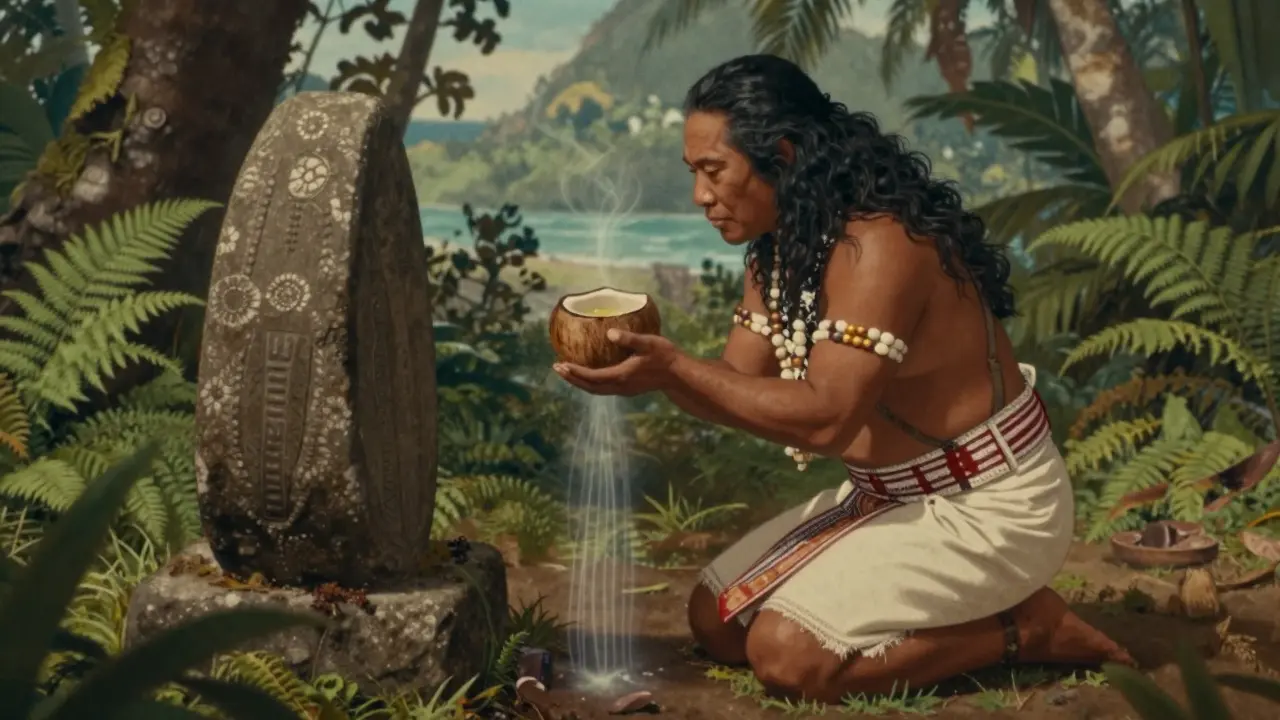
Lomi lomi didn’t start in a wellness studio. It came from the kahuna - Hawaiian healers who understood the body as a vessel for spirit, emotion, and ancestral energy. In pre-colonial Hawaii, healing wasn’t separate from daily life. It was woven into rituals, chants, and touch. The practice was nearly lost after Western colonization banned traditional Hawaiian practices in the late 1800s. But in the 1970s and 80s, descendants of kahuna began reviving lomi lomi, not as a commercial service, but as a reclamation of identity.
Today, there are two main branches: traditional lomi lomi, passed down through families, and modern adaptations taught in schools. The difference? Traditional lomi lomi is often done without words, in silence, with deep spiritual intention. Modern versions may include music, talking, or structured routines. Both work - but only the traditional form carries the full weight of its cultural roots.
What Happens During a Session?
A lomi lomi session starts with you lying on a warm, padded table, draped in soft cotton. The room is quiet, scented with natural oils, and often lit with candles or soft lanterns. The practitioner may place a small offering - a leaf, a shell, a stone - near the table as a sign of respect.
The massage begins slowly. Gentle strokes along the spine, then arms, legs, and back. As you relax, the movements deepen. Forearms glide across your shoulders, elbows press gently into your lower back, hands cradle your head. There’s no sudden pressure. No cracking. No force. Just rhythm. Flow. Presence.
Some practitioners use a technique called loveliness - a term meaning the energy of love, compassion, and acceptance. They don’t just move your body. They hold space for whatever arises. You might feel warmth spreading through your chest. Or a sudden urge to breathe deeper. These aren’t accidents. They’re part of the process.
Unlike other massages, lomi lomi often includes work on areas you wouldn’t expect - the soles of your feet, the back of your neck, even the palms of your hands. Why? Because in Hawaiian healing, every part of the body holds memory. The hands store your grip on control. The feet carry your journey. The spine holds your story.
Who Benefits Most?
Lomi lomi isn’t for everyone - and that’s okay. It’s not a quick fix. But if you’re someone who:
- Feels stuck emotionally, even after therapy or meditation
- Has chronic tension that doesn’t respond to regular massage
- Is drawn to practices that connect body and spirit
- Wants to release old grief, anger, or fear without talking about it
Then lomi lomi might be exactly what you need.
It’s especially powerful for:
- People recovering from trauma - the non-verbal approach allows healing without retraumatization
- High-stress professionals - the deep, rhythmic flow calms the nervous system more than talk therapy ever could
- Those with chronic pain - the release of emotional tension often reduces physical pain
- Anyone feeling disconnected from their body - lomi lomi brings you back home
What to Expect After
Some people feel euphoric. Others feel exhausted. A few feel nothing at all - and that’s normal too. Healing isn’t always dramatic. Sometimes, the real shift happens days later.
After your session, drink plenty of water. Your body is releasing stored toxins and emotions. You might feel unusually emotional - crying, laughing, or zoning out. That’s not a side effect. It’s part of the process.
Most people report:
- Deeper sleep for days after
- Less muscle tension without stretching
- A sense of calm that lasts longer than any other treatment
- Clarity about old emotional patterns
One man I spoke to, a veteran with PTSD, said his first lomi lomi session was the first time in 12 years he slept through the night without nightmares. He didn’t talk about his trauma. He didn’t need to. The touch did the work.
Finding a True Practitioner
Not every therapist who calls themselves a lomi lomi practitioner understands its depth. Many offer "Hawaiian-style" massages with oil and music - but skip the spirit, the intention, the lineage.
To find a genuine practitioner:
- Ask if they were trained in a traditional line - ideally through a Hawaiian family or kahuna
- Look for practitioners who mention prayer, ancestral respect, or cultural grounding
- Avoid places that sell it as a "luxury spa treatment" - true lomi lomi isn’t about luxury, it’s about reverence
- Check if they offer sessions longer than 90 minutes - authentic sessions take time
Some reputable schools still teach the traditional method: the Lomi Lomi Nui Institute in Maui, the Lomi Lomi Society in Honolulu, and private lineages like those from the Kaha’i family. Don’t be afraid to ask about their training. A true practitioner will welcome the question.
Why This Matters Now
In a world where everything is fast - fast food, fast workouts, fast therapy - lomi lomi is a radical act of slowness. It asks you to stop doing, and start being. It doesn’t promise results. It invites transformation.
It’s not just a massage. It’s a return to a way of healing that honors the body as sacred, the past as alive, and touch as a language older than words.
If you’ve ever wondered what healing really looks like - not as a product, but as a process - lomi lomi might be the answer you didn’t know you were looking for.
Is lomi lomi massage painful?
No, lomi lomi is not meant to be painful. Unlike deep tissue or sports massage, it uses flowing, rhythmic pressure that adapts to your body’s needs. The goal isn’t to break through tension but to dissolve it gently. If you feel discomfort, it’s usually emotional, not physical - and the practitioner will adjust to honor your boundaries.
How is lomi lomi different from Swedish massage?
Swedish massage uses defined strokes - kneading, tapping, friction - often focused on specific muscles. Lomi lomi is fluid, continuous, and holistic. It doesn’t isolate body parts. Instead, it treats the whole person: body, emotion, and spirit. While Swedish aims for relaxation, lomi lomi aims for deep release - sometimes even emotional catharsis.
Do I need to be spiritual to benefit from lomi lomi?
No. You don’t need to believe in energy, spirits, or Hawaiian gods to feel the effects. Many people experience deep physical relaxation and emotional release without understanding the cultural context. But if you’re open to the possibility that your body holds memories - even ones you’ve forgotten - lomi lomi can unlock them.
How often should I get lomi lomi?
There’s no set rule. Some people feel transformed after one session. Others come monthly as part of their self-care. If you’re working through trauma or chronic stress, once a month is common. If you’re just exploring, once every few months is enough. Listen to your body - if you feel lighter and more grounded, you’re on the right path.
Can lomi lomi help with anxiety or depression?
Yes - not as a replacement for therapy or medication, but as a powerful complement. Studies on somatic therapies show that body-based touch can lower cortisol levels and increase serotonin. Lomi lomi, with its deep rhythmic flow and emotional release, helps reset the nervous system. Many clients report reduced anxiety after just one session, especially those who struggle to express emotions verbally.
For those ready to go deeper, consider exploring related practices like ho’oponopono - the Hawaiian practice of reconciliation and forgiveness - or learning about the role of breathwork in traditional healing. These aren’t just techniques. They’re ways of living.