
Traditional Japanese Massage: Techniques, Benefits, and What Makes It Unique
When you think of traditional Japanese massage, a healing system rooted in centuries of bodywork, energy flow, and touch-based diagnosis. Also known as anma and shiatsu, it doesn't just relax muscles—it reads your body’s tension like a map and gently guides it back to balance. Unlike Western massages that focus on kneading deep tissue, Japanese bodywork works with your energy pathways, called meridians, using fingers, thumbs, and palms to apply steady pressure. It’s not about strength—it’s about precision. You don’t need to be sore afterward to feel the effect. Many people walk out feeling lighter, calmer, and more grounded—even if they didn’t realize how tight they were.
This style of massage connects deeply with shiatsu, a modern form of Japanese bodywork that uses finger pressure on specific points along energy channels, and its older cousin, anma, a traditional technique combining pressing, rubbing, and tapping to stimulate circulation and release blockages. Both are built on the same foundation: the idea that health flows from balance in your body’s energy. You don’t need to believe in energy to feel the results. People with chronic back pain, stiff necks, or sleep issues often see real change after just a few sessions. It’s not magic—it’s mechanics. Your nervous system responds to steady, rhythmic pressure by switching from fight-or-flight mode to rest-and-repair. That’s why it works for stress, anxiety, and even digestive trouble.
What sets traditional Japanese massage apart isn’t just the technique—it’s the mindset. Practitioners don’t just treat symptoms. They ask: Where is your body holding tension? What’s been ignored? Is your energy stuck? Sessions are usually done on a mat, fully clothed, with no oils. That’s intentional. It keeps the focus on your body’s natural alignment and movement. You’re not being massaged—you’re being guided. And that’s why so many people return, not for a quick fix, but because they finally feel heard by their own body.
Below, you’ll find real guides and firsthand insights into how these practices work, who they help most, and how to recognize a skilled practitioner. Whether you’re curious about trying shiatsu for the first time or want to understand why it’s different from Thai or Swedish massage, the posts here cut through the noise and give you what actually matters.
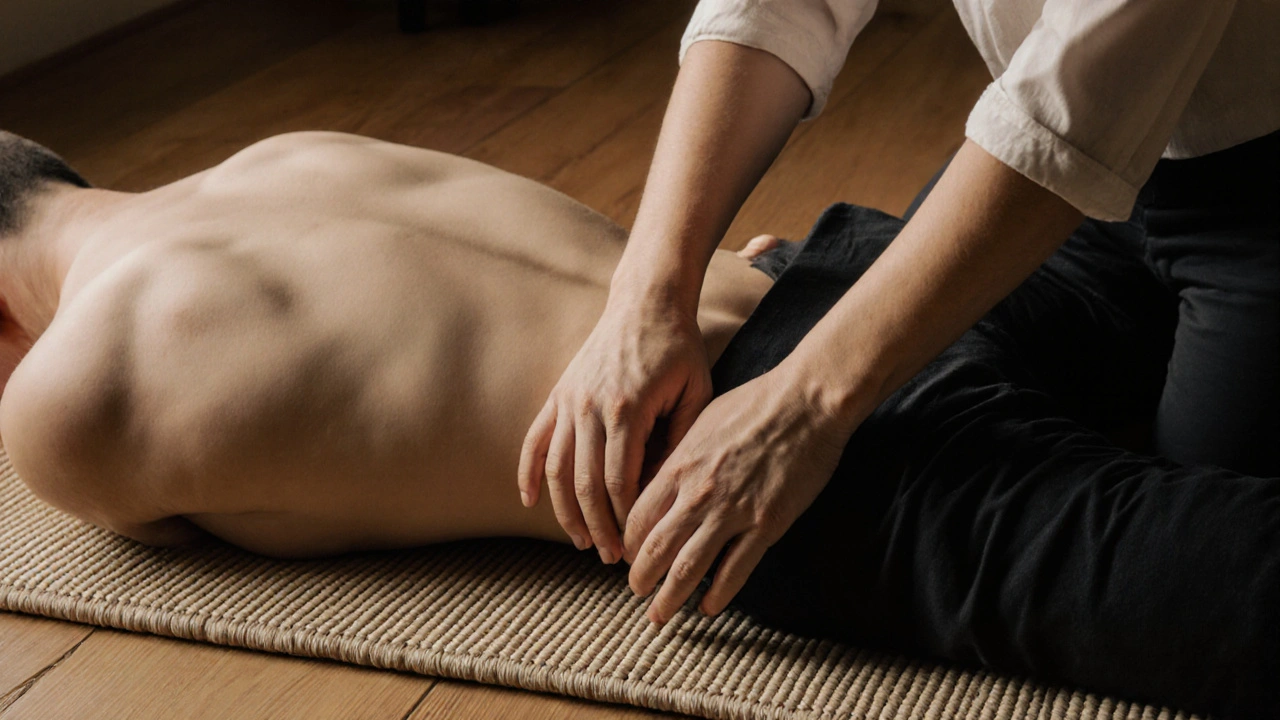
Shiatsu: How Touch Therapy Restores Balance and Relieves Stress
Shiatsu is a traditional Japanese touch therapy that uses pressure on energy pathways to restore balance, reduce stress, and improve overall well-being. Unlike massage, it works with your body's natural rhythm - not just muscles.