
Sports Recovery: How Massage Therapies Help Athletes Heal Faster
When you push your body hard—whether you're running marathons, lifting weights, or playing weekend soccer—your muscles, tendons, and connective tissue don't just get tired. They get tight, inflamed, and stuck. That's where sports recovery, the targeted use of touch-based therapies to restore movement, reduce pain, and speed healing after physical stress. Also known as active recovery, it's not just icing and stretching—it's about fixing what training breaks. Most athletes think rest is enough. But rest alone doesn’t untangle knots in your fascia or reset your nervous system. That’s where real recovery begins.
Fascia stretching, a gentle, slow technique that releases the web-like connective tissue surrounding muscles. Also known as myofascial release, it’s the quiet hero of sports recovery. Unlike regular stretching that pulls on muscles, fascia stretching targets the tissue that holds everything together—tight fascia is why you feel stiff even after a good night’s sleep. Runners, cyclists, and weightlifters all benefit because this isn’t about flexibility—it’s about freedom of movement. And it’s not magic. Studies show it reduces delayed soreness and lowers injury risk by improving blood flow and breaking up adhesions that form after intense workouts.
Then there’s massage therapy, a broad category of hands-on techniques designed to ease muscle tension, improve circulation, and calm the nervous system. Also known as manual therapy, it includes everything from deep tissue work to bamboo rods and heated stones. You won’t find one-size-fits-all solutions here. A soccer player needs different pressure than a swimmer. A marathoner needs longer sessions than a CrossFit athlete. That’s why the best recovery plans mix methods: maybe a bamboo massage to loosen your back, then fascia stretching to free your hips, then a little reflexology to reset your sleep cycle. It’s not about one session—it’s about building a routine that speaks to your body’s needs.
And it’s not just muscles. Recovery is also about your nervous system. Too much training leaves your body stuck in fight-or-flight mode. That’s why techniques like Shiatsu and Creole bamboo massage show up here—they don’t just rub sore spots. They talk to your nerves. They tell your body it’s safe to relax. That’s when healing kicks in. No pills. No injections. Just touch, rhythm, and time.
You’ll find all of this in the posts below. From how Laos massage helps runners recover naturally, to why Feldenkrais training changes posture for good, to how bamboo rods and heated stones can be just as effective as ice baths. These aren’t spa luxuries—they’re tools. And if you’re serious about staying strong, moving well, and avoiding the next injury, you need them in your toolkit.
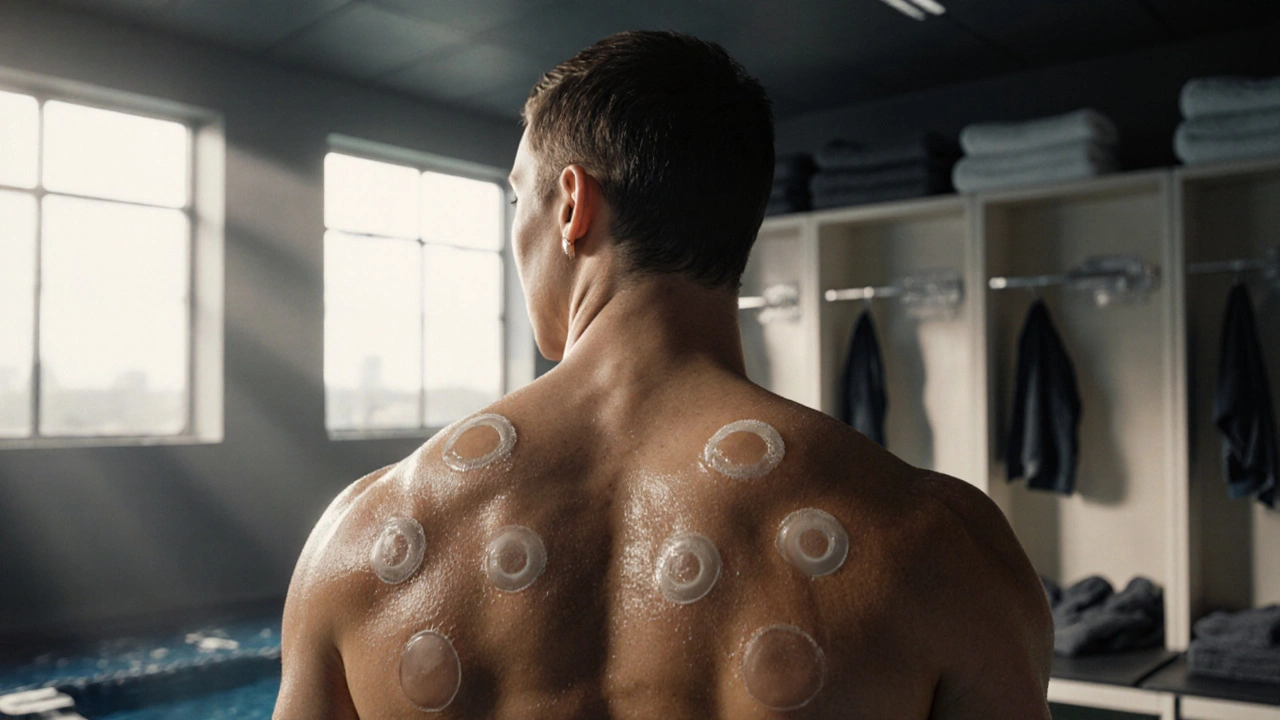
Why Athletes Swear by Cupping Therapy
Athletes use cupping therapy to speed up recovery, reduce muscle stiffness, and improve mobility. Learn how the ancient technique works, why it’s effective, and who benefits most from it.