
Kahuna Practices: Hawaiian Healing Traditions and What They Really Mean
When you hear kahuna practices, a term rooted in ancient Hawaiian spiritual and healing traditions. Also known as Hawaiian healing, it refers to a living system of bodywork, energy alignment, and ancestral wisdom passed down through generations. This isn’t just massage—it’s a way of connecting mind, body, and spirit using touch, breath, and intention. Many think kahuna is a title for a priest or healer, but it’s more accurate to see it as a role: someone who understands the unseen forces in the body and knows how to restore balance.
At the heart of kahuna practices is lomilomi, a rhythmic, flowing form of bodywork that uses forearms, hands, and sometimes elbows to release deep tension. It’s not about pushing hard—it’s about moving with the body’s natural flow, like waves on a shore. Lomilomi often includes prayer, chanting, and oil, and it’s deeply tied to the land, the ocean, and the ancestors. This practice was nearly lost after colonization, but today, descendants of kahuna are bringing it back with care, refusing to let it become a tourist gimmick. You’ll find this same spirit in other related traditions like Hawaiian healing, a broader term that includes energy work, herbal remedies, and ritual cleansing, all focused on harmony rather than just symptom relief.
What sets kahuna practices apart isn’t the technique—it’s the intention. A kahuna doesn’t just treat a sore back; they ask why the tension is there. Is it from grief? Stress? Disconnection? The answer guides the session. These practices don’t promise quick fixes. They offer realignment. That’s why you’ll see posts here about how lomilomi helps with chronic pain, how breathwork in kahuna sessions reduces anxiety, and why cultural respect matters when choosing a practitioner. You won’t find spa treatments labeled "kahuna" that use hot stones and lavender oil—that’s not it. True kahuna practices are rooted in place, lineage, and sacred responsibility.
What you’ll find in this collection are real stories, clear explanations, and honest takes on how these traditions are being revived—not commercialized. Whether you’re curious about the difference between lomilomi and Swedish massage, wondering if kahuna healing works for stress, or want to know how to find an authentic practitioner, these posts cut through the noise. No fluff. No myths. Just what’s real, what’s effective, and what matters.
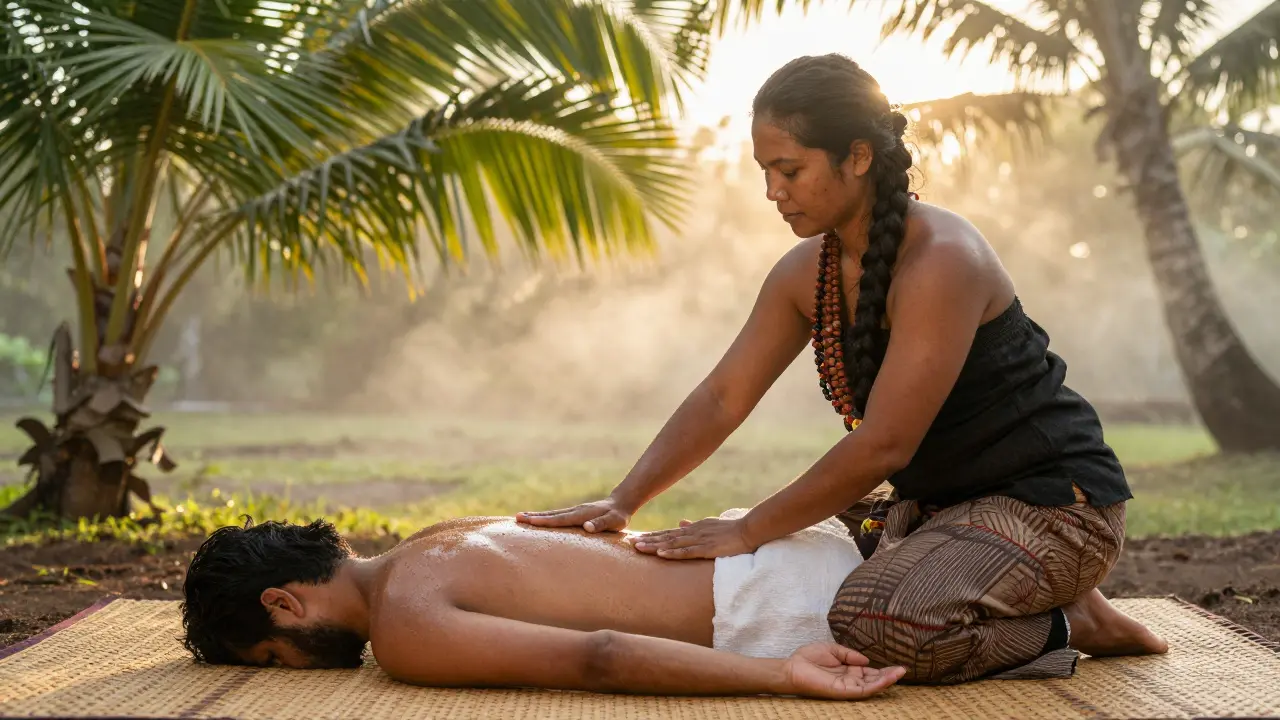
Kahuna: The Ancient Hawaiian Healing Art and Why It Still Matters Today
Kahuna healing is an ancient Hawaiian practice that restores balance through energy, breath, and intention. Modern science is now confirming what kahuna healers have known for centuries: true healing happens when body, mind, and spirit are in harmony.
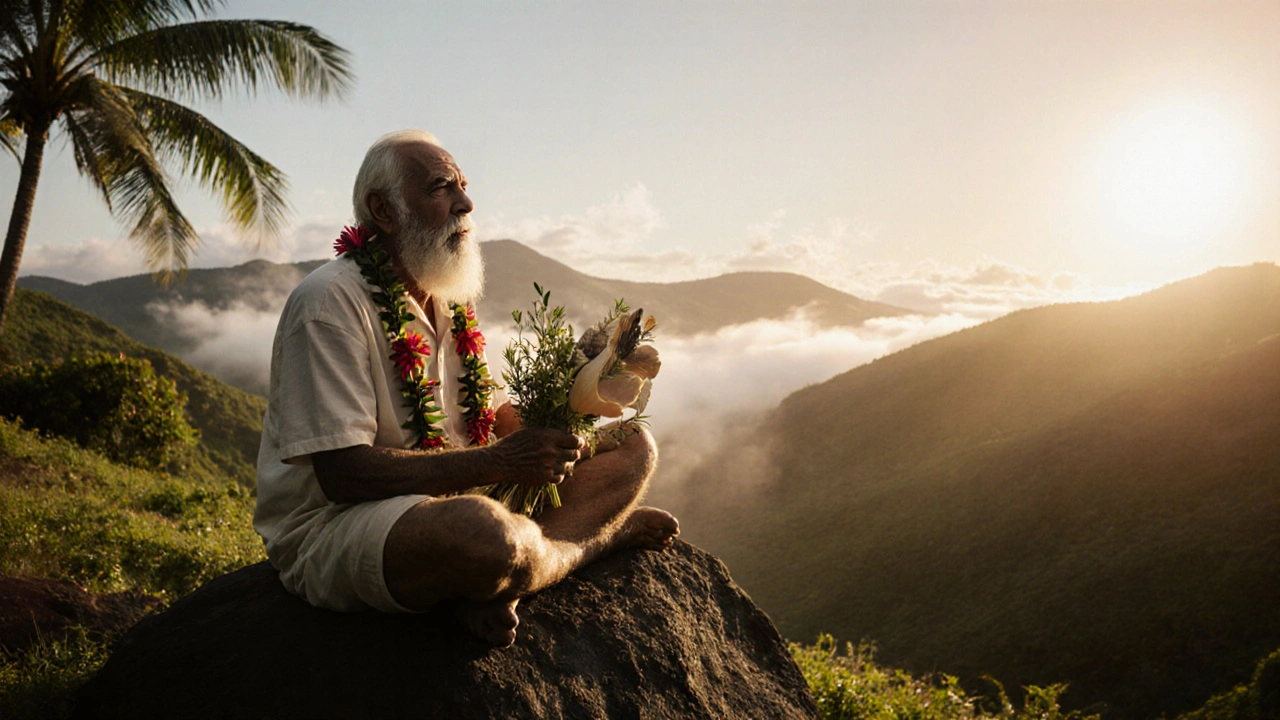
The Influence of Kahuna on Modern Society
The kahuna were Hawaiian experts in healing, spirituality, and nature-not mystics, but practical wise ones. Their influence lives on in modern wellness, but only if we honor their roots, not just their rituals.