
Cupping Marks: What They Are, Why They Happen, and What They Mean
When you see dark circles on someone’s back after a session, it’s easy to assume it’s injury—but cupping marks, the circular discolorations left after cupping therapy, are not bruises caused by trauma but signs of increased blood flow and tissue release. Also known as cupping circles, they’re a normal part of cupping therapy, an ancient practice that uses suction to pull skin and fascia upward, releasing tension and improving circulation. Unlike random bruising, these marks fade in days and often appear where your body holds the most stiffness.
Cupping therapy is closely tied to myofascial release, a technique that targets the connective tissue surrounding muscles to ease pain and restore movement. When cups are placed on tight areas—like the shoulders, back, or thighs—they create negative pressure that lifts the fascia, loosens adhesions, and draws stagnant blood to the surface. The resulting marks show exactly where your body needed that pull. People who get regular cupping often notice the marks lighten over time, which means less deep tension is building up. This isn’t magic—it’s physiology. The color of the mark can hint at what’s going on underneath: darker shades often mean more stagnation or chronic tension, while lighter rings suggest better circulation and less buildup.
These marks aren’t just about muscles—they’re part of a bigger picture. In traditional systems like Chinese medicine, cupping marks are seen as indicators of internal imbalance, especially around the lungs and digestive system. Modern practitioners see them differently: as feedback from the body’s own healing response. Whether you’re using cupping for pain relief, recovery after workouts, or just to unwind, the marks are your body’s way of saying, "I’m letting go." You won’t find them in every massage, but if you’ve tried traditional healing, methods like Hilot, Maya abdominal massage, or Creole bamboo therapy that focus on deep tissue and energy flow, you’ve likely encountered cupping as a complementary tool. It’s not flashy, but it works where other therapies stall.
What you’ll find in the posts below isn’t just a list of articles—it’s a clear look at how cupping fits into real, practical healing. You’ll see how it connects to fascia stretching, why it’s used alongside stone therapy, and how people use it to manage stress, pain, and recovery. No hype. No myths. Just what actually happens when skin lifts, blood moves, and the body responds. If you’ve ever wondered why someone would choose to leave marks on their skin on purpose, the answers are here—and they’re simpler than you think.
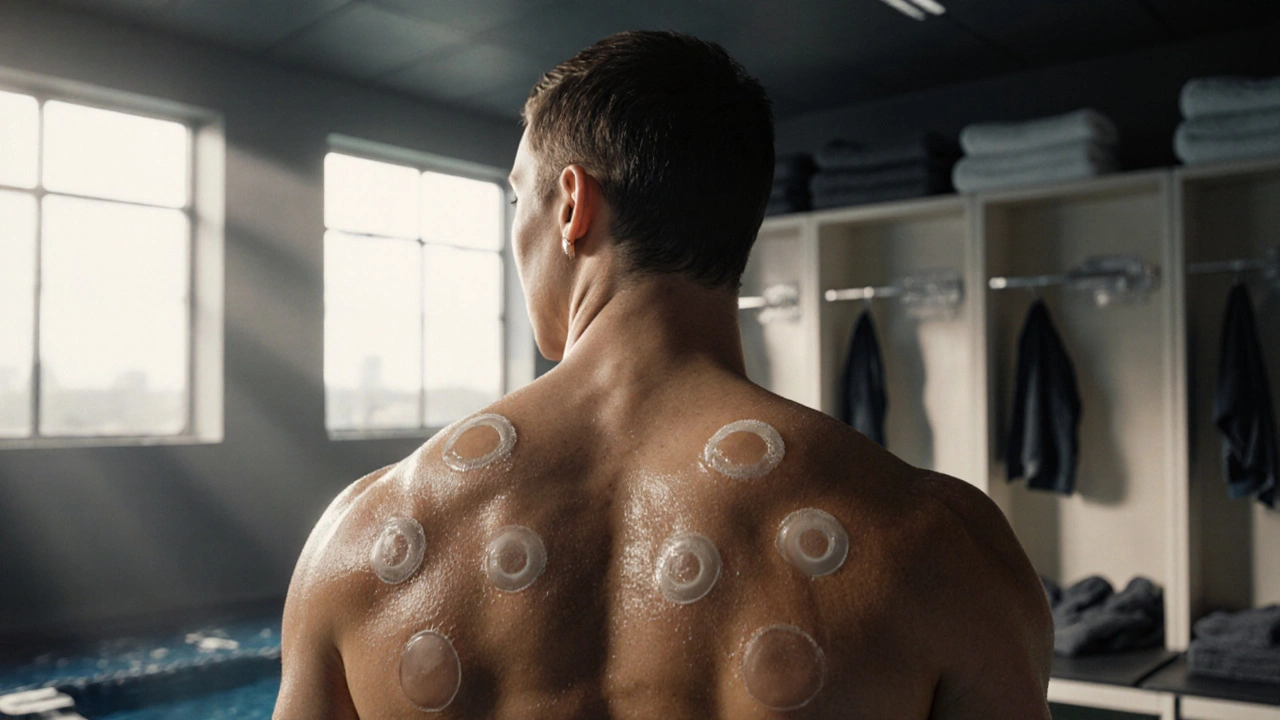
Why Athletes Swear by Cupping Therapy
Athletes use cupping therapy to speed up recovery, reduce muscle stiffness, and improve mobility. Learn how the ancient technique works, why it’s effective, and who benefits most from it.