
Cupping Benefits: How This Ancient Therapy Relieves Pain and Boosts Recovery
When you see someone with circular marks on their back, it’s not a rash—it’s cupping therapy, a hands-on healing method that uses glass, silicone, or bamboo cups to create suction on the skin. Also known as vacuum therapy, it’s been used for thousands of years across cultures—from ancient Egyptian texts to traditional Chinese medicine—to pull blood to the surface, loosen tight tissue, and kickstart healing. Unlike massage that pushes down, cupping pulls up, creating space between layers of muscle and fascia. This gentle lift helps release adhesions, reduce inflammation, and improve how oxygen and nutrients flow through the area.
People use cupping for more than just sore muscles. It’s commonly paired with myofascial release, a technique focused on releasing tension in the connective tissue that surrounds muscles to tackle chronic pain from sitting too long, sports injuries, or even stress. The suction encourages blood flow to areas that have been stiff or underused, which helps speed up recovery. Many athletes, from Olympic runners to office workers, swear by it after a long day or intense workout. It’s not magic—it’s physics and biology working together. The negative pressure tells your body: ‘Hey, something’s wrong here,’ and triggers your natural healing response.
It’s not just about muscles. holistic healing, an approach that treats the whole person—body, mind, and energy flow—not just isolated symptoms often includes cupping as a core tool. In traditional systems like Chinese medicine, it’s believed to clear blockages in energy pathways called meridians. While science doesn’t use the term ‘qi,’ it does confirm that cupping lowers cortisol, reduces muscle stiffness, and improves range of motion. You don’t need to believe in energy lines to feel the difference. Just try it after a stiff neck or tight shoulders—you’ll notice the tension melt faster than with a regular massage.
What you’ll find in the posts below isn’t just a list of treatments. It’s a collection of real, practical ways people are using cupping and related therapies to feel better. From how it compares to stone therapy and bamboo massage, to how it fits with reflexology and fascia stretching, these posts cut through the noise. You’ll learn what works, what doesn’t, and how to tell if it’s right for you—no fluff, no hype, just clear info from people who’ve tried it and lived to tell the tale.
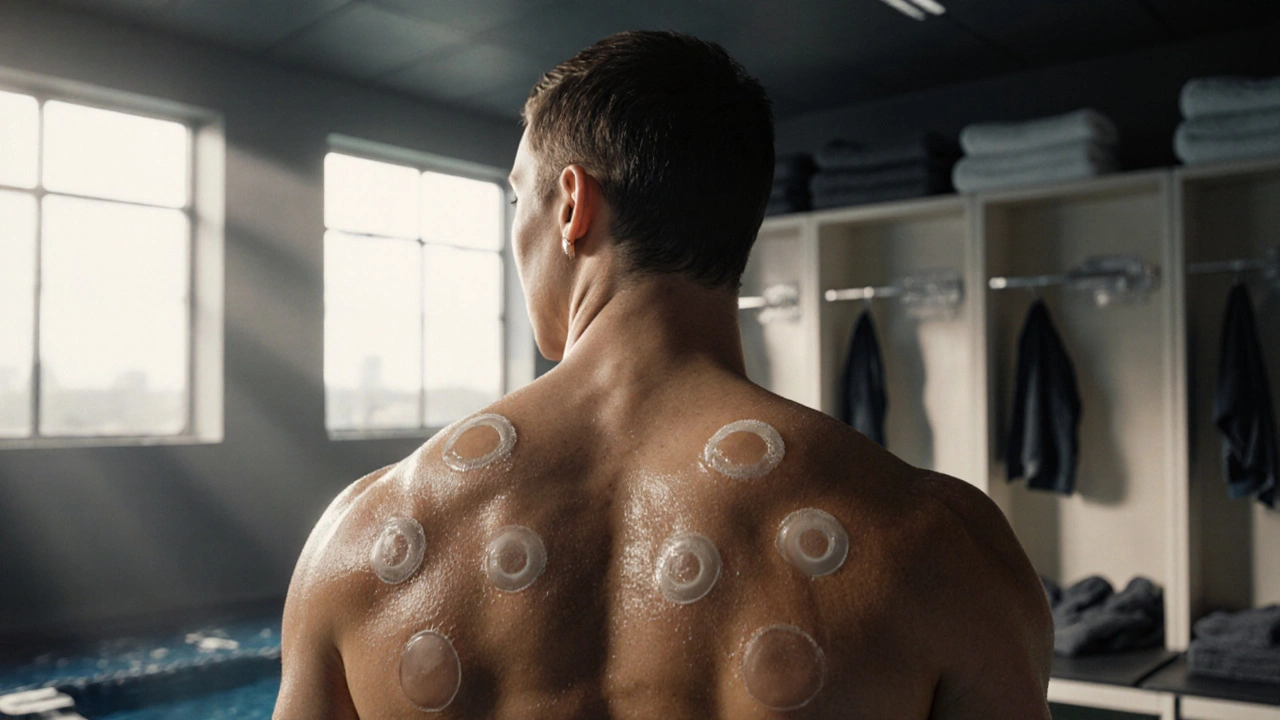
Why Athletes Swear by Cupping Therapy
Athletes use cupping therapy to speed up recovery, reduce muscle stiffness, and improve mobility. Learn how the ancient technique works, why it’s effective, and who benefits most from it.