
Athletes Cupping: How Cupping Therapy Helps Recovery and Performance
When you see professional athletes with dark circular marks on their backs or legs, it’s not a bruise—it’s athletes cupping, a therapeutic technique that uses suction to lift skin and fascia, increasing blood flow and reducing muscle tension. Also known as cupping therapy, it’s not new—it’s been used for thousands of years—but today, it’s backed by modern sports science as a key part of recovery. Unlike massage that pushes into muscles, cupping pulls them open, releasing tight spots that don’t respond to pressure alone. This is why elite runners, football players, and Olympic swimmers rely on it—not as a gimmick, but as a practical way to get back on the field faster.
It works because the suction creates negative pressure, pulling blood into areas that are stiff or inflamed. That rush of circulation brings oxygen and nutrients where they’re needed most, while flushing out metabolic waste like lactic acid. Think of it like a deep reset for overworked tissue. Many athletes pair it with myofascial release, a method focused on freeing the connective tissue that surrounds muscles, because cupping loosens the fascia, making other treatments more effective. It’s also closely linked to sports recovery, the science of helping the body bounce back after intense physical stress. You won’t find it in every gym, but if you’ve ever felt like your muscles are stuck in neutral, cupping might be the missing piece.
It’s not magic. It doesn’t cure injuries. But for athletes dealing with chronic tightness, nagging soreness, or slow recovery, it’s one of the few tools that delivers visible, measurable results without drugs or downtime. The marks fade in days, but the relief can last weeks. And unlike some flashy recovery gadgets, cupping requires no electricity, no apps, just skilled hands and simple glass or silicone cups. What you’ll find in the posts below are real stories from athletes who use it, breakdowns of how to do it safely, and comparisons with other therapies like foam rolling or massage. No fluff. No hype. Just what works—and what doesn’t—for people who move hard and need to keep moving.
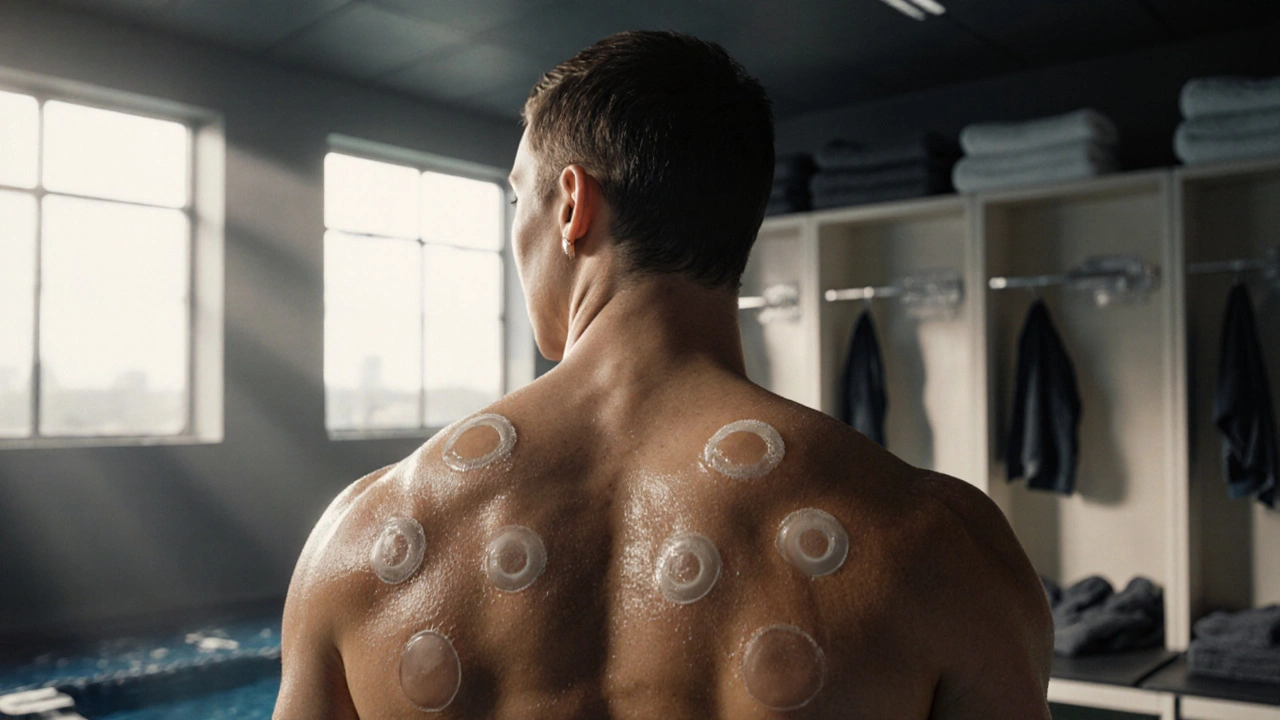
Why Athletes Swear by Cupping Therapy
Athletes use cupping therapy to speed up recovery, reduce muscle stiffness, and improve mobility. Learn how the ancient technique works, why it’s effective, and who benefits most from it.