
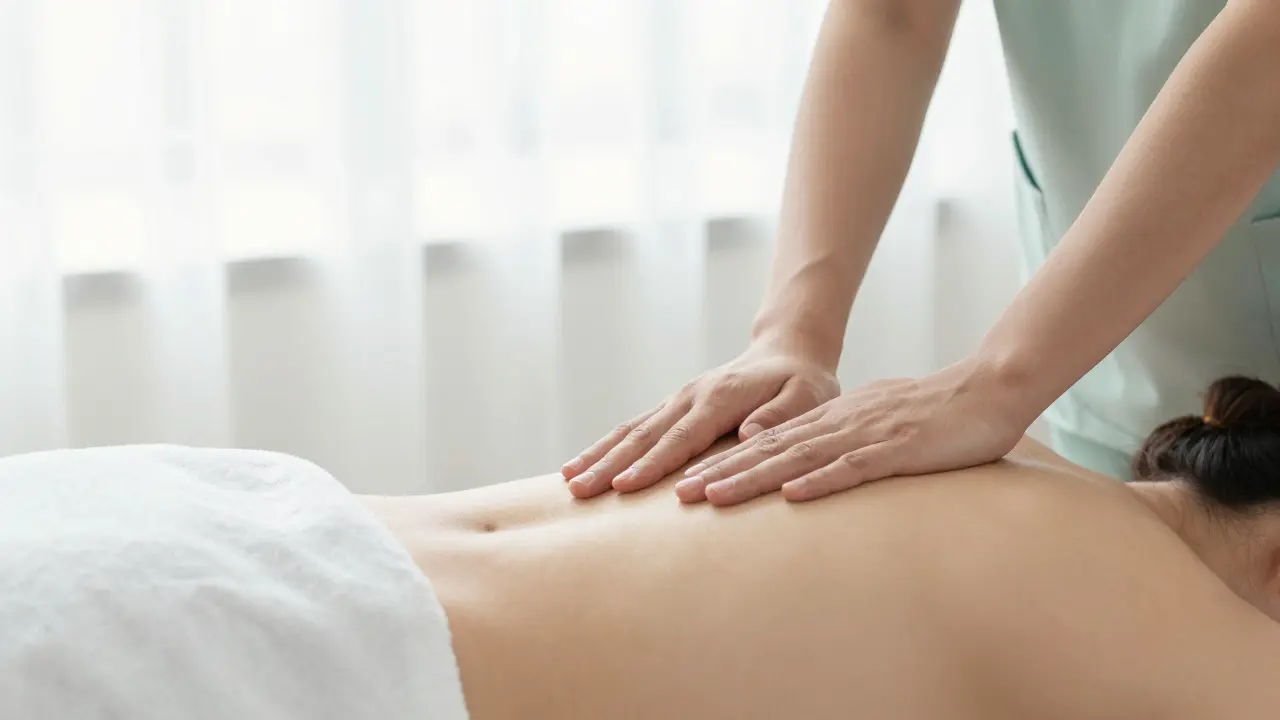
Have you ever left a massage feeling like you were floating on a cloud? That specific sense of weightlessness usually comes from Swedish massage. It is the most common form of bodywork in the West, but many people assume it is just a gentle rub-down. In reality, it is a structured system of five distinct techniques designed to manipulate soft tissue, improve circulation, and trigger the parasympathetic nervous system. Understanding these strokes changes how you experience the treatment and helps you communicate better with your therapist.
The Foundation: Why Swedish Massage Works
Before diving into the hands-on mechanics, it helps to understand the goal. Unlike deep tissue work that targets chronic knots or sports massage that focuses on performance recovery, Swedish massage is a holistic therapy focused on relaxation and overall wellness through rhythmic pressure and movement. The primary mechanism is physiological. By applying consistent, gliding pressure, the therapist increases blood flow to the skin and muscles. This delivers more oxygen and nutrients while helping remove metabolic waste products like lactic acid.
More importantly, this style of touch signals safety to your brain. When the pressure is even and predictable, your body lowers its cortisol levels-the stress hormone-and boosts serotonin and dopamine. This shift moves you from a "fight or flight" state into a "rest and digest" mode. If you are looking for pain relief from an acute injury, you might need something else. But if your goal is to unwind after a high-stress week, this is the gold standard.
1. Effleurage: The Art of Gliding
If you only remember one thing about Swedish massage, let it be Effleurage is the foundational stroking technique used to warm up tissues and promote venous return. You will see this stroke first, last, and in between every other move. The therapist uses the palms, thumbs, or forearms to glide smoothly over the skin. The key here is continuity. There should be no lifting of the hand until the end of the stroke.
Why does this matter? Think of it like oiling a hinge. Before you can move a stiff joint deeply, you need lubrication. Effleurage warms the superficial layers of the muscle and spreads the massage medium (oil or lotion) evenly. It also encourages lymphatic drainage. The therapist always strokes toward the heart because that is the direction of venous and lymphatic flow. If they push against the flow, they could actually cause congestion rather than relieve it. For the client, this feels like a soothing, rhythmic wave that sets the pace for the entire session.
2. Petrissage: Kneading the Muscle
Once the tissue is warm, the therapist moves to Petrissage is a kneading technique that lifts and squeezes muscle tissue to release tension and improve elasticity. Imagine you are kneading dough. You pick up the muscle belly, squeeze it gently, and roll it between your fingers and thumb. This is not a surface-level rub; it engages the deeper muscle fibers without the aggressive friction of deep tissue work.
This technique is crucial for breaking up adhesions-those tiny bands of scar tissue that form when muscles stay in one position for too long (like sitting at a desk all day). By lifting the muscle away from the underlying bone and fascia, the therapist creates space. This allows fresh blood to flood into the area. You might feel a slight ache during petrissage, but it should never be sharp pain. If it hurts, speak up. The goal is release, not damage.
3. Friction: Targeted Heat Generation
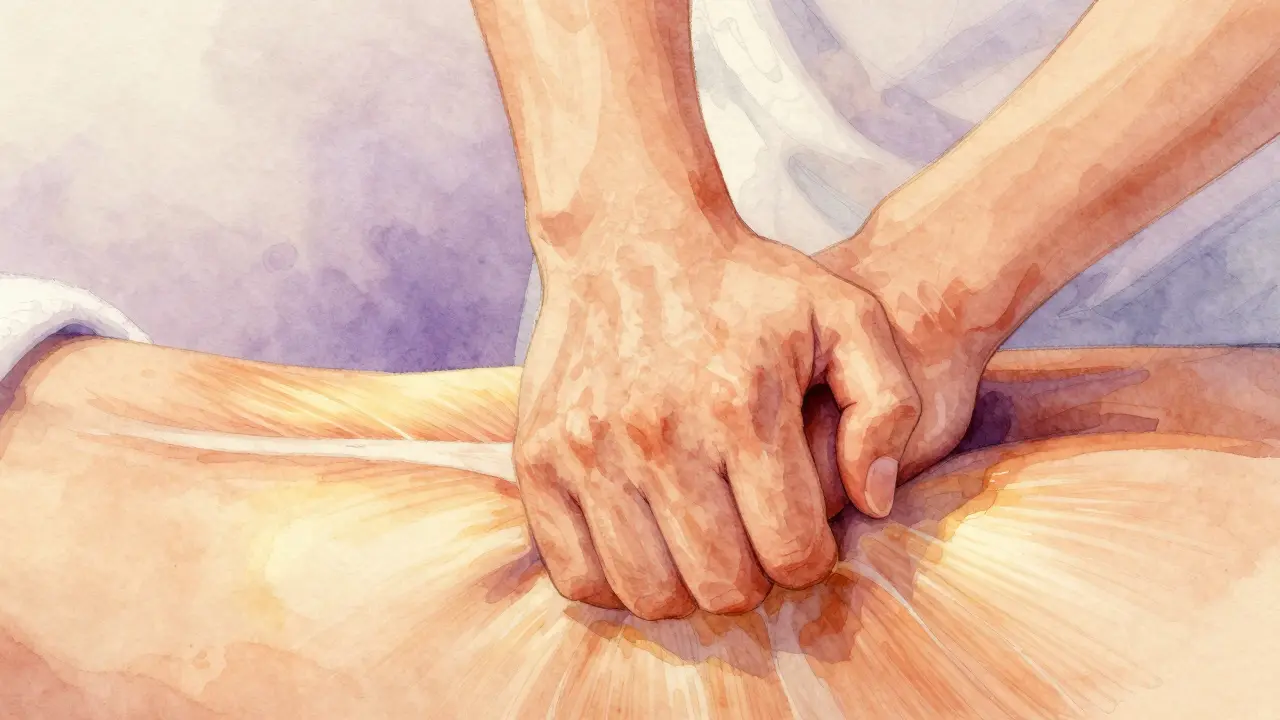
While effleurage covers large areas, Friction is a concentrated technique using circular or transverse movements to break down cross-fiber adhesions. This is where the therapist uses their thumbs, knuckles, or elbows to apply deep, localized pressure. They focus on specific spots, such as the rotator cuff in the shoulder or the Achilles tendon in the ankle.
The motion is small and repetitive. The therapist keeps the skin stationary while moving the underlying tissue. This generates heat at a microscopic level, which helps dissolve tight bands in the connective tissue. It’s often used on tendons and ligaments, which have poor blood supply compared to muscles. By increasing local circulation, friction aids healing. However, this technique requires skill. Too much pressure can cause bruising or inflammation. A good therapist knows exactly how much pressure is therapeutic versus harmful.
4. Tapotement: Percussive Awakening
Not everyone loves this part, but Tapotement is a series of rhythmic tapping or chopping movements designed to stimulate nerves and increase circulation. Also known as percussion, this involves hollow hands, fingertips, or the ulnar side of the hand striking the body. Common variations include hacking (chopping), cupping (hollow-hand slapping), and tapping (light finger taps).
You will rarely see this on the spine or sensitive areas like the kidneys. Instead, it’s reserved for large muscle groups like the quadriceps or back. The sound can be startling-a rapid-fire drumming-but the sensation is stimulating. It wakes up the nervous system and tones the muscles. Many athletes enjoy this phase because it leaves them feeling energized rather than sleepy. If you prefer pure relaxation, you can ask your therapist to minimize or skip this step.
5. Vibration: Shaking Out Stress
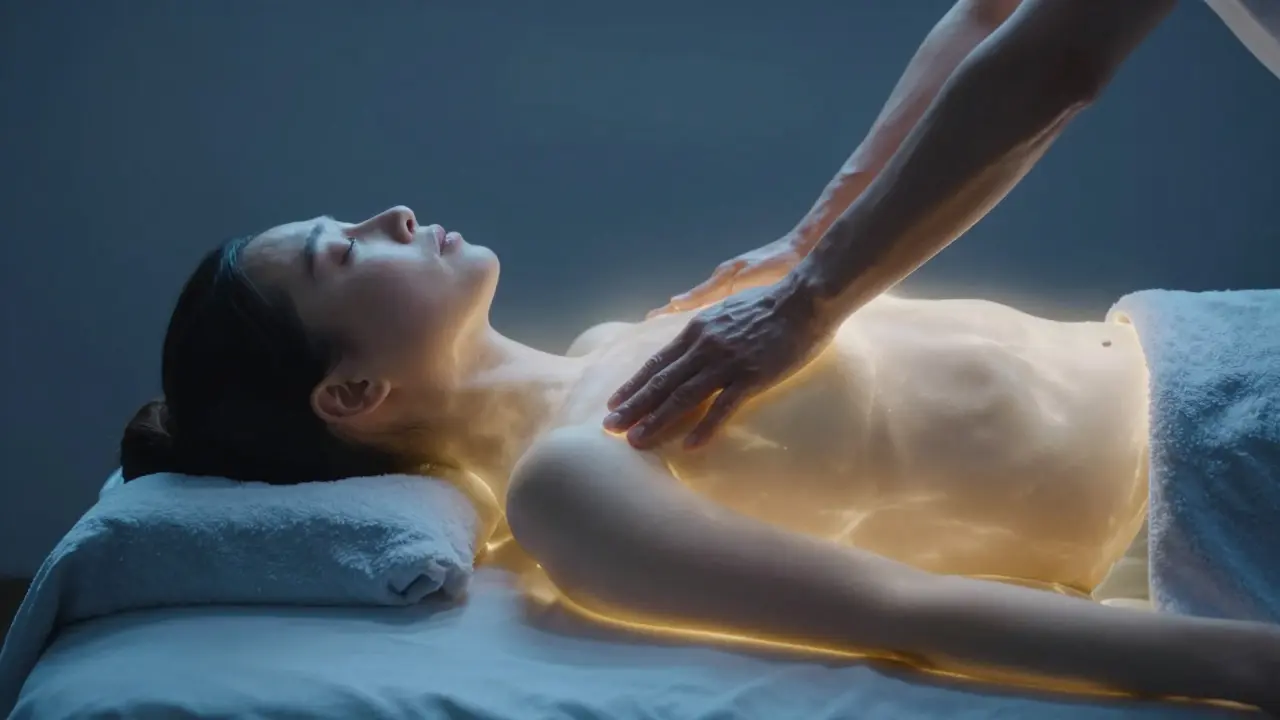
The final core technique is Vibration is a shaking or trembling motion applied to the tissue to relax spasms and soothe the nervous system. The therapist places their hands firmly on a muscle group and rapidly shakes their arms or shoulders to transmit a vibratory force into the body. Some therapists use mechanical devices for this, but manual vibration is more precise.
This technique is highly effective for releasing involuntary muscle spasms. The rapid oscillation disrupts the feedback loop between the muscle spindle and the brain, forcing the muscle to let go. It’s often used at the end of a session to calm the nervous system further. The sensation is subtle but profound, like a hum resonating through your bones. It’s particularly helpful for clients who hold tension in their neck and traps.
| Technique | Primary Action | Best For | Sensation |
|---|---|---|---|
| Effleurage | Gliding strokes | Warming up tissue, lymphatic drainage | Smooth, soothing, continuous |
| Petrissage | Kneading and lifting | Releasing muscle tension, improving elasticity | Deep, squeezing, slightly achy |
| Friction | Circular/transverse rubbing | Breaking adhesions, targeting tendons | Intense, localized heat |
| Tapotement | Tapping/chopping | Stimulating nerves, toning muscles | Energizing, percussive, loud |
| Vibration | Shaking/trembling | Relieving spasms, calming nerves | Humming, subtle, relaxing |
Who Should Avoid Swedish Massage?
While generally safe, Swedish massage isn’t for everyone right now. If you have a fever, contagious skin conditions, or open wounds, you should reschedule. Recent surgery or blood clots (DVT) are serious contraindications because increased circulation could dislodge a clot or worsen swelling. Always disclose your medical history before lying on the table. A competent therapist will adjust their approach or refer you to a physician if necessary.
How to Get the Most Out of Your Session
Communication is key. If the pressure is too light, say so. If a certain spot is tender, point it out. Hydrate well before and after your appointment to help flush out toxins released from the muscles. And don’t rush out the door immediately. Give yourself ten minutes to sit quietly and let your body readjust to gravity. The benefits of Swedish massage extend far beyond the hour you spend on the table-they linger in your reduced stress levels and improved mobility for days.
What is the difference between Swedish and deep tissue massage?
Swedish massage uses lighter, gliding pressure to promote relaxation and general circulation. Deep tissue massage applies slower, firmer pressure to target the inner layers of muscles and connective tissue, often focusing on chronic pain or specific injuries. Swedish is better for stress relief; deep tissue is better for structural issues.
Does Swedish massage really help with anxiety?
Yes. Studies show that regular Swedish massage can significantly lower cortisol levels and increase serotonin and dopamine. This chemical shift directly reduces feelings of anxiety and promotes a state of calm. It is a non-pharmacological way to manage stress.
How often should I get a Swedish massage?
For general maintenance and stress relief, once a month is ideal. If you are dealing with high stress or minor muscle tension, bi-weekly sessions may provide better results. Listen to your body-if you feel consistently tense, more frequent sessions might be beneficial.
Is it normal to feel tired after a Swedish massage?
Absolutely. This is often called "massage hangover." Your body has shifted into a parasympathetic state, and the detoxification process can make you feel sluggish. Rest, hydrate, and avoid strenuous activity for the rest of the day.
Can I get a Swedish massage if I have arthritis?
Yes, but with caution. Light Swedish massage can improve joint mobility and reduce stiffness associated with arthritis. However, the therapist must avoid direct pressure on inflamed joints. Always inform your therapist about your condition so they can adapt their techniques.