

Have you ever left a massage feeling like you could float? That light, weightless sensation isn't just in your head. It’s the result of Swedish massage, a gentle, full-body technique designed to relax muscles and improve circulation. Unlike deeper, more intense styles that might leave you sore for days, this approach uses long, flowing strokes to calm the nervous system right from the start.
If you’ve been carrying stress in your shoulders or stiffness in your lower back, Swedish massage is often the best place to begin. But what exactly happens during the session? How does it differ from other types of bodywork? And who should avoid it? Let’s break down everything you need to know before booking your appointment.
What Is Swedish Massage?
At its core, Swedish massage is about relaxation and blood flow. Developed in the late 18th century by Johann Georg Müller, a Swedish gymnast and physician, the method combines five specific stroke types. These aren’t random movements; each serves a distinct purpose in preparing your body for healing.
The therapist starts with broad, gliding motions called effleurage. This warms up the tissues and spreads the oil evenly. Next comes petrissage, which involves kneading and rolling the muscles-think of how you’d work dough. Then there’s friction, where circular pressure targets specific knots. Tapotement adds rhythmic tapping to stimulate nerves, and finally, vibration shakes loose any remaining tension.
You don’t need to be an athlete to benefit. In fact, if you sit at a desk all day, this type of massage can help reverse the physical toll of poor posture. The goal isn’t to “fix” pain through force, but to encourage your body to release it naturally.
Key Benefits Beyond Relaxation
We often think of massage as a luxury, but Swedish massage delivers measurable health benefits. Studies published in journals like Pain Medicine show that regular sessions can lower cortisol levels-the hormone linked to stress. When cortisol drops, your heart rate slows, and blood pressure stabilizes.
Better circulation is another major win. As the therapist works on your limbs, they’re essentially helping pump blood back toward your heart. This improves oxygen delivery to tissues and speeds up the removal of metabolic waste products like lactic acid. For people recovering from minor injuries or surgery (with doctor approval), this can mean faster healing times.
- Reduces anxiety: A single session can ease symptoms of generalized anxiety disorder.
- Improves sleep quality: Many clients report falling asleep easier after treatment.
- Eases joint stiffness: Gentle movement keeps connective tissues flexible.
- Boosts immune function: Increased lymphatic drainage helps clear toxins.
It’s not magic-it’s physiology. Your body responds to touch by shifting out of “fight or flight” mode and into “rest and digest.” That shift alone can change how you feel for days afterward.
Swedish vs. Deep Tissue: Which One Do You Need?
This is the most common question therapists get. Both are effective, but they serve different purposes. If you’re looking for a soothing experience that leaves you refreshed, choose Swedish massage. If you have chronic tightness, old injuries, or play contact sports, deep tissue massage might be better.
| Feature | Swedish Massage | Deep Tissue Massage |
|---|---|---|
| Pressure Level | Light to moderate | Firm to very firm |
| Primary Goal | Relaxation and circulation | Break up adhesions and scar tissue |
| Best For | Stress relief, first-timers, seniors | Athletes, chronic pain sufferers |
| Pain During Session | Minimal to none | Mild discomfort possible |
| Aftereffects | Calm, energized | Soreness for 24-48 hours |
Don’t worry if you’re unsure. Most therapists will ask about your goals during intake. You can also request a hybrid session-starting with Swedish techniques and focusing deeper on problem areas later.
What Happens During a Session?
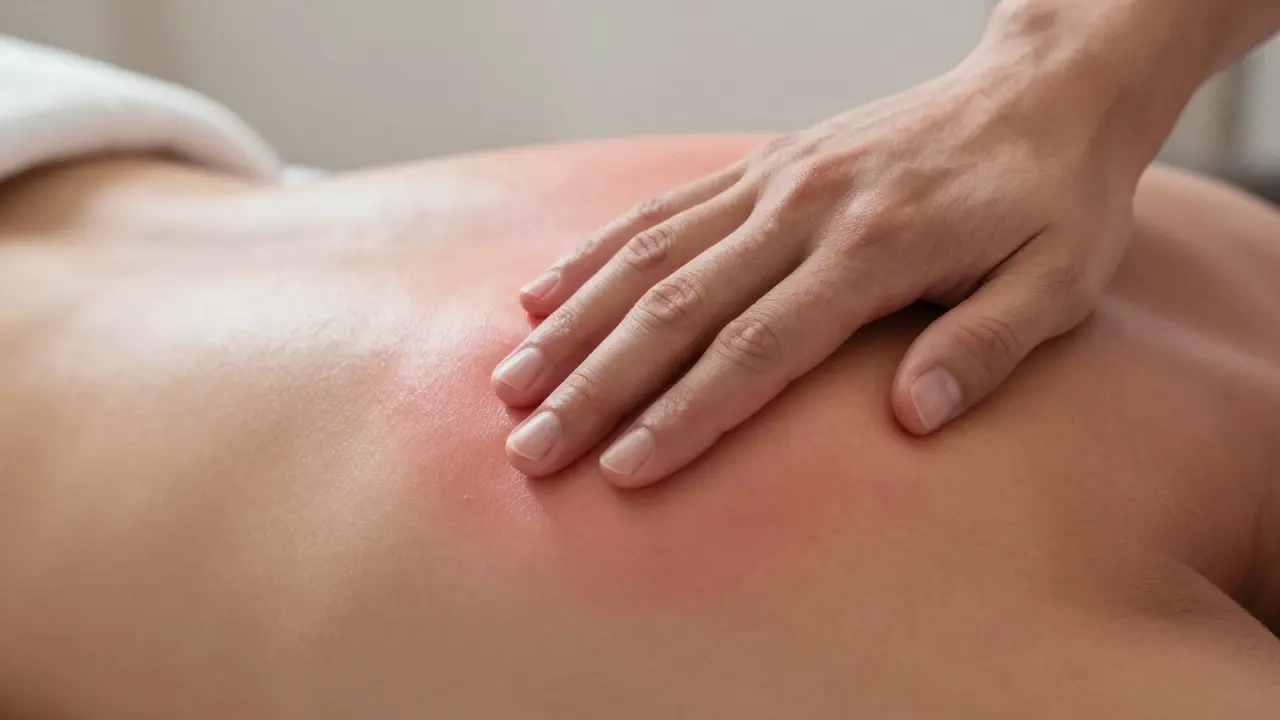
Your first visit usually includes a brief consultation. The therapist will ask about any injuries, surgeries, or areas of concern. Be honest here-they need to know what to avoid. Afterward, you’ll undress to your comfort level (most people keep underwear on) and lie face down on the table. Sheets drape over you, exposing only the area being worked on.
The session typically lasts 60 minutes, though 90-minute options exist for those wanting extra attention. The therapist begins with your back, moving down to legs and feet, then flips you over to work on chest, arms, and neck. Communication is key-if something hurts, say so. Good pressure shouldn’t cause sharp pain.
Oil or lotion is used throughout to reduce friction. Essential oils like lavender or eucalyptus may be added for aroma benefits, but always mention allergies beforehand. At the end, you’re given a few minutes to rest before getting dressed. Drink water when you leave-it helps flush out toxins released during the massage.
Who Should Avoid Swedish Massage?
While safe for most people, certain conditions require caution or medical clearance first. Never book a massage if you have:
- Open wounds or infections: Risk of spreading bacteria.
- Recent surgery: Wait until incisions heal completely.
- Blood clots or DVT: Movement could dislodge them.
- Severe osteoporosis: Bone fragility increases fracture risk.
- High fever or contagious illness: Rest instead to prevent spread.
Pregnant women can enjoy modified Swedish massages after the first trimester, provided the therapist specializes in prenatal care. Always inform your provider about pregnancy status so positioning adjustments can be made.

How Often Should You Get Massaged?
There’s no one-size-fits-all answer. For general wellness, once a month is ideal. If you’re managing ongoing stress or mild muscle tension, every two weeks might help maintain progress. Athletes or physically active individuals often benefit from weekly sessions during peak training periods.
Think of it like dental hygiene. Brushing daily prevents cavities, but seeing the dentist regularly catches issues early. Similarly, consistent massage maintains flexibility and reduces cumulative strain before it becomes painful.
If budget is a concern, consider self-massage tools like foam rollers or massage balls between professional appointments. They won’t replace hands-on therapy, but they extend the benefits.
Finding a Qualified Therapist
Not all practitioners are equal. Look for someone licensed in your state or country. In Australia, check credentials through organizations like the Australian Natural Therapists Association (ANTA). Ask about their training background-did they complete a minimum 500-hour program? Do they specialize in clinical massage or spa services?
Read reviews carefully. Phrases like “gentle but thorough” or “listened to my needs” signal good communication skills. Avoid places that promise miracle cures or use unverified diagnostic claims.
During your initial visit, pay attention to cleanliness, professionalism, and consent practices. A reputable therapist will explain each step, check in frequently, and respect boundaries without exception.
Does Swedish massage hurt?
No, it should not. While you may feel pressure, especially around tense areas, true pain means the therapist is working too hard. Communicate openly during the session so adjustments can be made immediately.
Can I get a Swedish massage if I’m pregnant?
Yes, but only after consulting your healthcare provider and finding a certified prenatal massage therapist. Special pillows and side-lying positions ensure safety for both mother and baby.
How much does a Swedish massage cost?
Prices vary by location and practitioner experience. In Perth, expect to pay between $80-$120 AUD for a 60-minute session. Spa settings tend to charge more than private clinics offering therapeutic treatments.
Should I shower before or after a massage?
Shower before to remove lotions and deodorants that interfere with oil absorption. Shower after to wash off residual oil and refresh your skin. Some people prefer waiting an hour post-massage to let benefits settle.
Is Swedish massage covered by insurance?
Rarely, unless prescribed for a documented medical condition such as chronic back pain or rehabilitation post-injury. Check with your insurer for coverage details under complementary therapies or physiotherapy referrals.