
Quick Facts About Snake Massage
- What it is: A sensory therapy where non-venomous snakes are draped over a person.
- Primary goal: Relaxation through unusual tactile stimulation and psychological thrill.
- Key benefit: Deep sensory engagement and a unique adrenaline-to-calm shift.
- Risk level: Low, provided it's done with professional handlers and non-venomous species.
What exactly is a snake massage?
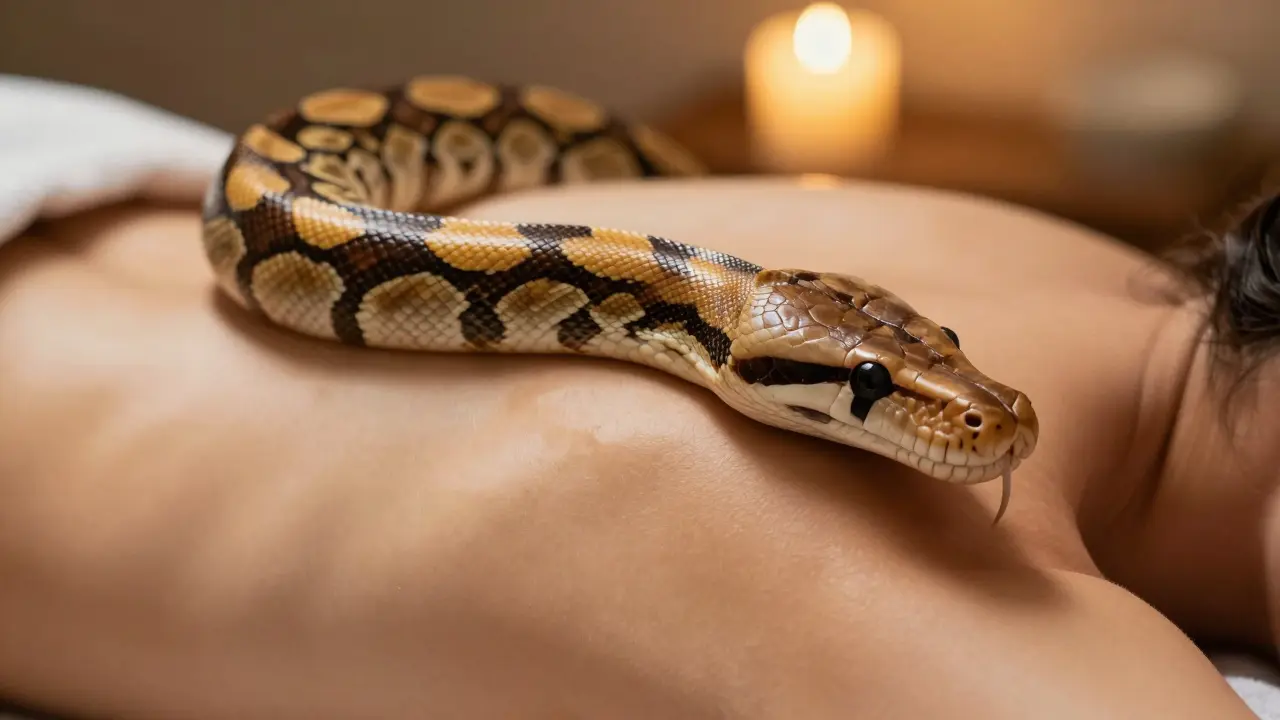
To put it simply, Snake Massage is a form of alternative bodywork where non-venomous snakes are allowed to crawl over a client's body to provide a unique tactile sensation. It doesn't involve the snake "massaging" you in the sense of rubbing out a knot in your shoulder. Instead, the weight and the slow, undulating movement of the snake create a gentle, rhythmic pressure. Think of it as a living weighted blanket that moves.
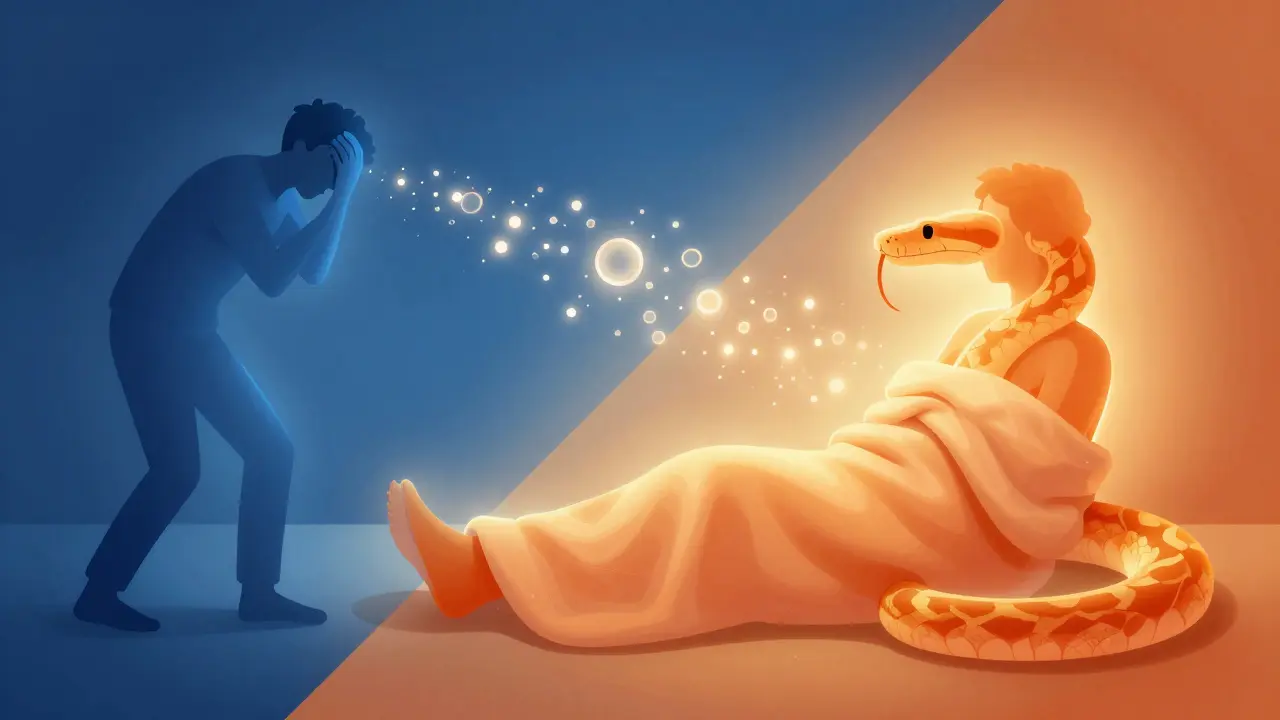
Most sessions happen in a controlled environment where the snakes are well-fed and calm. The handlers ensure the reptiles feel safe, which in turn keeps them from acting erratically. The thrill comes from the contrast: the initial fear of the reptile is replaced by a surprising sense of peace as you realize the animal is simply exploring and resting on you. This shift from a "fight or flight" response to a state of relaxation is what many enthusiasts call the core of the experience.
How the process actually works
You won't just be thrown into a pit of pythons. A professional session follows a specific flow to ensure both the human and the animal stay happy. First, you'll usually start with a consultation. The handler will ask about your comfort level and any specific fears. They'll also explain the temperament of the snakes being used.
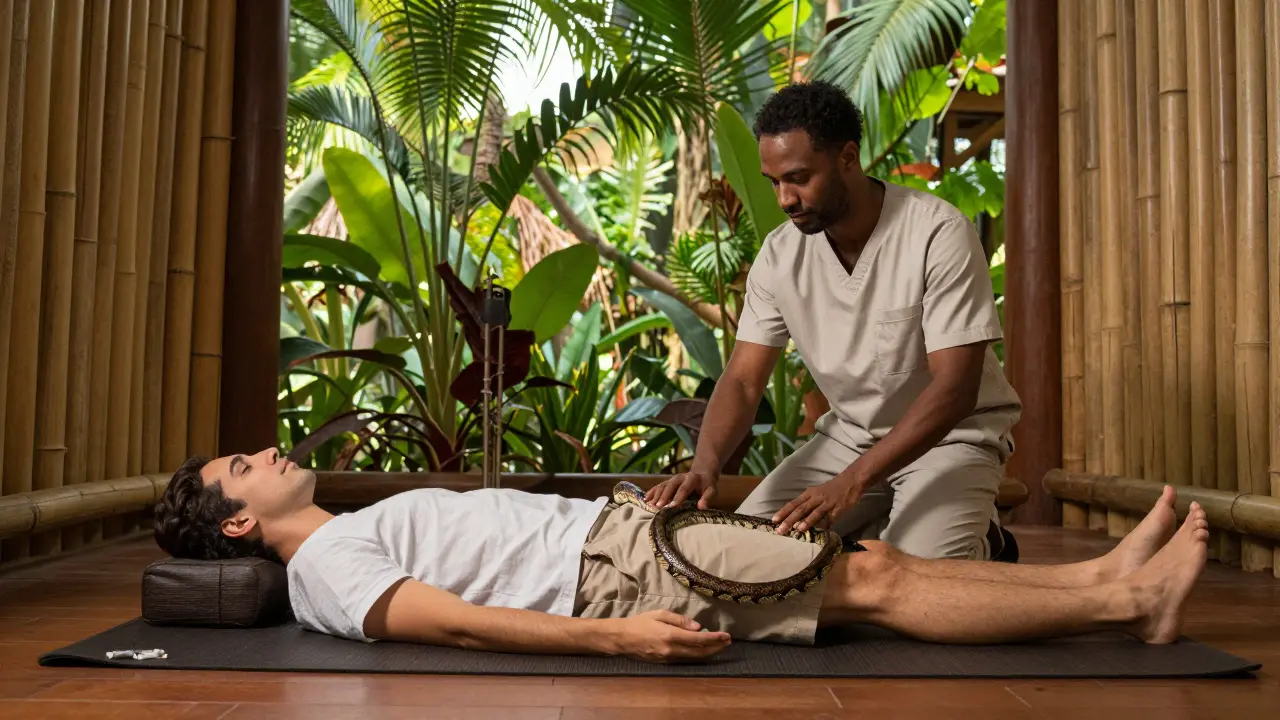
Once you're settled on a massage table or a padded mat, the handler introduces the snake. They usually start with a small, docile species to get you used to the feeling. As you relax, they might introduce larger snakes. The Python or Boa Constrictor are common choices because of their slow movements and smooth scales. The handler guides the snake to move across your back, arms, and legs, ensuring the animal doesn't wrap too tightly around your neck or face.
The sensation is surprising. Snake scales are not slimy-they are actually dry and feel somewhat like polished stones or a very smooth leather jacket. Because snakes are ectothermic, they'll be looking for your body heat, which creates a warm, clinging sensation that can be oddly comforting.
The psychological and physical appeal
Why on earth would someone pay for this? For many, it's about overcoming a phobia. There is a powerful psychological release that happens when you confront a fear in a safe environment. This is similar to how some people enjoy horror movies or bungee jumping; the adrenaline rush is followed by a massive wave of dopamine and relaxation.
From a physical standpoint, the pressure is light but constant. While it doesn't replace a deep-tissue massage, the sensory input can help "ground" a person. In the world of Sensory Therapy, introducing unexpected textures can help shift the brain's focus away from stress and anxiety. You can't really worry about your work emails when there is a five-foot reptile slowly gliding across your ribs.
| Feature | Snake Massage | Traditional Massage (e.g., Swedish) |
|---|---|---|
| Primary Goal | Sensory experience & thrill | Muscle recovery & tension relief |
| Pressure Type | Light, undulating, rhythmic | Varying from light to deep tissue |
| Mental Effect | Adrenaline shift to calm | General parasympathetic activation |
| Tool Used | Live non-venomous reptiles | Human hands/fingers/elbows |
Safety first: What to look for
Since you're dealing with live animals, safety is the only thing that matters. You should never attempt a snake massage with an untrained person. A professional handler knows the "body language" of a snake. They can tell if a reptile is stressed, hungry, or about to strike, and they can intervene before anything happens.
One of the biggest concerns people have is the risk of being bitten. While non-venomous snakes are generally docile, they are still animals. Professional setups use snakes that are "tame" and habituated to human touch. Furthermore, the handler stays within arm's reach the entire time. If the snake becomes too active or tries to coil too tightly, the handler simply lifts it off.
Hygiene is another factor. Reptiles can carry Salmonella on their skin. Reputable practitioners will ensure the snakes are kept in clean enclosures and will ask you to wash your hands or shower after the session. If a place doesn't mention hygiene or animal welfare, walk away.
Who should avoid this experience?
While it's generally safe, this isn't for everyone. If you have a severe, paralyzing phobia of reptiles (ophidiophobia), forcing yourself into this might cause a panic attack rather than relaxation. The goal is "controlled thrill," not genuine trauma.
People with open wounds, severe skin infections, or compromised immune systems should also skip this. Because snakes crawl over the skin, any break in the skin could potentially lead to an infection. Similarly, if you have asthma or severe allergies to animal dander (though snakes don't have fur), it's worth checking with a doctor first.
Where to find these experiences
You won't find snake massages at your local suburban spa. These are typically found in exotic wellness centers, specialized zoological parks, or as part of "animal-assisted therapy" retreats in regions like Southeast Asia, South America, or specialized boutiques in major cities. Some luxury resorts in tropical climates offer this as a "wild wellness" package to attract adventurous travelers.
When searching for a provider, look for testimonials that specifically mention the handler's expertise. Ask which species they use. If they can't tell you the exact species and their temperament, they aren't professionals. A good provider will treat the animal as a partner in the therapy, not just a prop.
Does it actually feel like a massage?
Not in the way a therapist rubs your muscles. It is a sensory experience. The weight and the movement of the snake provide a gentle pressure that can be very relaxing, but it won't fix a pinched nerve or a tight knot in your traps.
Are the snakes dangerous?
Professionals only use non-venomous species. While any animal can bite if stressed, the risks are extremely low when a trained handler is present to manage the snake's behavior and the client's movements.
Is it hygienic?
Most professional centers follow strict hygiene protocols. Because reptiles can carry salmonella, it is standard practice to wash the skin after the session. Always ensure the provider keeps their animals in clean, regulated environments.
How long does a session last?
Sessions usually last between 30 to 60 minutes. This includes the introduction phase where you get comfortable with the first snake and the actual time the animals spend moving across your body.
Will the snake squeeze me too hard?
No. Constrictors only squeeze their prey when they are hunting. In a massage setting, they are simply looking for warmth and a place to rest. Handlers are always there to prevent the snake from coiling too tightly around any limb or the neck.
Next Steps for the Curious
If you're feeling bold and want to try this, start small. You might want to visit a reptile cafe or a zoo where you can hold a small snake first. This helps you gauge your reaction to the texture and movement without the commitment of a full session.
If you're a professional therapist looking to expand your knowledge of sensory work, research the field of animal-assisted therapy. Understanding how different animals affect human heart rates and cortisol levels can provide a scientific backbone to these exotic practices. Whether you find it relaxing or terrifying, it's a fascinating glimpse into how we perceive nature and wellness.